There's a certain audacity, isn't there, in attempting to wrestle the sprawling, complex saga of King David onto the silver screen, especially in the middle of the neon-drenched, synth-scored 1980s? Paramount Pictures and director Bruce Beresford certainly swung for the fences with 1985's King David, a film that feels somehow both grandiose and strangely intimate, a relic unearthed from an era seemingly more concerned with proton packs and time-traveling DeLoreans than biblical epics. Pulling this one off the rental shelf always felt like committing to something substantial, something... serious.
A Crown of Thorns and Glory
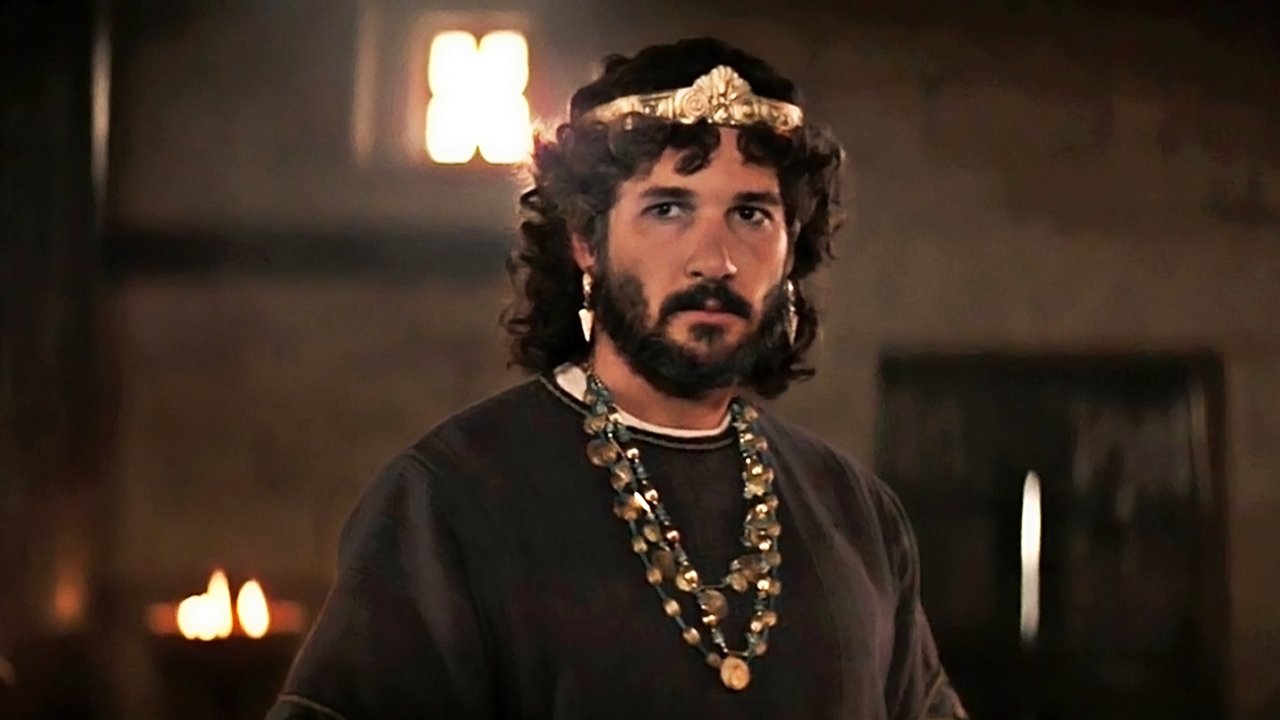
The film charts David's legendary trajectory: the young shepherd chosen by God, his fateful encounter with Goliath, his complicated relationship with the increasingly paranoid King Saul, his ascension to the throne, his triumphs, and his profound moral failings, particularly concerning Bathsheba. It's a narrative brimming with divine favor, brutal warfare, political intrigue, and deeply human flaws. Beresford, fresh off the critical success of Tender Mercies (1983) and Breaker Morant (1980), brings a certain grounded sensibility to the proceedings. He seems less interested in Cecil B. DeMille-style spectacle (though the film has moments of scale) and more focused on the internal struggles of his characters. This isn't necessarily a complaint; it lends the film a weight that prevents it from becoming pure costume drama.
The Shepherd King Conundrum
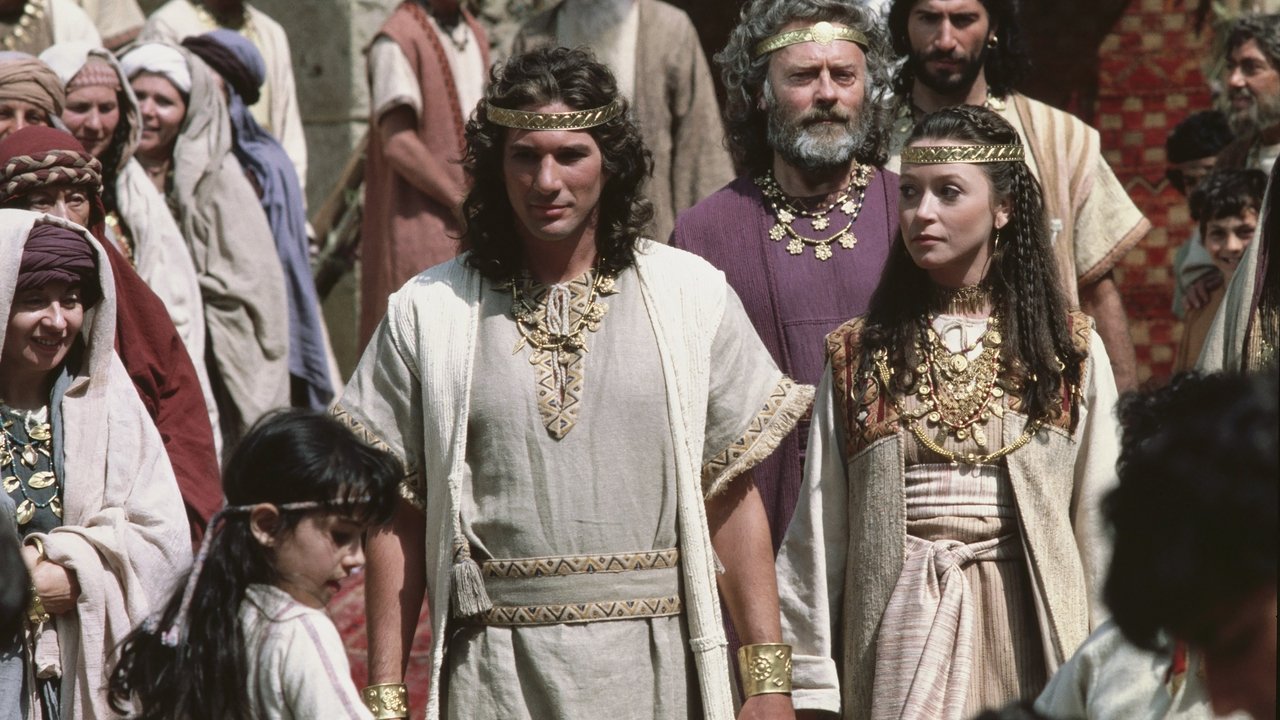
The casting remains one of the most talked-about aspects of King David. Placing Richard Gere, then at the peak of his contemporary leading man status following hits like An Officer and a Gentleman (1982), into the sandals of Israel's shepherd king was a bold move. Does it work? Well, it's complicated. Gere certainly commits, embodying David's youthful charisma and later, his weary burden of leadership. There are moments where his intensity connects, particularly in scenes depicting David's loyalty or anguish. Yet, there's sometimes a feeling of disconnect, a modern sensibility peeking through the ancient robes. It’s a performance that invites debate even now – was it inspired counter-casting, or a bridge too far for audiences accustomed to Gere in a tailored suit? I recall finding it jarring back then, though revisiting it now, I appreciate the earnestness of his attempt to capture David's multifaceted nature.
Contrasting sharply is Edward Woodward as King Saul. Woodward, who had previously worked with Beresford on the excellent Breaker Morant, delivers a powerhouse performance. His Saul is a tragic figure, consumed by jealousy, fear, and a fraying connection to God. Woodward embodies the tormented king with palpable intensity, making Saul's descent into madness genuinely compelling and pitiable. He arguably steals every scene he's in, providing the film with its most potent dramatic anchor. Alice Krige, as Bathsheba, brings intelligence and a quiet strength to a role that could easily have been thankless, navigating the complex dynamics of her relationship with David with subtle grace.
Crafting an Ancient World on Location
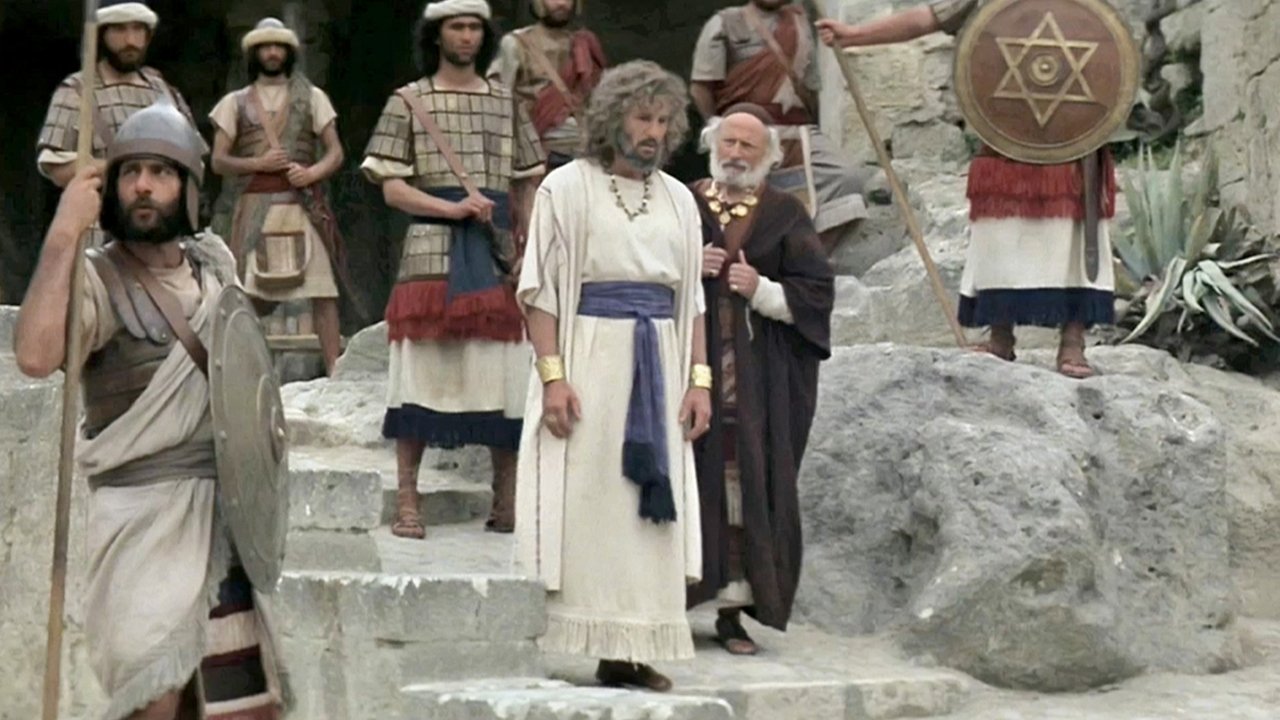
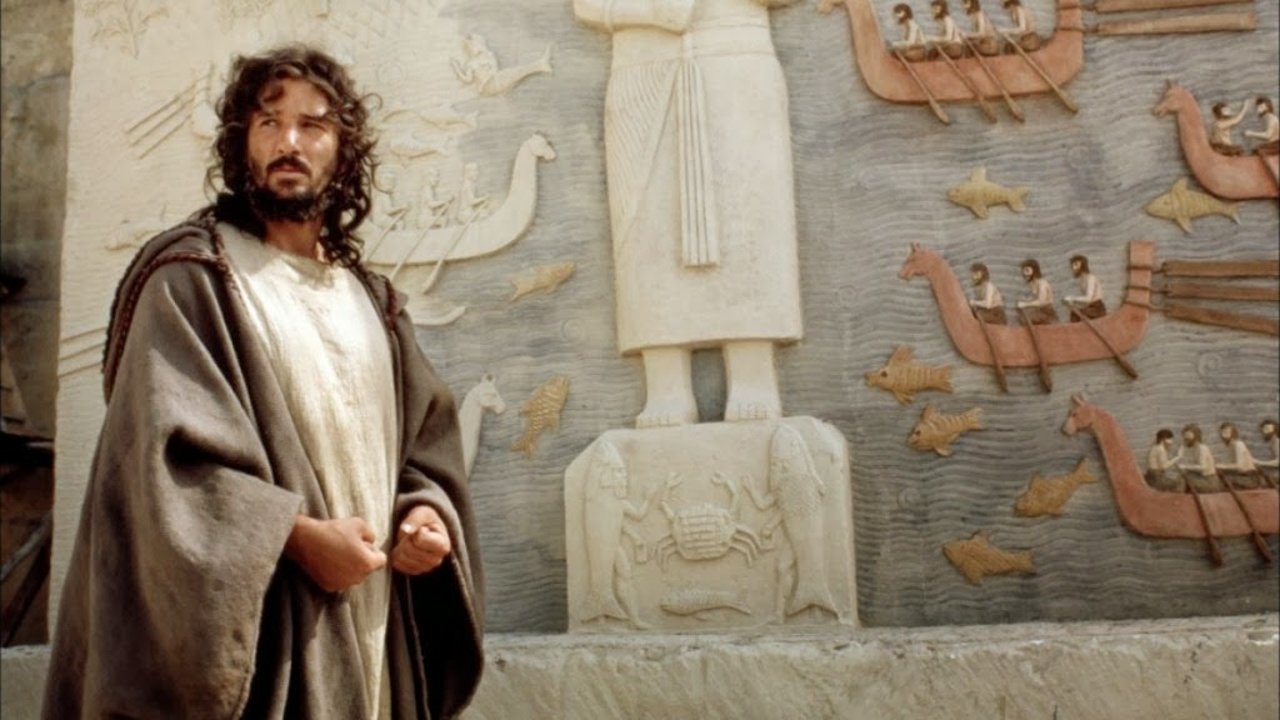
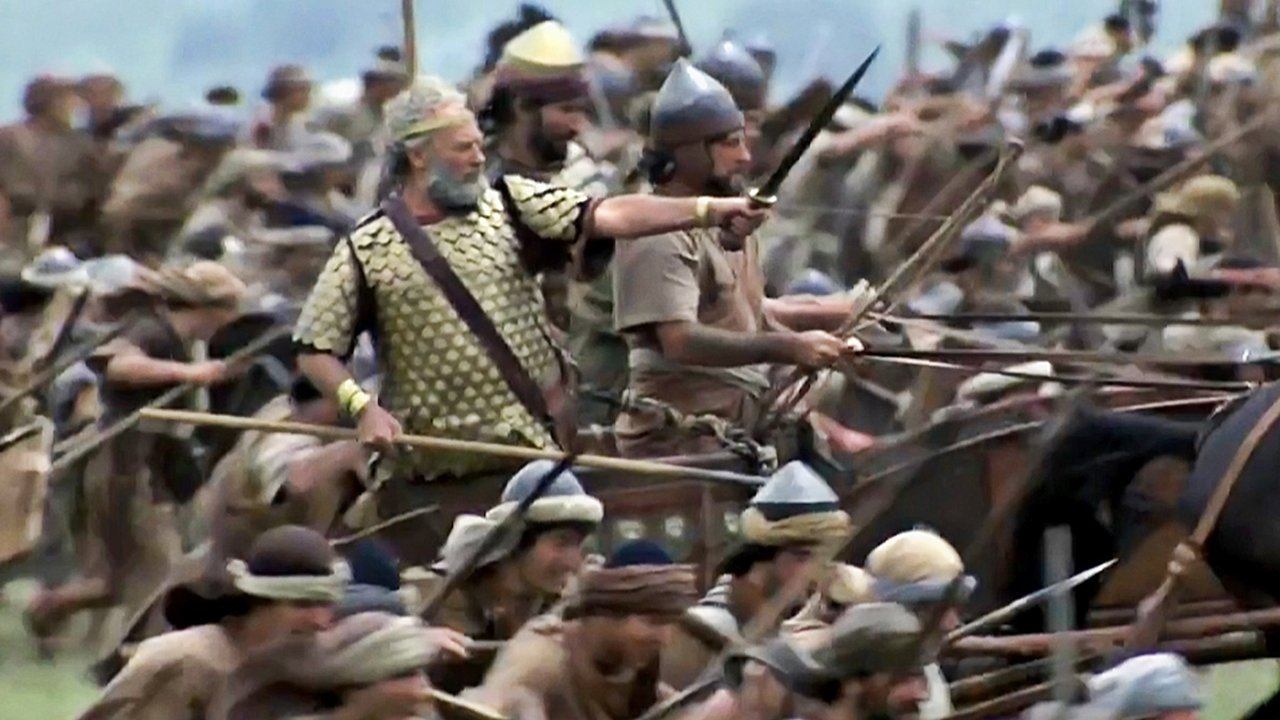
Visually, King David benefits immensely from its authentic locations. Shot primarily in the stunning, ancient landscapes of Matera and Craco in Southern Italy (locations later used memorably by Mel Gibson for The Passion of the Christ (2004)), the film possesses a tangible sense of place. The sun-baked stone, the rugged hills – they lend an air of authenticity that studio sets struggle to replicate. Cinematographer Donald McAlpine (who also shot Breaker Morant and later, Moulin Rouge! (2001)) captures both the epic sweep and the intimate moments effectively. The production reportedly cost a hefty $21 million, a significant sum in 1985, and you can see much of it on screen in the scale of the battle sequences and the detailed costuming and set design.
Interestingly, the film secured an R rating from the MPAA, primarily for violence and some nudity (particularly in the Bathsheba bathing scene). This was somewhat unusual for a mainstream biblical adaptation at the time and perhaps contributed to its struggle to find a wide audience, especially among families or religious groups expecting a more sanitized portrayal.
An Echo in the Video Store Aisles
Despite its pedigree and ambition, King David was met with largely negative reviews and bombed at the box office, recouping less than $6 million of its budget. Why did it fail to connect? Perhaps the earnest, somewhat somber tone felt out of step with the escapist entertainment dominating the mid-80s multiplex. Maybe the central casting gamble didn't pay off for most viewers. Or perhaps condensing such a rich, morally complex biblical narrative into a two-hour film inevitably led to compromises that satisfied neither epic enthusiasts nor those seeking deep theological exploration.
Yet, finding it on VHS offered a different experience. Away from the box office pressures and critical consensus, one could appreciate its sincere attempt to grapple with profound themes: the nature of faith, the corrupting influence of power, the consequences of sin, and the messy reality of chosen figures. It wasn't flashy, it wasn't hip, but it was trying to tell a significant story with conviction. Does it fully succeed? Perhaps not entirely. The pacing can feel uneven, and the narrative sometimes struggles under the weight of its own source material. But there's an undeniable integrity to the effort.
Rating: 6/10
King David stands as a fascinating, flawed attempt to bring Old Testament grandeur to the 80s screen. While Richard Gere's central performance remains debatable, Edward Woodward is magnificent as the tormented Saul, and the film's visual scope, grounded by authentic locations and Bruce Beresford's serious-minded direction, is commendable. Its earnestness and ambition are palpable, even if the execution doesn't always reach the lofty heights it aims for. It didn't set the box office alight, grossing a mere fraction of its considerable budget, but for viewers seeking a thoughtful, if imperfect, biblical drama from the VHS era, it offers more substance than its reputation might suggest.
It remains a curious artifact – a reminder that even amidst the cinematic trends of the 80s, some filmmakers were still drawn to the oldest stories, striving to find contemporary resonance in ancient texts, even if audiences weren't quite ready to follow them there.