There's a peculiar kind of ache that settles in after watching Michael Moore's Roger & Me (1989), isn't there? It’s not just sadness, though there's plenty of that. It’s a strange brew, mingling genuine outrage with a sort of darkly comedic disbelief, all filtered through the slightly fuzzy, analogue warmth of a well-worn VHS tape. Rewatching it now, decades after its release, the film feels less like a straightforward documentary and more like a raw nerve exposed – a time capsule not just of Flint, Michigan's devastation, but of a particular moment when American optimism began to curdle.
### The Quixotic Quest in a Dying Town
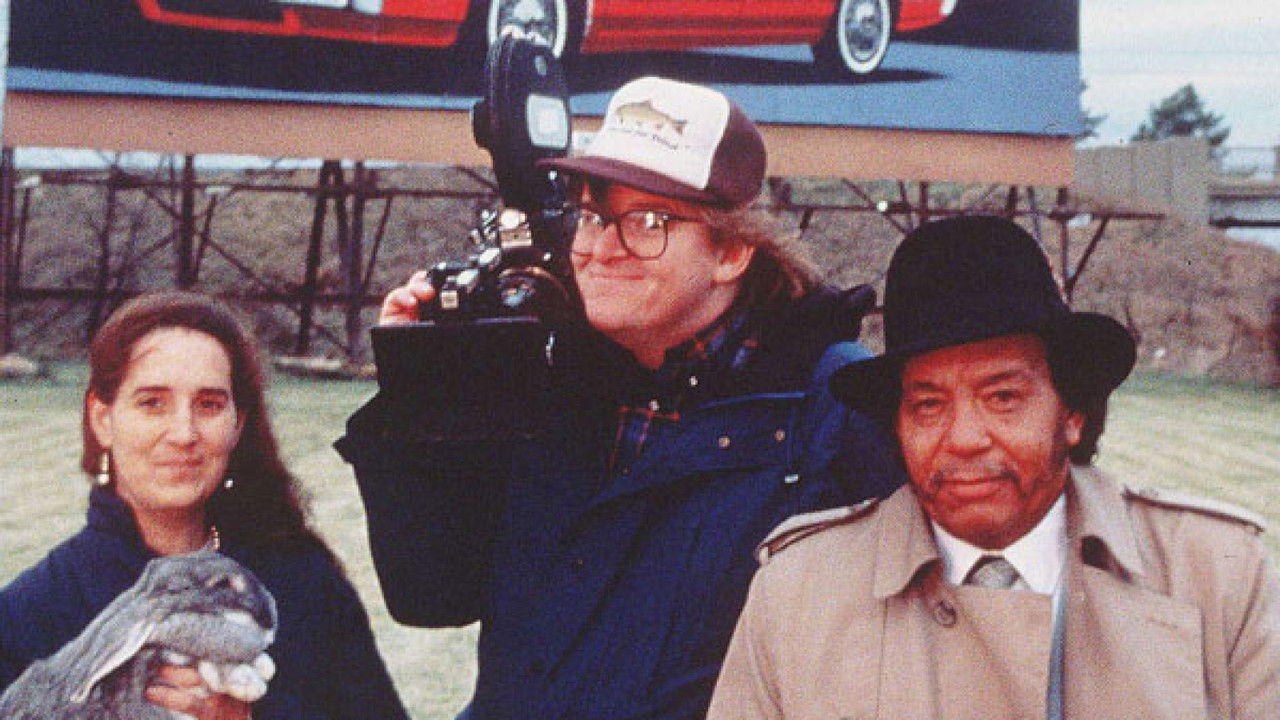
At its heart, the film chronicles Moore's seemingly simple, yet ultimately impossible, goal: to meet General Motors CEO Roger Smith and convince him to visit Flint, the city GM largely abandoned after closing numerous auto plants, throwing tens of thousands out of work. Moore, a Flint native himself, presents himself as the rumpled, baseball-capped champion of the common man, navigating the ruins of his hometown with a camera crew and a relentless, almost naive determination. He frames it as a personal mission, David versus a corporate Goliath who won't even acknowledge his presence.
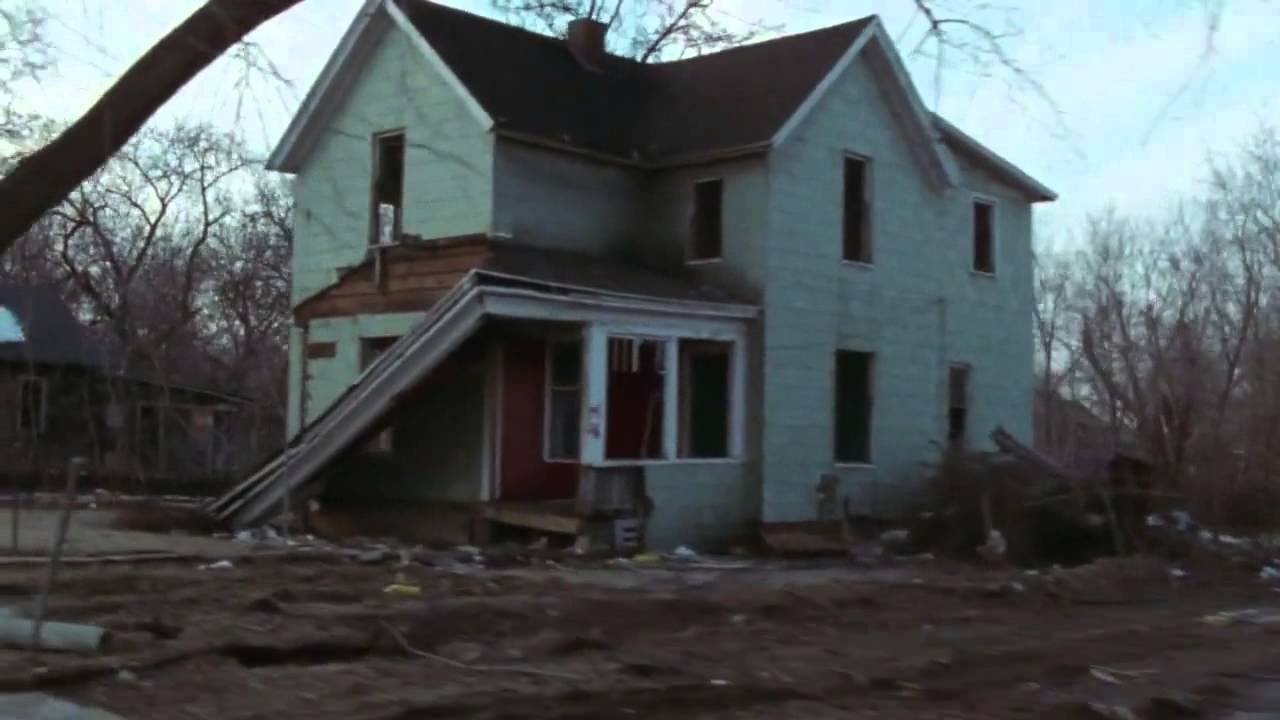
The landscape Moore captures is undeniably bleak. We see the boarded-up storefronts, the sprawling, empty factories, the surreal sight of families being evicted on Christmas Eve (a sequence whose chronological accuracy later sparked considerable debate, but whose emotional impact remains potent). It's a portrait of economic collapse rendered with an unvarnished, almost home-movie intimacy that felt revolutionary back then. I remember renting this from the local video store – probably nestled somewhere between the comedies and the dramas, because where do you shelve Roger & Me? – and being struck by how different it felt from anything else on the shelf. It wasn’t just reporting; it was a plea, a punch, a darkly funny shrug, all at once.
### Moore's Method and the People of Flint
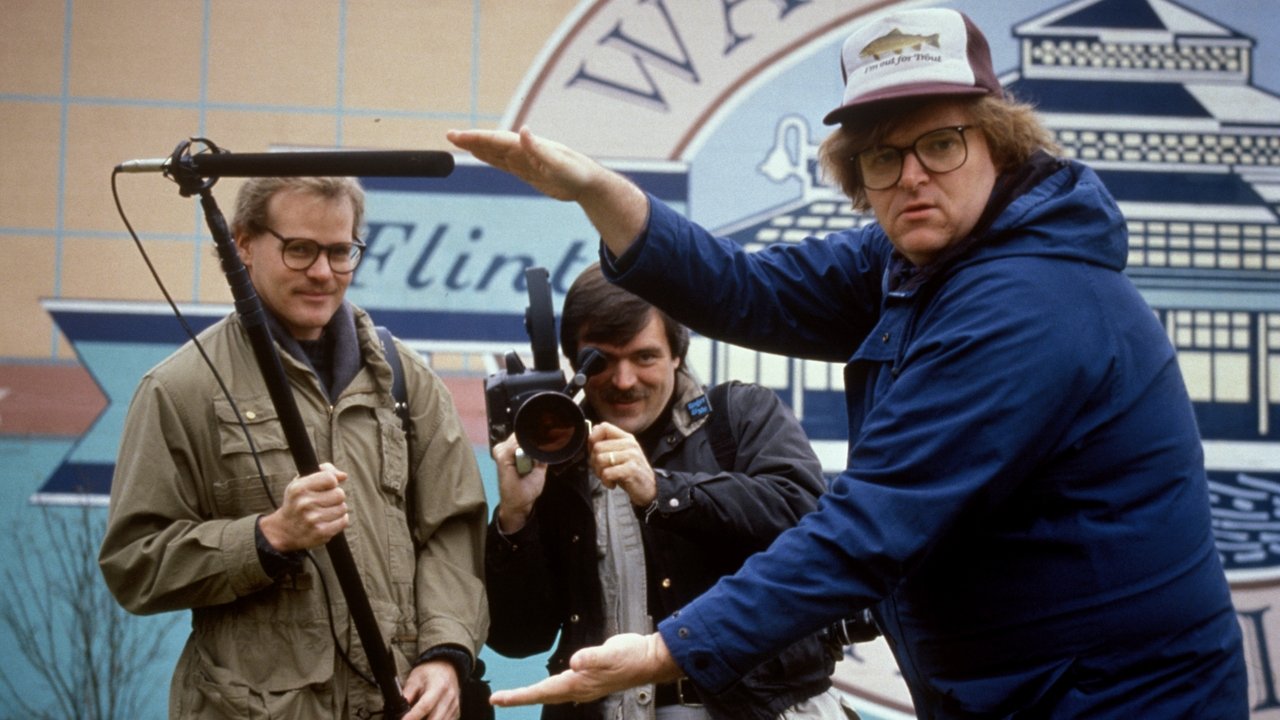
This wasn't your staid, objective documentary. Moore placed himself squarely in the centre, his voiceover guiding us, his interactions driving the narrative. It’s a performance, in its way – the slightly bumbling, persistent questioner chipping away at corporate indifference. His funding methods became legendary: reportedly selling his house, running lucrative bingo games, even suing a former associate. This scrappy, DIY approach permeates the film's aesthetic, lending it an underdog charm that resonated deeply. It felt like one of us was finally trying to hold them accountable, even if the attempt seemed doomed from the start.
But the film's true power lies not just in Moore's pursuit, but in the voices of Flint's residents. Their stories, captured with empathy and often painful honesty, are what linger. There’s the unforgettable Deputy Fred, whose job transitions from evicting families to working as a prison guard, overseeing many of the same people he once removed from their homes. His blunt assessment of the cyclical despair is chilling. And who could forget the woman raising rabbits for "Pets or Meat"? It's a moment of such bizarre, bleak pragmatism that it skirts the edge of exploitation, yet feels undeniably real – a microcosm of the desperate choices people were forced to make. These encounters feel authentic, capturing the resilience, the gallows humor, and the profound sense of loss that permeated the town.
### Behind the Curtain: Controversy and Craft
Of course, Roger & Me wasn't without its critics, even upon release. The most significant controversy surrounded Moore's manipulation of the film's timeline for dramatic effect – particularly juxtaposing festive events with the grim realities of unemployment and eviction. Does this fudging of chronology undermine the film's central argument? It's a question worth grappling with. For me, while acknowledging the ethical concerns, the film's emotional truth, its capturing of the feeling of Flint's decline, remains powerful. Moore wasn't just presenting facts; he was crafting a narrative, an argument, using the tools of filmmaking – editing, juxtaposition, music – to amplify his message. It was a style that blurred the lines, and arguably paved the way for a more subjective, personality-driven form of documentary filmmaking that remains prevalent today.
The film's exclusion from the Best Documentary Feature category at the Oscars also stirred debate, highlighting the Academy's unease with its unconventional, satirical approach. Yet, its impact was undeniable. Made for a shoestring budget (estimated around $160,000-$200,000), it became a surprise commercial success, grossing over $6.7 million domestically – a phenomenal return for a documentary in that era (that's roughly $16.3 million in today's money, from a sub-$400k investment). It proved documentaries could be commercially viable and fiercely entertaining, even while tackling difficult subjects.
### The Lingering Echo
Watching Roger & Me today, what strikes hardest is how depressingly relevant its themes remain. The questions it raises about corporate responsibility, the human cost of economic shifts, the widening gap between the powerful and the powerless – haven't these issues only intensified? Moore's tactics may be debated, but the plight of Flint, and countless towns like it, is undeniable. The film serves as a potent, often uncomfortable reminder of the fragility of prosperity and the real lives impacted by decisions made in distant boardrooms. It captured a specific moment of reckoning in the American Rust Belt, one whose echoes we still feel decades later.
Rating: 8/10
This rating reflects the film's groundbreaking impact, its raw emotional power, and its enduring relevance, balanced against the valid criticisms regarding its manipulation of chronology. It’s a vital piece of 80s filmmaking, flawed perhaps, but undeniably potent. It doesn't just document an economic tragedy; it forces you to feel it, leaving you with a knot in your stomach and questions that don't easily fade when the tape clicks off. It remains a landmark, a Molotov cocktail thrown from the ruins of the American Dream.