Okay, pull up a chair, maybe crack open something cold. Let's talk about a film that felt less like watching a movie and more like mainlining the sixties through a rock-and-roll rhapsody – Oliver Stone's The Doors (1991). Picking up that hefty double-VHS box from the rental store shelf felt like committing to something significant, didn't it? You knew this wasn't going to be a casual watch. It promised noise, chaos, poetry, and a deep dive into the myth of Jim Morrison, and boy, did it deliver on the intensity.

Riding the Serpent
Right from the swirling, psychedelic opening, Stone throws you headfirst into his vision of the late 60s crucible. This isn't a meticulous, step-by-step account; it's an impressionistic, often hallucinatory journey guided by the shamanistic figure at its center. Stone, never one for subtlety (think Platoon (1986) or JFK (1991)), treats Morrison's life less as biography and more as a Dionysian myth playing out against the backdrop of cultural upheaval. He embraces the "Lizard King" persona, sometimes, arguably, at the expense of the man, Jim. The film was famously controversial upon release, particularly among those who knew Morrison, including band members like Ray Manzarek (played with a thoughtful weariness by Kyle MacLachlan) who felt Stone amplified the darkness and ignored the humor and intellect. Manzarek, despite consulting, later voiced significant displeasure, feeling the portrayal was skewed towards Morrison the self-destructive icon rather than the complex artist he knew. Yet, isn't that often the challenge with figures who become larger than life? Separating the man from the myth becomes almost impossible, and Stone leans hard into the myth.
Kilmer IS Morrison: A Possession, Not a Performance
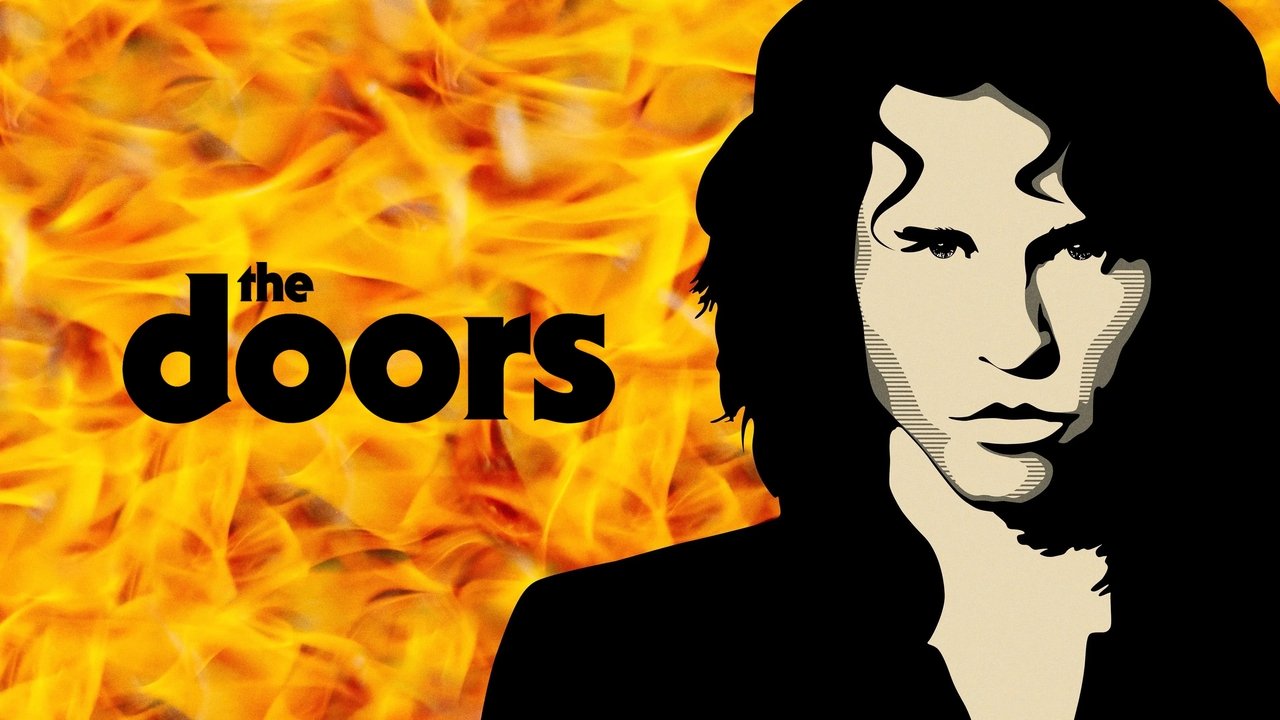
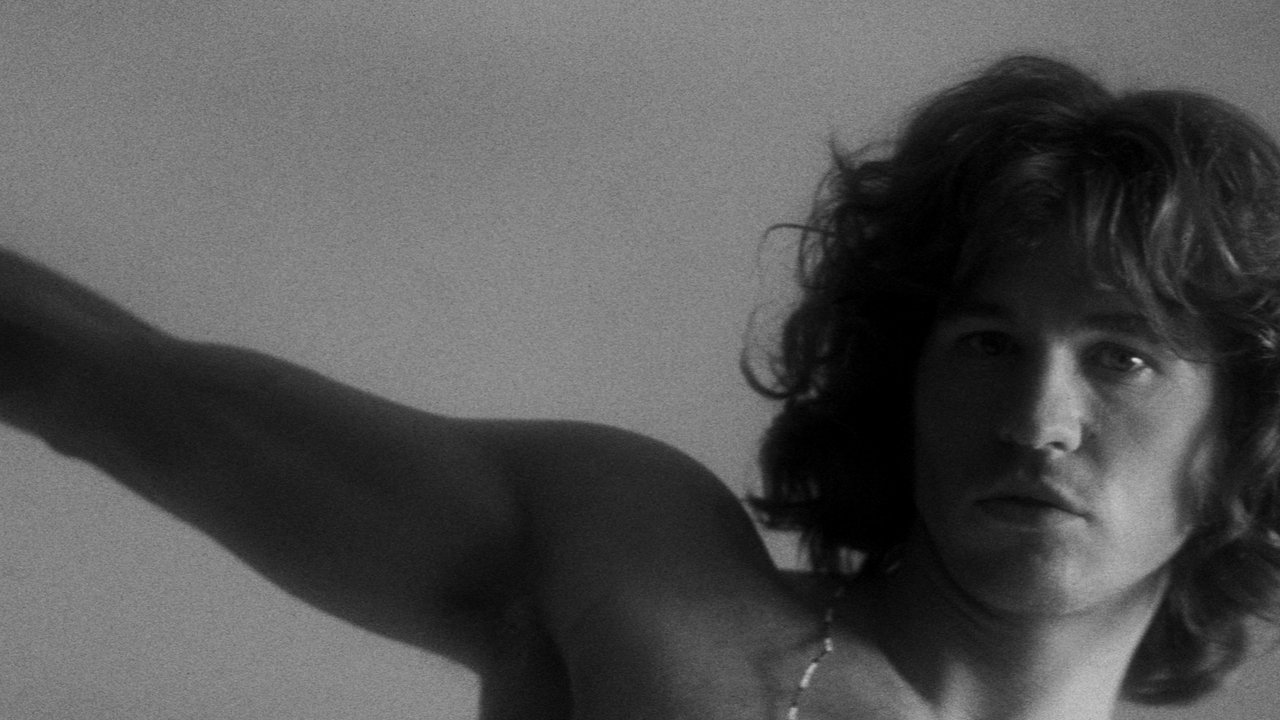
Let's be blunt: the gravitational center of this film, the reason it still crackles with energy decades later, is Val Kilmer. His portrayal of Jim Morrison isn't just acting; it borders on otherworldly channeling. Kilmer famously immersed himself in the role to an almost frightening degree. He learned over 50 Doors songs and performed them so convincingly that the actual surviving band members allegedly couldn't always tell his voice from Morrison's on playback. He spent a year living and breathing Morrison, absorbing his poetry, his movements, his very essence. The sheer dedication is palpable in every frame – the preening stage arrogance, the mumbled poetic insights, the vacant stares of profound intoxication. It’s a transformation so complete it's almost unsettling. There's a story that Kilmer sent Stone an early audition tape, a sort of music video of himself singing Doors tracks, which helped seal the deal after Stone's initial choice, Jason Patric, dropped out. The commitment reportedly took its toll, with Kilmer needing therapy to 'exorcise' Morrison after filming wrapped. It’s one of those legendary performances that defined an actor, making it almost impossible to see Kilmer without thinking, at least for a moment, of the Lizard King.
The Women Caught in the Storm
Orbiting Kilmer’s blinding sun are Pamela Courson, Morrison’s long-suffering "cosmic mate," played by Meg Ryan, and the Wiccan journalist Patricia Kennealy, portrayed by Kathleen Quinlan. Ryan, stepping dramatically away from her romantic comedy image (When Harry Met Sally... (1989)), brings a fragile, fraught energy to Pam. She’s the anchor trying to hold onto a hurricane, their relationship depicted as a tempestuous mix of passion and co-dependency. Quinlan embodies a different kind of intensity as Kennealy, representing a more intellectual, ritualistic connection Morrison explored. Kennealy-Morrison herself consulted on the film (and even has a cameo officiating her own wedding scene!) but, like Manzarek, later criticized the final product, feeling her role and relationship with Jim were minimized and distorted in favour of the Pam narrative. It highlights the inherent difficulty in capturing multifaceted real-life relationships within a film's constraints.
Stone's Psychedelic Canvas
Visually, The Doors is pure Oliver Stone, amplified by the brilliant cinematography of Robert Richardson. The concert sequences are electric, immersing you in the sweat, smoke, and raw energy of venues like the Whisky a Go Go (recreated meticulously in Los Angeles). Stone uses whip-pans, disorienting edits, and stark lighting changes to evoke the drug-fueled haze and psychological shifts Morrison experienced. The transitions between performance, desert visions, and intimate moments can feel jarring, but they effectively mirror the turbulent rhythm of Morrison's life and the era itself. The soundtrack, blending Kilmer's uncanny vocals with Morrison's originals, is practically another character, driving the narrative relentlessly forward. While the film cost a respectable $32 million, it only earned around $34.4 million domestically – its true legacy cemented through home video, where viewers could absorb (and re-absorb) its potent, sometimes overwhelming, cocktail of sound and image.
Legacy on Magnetic Tape
Watching The Doors on VHS felt fitting. There was something about the slightly degraded image quality, the whir of the tape, that seemed to mesh with the film's gritty, hallucinatory aesthetic. It wasn't pristine; it was raw, like the music, like the life it depicted. Did it get everything factually "right"? Almost certainly not. Stone himself admitted to compressing timelines and composite characters for dramatic effect. The infamous Miami concert scene, for instance, pushes the boundaries of documented events into the realm of rock and roll legend. But does it capture a feeling? Does it convey the intoxicating danger of superstardom, the allure of excess, and the tragic trajectory of a unique artistic voice? Absolutely. It sparked renewed interest in the band for a whole new generation, sending their albums back up the charts. It remains a fascinating, flawed, but undeniably powerful piece of filmmaking. What does linger more – the historical inaccuracies, or Kilmer’s mesmerizing embodiment of a rock god flying too close to the sun?
---
Rating: 8/10
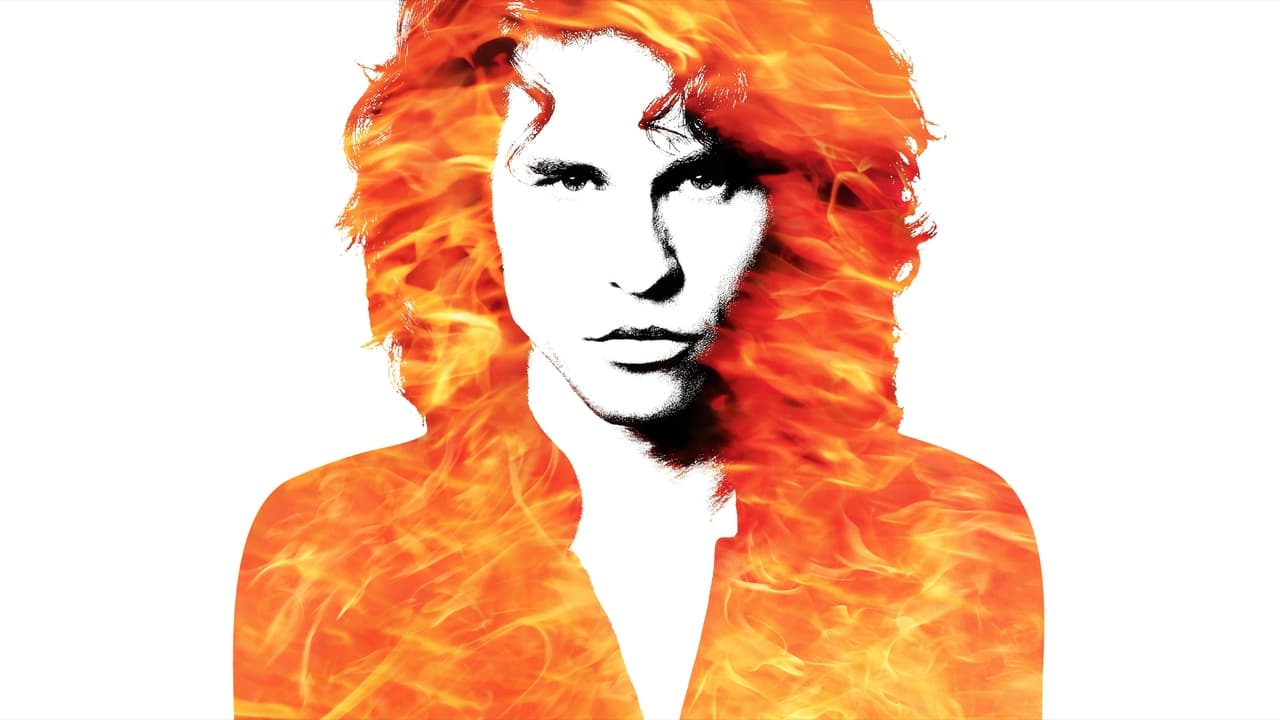
The Doors isn't a perfect biopic by historical standards, and Stone's heavy hand shapes the narrative into a specific, often dark, mythic structure. However, as a cinematic experience, it's a staggering achievement. Val Kilmer's monumental performance is legendary for a reason, capturing the charisma and chaos of Morrison with unnerving accuracy. Combined with Stone's visceral direction and the timeless power of the music, it creates an immersive, unforgettable, and often overwhelming journey into the heart of rock and roll excess. It's a film that feels ripped from the very fabric of the era it portrays, flaws and all, earning its place as a standout – if controversial – artifact of the VHS glory days.
Final Thought: Does the legend ultimately consume the man, both in life and on film? The Doors forces you to ponder that question long after the feedback fades.