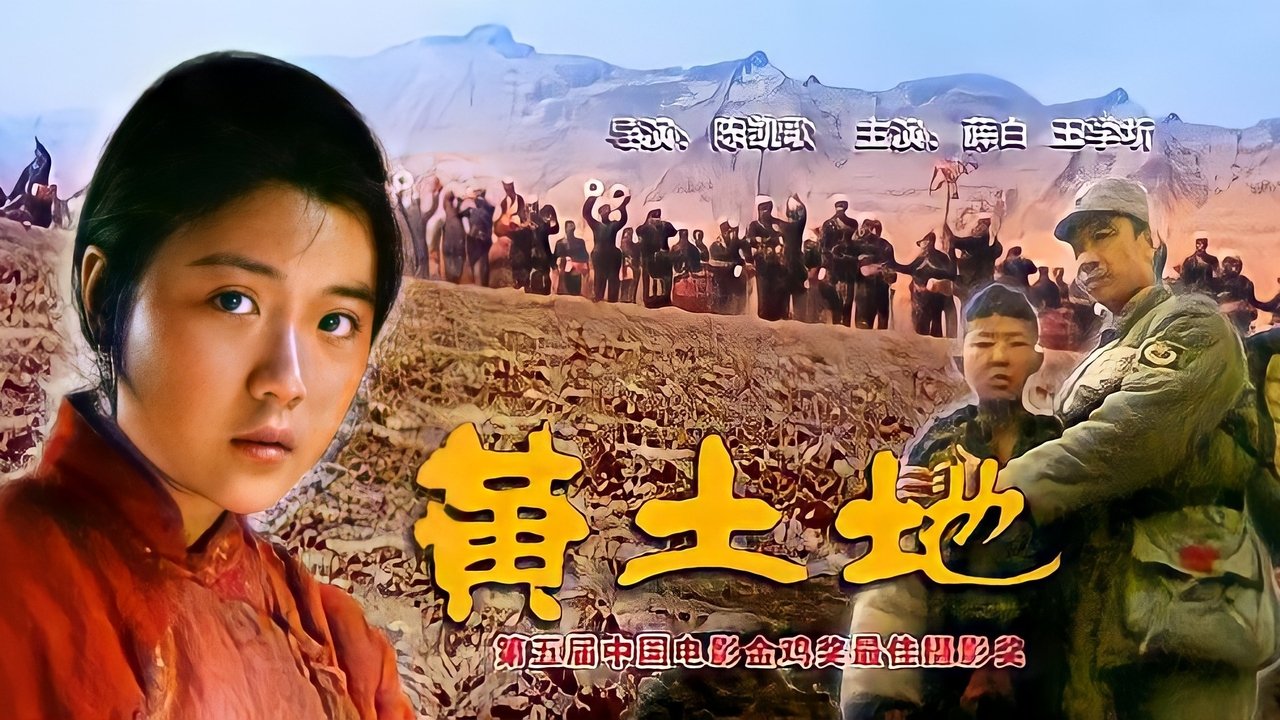
It wasn't your typical Friday night rental, nestled between the action flicks and neon-drenched comedies that usually populated the shelves of my local video store. But sometimes, a cover, stark and evocative, just pulls you in. That’s how I first encountered Chen Kaige's Yellow Earth (Huang Tu Di), a film that arrived like a quiet revelation in 1984, offering a cinematic language utterly distinct from anything else vying for VCR time back then. It wasn't loud, it wasn't fast, but its power? Undeniable and enduring.
### A Landscape That Breathes History
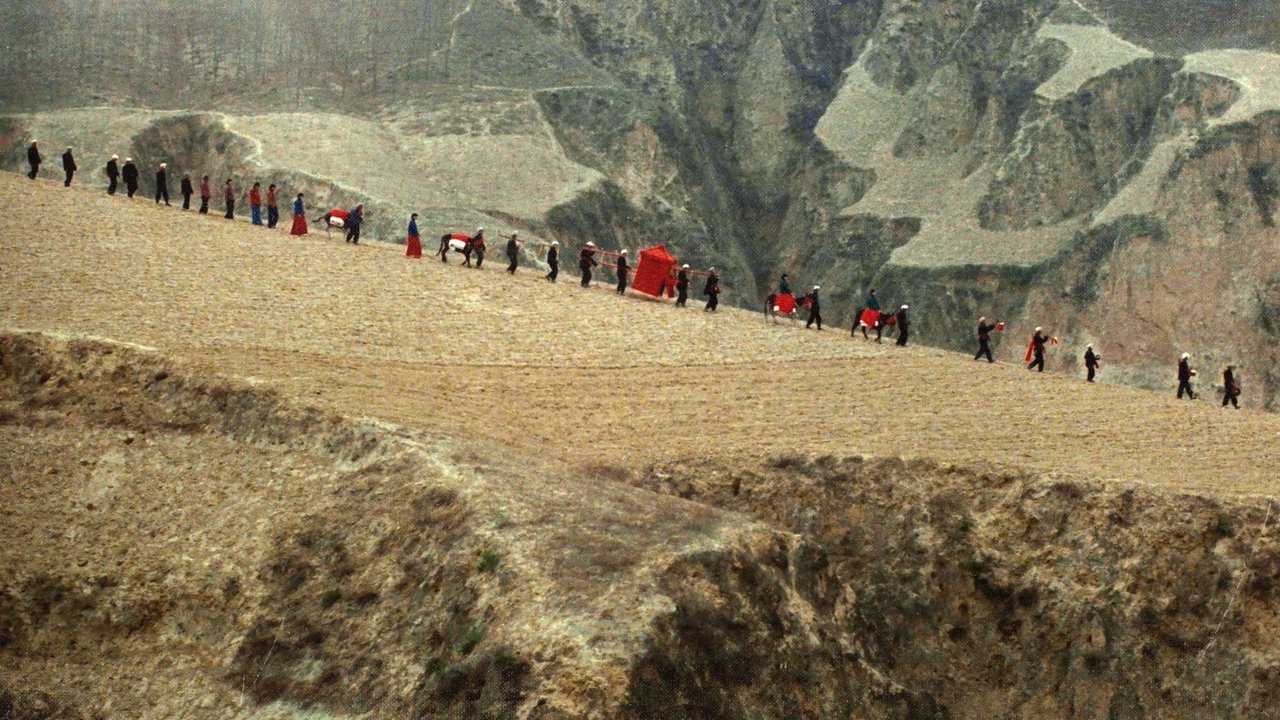
The first thing that strikes you, perhaps even before the sparse narrative unfolds, is the land itself. Cinematographer Zhang Yimou (yes, that Zhang Yimou, later director of masterpieces like Raise the Red Lantern and Hero, here making his astonishing debut behind the camera) doesn't just film the loess plateau of Shaanxi province; he renders it as a character. The vast, undulating expanses of yellow soil seem to stretch into eternity, swallowing the tiny human figures that toil upon them. It's a landscape simultaneously beautiful and brutal, a visual metaphor for the crushing weight of tradition and poverty that defines the lives within it. You feel the dust, the heat, the immense scale of nature dwarfing human aspiration. This wasn't just set dressing; it felt like the soul of the film made visible.
### Whispers of Change in Ancient Soil

The story itself is deceptively simple. In 1939, Gu Qing (Wang Xueqi), a soldier from the Communist Eighth Route Army, arrives in a remote, impoverished village. His mission is to collect folk songs, hoping to find revolutionary spirit within these ancient melodies. He stays with a poor family, including the stoic widower father (Tan Tuo) and his young daughter, Cuiqiao (Xue Bai). Cuiqiao, barely a teenager, possesses a haunting singing voice and a quiet yearning for escape from the predetermined path laid out for her – an arranged marriage to a much older man. Gu Qing represents an outside world, a possibility of change, subtly planting seeds of hope for a different future, particularly in Cuiqiao's mind.
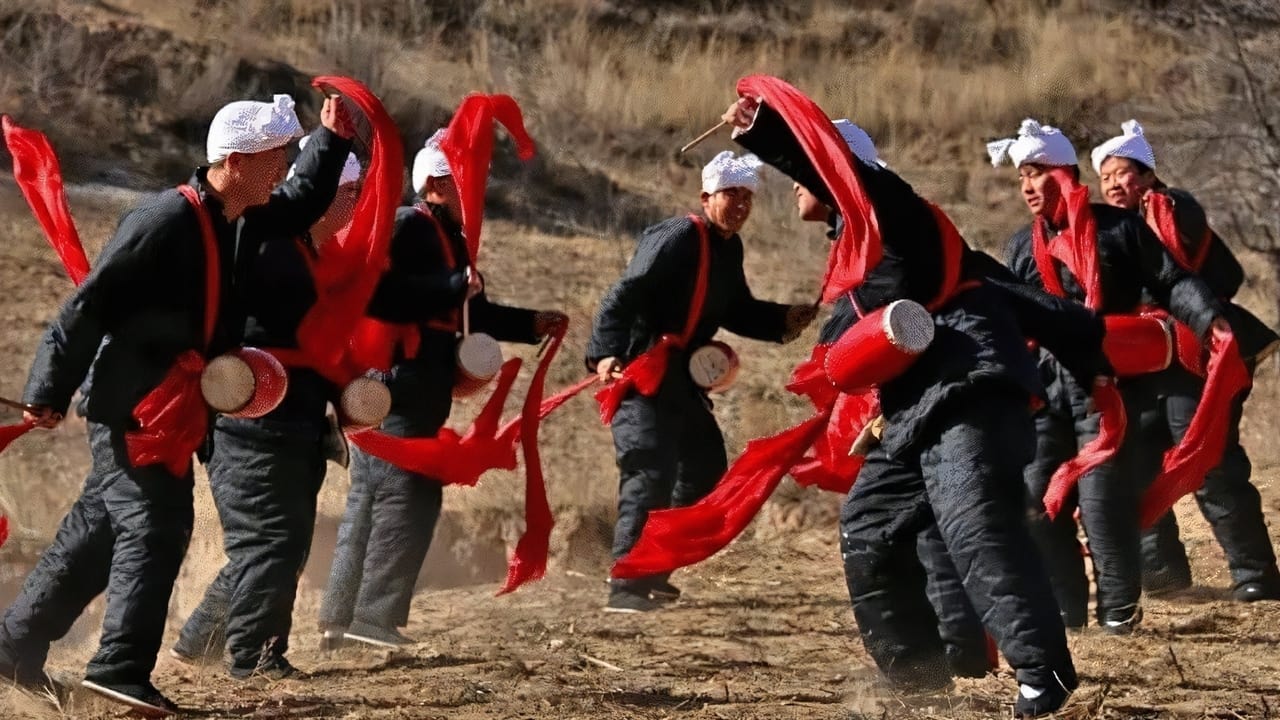
There’s little overt drama in the conventional sense. The film unfolds through observation, through beautifully composed tableaux that speak volumes about the villagers' lives, their rituals (like the powerful drumming sequences or the desperate rain-making ceremony), and their deep connection to – and struggle against – the earth. It was a radical departure for Chinese cinema at the time, signalling the arrival of the "Fifth Generation" of filmmakers (Chen Kaige and Zhang Yimou being key figures) who favoured visual poetry and oblique commentary over the more didactic styles previously common. Reportedly, the film faced some initial hurdles with censors in China due to its perceived ambiguity and focus on poverty, but its impact internationally, winning awards at festivals like Locarno, was undeniable.
### Performances Etched in Silence
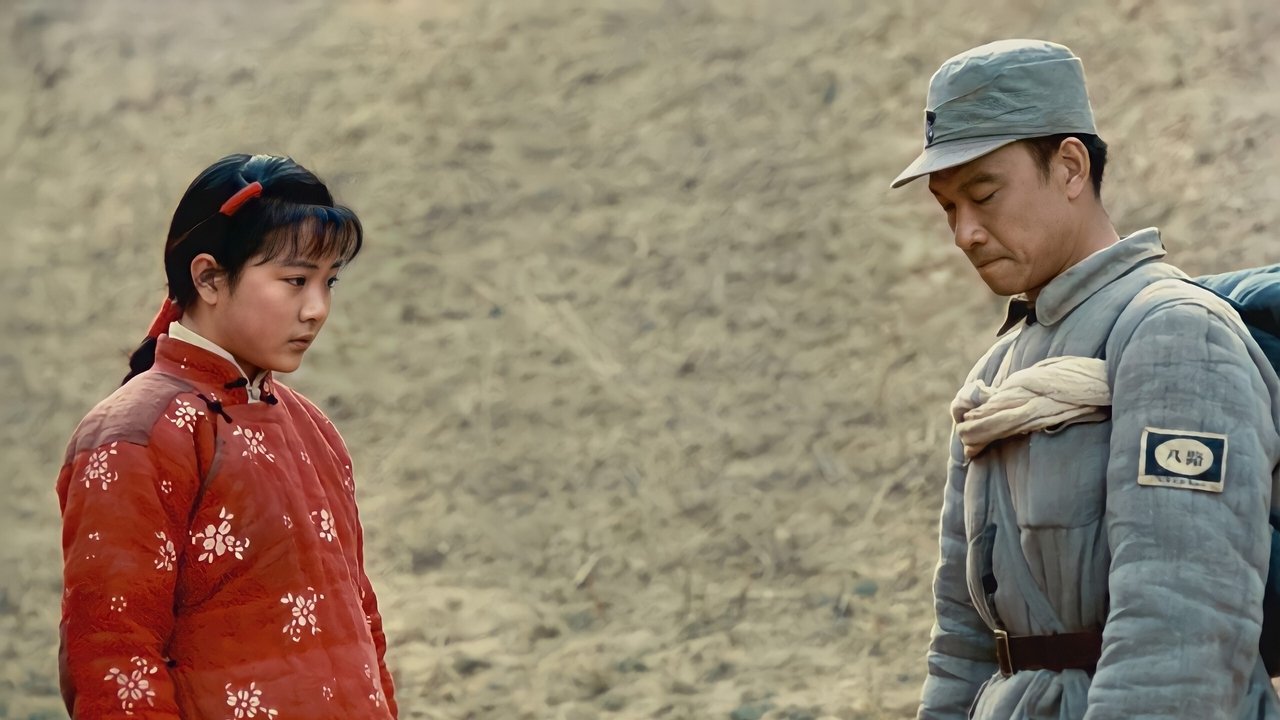
The performances are remarkable for their restraint. Wang Xueqi, in one of his earliest major roles, embodies Gu Qing with a quiet dignity and subtle curiosity. He is the outsider, observing, recording, yet careful not to disrupt too much. But it’s Xue Bai as Cuiqiao who truly anchors the film's emotional core. Her face, often framed against the immense landscape, conveys a universe of unspoken longing, resilience, and burgeoning hope crushed by circumstance. Her singing voice, raw and untrained, carries the weight of generations, yet hints at a personal desire for freedom. It's a performance of profound naturalism, heartbreaking in its simplicity. There's a scene where she sings directly to Gu Qing, a plea disguised as a folk song, that remains incredibly potent.
### The Enduring Echo
Yellow Earth isn't a film you watch for plot twists or easy resolutions. It's an immersive experience, a meditation on culture, tradition, poverty, and the faint, almost fragile possibility of change. It asks profound questions: Can art truly inspire revolution? Can one person escape the destiny seemingly written into the very soil they walk upon? What lingers is the stark beauty of the imagery, the haunting melodies of the folk songs, and the quiet tragedy of Cuiqiao's fate. It’s a film that uses the specific context of 1930s rural China to touch upon universal human struggles.
Finding this on VHS felt like unearthing a treasure, a window into a different world and a different way of telling stories. It was a reminder that cinema could be more than just entertainment; it could be art that challenges, moves, and stays with you long after the tape spooled back to the beginning. It wasn't just a film; it felt like witnessing the birth of a new cinematic voice.
Rating: 9/10
Justification: A landmark film whose breathtaking cinematography, restrained yet powerful performances, and profound thematic depth mark it as a masterpiece of the Fifth Generation. Its visual poetry and poignant exploration of tradition vs. change are unforgettable. The pacing is deliberate, which might test some viewers, but the artistic achievement is undeniable.
Final Thought: Decades later, the dust of the Yellow Earth hasn't settled; its stark beauty and quiet questions about hope and hardship still resonate with profound power.