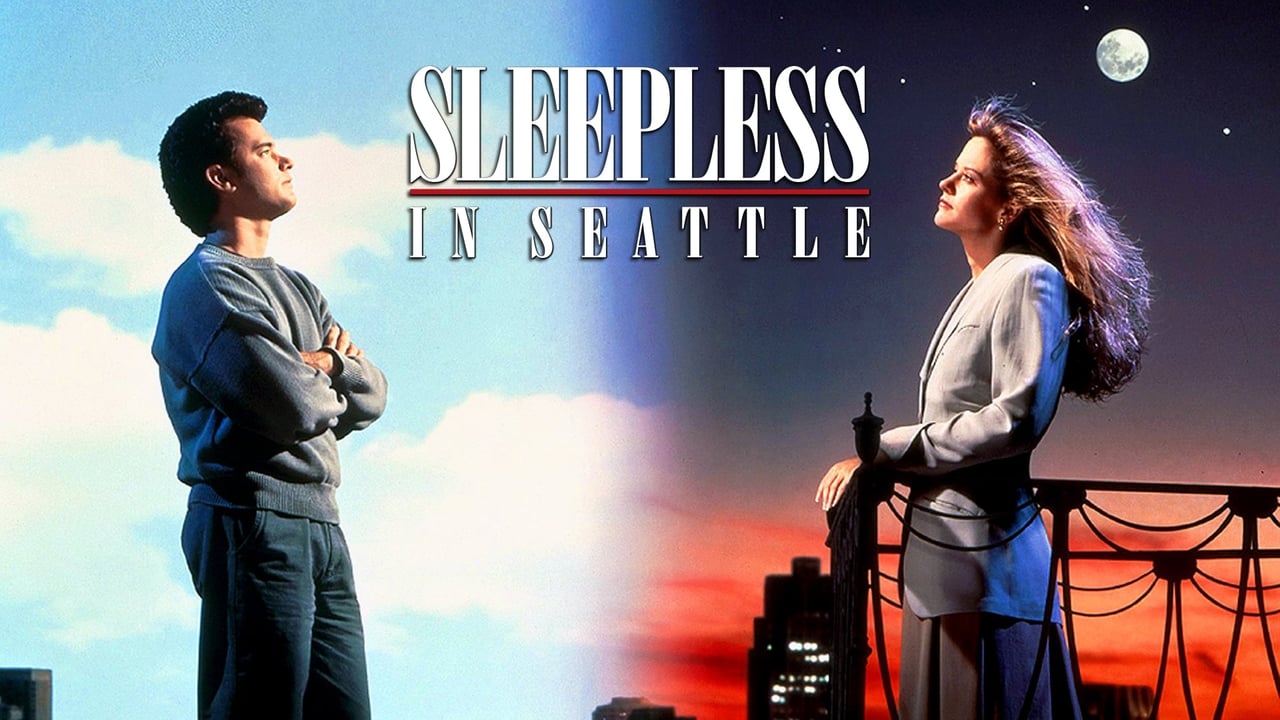
Okay, settle in, maybe grab a cup of coffee – or perhaps something stronger if you’re recalling the emotional rollercoaster of 90s dating – because we're rewinding the tape to 1993 and Nora Ephron’s utterly charming ode to fate, destiny, and finding love across the airwaves: Sleepless in Seattle. How many films manage to build an entire romance around two people who barely share a frame until the final moments? It's a high-wire act, one that could easily have fallen flat, yet somehow, it soared.
### More Than Just a Feeling
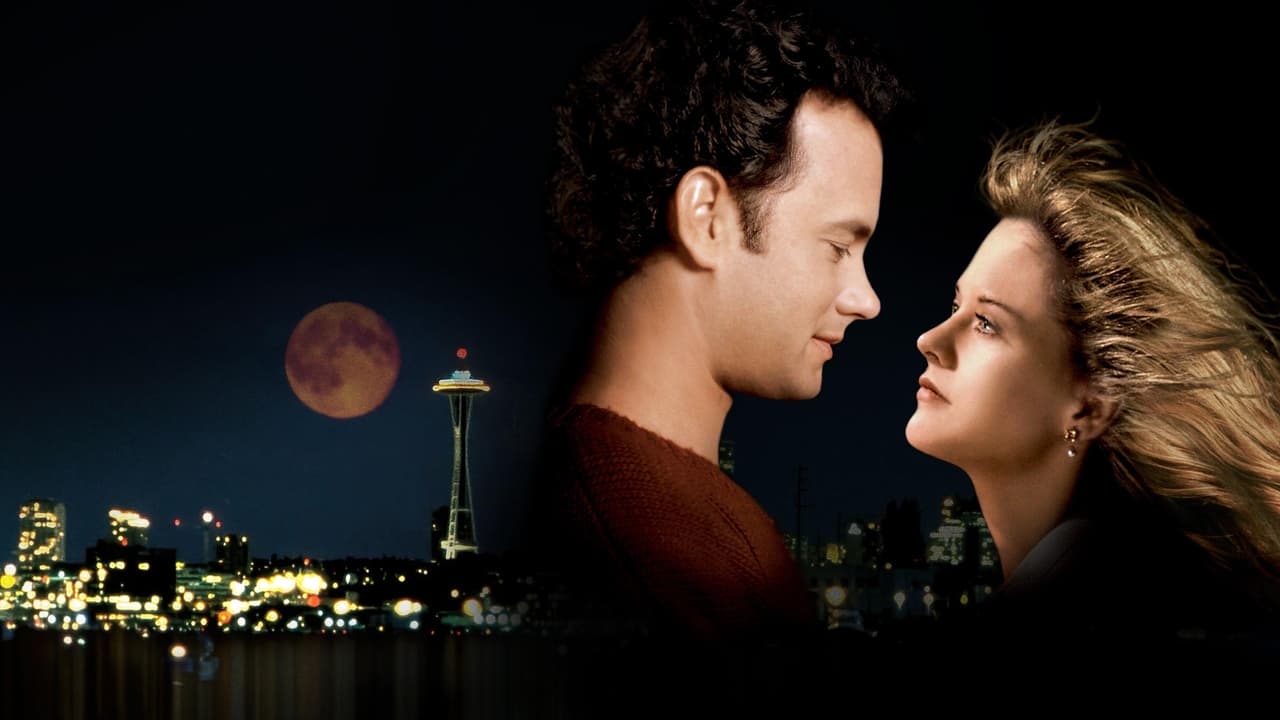
What strikes me most, revisiting Sleepless in Seattle now, isn't just the warmth or the witty dialogue Ephron was so masterful at crafting, but its almost radical vulnerability. It opens with grief, raw and palpable, as Sam Baldwin (Tom Hanks, fresh off A League of Their Own and cementing his everyman superstardom) relocates to rainy Seattle with his young son, Jonah (Ross Malinger), after the death of his wife. That initial phone call Jonah makes to a national radio talk show, describing his dad's loneliness, isn't just a plot device; it's a cry from the heart that resonates across the country, particularly with Annie Reed (Meg Ryan, arguably at the peak of her America's Sweetheart era), a Baltimore journalist engaged to the perfectly nice, if slightly allergic, Walter (Bill Pullman).
The film hinges on this audacious premise: Annie falls not for Sam himself, initially, but for the idea of him, for the tender sadness in his voice mediated through radio waves and amplified by her own dissatisfaction with a safe, predictable future. It’s a concept deeply rooted in a pre-internet age, where voices carried mystery and imagination filled the vast geographical and emotional distances.
### Ephron's Masterful Weave
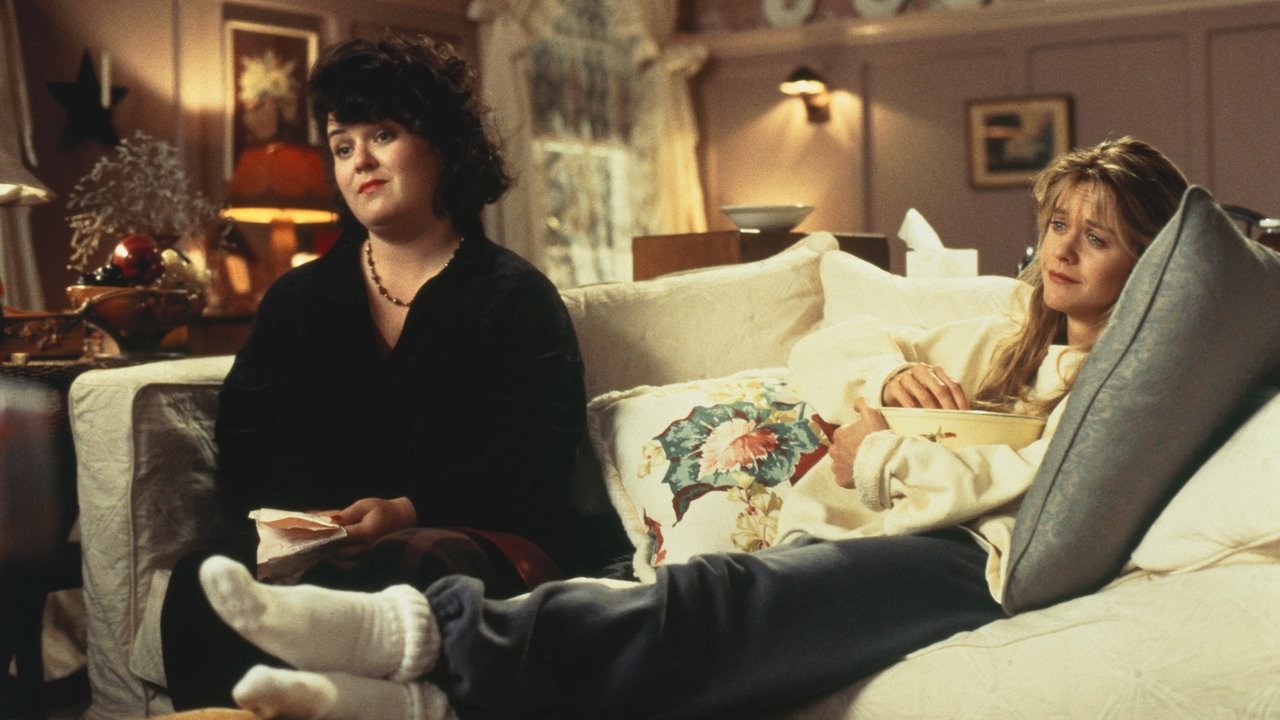
Nora Ephron, who directed and co-wrote the screenplay (with David S. Ward and Jeff Arch, based on Arch's original story), performs cinematic alchemy here. She deftly balances the poignant melancholy of Sam's situation with the sharp, observational humor provided by characters like Annie's pragmatic editor Becky (Rosie O'Donnell, delivering some of the film's best lines). Think about the structural challenge: keeping two separate storylines engaging while building anticipation for an encounter that feels both inevitable and utterly improbable. Ephron uses cross-cutting, shared thematic elements (like the constant referencing of the 1957 classic An Affair to Remember), and that wonderful, Jimmy Durante-heavy soundtrack to bridge the gap, creating a sense of connection even when the leads are thousands of miles apart.
It's a testament to Ephron's skill and confidence that she committed so fully to this separation. Apparently, Hanks and Ryan only spent about two weeks filming together. Their chemistry, therefore, relies less on shared screen time and more on the palpable longing each actor brings to their role.
### Performances That Resonate
Tom Hanks as Sam is pitch-perfect. He conveys deep sorrow without wallowing, his inherent decency shining through the sadness. We believe in his loss, making his eventual tentative steps toward hope feel earned. There's a quiet authenticity to his portrayal; remember that scene where he imagines a conversation with his late wife? It’s heartbreakingly real. Funnily enough, Hanks reportedly ad-libbed the moment where Sam tearfully describes The Dirty Dozen, a touch of unexpected levity that only makes the character feel more human.
Meg Ryan’s Annie is equally crucial. She has the harder task, in some ways – falling for a voice and a story, questioning her life choices based on a feeling. Ryan sells Annie's romanticism and her internal conflict with effervescent charm and relatable vulnerability. She makes us believe that someone would fly across the country based on such a fragile premise. And let's not forget Bill Pullman as Walter; he’s not a villain, just the perfectly decent guy who represents the safe choice, making Annie’s dilemma more complex. His litany of allergies remains one of the film's subtle comedic highlights.
### Behind the Magic & Rainy Days
The film’s success wasn't a foregone conclusion. Made on a relatively modest budget of around $21 million, its subsequent box office haul of nearly $230 million worldwide (that's close to half a billion in today's money!) cemented it as a cultural phenomenon. It wasn't just a hit; it was the date movie of '93, the one everyone was talking about. While Hanks and Ryan were the obvious choices for many, Ephron initially considered other pairings, with names like Dennis Quaid and even Julia Roberts floated early on. It’s hard now to imagine anyone else embodying Sam and Annie quite so perfectly.
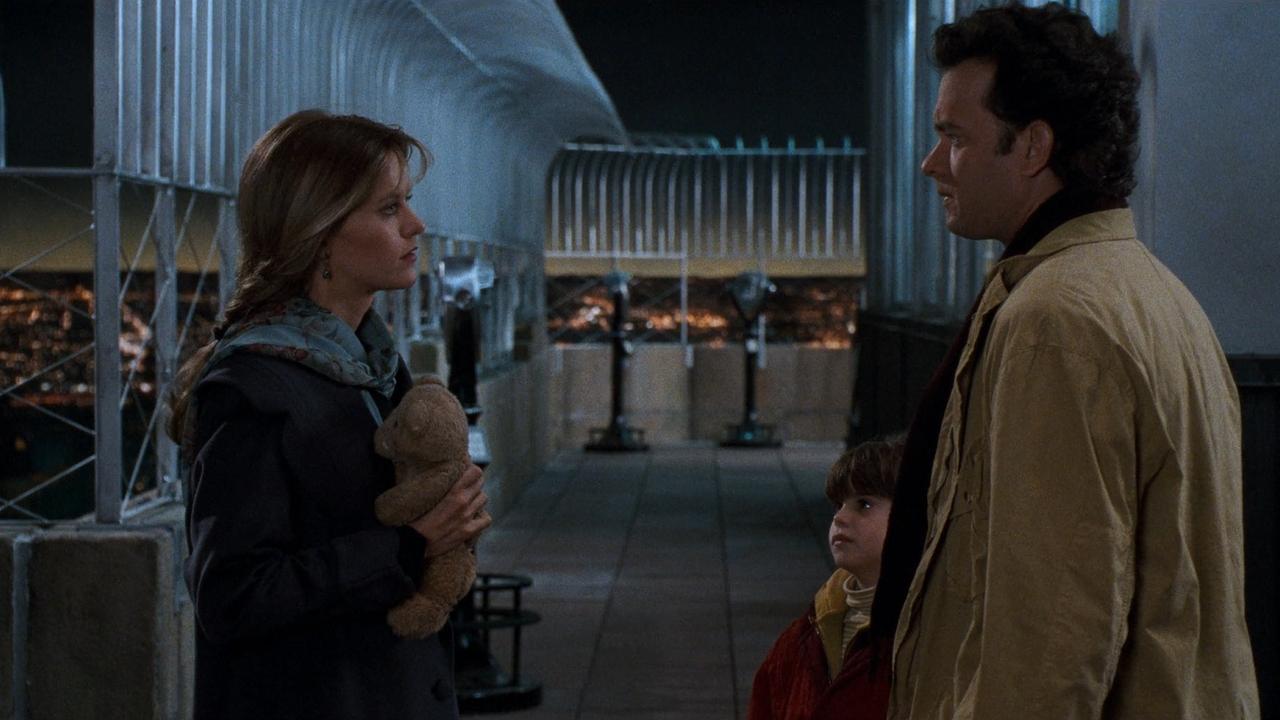
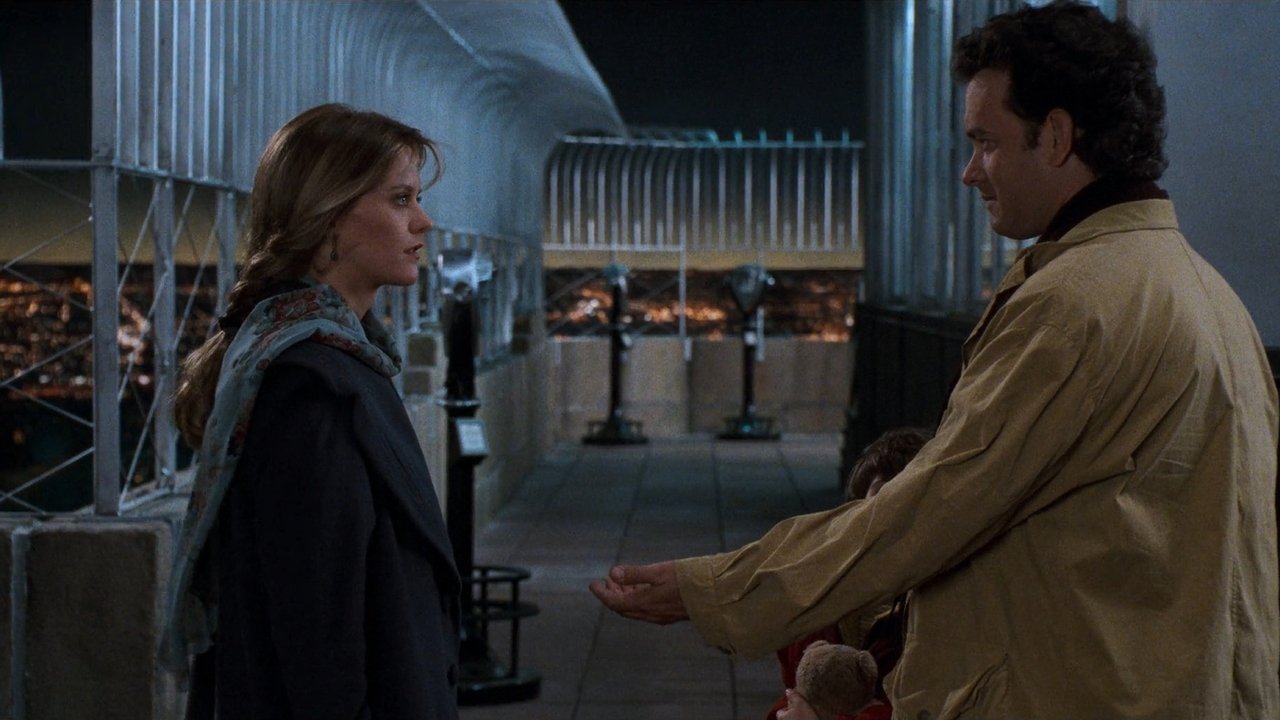
The film also revitalized interest in its key inspiration, An Affair to Remember, introducing a whole new generation to the tear-jerking classic. The use of iconic locations, from the Seattle houseboats to the unavoidable romance of the Empire State Building’s observation deck, added to the film’s fairy-tale quality, grounding the improbable romance in tangible places. This careful blend of realism and unabashed romanticism is key to its enduring appeal. Even the slightly dated early 90s fashion and tech now just add to the cozy, nostalgic feel when watching it on a well-loved VHS tape. I distinctly remember the distinctive Columbia TriStar Home Video clamshell case being a permanent fixture near our VCR for a good part of the mid-90s.
### Does Destiny Still Dial In?
Sleepless in Seattle poses questions about fate, serendipity, and the courage it takes to pursue a connection that defies logic. Does "magic" exist in finding love, or is it about recognizing potential and taking a leap of faith? Watching it today, in our hyper-connected yet arguably more disconnected world, the film's central conceit feels both quaint and powerfully resonant. That yearning for a connection that feels meant to be hasn't faded, even if the delivery method has changed from radio waves to dating apps. It reminds us of a time when distance felt vast and discovery felt genuinely surprising.
Its success paved the way for Hanks, Ryan, and Ephron to reunite for another beloved rom-com, You've Got Mail (1998), which updated the theme for the dial-up era. But Sleepless retains a unique, almost ethereal charm.
Rating: 9/10
This rating reflects the film's masterful execution of a challenging premise, Nora Ephron's sharp and witty script, the perfectly pitched performances from Tom Hanks and Meg Ryan (even mostly apart), and its undeniable cultural impact. It overcomes potential saccharine pitfalls with genuine heart, humor, and a core of relatable vulnerability. It's a near-perfect example of the 90s romantic comedy, capturing a specific blend of hope, melancholy, and witty optimism that feels both of its time and timeless.
Sleepless in Seattle remains a luminous reminder that sometimes, the most profound connections happen in the most unexpected ways, maybe even sparked by a voice carried on the night air. It’s pure comfort cinema, a film that feels like coming home, even if home is waiting atop the Empire State Building.