Picture this: a dimly lit room, the glow of a CRT television casting long shadows, and the satisfying clunk of a VHS tape sliding into the VCR. Sometimes, the tape you picked wasn't the blockbuster everyone was talking about, but something a little quieter, a little quirkier. Maybe it was a film like 1984's No Small Affair, a movie that felt both earnest and slightly unusual, featuring two faces on the cusp of becoming incredibly familiar. It wasn't trying to be the biggest film of the year, but it possessed a certain charm, a snapshot of youthful ambition and improbable romance that felt very specific to its time.
### An Unexpected Snapshot
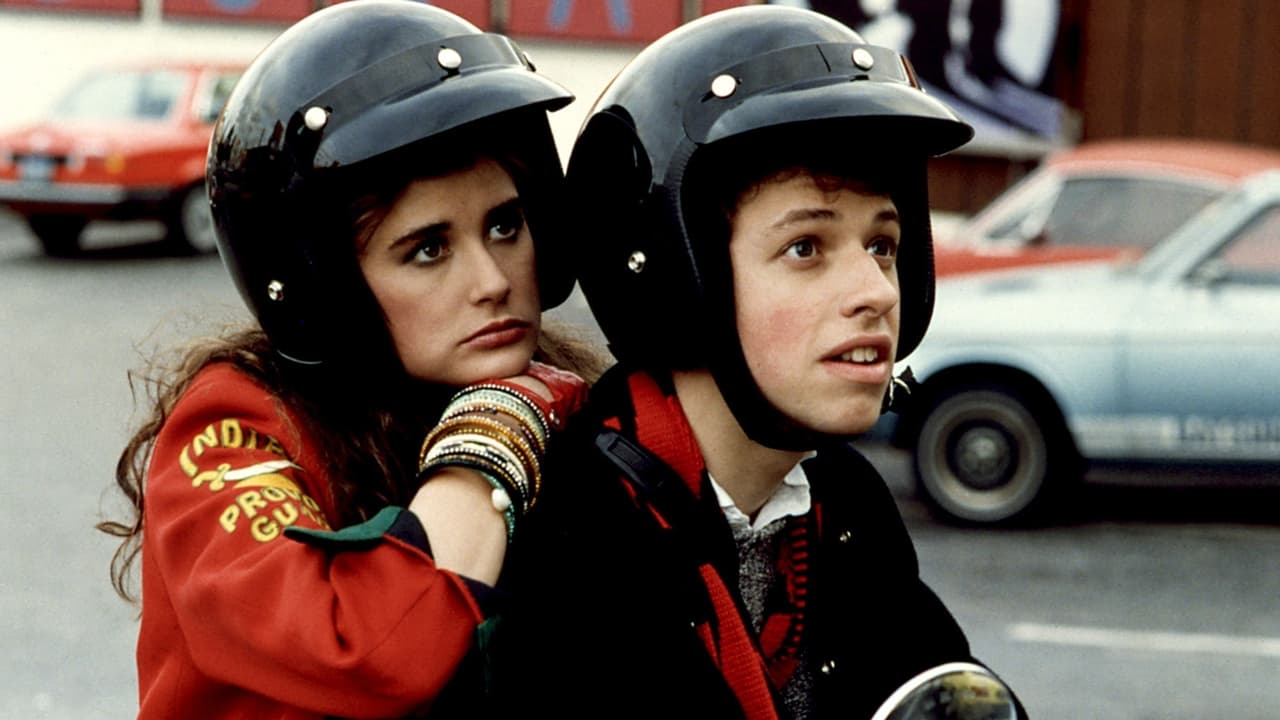
At its heart, No Small Affair tells the story of Charles Cummings (Jon Cryer), a gangly, endearing 16-year-old photography enthusiast who, through a chance encounter (and his trusty camera), becomes utterly smitten with Laura Victor (Demi Moore), a 23-year-old aspiring rock singer working lounges. Charles, brimming with the kind of focused intensity only a teenager can muster, decides Laura is destined for stardom and makes it his mission to help her achieve it, starting with some promotional photos. It's a premise that feels distinctly mid-80s – a blend of coming-of-age awkwardness and a slightly starry-eyed view of making it big. Helming this rather intimate story was Jerry Schatzberg, a director perhaps better known for gritty dramas like The Panic in Needle Park (1971) or the Gene Hackman/Al Pacino road movie Scarecrow (1973), making this foray into romantic dramedy feel like an interesting detour.
### Fresh Faces, Familiar Feelings
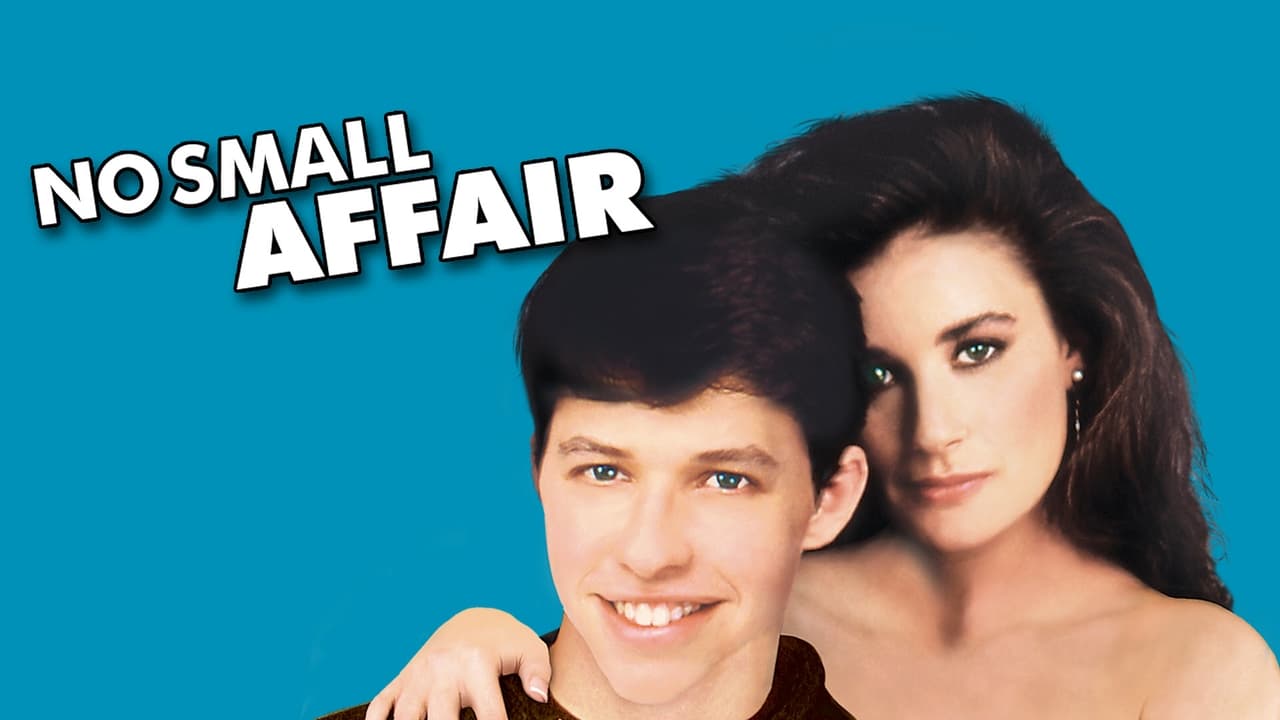
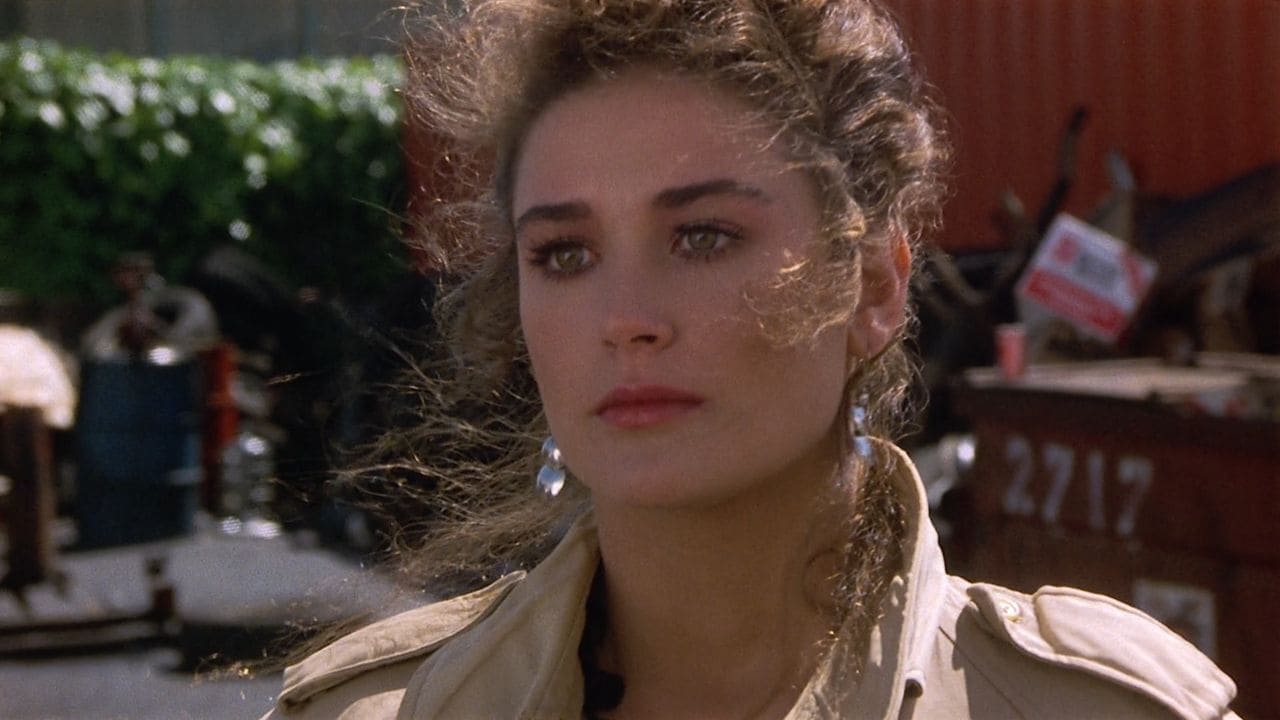
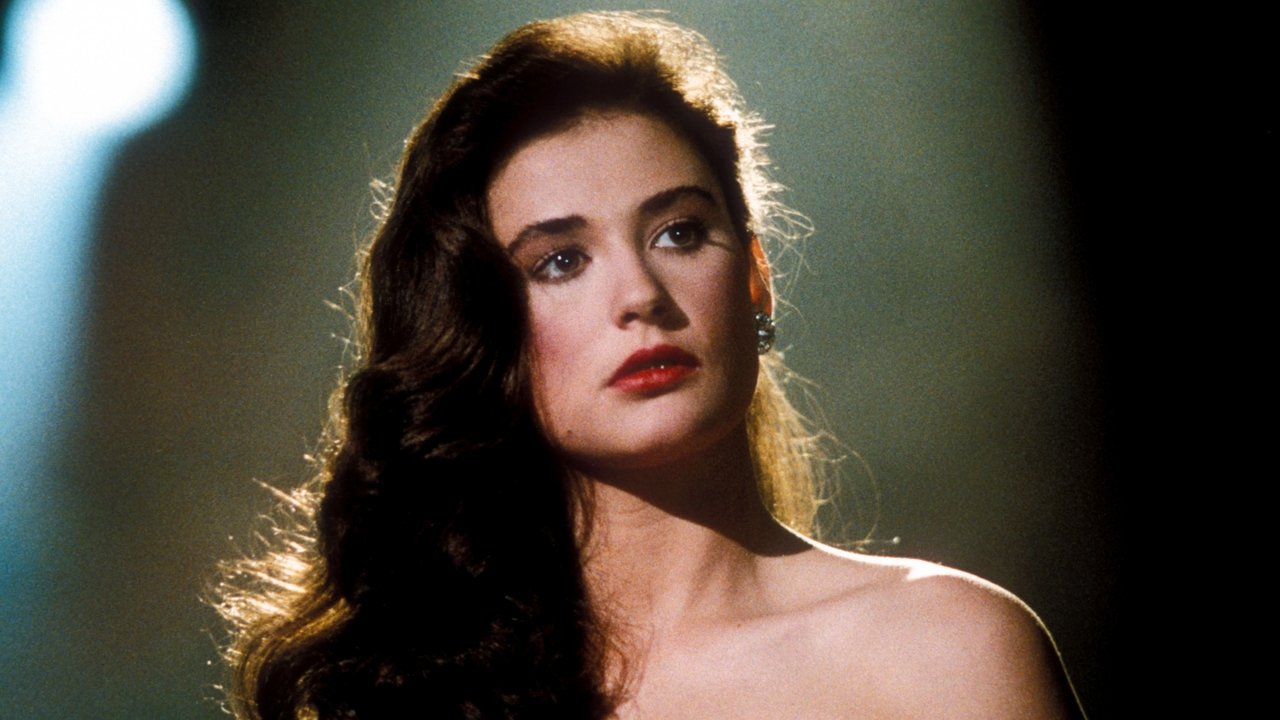
What really makes No Small Affair stick in the memory, however faint, are its leads. This was Jon Cryer's very first feature film role, landing two years before his iconic turn as Duckie in Pretty in Pink (1986). You can see the seeds of that lovable awkwardness here; Cryer perfectly embodies Charles's mix of naivete, artistic passion, and hormonal overdrive. He’s instantly relatable as the kid who pours all his energy into a singular, perhaps slightly misguided, focus. Opposite him, Demi Moore, already with a few credits like Blame It on Rio (1984) under her belt but pre-St. Elmo's Fire (1985) fame, radiates a world-weary charisma. She gives Laura a vulnerability beneath the tough-girl singer exterior, making her more than just the object of Charles's affection. There's a genuine, albeit complicated, chemistry between them, navigating the tricky terrain of their age difference and differing life experiences. And let's not forget a welcome appearance by George Wendt, fresh off Cheers fame, adding his reliable presence in a supporting role.
### Retro Fun Facts: A Long and Winding Road to Production
Pulling back the curtain on No Small Affair reveals a surprisingly long development history, adding another layer to its story. Believe it or not, the project originated way back in 1979, initially conceived for much older leads! The legendary Sally Field was attached to star at one point, with acclaimed directors like Martin Ritt (Norma Rae) and later Mark Rydell (On Golden Pond) circling the project. Imagine that version! Eventually, the script, penned by Terence Mulcahy and later revised by Craig Bolotin, was retooled for younger actors, paving the way for Cryer and Moore. This transformation likely shifted the film's tone significantly, turning it from a potentially heavier adult drama into the teen-centric story we know. Despite the fresh faces, the film didn't exactly set the box office ablaze, earning a modest $5 million or so. It wasn't a smash hit, destined instead to become one of those intriguing discoveries tucked away on the video store shelves.
### Navigating the Age Gap
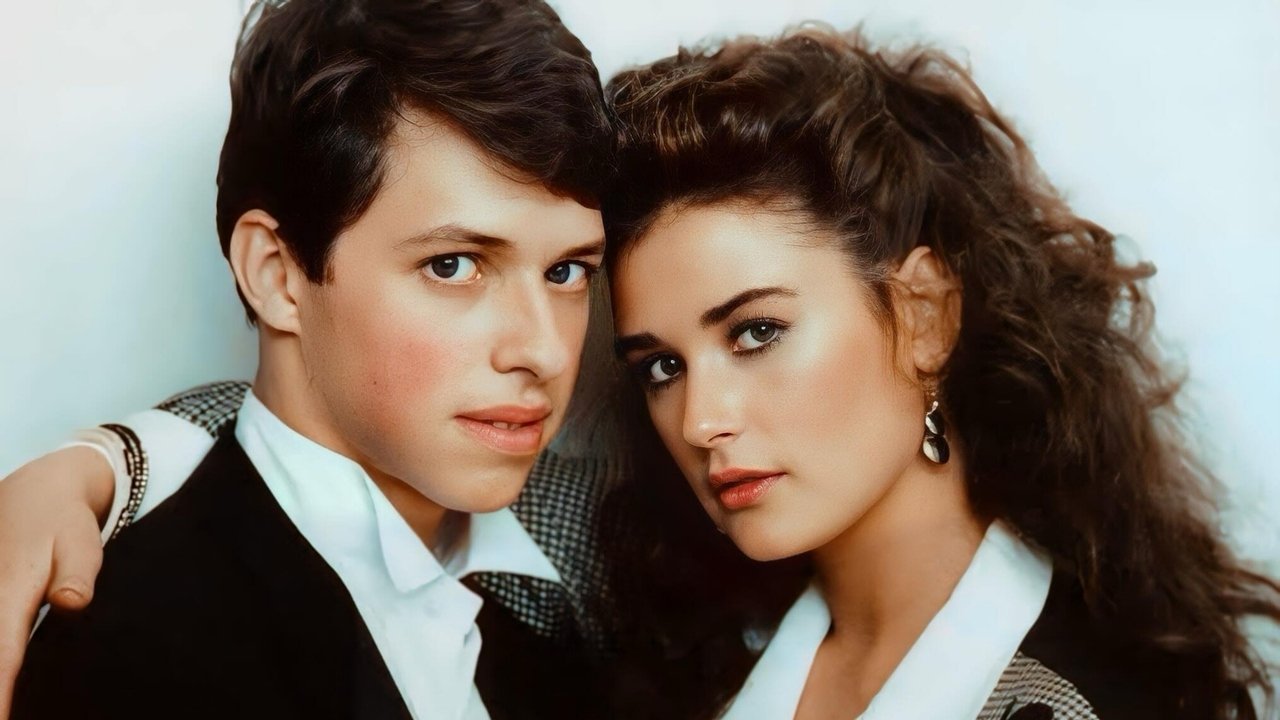
Watching No Small Affair today, the central relationship – a 16-year-old pursuing a 23-year-old – naturally invites a different kind of scrutiny than it might have in 1984. The film handles it with a degree of earnestness, focusing more on Charles's coming-of-age journey and Laura's artistic struggles than on exploiting the situation. It feels less like a deliberate provocation and more like a reflection of a certain kind of narrative common in the era, exploring themes of first love, idealized infatuation, and the sometimes blurry lines crossed when navigating adulthood. Does it feel a little uncomfortable through a modern lens? Perhaps for some viewers. But within the film's own context, it plays out more as a sweet, slightly melancholic tale of connection across an experience gap, anchored by the sincerity of its lead performances.
### A Quiet Charmer Worth Remembering?
So, does No Small Affair hold up? It's definitely a product of its time, capturing that specific mid-80s aesthetic and sensibility. The plot isn't revolutionary, and some elements might feel dated. But there's an undeniable warmth and sincerity to it. Cryer's debut is a joy to watch, Moore shows early signs of the star power she'd soon command, and the film tells its quirky little story with heart. It’s not aiming for epic, just a heartfelt character piece with a touch of romantic yearning and artistic ambition. For fans of the era, or those curious about the early work of its stars, it offers a genuinely pleasant, if low-key, trip back in time. It’s the kind of movie that reminds you that not every VHS gem needed explosions or high-concept hooks; sometimes, a simple story, earnestly told, was enough.
VHS Heaven Rating: 6/10
Justification: The rating reflects the film's genuine charm, the appealing early performances from Jon Cryer and Demi Moore, and its interesting production history. It earns points for its earnestness and as a pleasant time capsule. However, it's held back slightly by a somewhat thin plot, pacing that occasionally drags, and a central premise that, while handled gently, might feel awkward to contemporary audiences. It's not a masterpiece, but it's a perfectly watchable and often endearing slice of 80s romantic drama.
Final Thought: No Small Affair might not have been a blockbuster, but like a cherished photograph developed in a home darkroom, it captures a specific, slightly faded moment in time with surprising heart – a quiet reminder of burgeoning talent and the earnest, sometimes awkward, quests of youth.