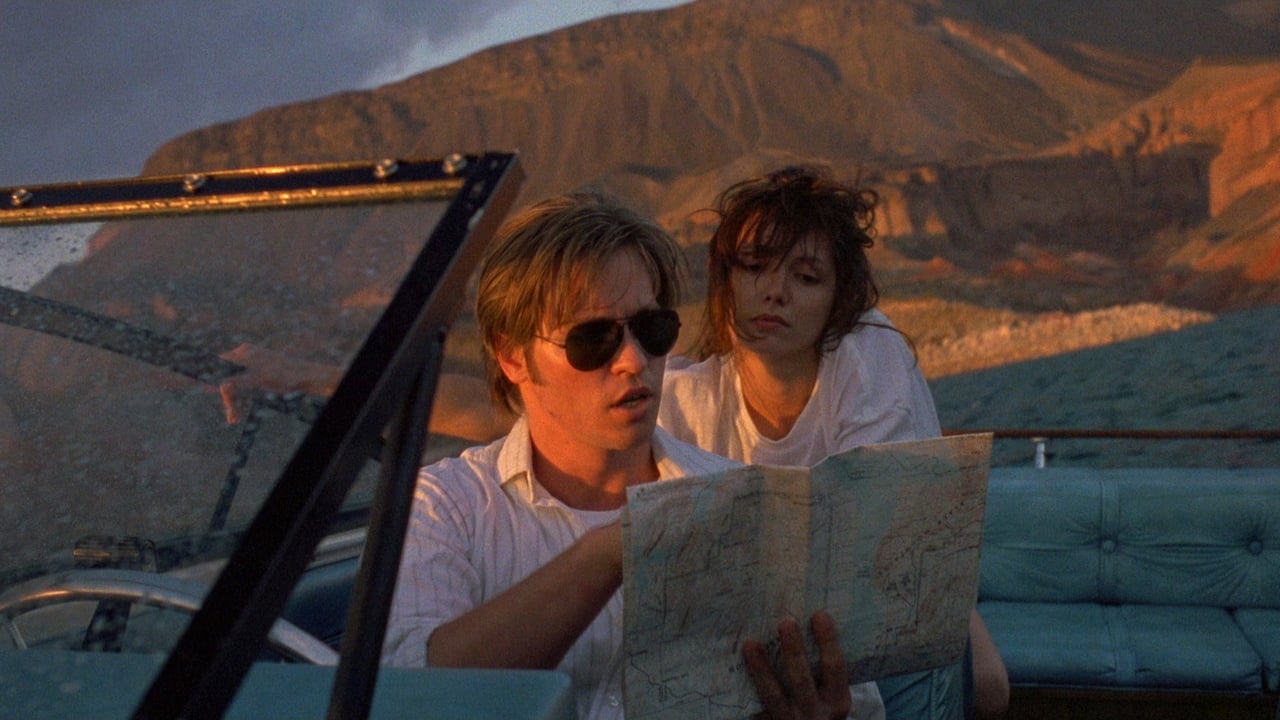
The desert sun beats down hard in John Dahl’s 1989 debut, Kill Me Again, bleaching the screen and mirroring the washed-out hopes of its characters. There's a certain kind of desperation that thrives in those dusty, dead-end towns just outside the neon glow of Reno, a place where bad decisions feel less like choices and more like the only available currency. This film plunges us headfirst into that world, a sweaty, sun-baked slice of late-80s neo-noir that feels both familiar in its genre trappings and distinct in its execution. It’s the kind of movie that likely caught your eye on the video store shelf back in the day – maybe the stark cover art, maybe the promise of Val Kilmer and Joanne Whalley sparking on screen.
A Simple Plan Gone Sideways
At its heart, Kill Me Again is a story we've seen variations of before: the down-on-his-luck private eye, the dangerously alluring woman with a past, and a bag full of stolen money that spells nothing but trouble. Jack Andrews (Val Kilmer) is drowning in debt, a Reno P.I. whose biggest case seems to be figuring out how to pay the rent. Enter Fay Forrester (Joanne Whalley), a whirlwind of calculated charm and frantic fear, fleeing her psychotic small-time crook boyfriend, Vince (Michael Madsen), with a briefcase stuffed with mob cash. Her proposition to Jack is deceptively simple: help her fake her death so Vince stops looking, and she’ll pay him enough to solve all his problems. Of course, in the grand tradition of noir, nothing is ever simple, and Jack quickly finds himself tangled in a web far stickier and deadlier than he anticipated.
What elevates this familiar setup is Dahl’s burgeoning directorial confidence and the palpable chemistry – both seductive and suspicious – between his leads. Kilmer, shedding some of the swagger from Top Gun (1986), plays Jack with a weary resignation. He’s not entirely stupid, but he’s desperate enough to ignore the blaring warning signs Fay practically radiates. You see the internal conflict, the flicker of hope battling against his better judgment. It's a grounded performance that makes his descent believable.

Sparks and Shadows
Then there's Joanne Whalley as Fay. Watching her here, knowing she and Val Kilmer had recently married after meeting on the set of Willow (1988), adds a fascinating layer to their dynamic. Is that genuine affection simmering beneath the manipulation, or is it all part of Fay’s masterful performance? Whalley keeps you guessing. She leans into the femme fatale archetype but infuses Fay with a vulnerability that makes her motives just ambiguous enough to keep Jack – and the audience – hooked. You believe she’s capable of both genuine fear and cold-blooded betrayal.
And looming over them both is Michael Madsen as Vince. This was an early role for Madsen, before his iconic turn in Reservoir Dogs (1992), but the menacing charisma is already fully formed. Vince isn't a complex villain; he's more like a force of nature, relentless and brutal, driven by possessiveness and rage. He doesn’t need intricate monologues; his quiet simmering and sudden bursts of violence are enough to establish him as a credible threat. Dahl uses him effectively, a constant shadow reminding Jack and Fay that the past is never truly buried.
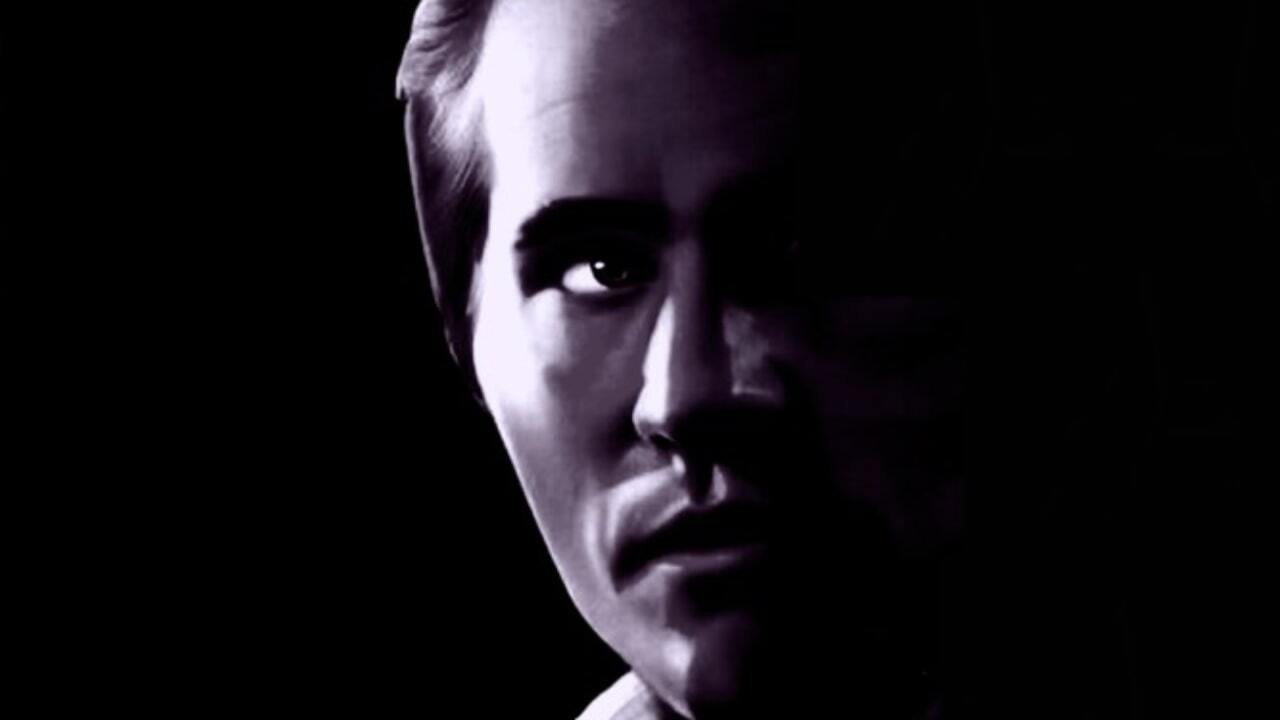
Desert Noir Aesthetics and Dahl's Debut
As John Dahl's first feature film, reportedly made for a modest $4 million, Kill Me Again showcases the director's early grasp of noir conventions while hinting at the tighter, twistier screenplays he’d deliver later with neo-noir classics like Red Rock West (1993) and The Last Seduction (1994). He uses the stark Nevada landscapes to great effect – the endless highways, the desolate roadside motels, the oppressive heat – creating an atmosphere of isolation and entrapment. The film doesn't have the slick polish of bigger-budget thrillers of the era; instead, it has a grainy, lived-in feel that perfectly suits its desperate characters and dusty locales. It feels authentic to its setting.
While the plot takes a few predictable turns, especially for seasoned noir fans, Dahl keeps the pacing taut and focuses on the simmering tension between the central trio. It might not reinvent the wheel, but it spins it with conviction. Perhaps its relatively limited theatrical run contributed to its 'hidden gem' status for many of us who discovered it later, nestled amongst other thrillers on the shelves of Blockbuster or catching it late at night on cable. It became one of those satisfying finds – a well-crafted genre piece that delivered exactly what it promised.
Lasting Impressions
Does Kill Me Again reach the heights of Dahl’s later work? Perhaps not quite. The plot mechanics occasionally feel a little visible, and some might find Jack's willingness to be duped slightly frustrating. Yet, there’s an undeniable charm and effectiveness to it. The performances are strong, particularly the central triangle of Kilmer, Whalley, and Madsen, each perfectly cast. The atmosphere is thick with sun-drenched dread, and Dahl directs with a clear vision, establishing themes of greed, betrayal, and the impossibility of escaping one's past that would become hallmarks of his career. It’s a solid piece of late-80s filmmaking that confidently plays within its genre sandbox. I remember renting the VHS, drawn by the cast, and feeling like I'd stumbled onto something lean, mean, and satisfyingly noirish.
Rating: 7/10
Justification: Kill Me Again earns a solid 7 for its strong central performances, particularly the compelling dynamic between Kilmer and Whalley, enhanced by their real-life connection. Dahl's direction establishes a palpable sense of place and dread, effectively utilizing the Nevada setting. While the plot follows familiar noir beats, it does so with conviction and tight pacing. Madsen provides memorable menace. It's a confident debut and a worthwhile slice of late-80s neo-noir, even if it doesn't quite reach the classic status of Dahl's subsequent films.
Final Thought: It may not be the most celebrated stop on the 80s/90s noir highway, but Kill Me Again is a potent reminder that sometimes, the simplest plans fueled by desperation pave the quickest road to ruin, especially under that unforgiving desert sun.