Here we go again. Sometimes, reaching for that familiar, worn VHS tape feels less like choosing a movie and more like catching up with old friends – albeit friends prone to spectacular levels of domestic chaos and hilariously escalating misunderstandings. That’s precisely the sensation evoked by Topsy Turvy, or Egg Nogg 2 (original Polish title: Galimatias, czyli kogel-mogel II), the 1989 sequel to the much-loved Polish comedy Kogel-mogel. Directed once again by Roman Załuski, who clearly had his finger on the pulse of what made Polish audiences laugh in the late 80s, this film doesn't just continue the story; it dives headfirst back into the delightful pandemonium.
Returning to the Whirlwind
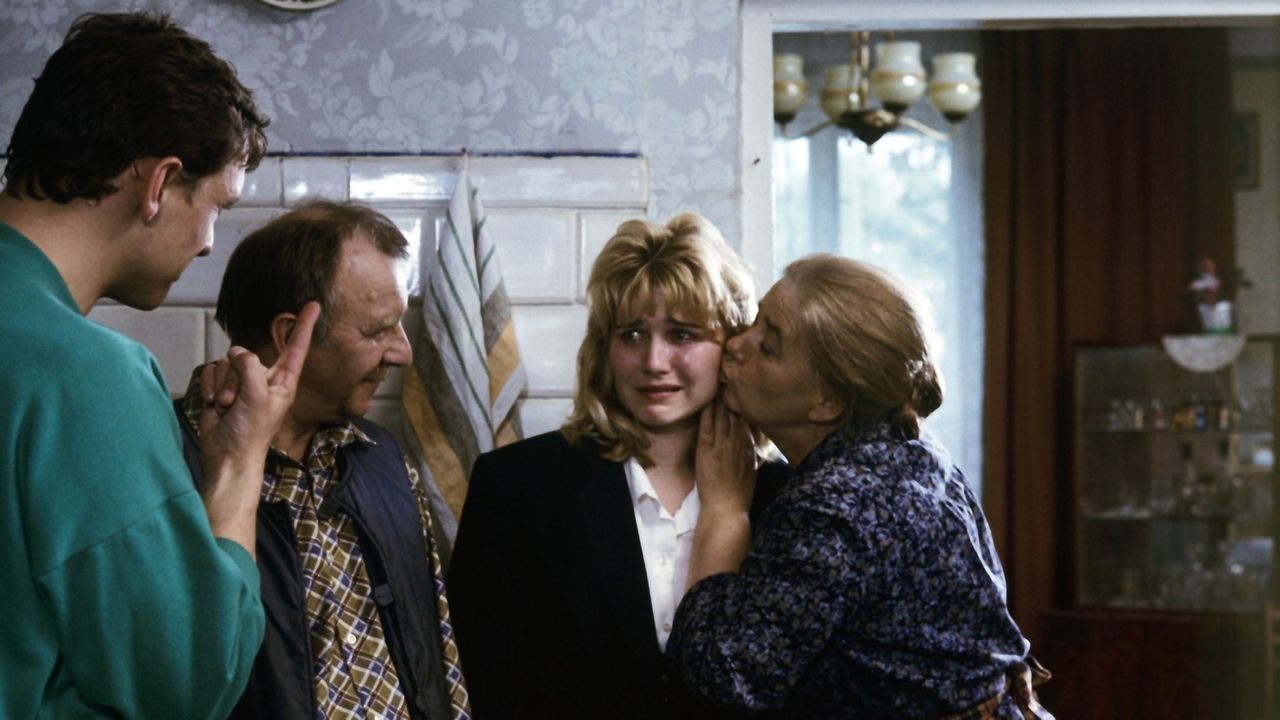
The film picks up relatively soon after the first, finding our bright, ambitious protagonist Kasia Solska (Grażyna Błęcka-Kolska, reprising her star-making role) navigating the complexities of married life with Paweł (Dariusz Siatkowski) while still yearning for her pedagogical studies in Warsaw. The central conflict remains potent: the pull between rural tradition, embodied by her meddling but well-meaning parents (the inimitable duo of Zdzisław Wardejn and Katarzyna Łaniewska), and the lure of urban independence and intellectual pursuits. It’s a classic setup, but Załuski and co-writer Ilona Łepkowska infuse it with a specific Polish flavour, a recognizable blend of warmth, exasperation, and sheer absurdity. Remember the feeling of visiting relatives where everyone talks over each other, plans collide, and minor disagreements spiral into operatic farce? That's the core energy here, captured with an almost documentary-like authenticity, despite the comedic exaggeration.
The Comedy of Contrasts
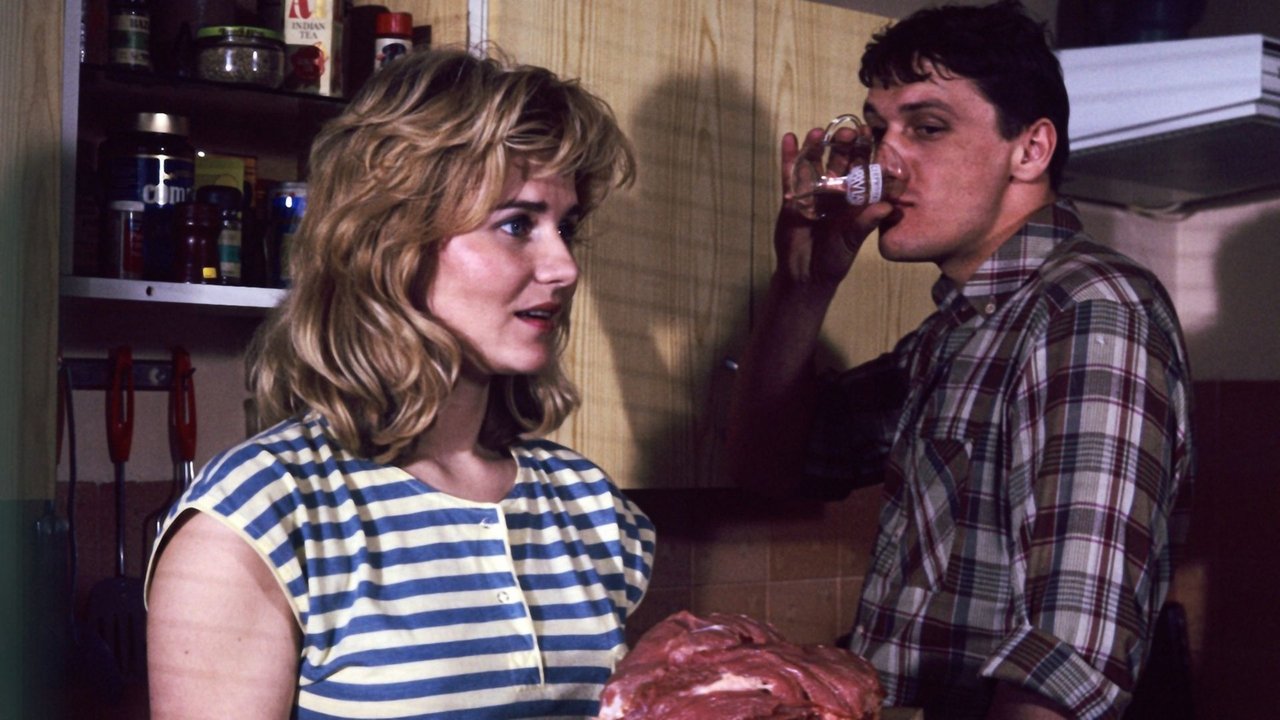
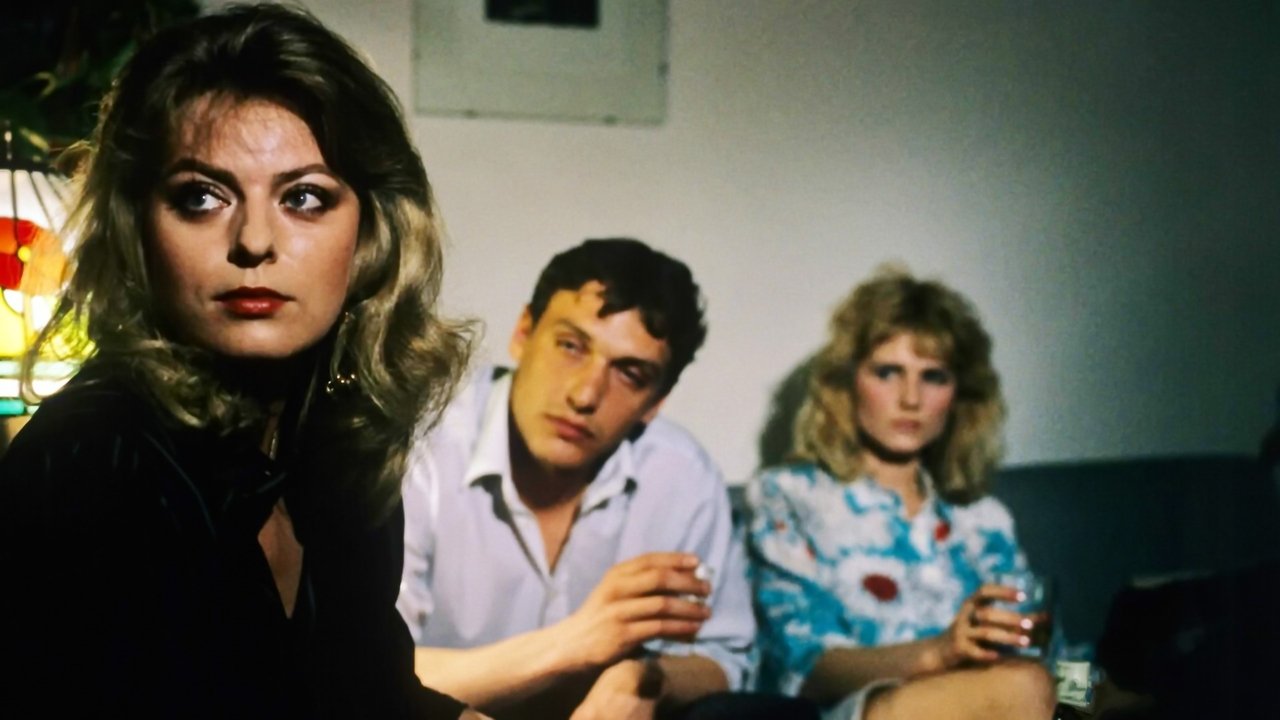
What truly elevates Galimatias beyond a simple continuation is the masterful comedic foil provided by the Wolański family. Ewa Kasprzyk returns as the outrageously nouveau-riche, culture-obsessed Barbara Wolańska, wife of the Docent Marian Wolański (Zdzisław Wardejn, pulling brilliant double duty as Kasia’s father and Docent Wolański). Kasprzyk is simply magnificent, a whirlwind of malapropisms, social anxieties, and hilariously misguided attempts at sophistication. Her interactions with Kasia, whom she employs as a reluctant tutor/nanny for her precocious son Piotruś, are pure gold. The clash between Barbara’s city-bred eccentricities and Kasia’s down-to-earth pragmatism generates endless comedic friction. It’s a performance that feels both larger-than-life and strangely familiar – haven't we all encountered someone trying just a little too hard?
The film cleverly uses these two family units – the Solska farmstead bursting with rustic energy and the Wolańskis' cramped Warsaw apartment filled with intellectual pretensions and simmering marital tension – to explore broader themes. It’s a snapshot of Poland on the cusp of significant change (released just months before the fall of the Berlin Wall and the Round Table Agreement), gently poking fun at class differences, generational gaps, and the enduring struggle between personal dreams and familial obligations. It does so not with biting satire, but with an affectionate, knowing wink.
Chaos Crafted with Care

While the plot involves multiple converging threads – Kasia’s marital woes, Paweł’s misguided attempts to win her back, the Wolańskis’ domestic dramas, and the grandparents’ escalating interference – the joy lies less in the narrative intricacies and more in the execution. Roman Załuski directs with a brisk pace, keeping the comedic set pieces moving and allowing his talented cast to shine. The dialogue crackles with witty exchanges and memorable lines that became catchphrases in Poland. It’s a testament to the writing and performances that even when the situations verge on pure farce, the characters remain fundamentally relatable. We understand Kasia’s frustration, sympathize with Paweł’s clumsy efforts, and even feel a strange affection for the impossible Barbara Wolańska.
Let's talk about Grażyna Błęcka-Kolska. She anchors the film with a performance of remarkable grace and quiet strength amidst the surrounding chaos. Kasia isn't just reacting to the madness; she’s actively trying to forge her own path, and Błęcka-Kolska conveys this internal struggle with subtle authenticity. You see the intelligence in her eyes, the weariness in her posture, and the flicker of hope that refuses to be extinguished. It's a performance that grounds the comedy in genuine human emotion.
A Polish Phenomenon
It’s hard to overstate just how beloved the Kogel-mogel films became in Poland. They were massive box office hits, finding a permanent place in the nation's pop culture consciousness. Watching them on VHS was practically a rite of passage. Part of their enduring appeal, I think, lies in this relatability. While specific cultural references might require context, the core dynamics – family interference, marital spats, the yearning for a different life – are universal. The film reportedly grossed extremely well domestically, cementing its status. Its success spawned further sequels decades later, though for many, these first two films capture a unique magic, a specific moment in time reflected through a comedic, yet truthful, lens. The title itself, Galimatias, translates roughly to "nonsense" or "jumble," perfectly encapsulating the film's spirit.
Final Reflections
Does Topsy Turvy, or Egg Nogg 2 feel dated in places? Perhaps. The pacing is very much of its era, and some of the comedic situations rely on misunderstandings that might be resolved faster today. But its charm is undeniable. It possesses a warmth and a genuine affection for its characters, flaws and all, that transcends time. It captures the beautiful messiness of family life and the often-comic clash between different worlds and aspirations. It's the kind of film that leaves you smiling, perhaps recognizing a bit of your own family in the onscreen chaos.
Rating: 8/10
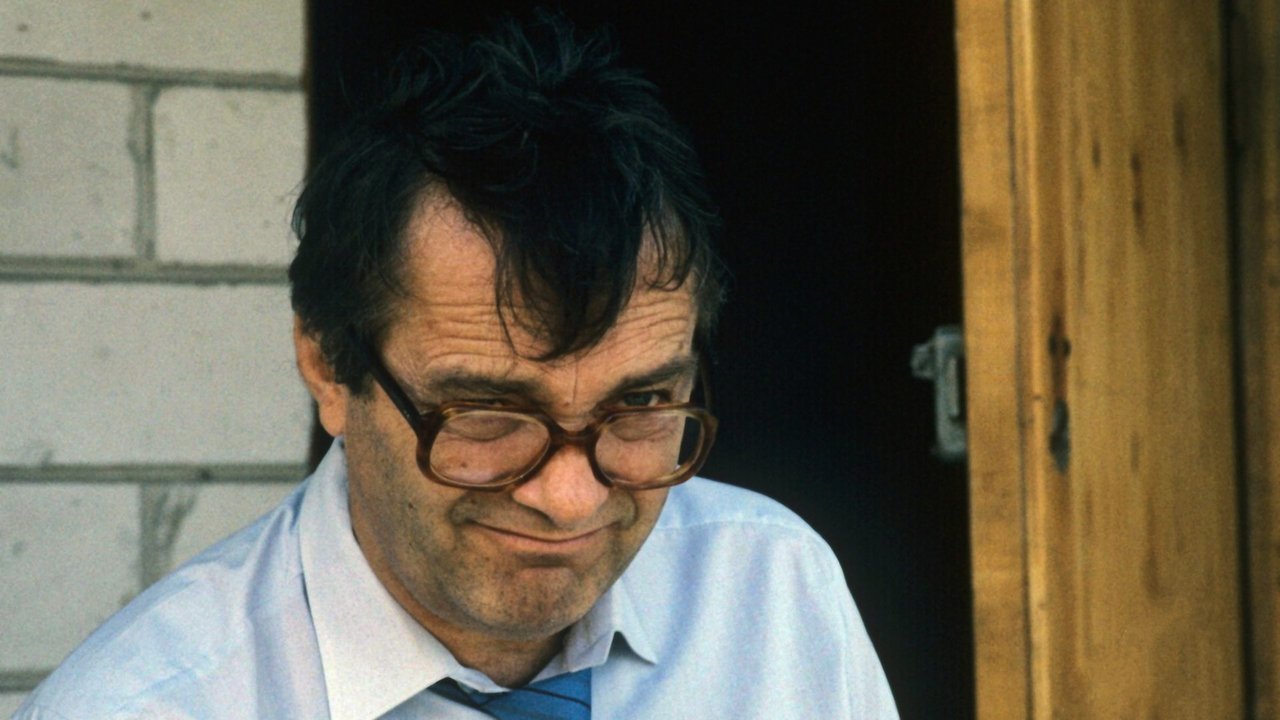
This score reflects the film's immense success as a beloved comedy sequel within its cultural context, propelled by fantastic performances (especially Kasprzyk and Błęcka-Kolska), sharp writing, and a genuinely funny, relatable core. It perfectly captures a specific brand of domestic farce with surprising heart, making it a standout of late 80s Polish popular cinema.
For those who remember the specific weight and worn edges of Polish film tapes at the rental store, or even for newcomers curious about international comedy hits of the era, Galimatias offers a delightful, chaotic, and ultimately heartwarming trip back in time. It reminds us that sometimes, the most entertaining stories are found not in grand epics, but in the beautifully complicated 'galimatias' of everyday life.