Ah, the French Riviera in the 80s. Sun-drenched, impossibly glamorous, and, in the world of Yves Robert’s 1984 comedy The Twin (Le Jumeau), the perfect playground for romantic desperation and escalating absurdity. This isn't a film that arrives with grand pronouncements; instead, it sidles up with a wink and a premise so classically farcical, you can almost feel the sea breeze carrying the scent of impending chaos. For many of us prowling the aisles of the local video store back then, stumbling upon a foreign comedy like this felt like a small discovery, a glimpse into a cinematic world operating with slightly different, often gentler, comedic rhythms than its Hollywood counterparts.
A Twist of Fate, Doubled
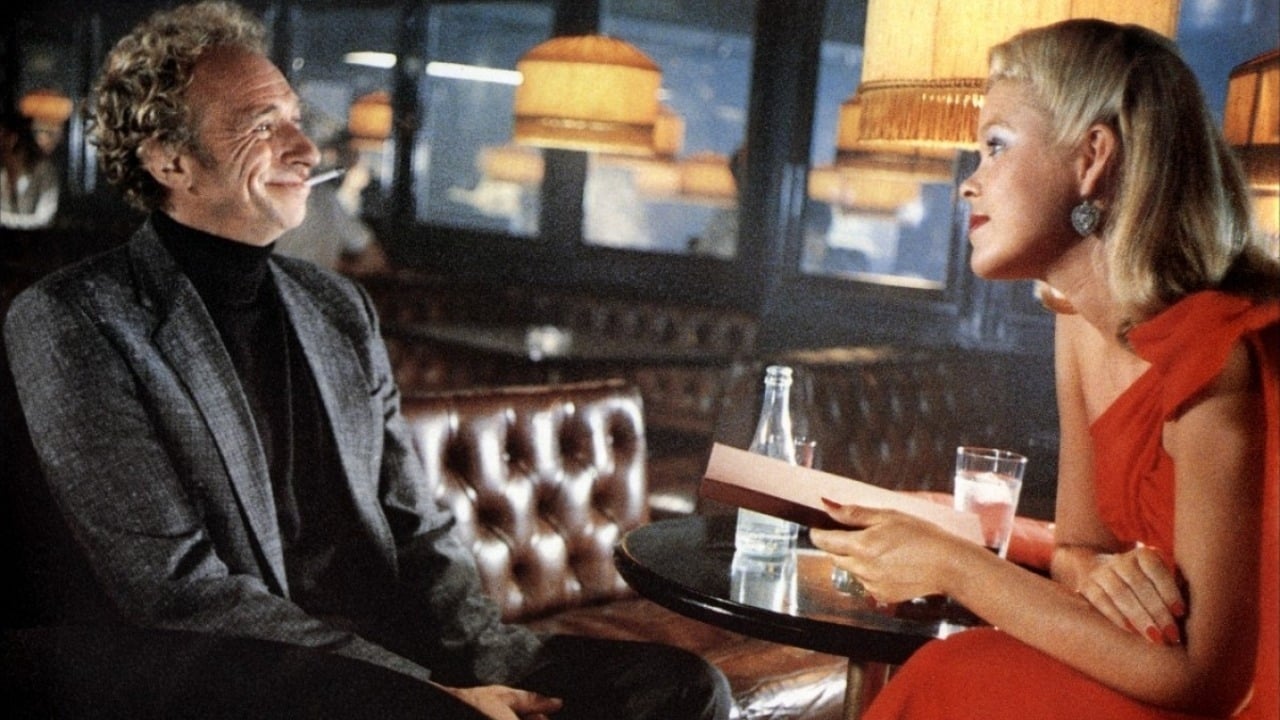
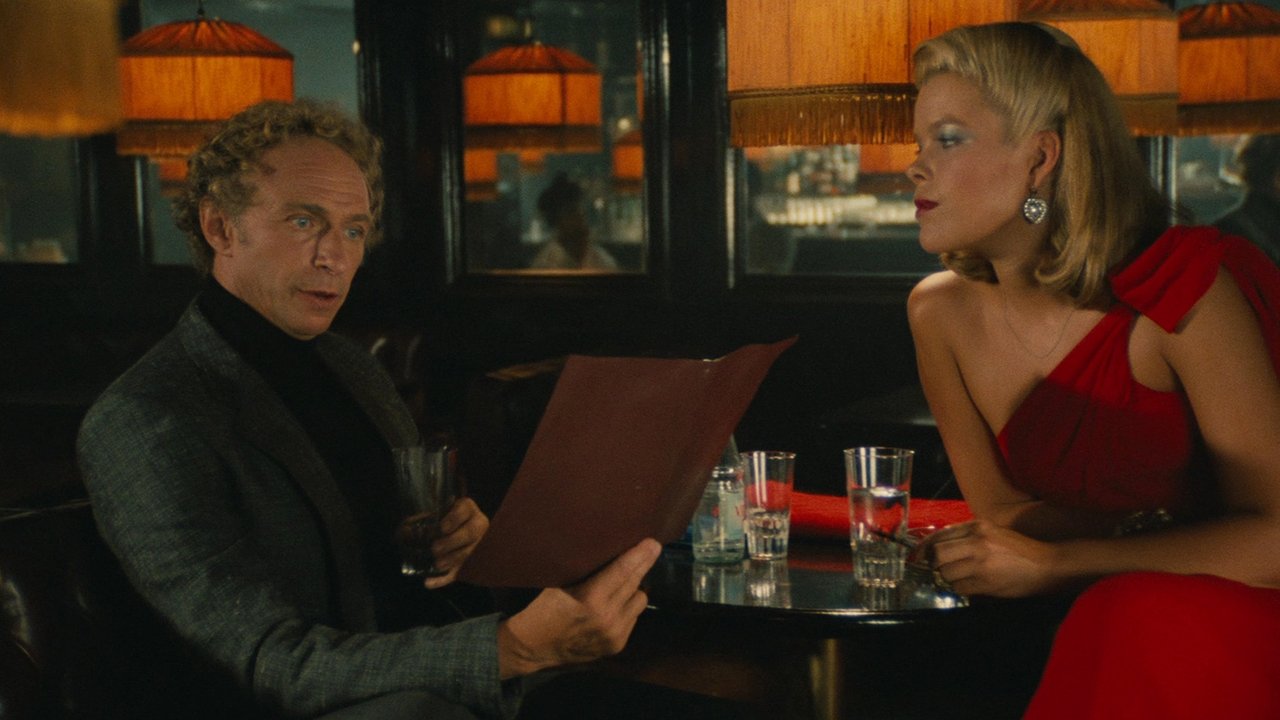
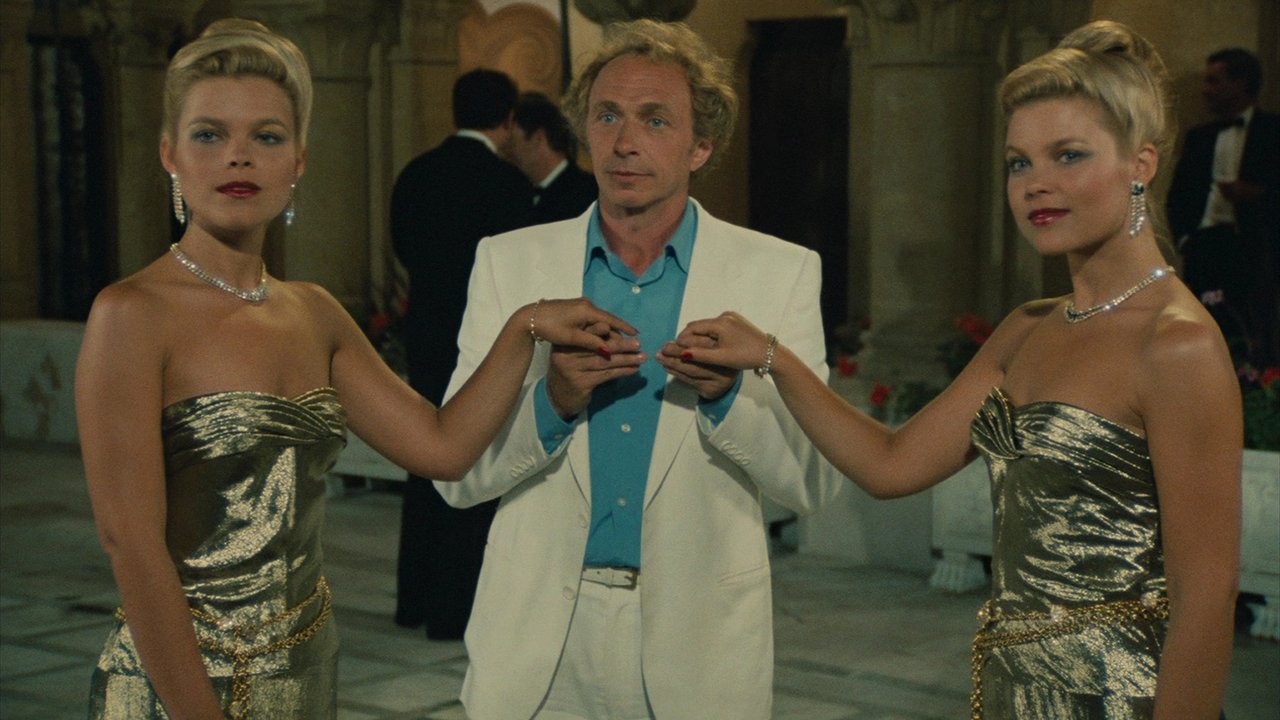
At the heart of the whirlwind is Matthias Duval, played with signature flustered charm by the great French comedic actor Pierre Richard. Richard, who many will remember as the titular star of The Tall Blond Man with One Black Shoe (1972), also directed by Yves Robert, embodies a specific kind of Gallic screen presence – the well-meaning bumbler perpetually caught in circumstances spiraling just beyond his control. Here, Matthias is a down-on-his-luck gambler who, nursing his losses in Nice, encounters the stunning American twin sisters, Betty and Liz Kerner (Camilla More and Carey More). Discovering they only date pairs of brothers (and are heirs to a considerable fortune), Matthias makes a snap decision born of equal parts romantic longing and financial opportunism: he invents a shy, wealthy twin brother, Mathieu. And so begins the frantic juggling act.
The genius of the premise, adapted from Donald E. Westlake's typically ingenious 1975 novel Two Much, lies in its simple, escalating logic. How does one maintain two distinct personalities, navigate two separate romances with identical women, and keep the whole fragile charade from collapsing? Westlake, a master of the comic caper, provided a fantastic blueprint, and it's fascinating to see how Yves Robert translates this American pulp sensibility into a distinctly French comedic landscape. It’s lighter, perhaps less biting than Westlake’s prose often was, leaning heavily on Richard's physical comedy and the inherent visual humor of the mistaken (or rather, invented) identity.
Pierre Richard Squared
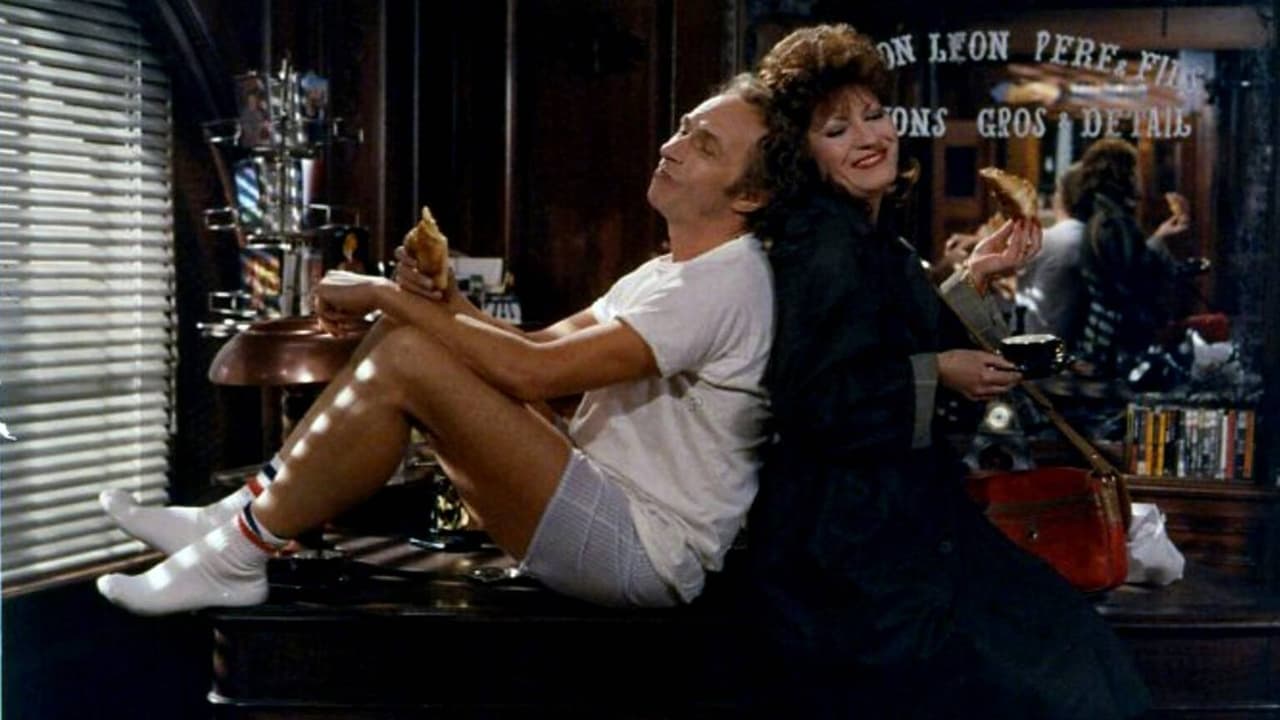
Watching Pierre Richard navigate this self-imposed minefield is the film’s primary joy. He differentiates the boisterous, slightly desperate Matthias from the invented, supposedly reserved Mathieu mostly through subtle shifts in posture and frantic costume changes, often occurring just off-screen or during mad dashes between locations. It’s less about distinct characterizations and more about the sheer comedic panic of keeping the plates spinning. Richard excels at this brand of high-wire anxiety, his expressive face a canvas of mounting dread and forced nonchalance. Does he fully convince us that these are two different people? Not really, but that's part of the fun. The joke is on the sisters' apparent gullibility and, more pointedly, on Matthias's increasingly tangled web.
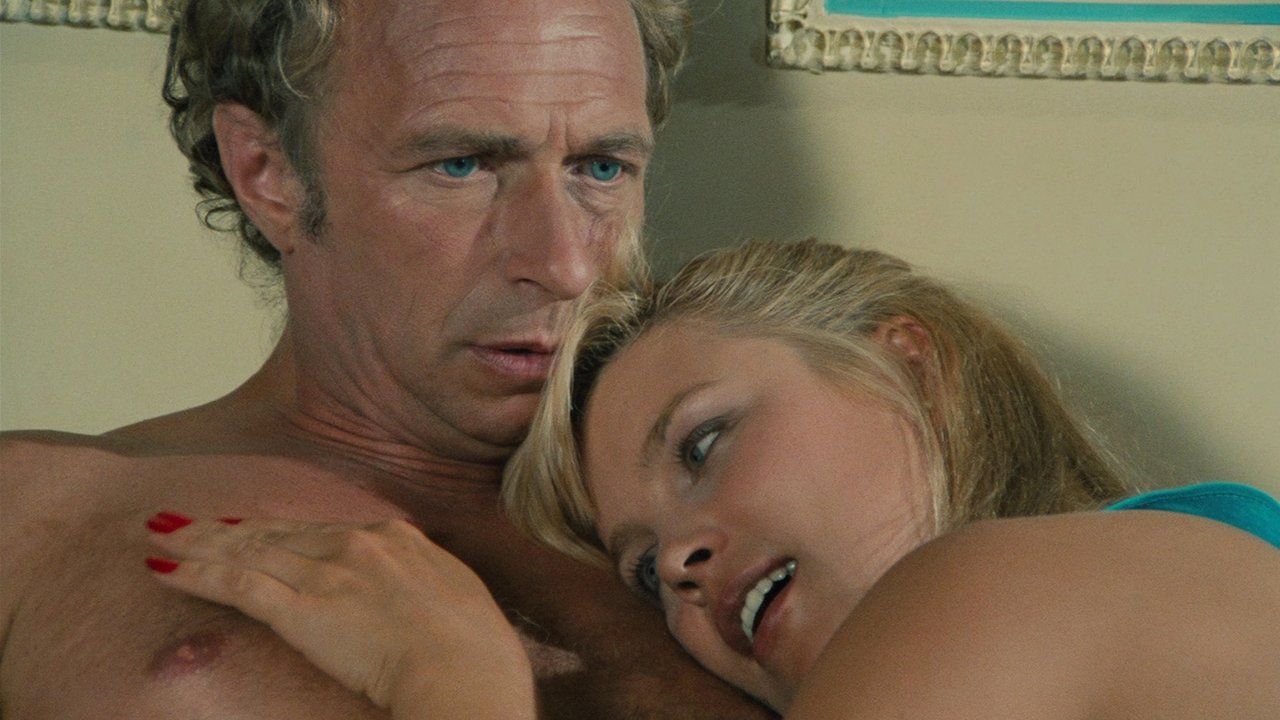
It certainly helps that the film cast actual identical twins, Camilla More and Carey More. Their presence adds a layer of visual symmetry and meta-humor to the proceedings. Fresh off their memorable appearance in Friday the 13th: The Final Chapter (also 1984), they bring an easy-going, slightly mischievous energy to the wealthy heiresses, seemingly unfazed by the odd behavior of their shared suitor(s). Their performances aren't deep, but they provide the necessary anchor for Richard's antics, embodying the allure that drives Matthias to such elaborate lengths. Supporting player Jean-Pierre Kalfon, as the sisters' watchful lawyer Ernest Volpinex, adds a welcome touch of dry skepticism, the potential spoiler lurking in the wings.
Sun, Sighs, and Slightness
Yves Robert, a director comfortable with both gentle comedy and character-driven pieces (War of the Buttons, 1962), keeps the tone light and breezy. The film luxuriates in its picturesque French Riviera setting – the casinos, the villas, the sparkling Mediterranean – making it visually pleasant escapism. There’s a relaxed, almost leisurely pace to the unfolding farce, which might test the patience of viewers accustomed to more rapid-fire Hollywood comedies of the era. It feels very… French, in that regard. The humor relies less on punchlines and more on situational awkwardness and Richard’s physical reactions.
Digging into the VHS vault often unearths interesting connections. It’s worth noting that Westlake’s novel was adapted again in 1995 as Two Much, this time in Hollywood, directed by Fernando Trueba and starring Antonio Banderas, Melanie Griffith, and Daryl Hannah. Comparing the two is an interesting exercise in cultural translation – the American version amps up the slapstick and star power, while Robert’s earlier take retains a certain European charm and focus on its leading man's specific comedic gifts. For those of us who encountered Le Jumeau first, perhaps on a slightly worn-out rental tape, it holds a particular nostalgic appeal. It wasn't trying to be a blockbuster; it was content being a sunny, slightly silly romp.
Retro Fun Facts
- The film was quite successful in France upon its release, capitalizing on Pierre Richard's immense popularity during that period.
- Filming took place largely on location in Nice, capturing the authentic atmosphere of the Côte d'Azur.
- While based on an American novel, the adaptation feels thoroughly European, showcasing a different comedic sensibility than many US farces of the time.
The Final Reel
The Twin isn't profound cinema, nor does it aim to be. It's a vehicle for its star, a pleasant diversion built on a classic comedic premise. Its charm lies in Pierre Richard's performance, the novelty of the twin casting, and the sun-kissed escapism of its setting. Revisiting it now feels like rediscovering a pleasant postcard from a bygone era of filmmaking – familiar tropes presented with a distinctly Gallic flavor. It might feel a touch slow or slight by modern standards, lacking the sharp edges or breakneck pace some might prefer, but its gentle humor and Richard's endearing presence still raise a smile. It perfectly captures that feeling of finding a quirky foreign gem tucked away on the video store shelf, offering a different kind of cinematic comfort food.
Rating: 6/10
Justification: The rating reflects the film's undeniable charm, Pierre Richard's enjoyable performance, and the fun premise executed with a pleasant, easygoing style. However, it's docked points for a somewhat leisurely pace that occasionally borders on slow, a reliance on familiar farcical tropes without adding significant innovation, and a general slightness that keeps it from being truly memorable comedic classic. It's a solid, enjoyable piece of 80s European comedy, perfect for nostalgic viewing, but not quite a must-see standout.
VHS Heaven Rewind: A breezy, sun-drenched farce carried by its star's inimitable charm – remember when finding a foreign comedy like this felt like unlocking a secret corner of the video store?