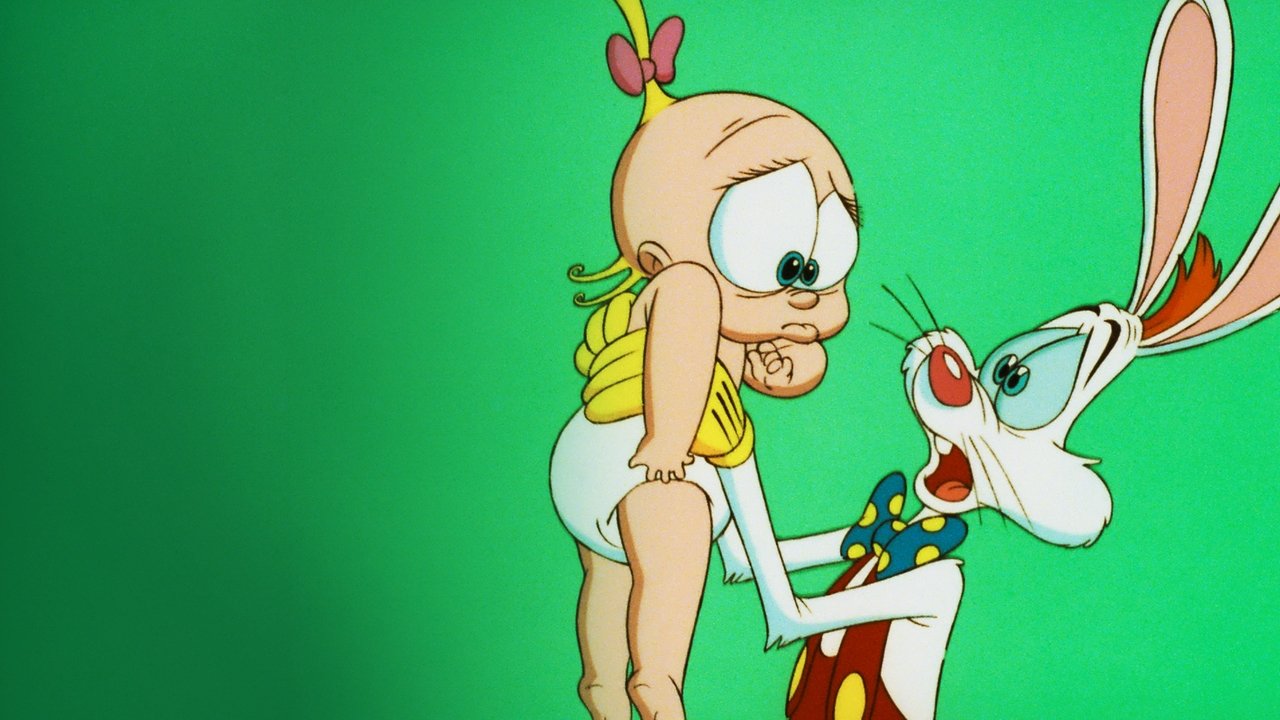
Okay, picture this: it’s 1989, the lights dim in the theater, you’ve settled in with your popcorn, ready for the suburban shrinking shenanigans of Honey, I Shrunk the Kids. But wait! Before Rick Moranis even zaps his offspring, the screen explodes with a jolt of pure, unadulterated cartoon energy. Suddenly, we're back in Toontown, plunged headfirst into the frantic, hilarious world of Roger Rabbit with the theatrical short, Tummy Trouble. What a glorious surprise it was – a bonus blast of animation wizardry that felt like finding an extra prize in your cereal box.
### Back in the Ink and Paint Club
Tummy Trouble wasn't just a random cartoon; it was a strategic and brilliant move by Disney and Amblin Entertainment. Fresh off the phenomenal success of Who Framed Roger Rabbit (1988), a film that single-handedly revitalized feature animation and reminded everyone just how dazzling hand-drawn characters could be, this short served as a victory lap and a promise. Directed by Rob Minkoff (who, let's not forget, would later co-direct a little film called The Lion King in 1994) and written by Minkoff alongside Bill Kopp and Patrick A. Ventura, Tummy Trouble reassured audiences that Roger, Baby Herman, and Jessica weren't just a one-hit wonder. They were here to stay, at least for a little while longer. Attaching it to a major family release like Honey, I Shrunk the Kids (a film that itself grossed over $222 million worldwide – that’s over $540 million today!) was a stroke of genius, ensuring millions saw Roger's continued antics.
### A Symphony of Slapstick
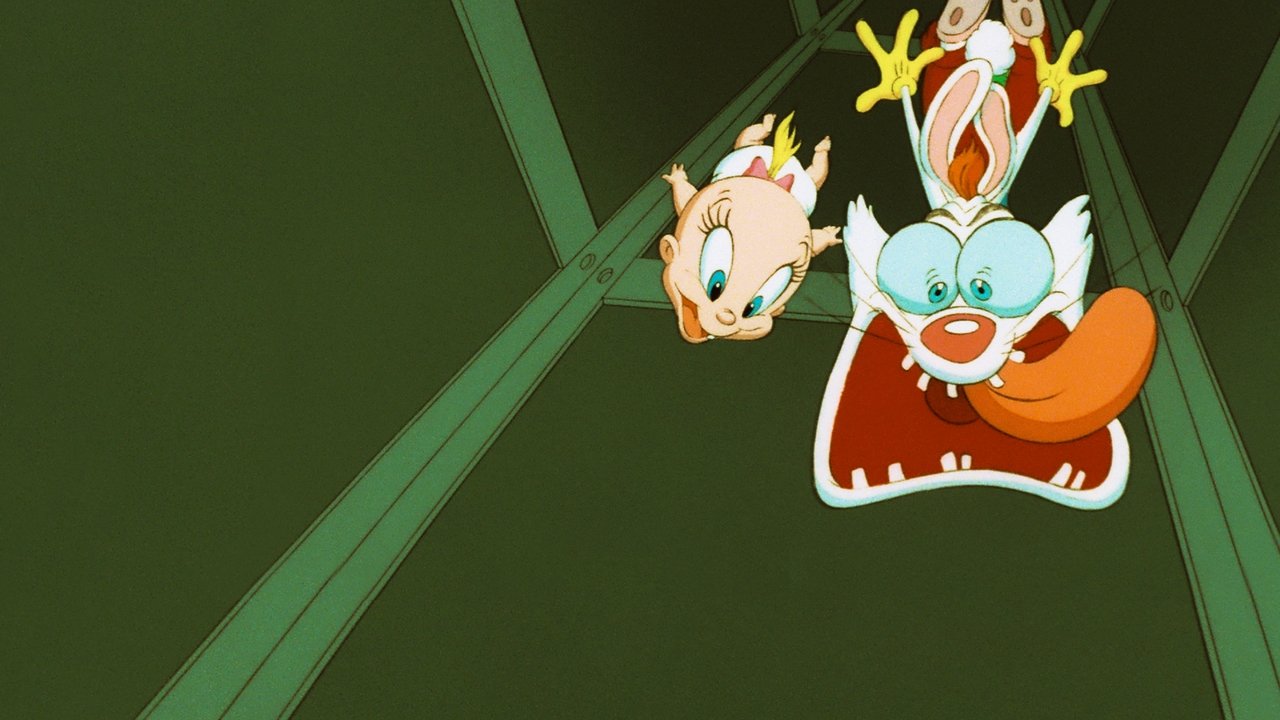
The premise is classic cartoon gold: Roger Rabbit is entrusted with watching the cigar-chomping infant, Baby Herman, while his mother steps out. Disaster strikes immediately when Baby Herman swallows his rattle, leading to a madcap dash to the hospital. What follows is roughly seven minutes of escalating, physics-defying chaos that would make Tex Avery proud. This isn't subtle humor; it's a relentless barrage of visual gags, wild takes, and the kind of extreme cartoon violence that somehow feels completely innocent.
Remember that sequence in the hospital? Roger, trying desperately to avoid causing more trouble, ends up careening through wards, operating theaters, and eventually into a rocket propelled by anesthetic gas. The sheer speed and inventiveness of the gags are breathtaking, even today. Minkoff and his team perfectly captured the Looney Tunes-esque elasticity and timing that made the animation in Who Framed Roger Rabbit so spectacular. Characters stretch, flatten, zip across the screen, and endure injuries that would pulverize mere mortals, all set to a frenetic, perfectly synchronized score. It’s pure, distilled cartoon anarchy.
### Voices in the Mayhem
A huge part of the short's charm comes from the returning voice cast. Charles Fleischer is back as the perpetually panicked Roger, his stammering energy driving the comedic engine. His performance is just infectious; you can feel Roger’s desperation and good intentions warring with his utter inability to avoid catastrophe. Lou Hirsch reprises his role as the gravelly-voiced Baby Herman, delivering lines with the weary cynicism of a Borscht Belt comic trapped in a diaper. And, of course, April Winchell lends her voice to Mrs. Herman and, memorably, provides the sultry tones for Jessica Rabbit's cameo – a brief, but unforgettable appearance that reminds us why Roger puts up with all this trouble in the first place. Their vocal work grounds the visual insanity, making the characters feel familiar and beloved.
### Retro Fun Facts: Hospital Hijinks
Tummy Trouble was the first of three Roger Rabbit shorts produced after the original film, followed by Roller Coaster Rabbit (1990, attached to Dick Tracy) and Trail Mix-Up (1993, attached to A Far Off Place). Animation buffs might appreciate that these shorts were produced by Disney's traditional animation unit, primarily at the Disney-MGM Studios theme park in Florida, helping to train a new generation of artists during Disney's animation renaissance. The budget for the original Roger Rabbit was a hefty $70 million back in 1988 (around $180 million today!), so producing these shorts was a comparatively cost-effective way to keep the franchise alive and leverage that investment. The animation quality remained remarkably high, showcasing the meticulous craftsmanship that defined that era of Disney animation. It’s also worth noting that the hospital sequence, with its complex chain reactions and escalating chaos, required incredibly precise timing and planning from the animation team – a testament to their skill in the pre-digital age.
### Lasting Chuckles
Watching Tummy Trouble again is like mainlining nostalgia. It perfectly encapsulates that late-80s burst of animation enthusiasm. The gags are relentless, the animation is fluid and expressive, and the energy is off the charts. It’s a reminder of a time when seeing a cartoon short before a feature film felt like a special event, an unexpected treat that kicked off the moviegoing experience with a bang. It lacks the groundbreaking human/toon interaction of the feature film, naturally, but as a standalone piece of manic cartoon comedy, it absolutely delivers.
Rating: 8.5/10
This score reflects Tummy Trouble's success as a high-energy, brilliantly animated short that perfectly captures the spirit of its source material. It delivered exactly what fans wanted: more Roger, more Baby Herman, more cartoon chaos. It might not be deep, but it’s seven minutes of pure, unadulterated fun that served as a fantastic bonus feature in cinemas and a treasured memory for anyone who caught it back in '89.
It's a shot of pure, zany adrenaline – the kind of cartoon chaos that always left you breathless and grinning, wondering how they possibly crammed so many gags into just a few minutes. P-p-p-please, watch it again!