There are tapes whispered about in hushed tones among collectors, bootlegs passed hand-to-hand like forbidden knowledge. Tapes that feel less like movies and more like transmissions from somewhere deeply unsettling. UFO Abduction (sometimes known as The McPherson Tape) from 1989 is precisely that kind of artifact – a grainy, flickering home video nightmare captured on consumer-grade camcorder that feels chillingly, disturbingly real. Forget slick productions; this is horror stripped bare, filmed during a child's birthday party that curdles into primal fear under the cold gaze of extraterrestrial visitors.
Home Video Hell
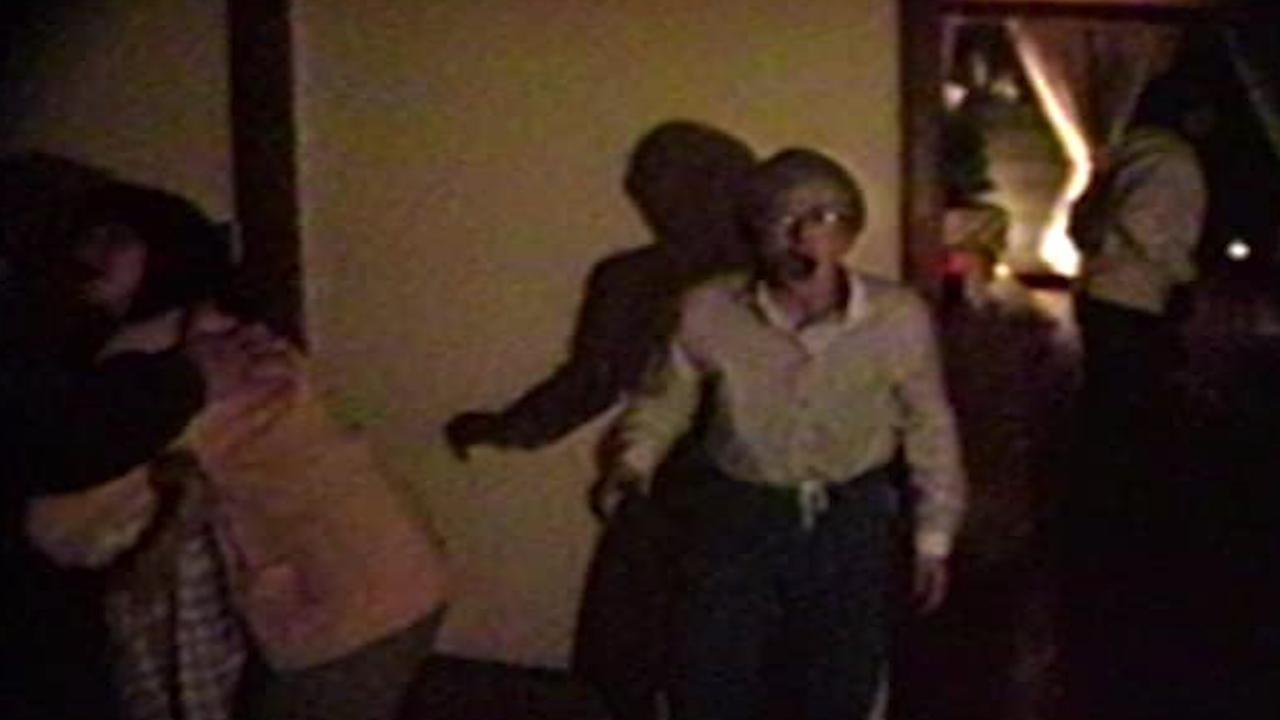
The setup is deceptively mundane: the Van Heese family gathers for five-year-old Michelle's birthday party out in the Connecticut woods. The chatter is banal, the family dynamics instantly recognizable, all captured through the wandering lens of teenage Michael (Tommy Giavocchini) and his brand-new video camera. It’s precisely this vérité, almost tedious authenticity that makes the sudden power outage and the subsequent appearance of strange lights in the woods so jarring. What follows isn't a structured narrative arc, but a descent into panicked chaos, documented by a shaking, terrified hand. The raw immediacy is the film’s greatest strength and its most potent weapon.
The Power of Rawness
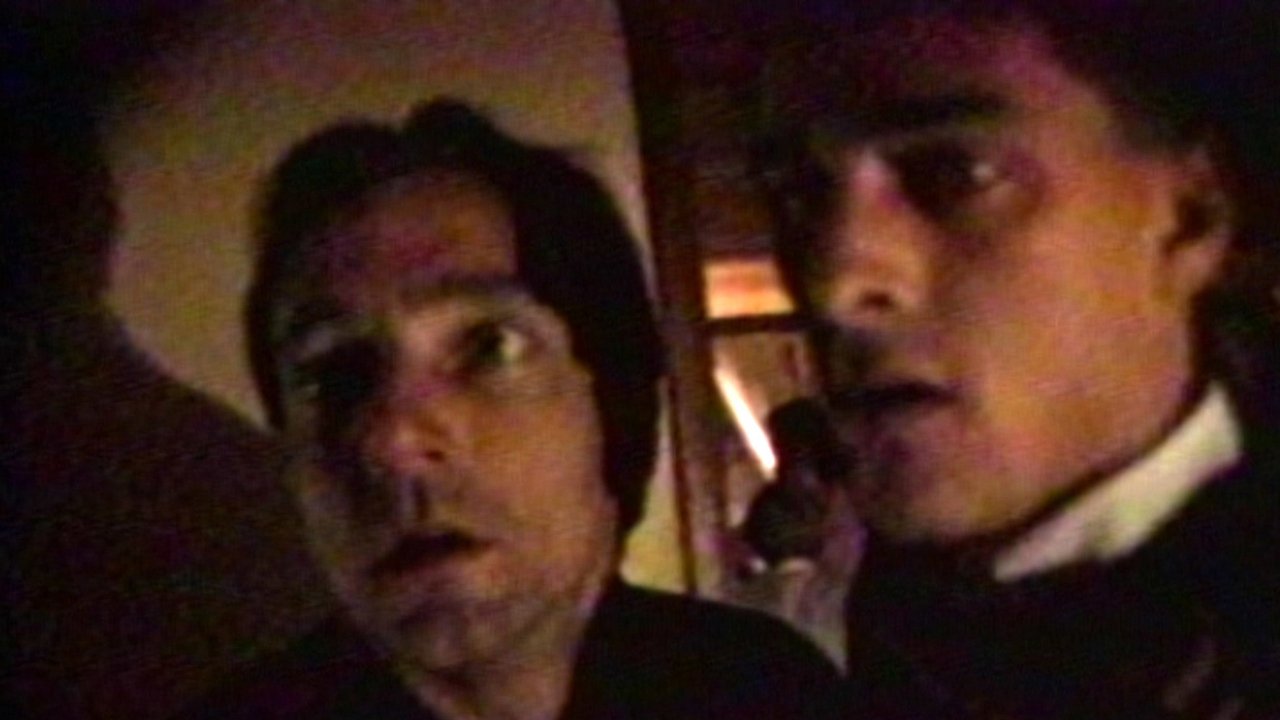
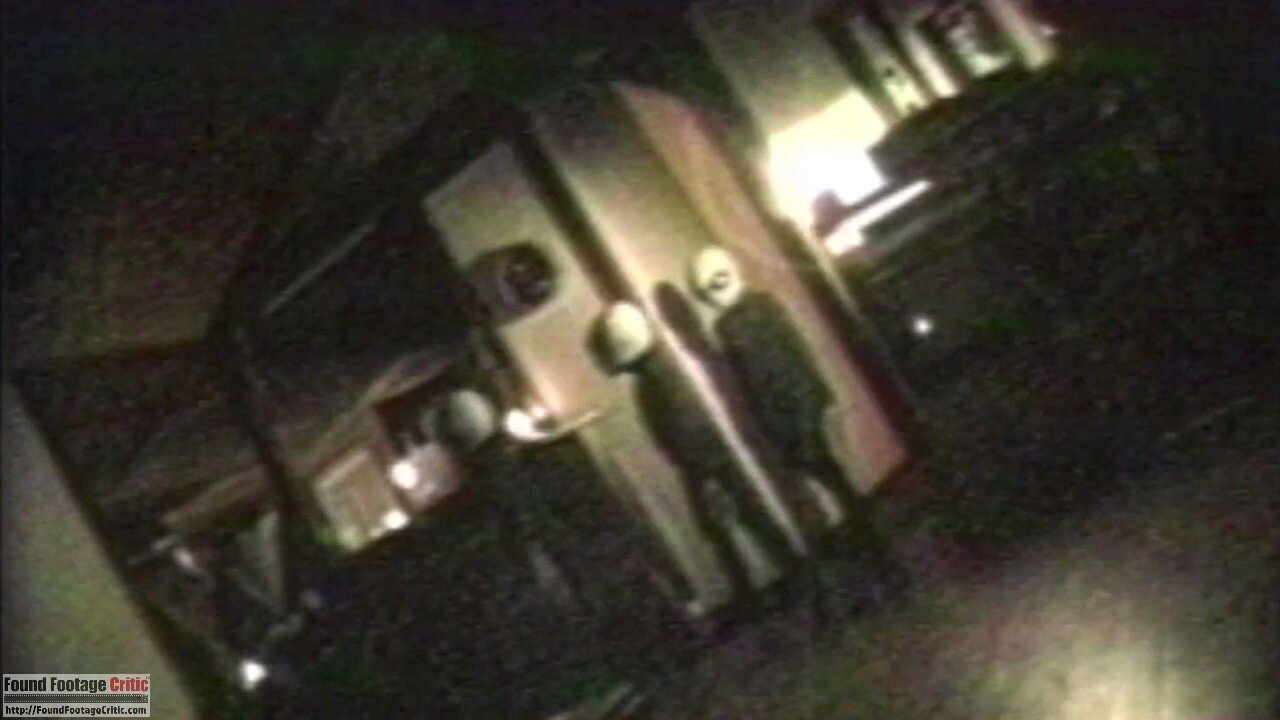
Directed and written by Dean Alioto on a budget that wouldn't cover the catering on a Hollywood set (reportedly a mere $6,500), UFO Abduction weaponizes its limitations. The amateur cast, largely Alioto’s friends and family members like Patrick Kelley and Shirly McCalla, deliver performances steeped in genuine-feeling confusion and terror rather than polished theatrics. The grainy VHS visuals, the abrupt cuts, the muffled audio punctuated by screams – it all conspires to create an atmosphere thick with dread. When the infamous aliens finally appear – tall, slender figures with large, dark eyes – their low-tech presentation somehow makes them more unnerving. There's no CGI sheen here, just figures moving awkwardly in the dark, glimpsed fleetingly, feeling disturbingly tangible in their cheapness. Doesn't that almost crude design still feel more fundamentally wrong than many slicker creations?
Lost Tapes and Dark Legends
The story behind UFO Abduction is almost as fascinating as the film itself, contributing heavily to its cult mystique. For years, it existed primarily as a murky bootleg, its origins debated. The most persistent legend involves the original master tape and artwork being destroyed in a mysterious warehouse fire at the distributor's building shortly after completion, effectively burying the film and turning it into a sought-after piece of lost media. This scarcity fueled rumors that the tape was actual recovered evidence of an alien encounter, a narrative Alioto himself leaned into somewhat with the film's framing. This feels like the kind of story whispered late at night after renting a stack of tapes – the possibility that something truly strange had been inadvertently captured. Of course, Alioto would later revisit the concept with the slicker, more widely seen TV movie Alien Abduction: Incident in Lake County (1998), but the raw, unpolished power of the '89 original remains unique. It's a primal scream captured on magnetic tape.
Found Footage Forefather?
Watching it now, decades before The Blair Witch Project (1999) blew the found footage genre wide open, UFO Abduction feels startlingly prescient. It understood intrinsically how the home video format could dismantle the barrier between viewer and narrative, creating a terrifying sense of 'you are there'. The lack of a conventional score, relying instead on diegetic sound and panicked breathing, ramps up the tension exponentially. It’s not about jump scares; it’s about the sustained, creeping horror of being trapped, helpless, and documented by an unblinking electronic eye as your reality dissolves. The final moments, abrupt and bleak, offer no comfort, only the lingering chill of the unknown. I distinctly remember tracking down a copy of this in the murky depths of tape-trading circles long ago, and the feeling of watching something potentially forbidden or 'real' was part of the unsettling thrill.
Verdict and Legacy
UFO Abduction is undeniably rough around the edges. The acting is uneven, the technical quality is poor by design, and the pacing can feel haphazard. Yet, its raw power is undeniable. It’s a testament to ingenuity born of necessity and a chillingly effective exercise in atmosphere and verisimilitude. It tapped into the burgeoning anxieties around UFO phenomena and government secrecy prevalent in the late 80s, packaging them in a format that felt disturbingly plausible. For its pioneering spirit in the found footage genre and its sheer, unvarnished effectiveness in creating dread, it remains a significant, if obscure, piece of VHS-era horror history.
Rating: 7/10 - The score reflects its historical importance and raw atmospheric power, acknowledging the inherent technical limitations that are both its weakness and its core strength. It achieved exactly what it set out to do: feel terrifyingly real on a shoestring budget.
It's a film that doesn't just show you terror; it makes you feel like you're holding the camera, trapped in the dark with something inexplicable closing in. That grainy tape hiss has rarely sounded so ominous.