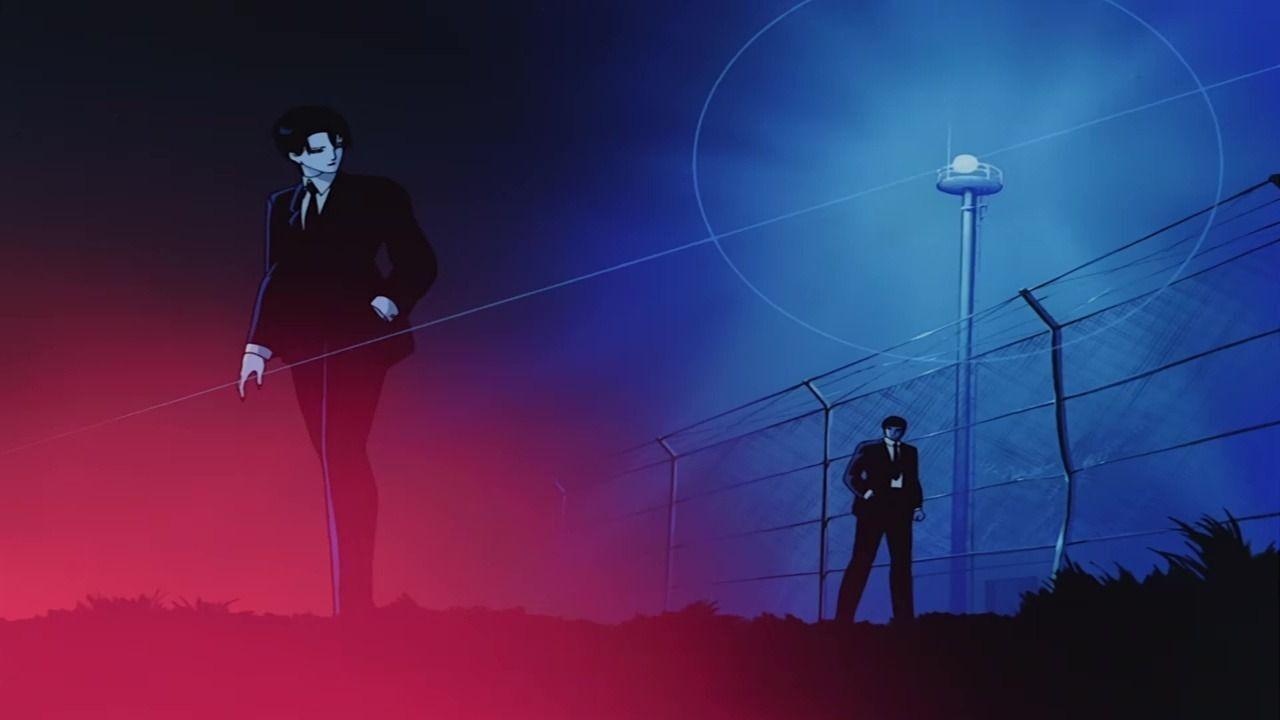
The rain never seems to stop in this city, slicking the asphalt under sickly neon glows, mirroring the darkness that seeps from the cracks between worlds. There are places, hidden in plain sight, where humanity negotiates uneasy truces with things that crawl out of nightmares. Welcome to Wicked City (妖獣都市, Yōjū Toshi), a place where diplomacy involves demonic assassins and survival means trusting someone who might literally devour you. Dropping onto VHS shelves in 1987, this wasn't your Saturday morning cartoon fare; this was something altogether more sinister, adult, and dripping with a unique brand of transgressive dread.
Shadow Pacts and Urban Decay
Based on the novel by Hideyuki Kikuchi (the same mind that birthed Vampire Hunter D), Wicked City throws us into a clandestine conflict. For centuries, a secret peace treaty has existed between our world and the Black World, a dimension teeming with demonic entities. This pact is maintained by the Black Guard, human agents tasked with policing the borderlands. Our reluctant protagonist is Taki Renzaburo (Yūsaku Yara), a salaryman by day, Black Guard agent by... well, whenever demonic trouble brews. He's assigned to protect Giuseppe Maiart, a centuries-old diplomat crucial for renewing the treaty, alongside Makie (Toshiko Fujita), a stunningly beautiful agent from the Black World itself. Naturally, radical factions from the Black World want this peace shattered, and they'll stop at nothing – employing grotesque transformations and brutal violence – to ensure the treaty fails.
Kawajiri's Nightmare Canvas
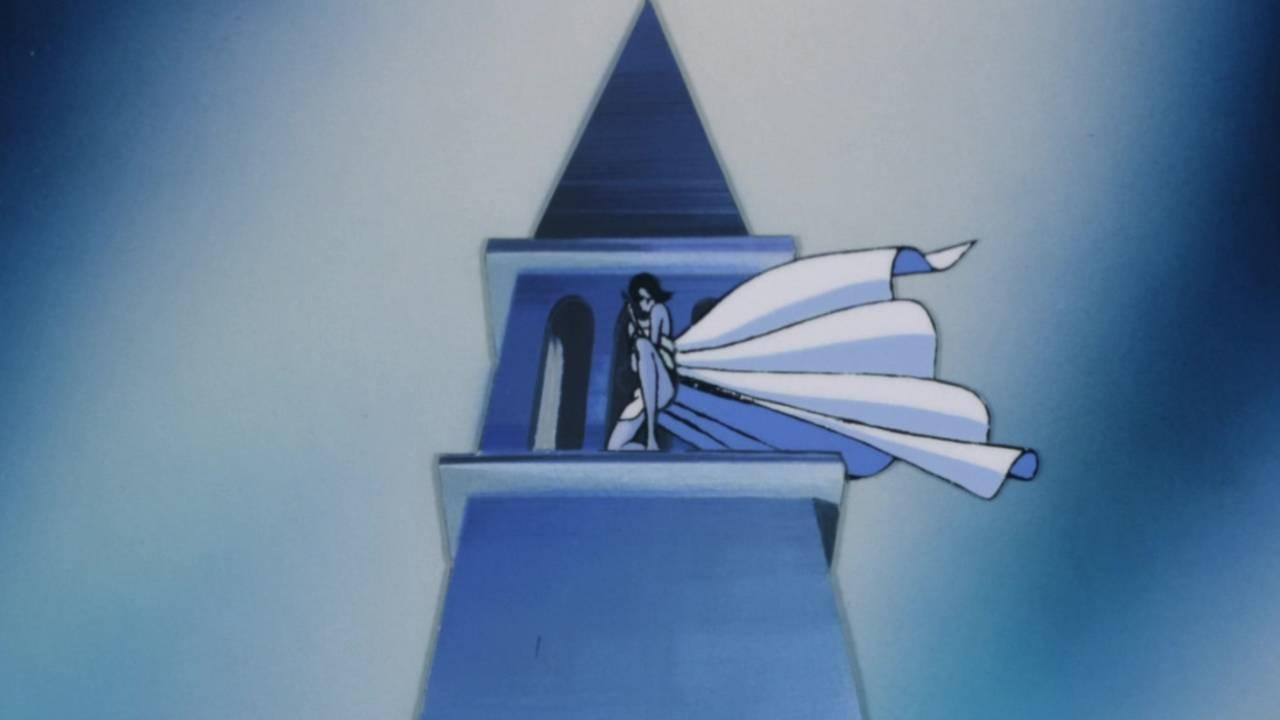
This was the directorial debut feature for Yoshiaki Kawajiri, and good grief, what an announcement. Anyone familiar with his later works like the hyper-violent Ninja Scroll (1993) or the gothic spectacle of Vampire Hunter D: Bloodlust (2000) will immediately recognize the stylistic DNA here. Kawajiri paints a world soaked in shadow and cynicism. The animation, fluid and detailed for an '87 OVA (Original Video Animation), brings the urban decay and the demonic incursions to life with startling clarity. Character designs are sharp, iconic even, but it's the creature designs and transformations that truly sear themselves into your memory. Remember that horrifying spider-woman sequence early on? It’s a masterclass in body horror animation, blending the erotic with the utterly repellent in a way that felt genuinely boundary-pushing back then, and honestly, still packs a visceral punch. It’s rumoured Kawajiri drew heavily on his own nightmares for some designs – looking at the results, that feels disturbingly plausible.
More Than Just Monsters
The atmosphere is thick enough to choke on. The rain-lashed cityscapes, the dimly lit bars, the sense of pervasive paranoia – it all combines into a potent brew of supernatural noir. The score underscores the tension perfectly, often minimalist and eerie, swelling during moments of shocking violence or demonic revelation. Kawajiri doesn't just rely on jump scares; he builds a creeping sense of unease, the feeling that reality is thin and porous, and something truly monstrous could erupt from the most mundane situation at any moment. It captures that specific late-80s anime vibe – mature, dark, and utterly uncompromising in its vision. This wasn't made to coddle the viewer; it was made to confront them.

Crossing the Line
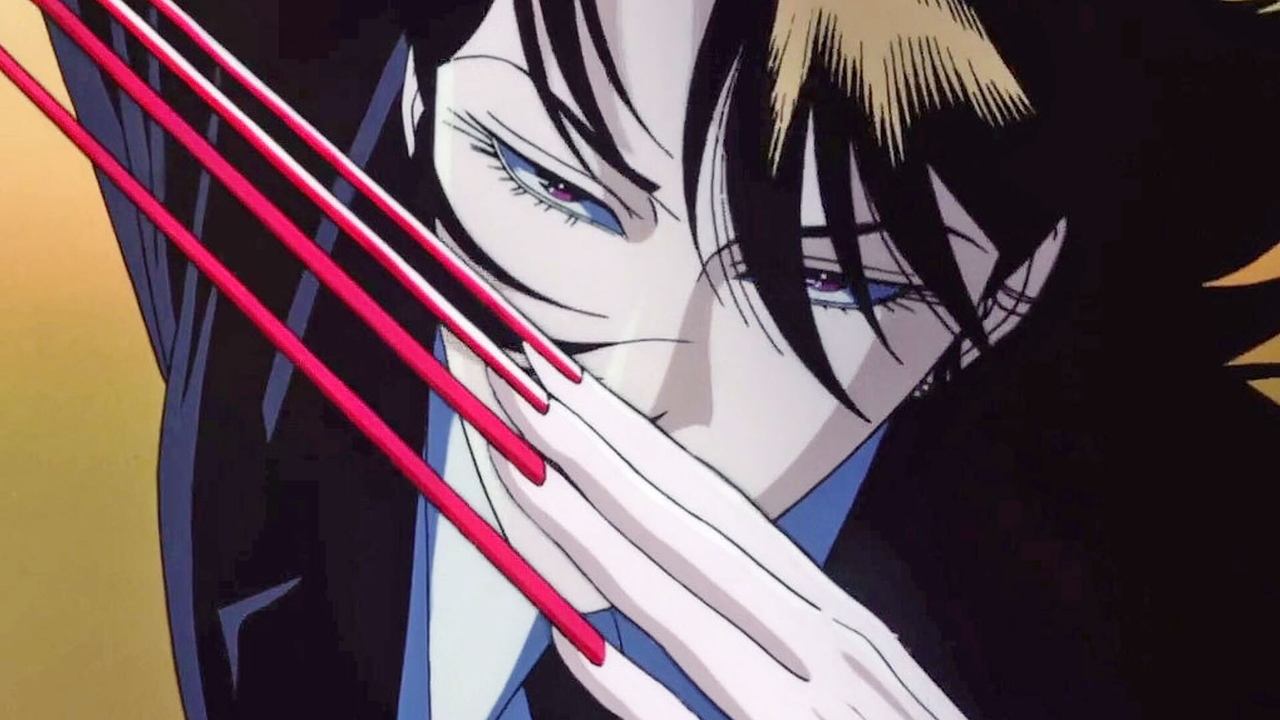
And confront, it does. Let's be frank: Wicked City is infamous for its graphic content. The violence is frequent and brutal, but it’s the intertwining of this violence with explicit sexuality that cemented its controversial reputation. Demonic assaults are often overtly sexualized, transformations are grotesque violations of the flesh, and the relationship between Taki and Makie simmers with a dangerous, interspecies tension. Finding this on VHS, perhaps nestled innocently between standard action flicks at the local rental store, must have been quite the shock for unprepared viewers. Its journey to the West, particularly through distributors like Manga Video in the UK, was fraught with censorship battles, with early versions often heavily cut. Does it sometimes feel excessive? Perhaps. But it's hard to deny that this extremity is central to the film's identity, aiming for a kind of visceral, adult horror that few animations dared to attempt at the time. Doesn't that raw, untamed quality feel like a hallmark of a certain kind of potent 80s filmmaking, though?
Legacy in the Shadows
While maybe overshadowed slightly by Kawajiri’s later hits, Wicked City remains a potent cult classic. It’s a key example of the wave of dark, adult-oriented anime OVAs that emerged in the late 80s, finding a dedicated audience on VHS across the globe. Its blend of horror, action, and eroticism, wrapped in that distinctively stylish package, ensured it wouldn't be easily forgotten. It even spawned a bizarre but fascinating live-action Hong Kong adaptation in 1992, produced by Tsui Hark, which is a whole other rabbit hole for retro fans. The original Japanese voice acting captures the world-weary tone effectively, while the English dub... well, it exists, possessing that particular charm (or lack thereof) common to many anime dubs of the era.
***
VHS Heaven Rating: 8/10
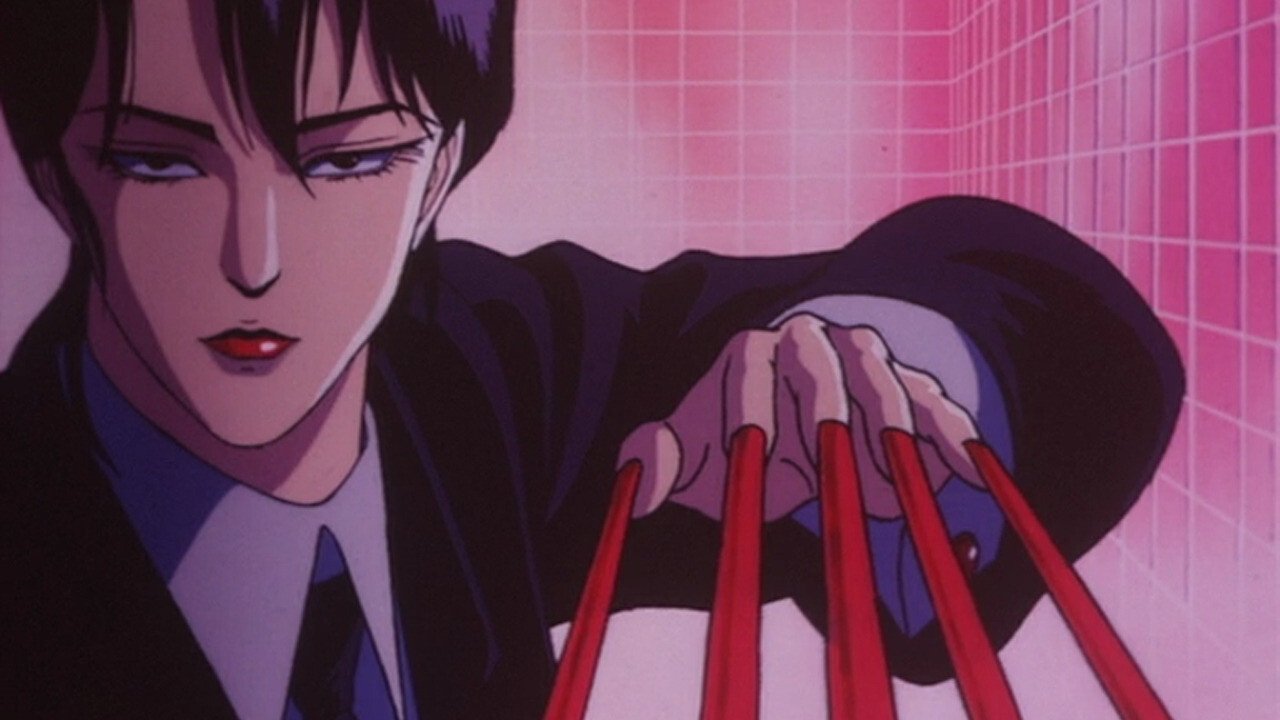
Justification: Wicked City earns a strong 8 for its stunningly realised dark atmosphere, influential visual style, and its sheer audacity in pushing the boundaries of animated content for its time. Yoshiaki Kawajiri's direction is confident and visionary, establishing his signature blend of visceral action and grotesque horror. The animation holds up remarkably well, particularly the creature designs and transformations. While the explicit content remains potentially off-putting for some and occasionally tips towards exploitation, it's integral to the film's uncompromising identity. It loses a couple of points perhaps for a plot that feels slightly rushed in its OVA runtime and characters who, while iconic in design, could be explored with more depth.
Final Thought: More than just shock value, Wicked City is a slick, stylish, and deeply unsettling dive into a world where human desires and demonic horrors bleed together under the perpetual rain. It’s a quintessential piece of late-80s dark anime, a tape that, once watched late at night, tended to linger in the mind long after the VCR clicked off.