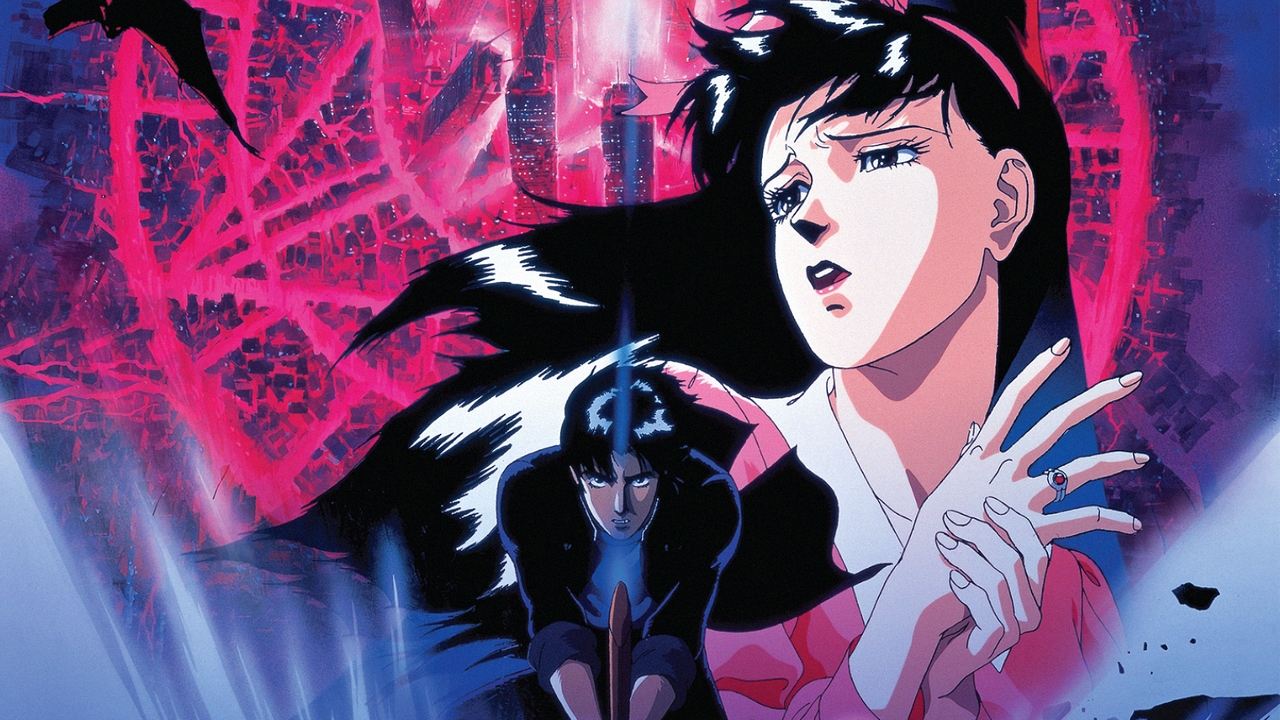
The familiar hum of the VCR fades, the screen flickers, and we’re plunged into a vision of urban decay unlike any other. Forget the neon glow and bustling crowds; this is Tokyo’s Shinjuku district swallowed whole by nightmare. Ten years prior, a psychic duel of apocalyptic proportions shattered the city, leaving Shinjuku a demon-haunted wasteland sealed off from the world. This chilling panorama is our welcome mat to Demon City Shinjuku (1988), an OVA that landed on Western shores like a shard of obsidian, cutting through expectations of what animation could be.
### A City Drowned in Shadow
What director Yoshiaki Kawajiri crafts here, even in this earlier work predating his arguably more polished Ninja Scroll (1993), is pure atmosphere. Based on a novel by Hideyuki Kikuchi, the mind behind the gothic horror of Vampire Hunter D, Demon City Shinjuku doesn't just feature monsters; it breathes dread. The colour palette is deliberately muted, favouring deep blues, sickly greens, and oppressive blacks. Sunlight seems like a forgotten myth in this cursed zone. The animation, characteristic of late-80s OVAs (Original Video Animation – straight-to-video releases that often pushed creative boundaries), has that distinct hand-drawn weight. It might lack the hyper-fluidity of modern anime, but there’s a tangible quality to the ruined landscapes and grotesque creature designs that gets under your skin. Remember renting something like this from the 'Adult Animation' section, maybe tucked away near the horror aisle, unsure exactly what you were getting into? This tape felt dangerous.
### The Reluctant Hero's Descent
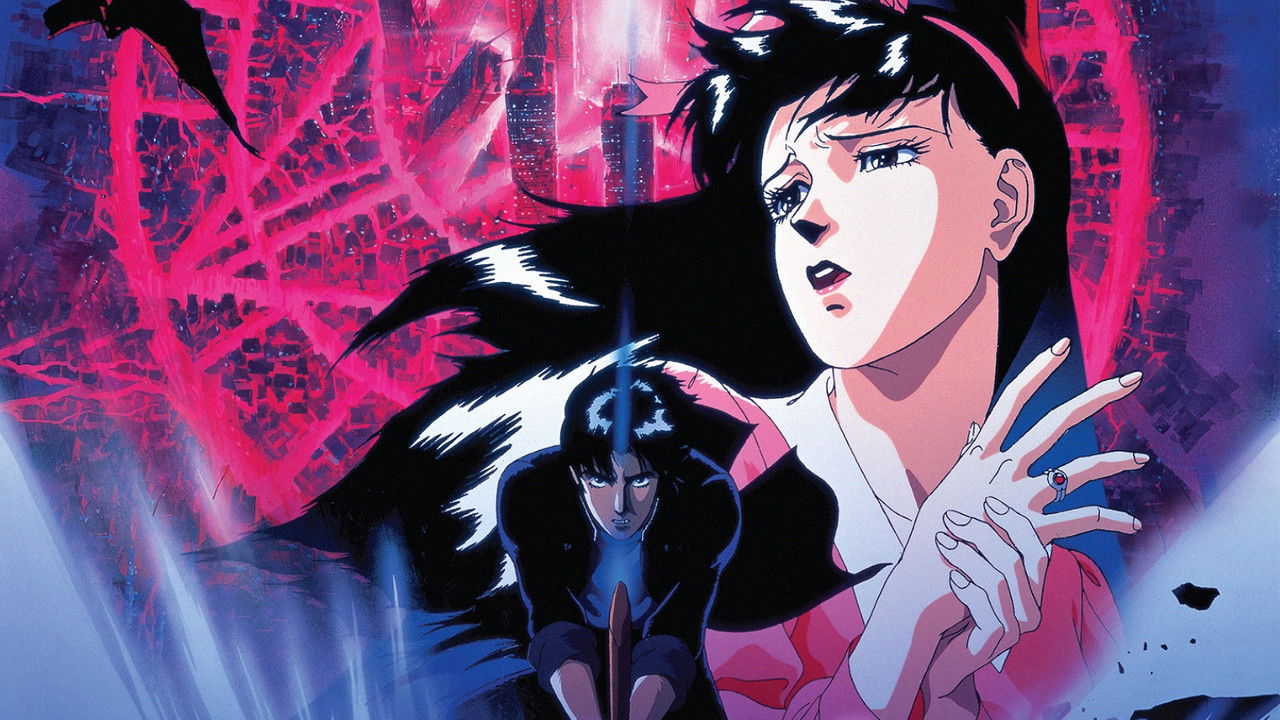
The plot is deceptively simple, almost mythic. The malevolent psychic Levih Rha (or Rebi Ra, depending on your translation), architect of Shinjuku's ruin, prepares to expand his demonic dominion over the entire planet. Humanity's only hope lies with Kyoya Izayoi (Hideyuki Hori), the seemingly carefree son of Rha’s defeated rival. Pressured by the desperate pleas of the President's daughter, Sayaka Rama (Hiromi Tsuru, beloved voice of Bulma in Dragon Ball), Kyoya must reluctantly venture into the demonic metropolis to confront the evil that killed his father. He’s not alone for long, joined by the gruff, diminutive Mephisto (Kiyoshi Kobayashi, the iconic voice of Jigen in Lupin III), an enigmatic figure whose own motives are shrouded in shadow.
Kawajiri isn't overly concerned with intricate plotting here. The journey is the story – a descent into a Boschian hellscape populated by slithering horrors, seductive illusions, and brutal encounters. Kyoya's transformation from detached bystander to determined warrior unfolds amidst a gauntlet of visceral challenges. The focus remains squarely on the mood, the escalating tension, and the sheer otherworldly strangeness of the Demon City.
### Creatures from the Id

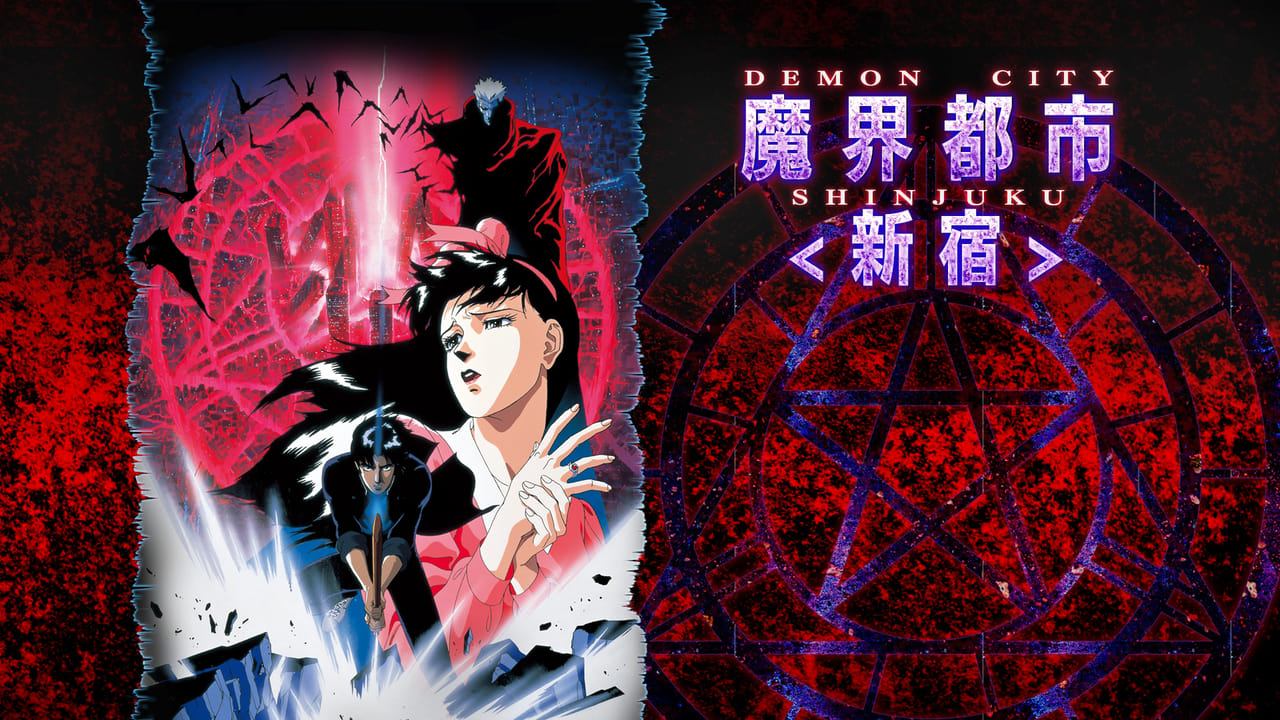
Let's talk about those demons. This is where Kawajiri truly shines. Forget generic goblins; Demon City Shinjuku offers creatures born from fever dreams. Skin that ripples and splits open, limbs that distend unnaturally, beings that are amalgamations of flesh, metal, and pure malice. They feel genuinely threatening, their designs prioritizing unsettling organic horror over mere monstrousness. There's a raw, vicious energy to the action sequences. They aren't always elegant, but they possess a brutal impact, enhanced by Kyoya’s developing mastery over his own latent powers and the legendary cursed sword passed down from his father. Doesn't that water demon still feel unnervingly creepy?
The production, handled by the legendary Madhouse studio, reflects the era's OVA boom. These projects often served as proving grounds for talented directors like Kawajiri, allowing for darker, more violent, and sexually suggestive content unsuitable for television broadcast. It's fascinating to note that Hideyuki Kikuchi's original novel is apparently far more expansive; the OVA necessarily streamlines the narrative, focusing on the core quest and atmospheric horror. For many Western viewers, encountering Demon City Shinjuku on VHS was a revelation – animation could be dark, gritty, and explicitly adult. It felt illicit, exciting, a world away from Saturday morning cartoons.
### Lingering Chill, Fading Echoes
Demon City Shinjuku isn't perfect. The character development beyond Kyoya is somewhat thin, serving more as archetypes to guide or challenge the hero. Some animation shortcuts are noticeable, typical of budgets stretched across ambitious designs. And yes, the English dub, while featuring some familiar voices, has that certain... quality... common to many anime imports of the time. Yet, its power lies in its unwavering commitment to its dark vision. It established Kawajiri as a master of stylish, atmospheric action-horror, paving the way for Wicked City (1987 – though technically released slightly earlier in Japan, its Western VHS release often followed Demon City) and the international breakout hit Ninja Scroll.
It captures a specific moment in anime history – the untamed, often brutal creativity of the OVA era spilling onto Western rental shelves. It might seem overshadowed by later, slicker productions, but its influence is undeniable. It helped carve out a space for adult-oriented animation and delivered a concentrated dose of dark fantasy that still resonates with a certain eerie charm.
***
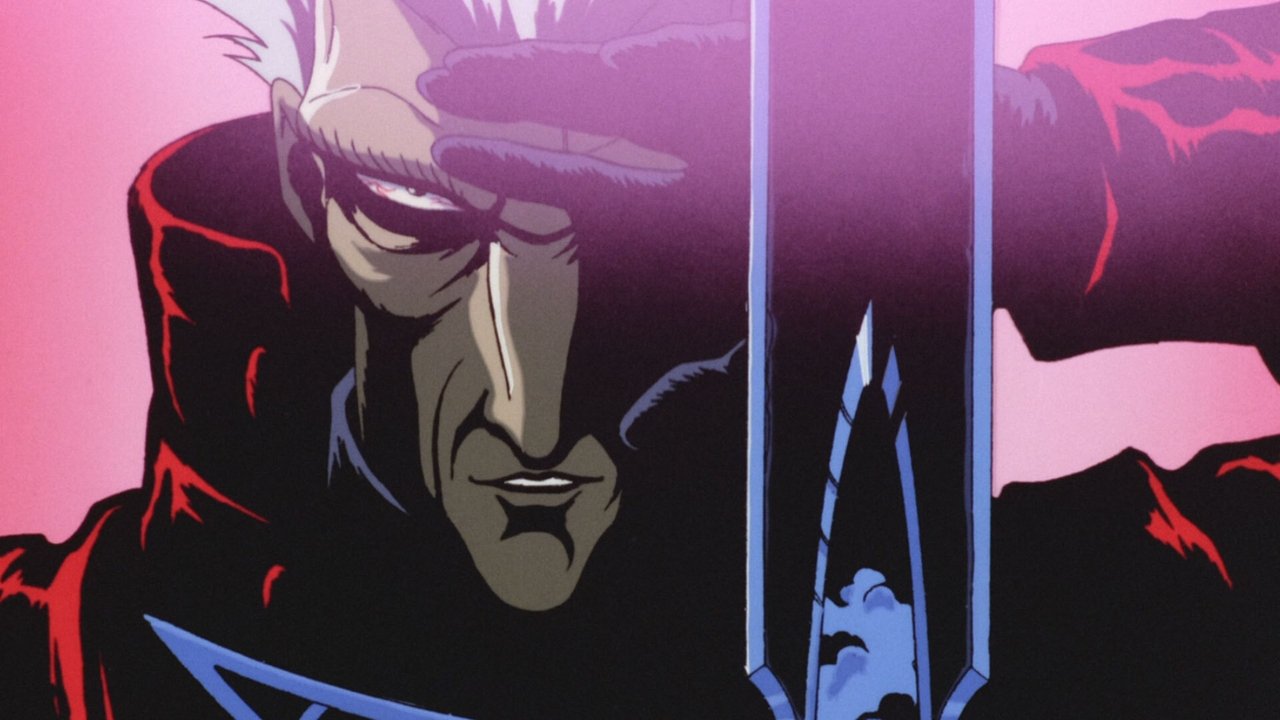
VHS Heaven Rating: 7/10
Justification: While the plot is straightforward and character depth limited, Demon City Shinjuku excels in creating a palpable atmosphere of dread and showcases Yoshiaki Kawajiri's burgeoning stylistic genius. The creature designs are memorable, the action visceral (for its time), and its impact as an early ambassador of dark anime to the West is significant. It loses points for some dated animation elements and narrative simplicity but remains a potent slice of 80s OVA horror that perfectly captures the feeling of discovering something dark and forbidden on VHS.
Final Thought: It may not be the deepest narrative dive, but pop this tape in late at night, and the oppressive gloom of that demon-infested Shinjuku still knows how to crawl under your skin. A cult classic portal to anime's darker side.