There's a quiet melancholy that permeates certain films, settling not like dust, but like a fine mist that clings long after the final frame. Ettore Scola’s What Time Is It? (Che ora è?, 1989) is precisely such a film, a work less concerned with plot mechanics than with the intricate, often painful, dance of human connection, particularly between a father and son separated by more than just miles. Watching it again recently, it felt less like revisiting a movie and more like eavesdropping on a profoundly intimate, sometimes uncomfortable, conversation unfolding over a single day.
A Day of Reckoning in Civitavecchia
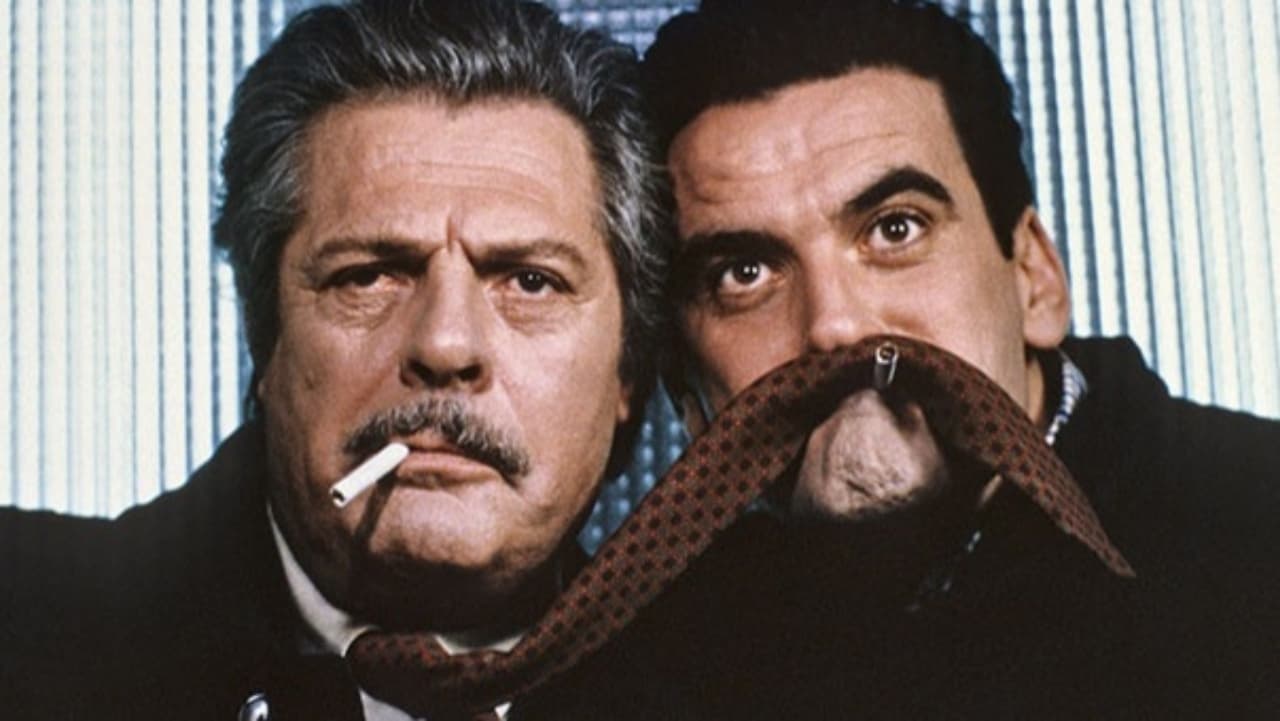
The setup is deceptively simple: Marcello, a successful, worldly Roman lawyer played with effortless, lived-in charm by the legendary Marcello Mastroianni, arrives in the port town of Civitavecchia. He's there to meet his son, Michele (played by the wonderfully expressive Massimo Troisi), who is nearing the end of his mandatory military service. Marcello comes bearing gifts – chief among them an expensive, symbolic watch – and the expectation of shared reminiscences and fatherly bonding. Michele, however, is reserved, awkward, seemingly unimpressed by his father's bonhomie and material gestures. The entire film unfolds during this brief reunion, charting the emotional ebb and flow as they talk, argue, eat, and wander through the slightly drab, workaday town, a far cry from Marcello's sophisticated Rome.
What emerges isn't a story of grand revelations or dramatic twists, but a meticulously observed study of generational disconnect and the struggle to articulate love and disappointment. Mastroianni embodies the generation that built careers, chased success, perhaps assuming familial connection would simply fall into place. His Marcello papers over insecurities with anecdotes and gestures, clearly loving his son but utterly baffled by his apparent lack of ambition and his quiet dissatisfaction. You see the faint cracks in his confident facade, the moments where he senses the chasm between them but lacks the tools to bridge it. It’s a performance of subtle grandeur, the kind Mastroianni, already a titan thanks to films like La Dolce Vita (1960) and 8½ (1963), could deliver with his eyes closed, yet he remains fully present, deeply invested.
The Quiet Power of Troisi
Opposite him, Massimo Troisi is a revelation. Known more widely outside Italy for his heartbreaking final role in Il Postino (1994) – a film he tragically completed shortly before his untimely death from a long-standing heart condition – Troisi here showcases his incredible capacity for conveying complex interiority with minimal fuss. His Michele is introspective, sensitive, burdened by an undefined ennui. He doesn't resent his father, exactly, but he exists on a different frequency, valuing relationships and authenticity over the societal markers of success Marcello represents. Troisi uses his soulful eyes and hesitant body language to communicate volumes, capturing the quiet agony of feeling misunderstood by the person whose approval perhaps matters most. The chemistry between the two leads is electric, a push-and-pull of affection, frustration, and missed connections that feels achingly real. It’s little wonder they shared the prestigious Volpi Cup for Best Actor at the 1989 Venice Film Festival – their performances are not just individually brilliant, but perfectly intertwined.
Scola's Observant Eye
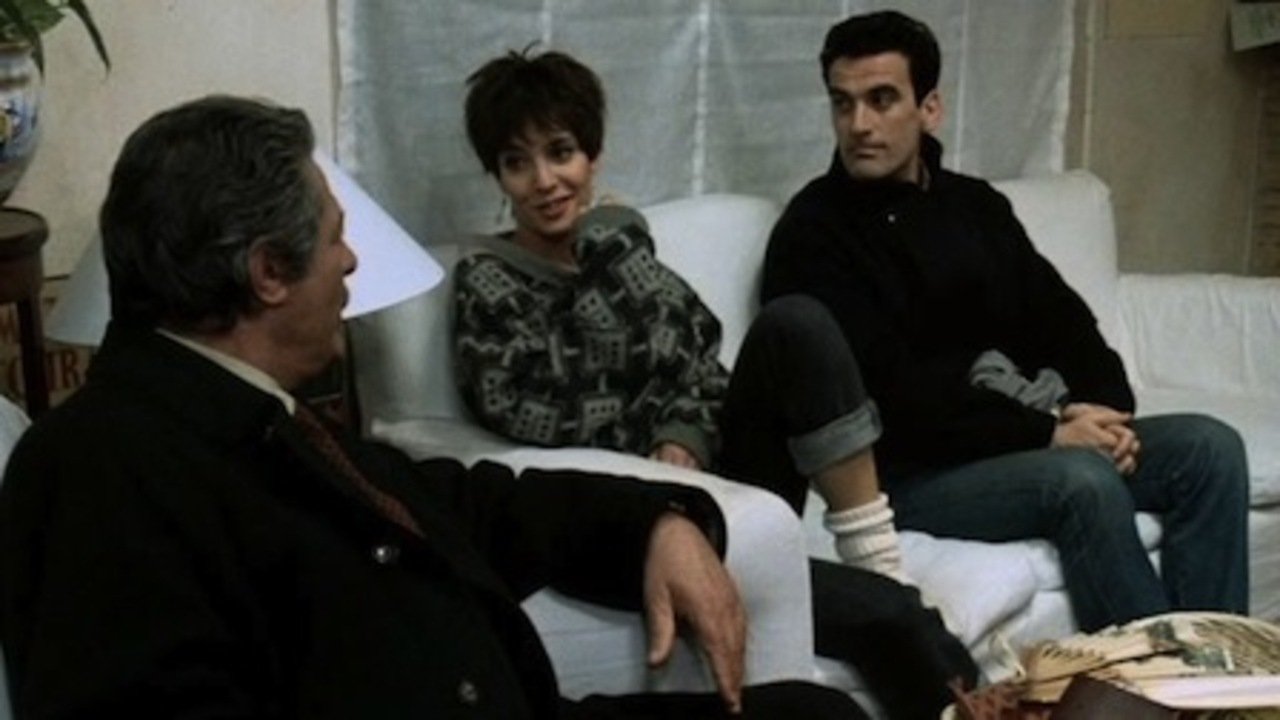
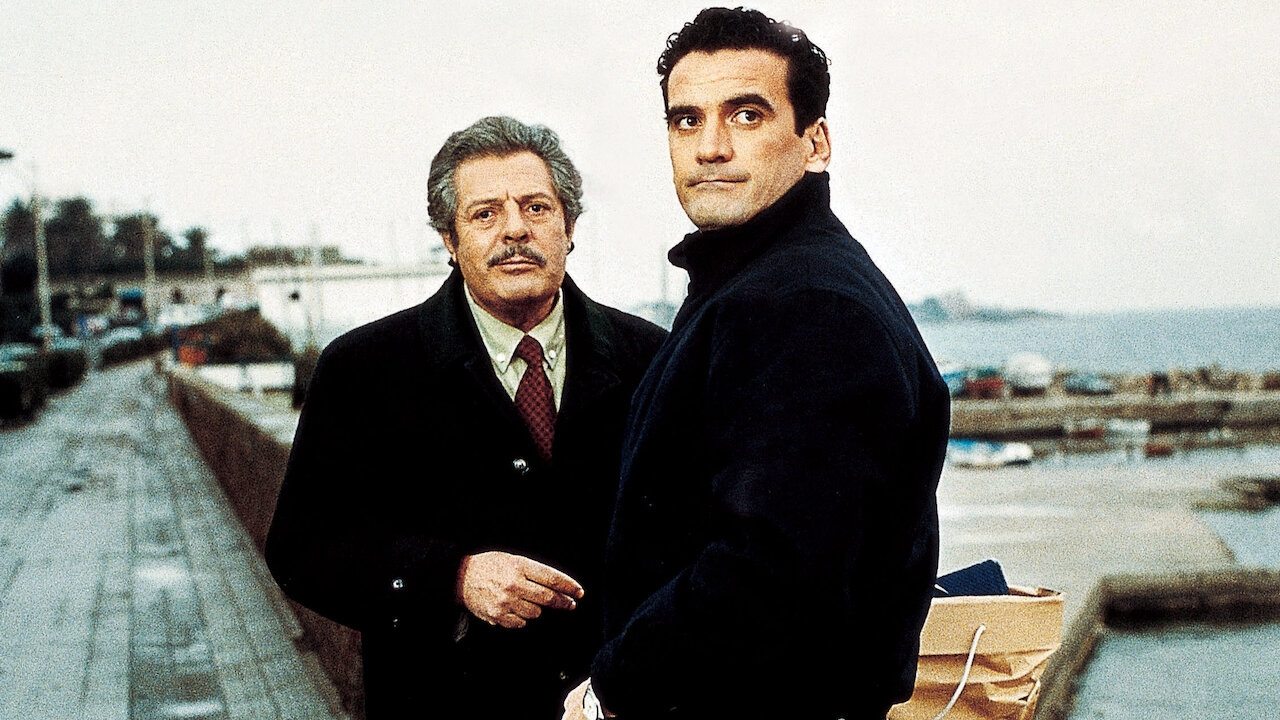
Director Ettore Scola, a master of Italian humanist cinema (A Special Day, We All Loved Each Other So Much), directs with a patient, observant hand. He lets the conversations breathe, allowing silences to speak as loudly as words. The choice of Civitavecchia as a setting is inspired; its unglamorous, slightly weary atmosphere mirrors the emotional landscape of the characters. There are no flashy cinematic tricks here, just a focus on faces, gestures, and the subtle shifts in mood. The recurring motif of time – Marcello’s obsession with schedules, the gift of the watch, the very title – underscores the central theme: the time lost between them, the differing value they place on how time should be spent, and the dawning realization that perhaps it's later than Marcello thinks to truly connect.
Finding a film like What Time Is It? back in the video store days felt like unearthing a hidden gem. Tucked away perhaps in the 'Foreign Films' section, often overlooked amidst the louder action and horror flicks clamoring for attention from their lurid covers, it offered something different. It demanded patience, a willingness to engage with characters simply navigating the messy terrain of their relationship. It wasn't about explosions or plot twists, but about the quieter, more profound explosions happening beneath the surface of polite conversation. I distinctly remember renting films like this, sometimes on a whim based on a familiar name like Mastroianni, and feeling rewarded by their depth and humanity – a welcome counterpoint to the week's blockbuster rental.
There's a poignant scene where Marcello tries to impress upon Michele the importance of ambition, of doing something, while Michele seems more concerned with simply being, with finding meaning in smaller, more personal moments. Doesn't this conversation echo through generations, this tension between striving and simply living? What does it truly mean to live a fulfilling life? The film doesn't offer easy answers, but it poses the questions with grace and intelligence.
Rating: 8/10
What Time Is It? earns this rating for its masterful performances, particularly the unforgettable pairing of Mastroianni and Troisi, its insightful and deeply human script, and Scola's sensitive direction. It's a deliberately paced character study, so those seeking high-octane drama might find it slow. However, its emotional resonance is undeniable, built on subtle observation rather than overt melodrama. The shared Best Actor award at Venice wasn't just festival politics; it was a genuine recognition of two actors operating at the peak of their powers, creating something truly special together.
It leaves you contemplating the moments we miss, the words left unsaid, and the precious, fleeting nature of time itself – especially the time we have with those we love. A quiet masterpiece that lingers.