There's a peculiar kind of discomfort, isn't there, when witnessing someone utterly convinced of their own irresistible charm, especially when that charm bulldozes through delicate family dynamics? It’s a feeling that permeates Once Around, Lasse Hallström's 1991 character study, like the persistent chill of a New England winter giving way to a hesitant spring thaw. Watching it again after all these years, pulling that well-worn tape from its sleeve, felt less like revisiting an old favourite and more like encountering a complicated relative – frustrating, perhaps even exasperating at times, yet undeniably, profoundly human.
The Salesman Storms the Castle
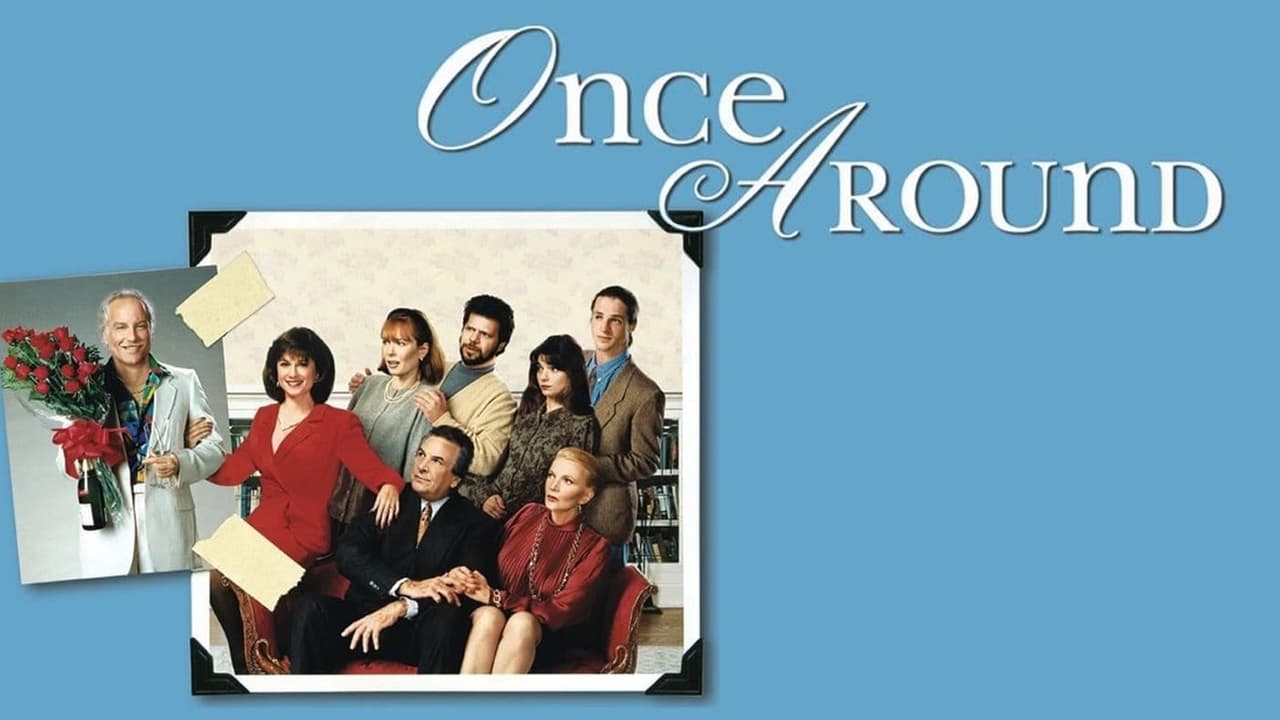
At the heart of the storm is Sam Sharpe, played with a manic, almost desperate energy by Richard Dreyfuss. Fresh off successes like Stakeout (1987) and Always (1989), Dreyfuss throws himself into Sam, a high-flying condo salesman who seems incapable of turning off his pitch. He's loud, grandiose, embarrassingly generous, and relentlessly optimistic, yet beneath the surface, you sense a gnawing insecurity. He sweeps Renata Bella (Holly Hunter) off her feet, but his arrival sends ripples, then waves, through her tight-knit, traditional Italian-American family. Dreyfuss’s performance is a masterclass in controlled chaos; he makes Sam simultaneously magnetic and repellent. You understand Renata's initial fascination, but you also share her family's bewildered apprehension. Is this guy for real? And more pointedly, is his larger-than-life persona sustainable, or even healthy?
Finding Shelter in the Hurricane's Eye
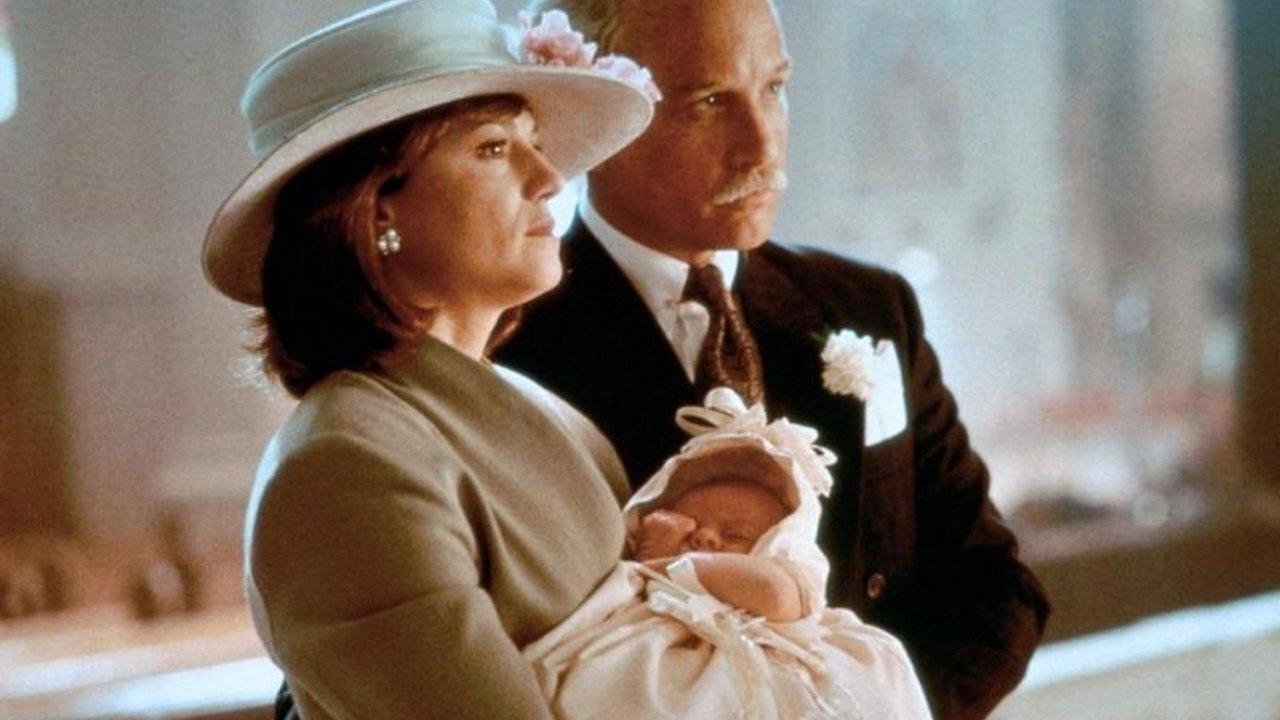
Holly Hunter, who had recently captivated audiences in Broadcast News (1987) and Miss Firecracker (1989), provides the film's emotional anchor as Renata. She’s recovering from a painful breakup, feeling like the odd one out in her seemingly perfect family, and Sam’s whirlwind attention feels like a lifeline. Hunter portrays Renata's vulnerability and quiet resilience beautifully. Her performance isn't about grand gestures; it's in the subtle shifts in her eyes, the hesitant smiles, the moments she steels herself against her family's judgment or Sam's latest outrageous act. The chemistry between Hunter and Dreyfuss is complex – less about conventional romance and more about two slightly damaged people clinging to each other amidst the wreckage of their pasts and the turbulence of the present. You root for Renata, even as you question her choices, largely because Hunter makes her journey feel so achingly real.
Family Ties and Friction Burns
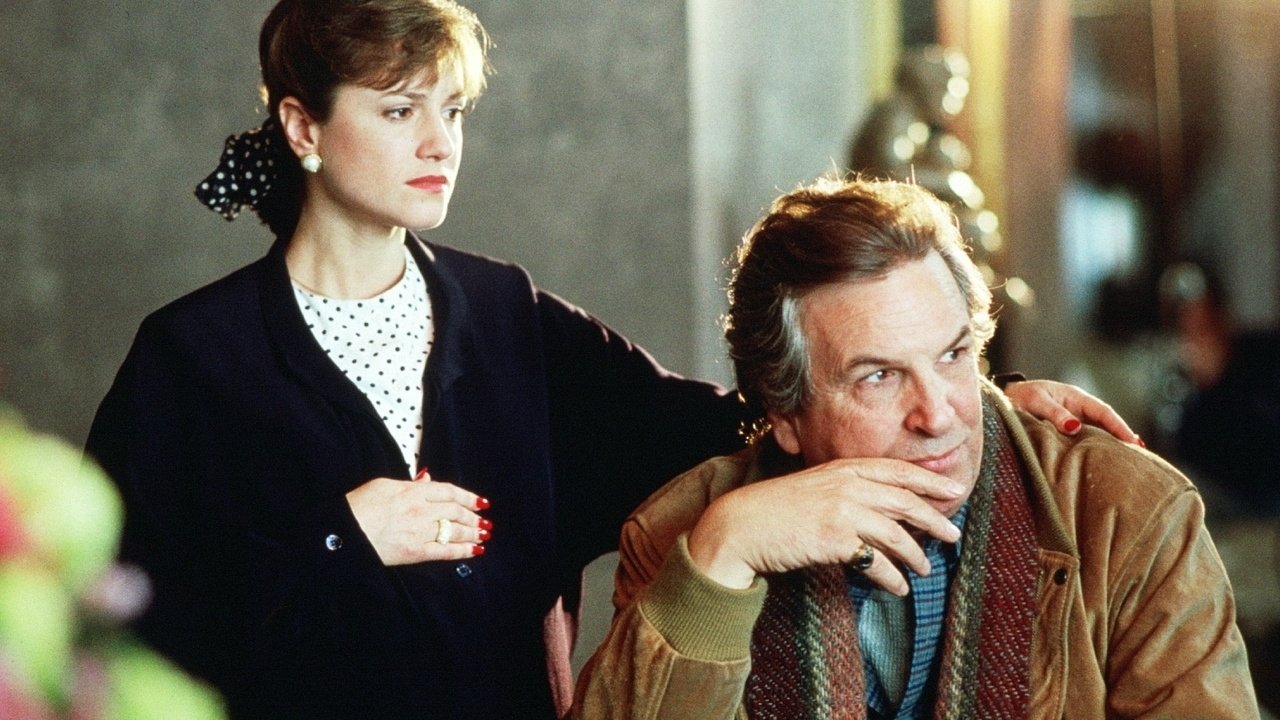
The Bella family, led by the stoic patriarch Joe (Danny Aiello, perfectly embodying paternal concern and simmering disapproval), is the film's grounding force. Gena Rowlands brings her signature grace to the role of Renata's mother, Marilyn, while Laura San Giacomo and Roxanne Hart provide excellent support as the contrasting sisters. The film excels in depicting the unspoken rules, ingrained rituals, and fierce loyalty of this clan. Their initial resistance to Sam isn't just snobbery; it's a deep-seated fear of disruption, a protective instinct for Renata and their way of life. Aiello, in particular, shines as Joe, his quiet disapproval a palpable force against Sam's relentless effervescence. Their scenes together crackle with tension – the immovable object meeting the supposedly unstoppable force. The friction Sam creates isn't just dramatic; it forces the Bellas, and Renata, to confront uncomfortable truths about themselves and what they truly value.
Hallström's Humanist Lens
Swedish director Lasse Hallström, who had charmed international audiences with My Life as a Dog (1985), brings his distinctive humanist touch to the proceedings. Working from Malia Scotch Marmo's insightful script (she’d later co-write Hook), Hallström navigates the tricky tonal shifts with sensitivity. He finds humor in the awkwardness, pathos in the conflict, and beauty in the messy imperfections of human connection. He doesn't shy away from making the audience uncomfortable; Sam’s behavior is often over-the-top, bordering on obnoxious. I recall renting this back in '91 or '92, expecting perhaps a straightforward romantic comedy, and being struck by its more complex, bittersweet flavor. It wasn't trying to neatly resolve everything. Filmed on location in Massachusetts and Saint Martin, the visuals capture both the cozy claustrophobia of family gatherings and the aspirational emptiness of Sam's world. James Horner's score subtly underscores the emotional currents without overwhelming them. The film didn't set the box office alight – earning back roughly its $15 million budget – perhaps because its nuanced, sometimes prickly portrayal of love and family wasn't the easy escapism audiences craved.
What Lingers After the Whirlwind?
Once Around isn't a film you passively watch; it invites you to grapple with its characters. What draws Renata to Sam's overwhelming personality? Is it genuine love, or a reaction against her family's more staid expectations? Can disruptive forces like Sam ultimately enrich a family, or merely fracture it? The film bravely refuses easy answers. It suggests that love can be found in the most unexpected, even inconvenient, packages, but it doesn't pretend that acceptance comes without cost or compromise. It acknowledges the profound annoyance Sam often inspires, validating the audience's (and the family's) reactions, yet still asks us to see the vulnerability beneath his bluster, especially as the story takes a more somber turn.
Rating: 7/10
This rating reflects the film's strengths in performance and emotional honesty, particularly from Hunter and Aiello, and Hallström's sensitive direction. Dreyfuss is undeniably committed, delivering a performance that’s meant to be divisive, which is a bold choice. However, the sheer grating nature of Sam's character, while intentional, can make parts of the film a challenging watch, and the pacing occasionally meanders. It doesn't quite reach the heights of Hallström's later work like What's Eating Gilbert Grape (1993), but its unflinching look at flawed characters finding imperfect love makes it a worthwhile, if sometimes uncomfortable, visit back to the shelves of early 90s relationship dramas.
It's a film that lingers, not necessarily with warmth, but with the residue of complex emotions – a testament to its honest, if occasionally awkward, heart. It asks us how much disruption we can tolerate for the sake of love, a question as relevant now as it was when this tape first hit the rental shelves.