It’s hard to imagine a time before Wallace and Gromit were household names, before Wensleydale cheese sales spiked thanks to a certain plasticine inventor. But every legend has an origin story, and for this iconic duo, it began not with a bang, but with the gentle whir of a Bolex camera and the meticulous movement of clay. "A Grand Day Out," released in 1990 but famously started years earlier, wasn't just a film; it felt like discovering a secret, handcrafted world beaming magically from the trusty VHS player.

### A Cracking Idea Takes Flight
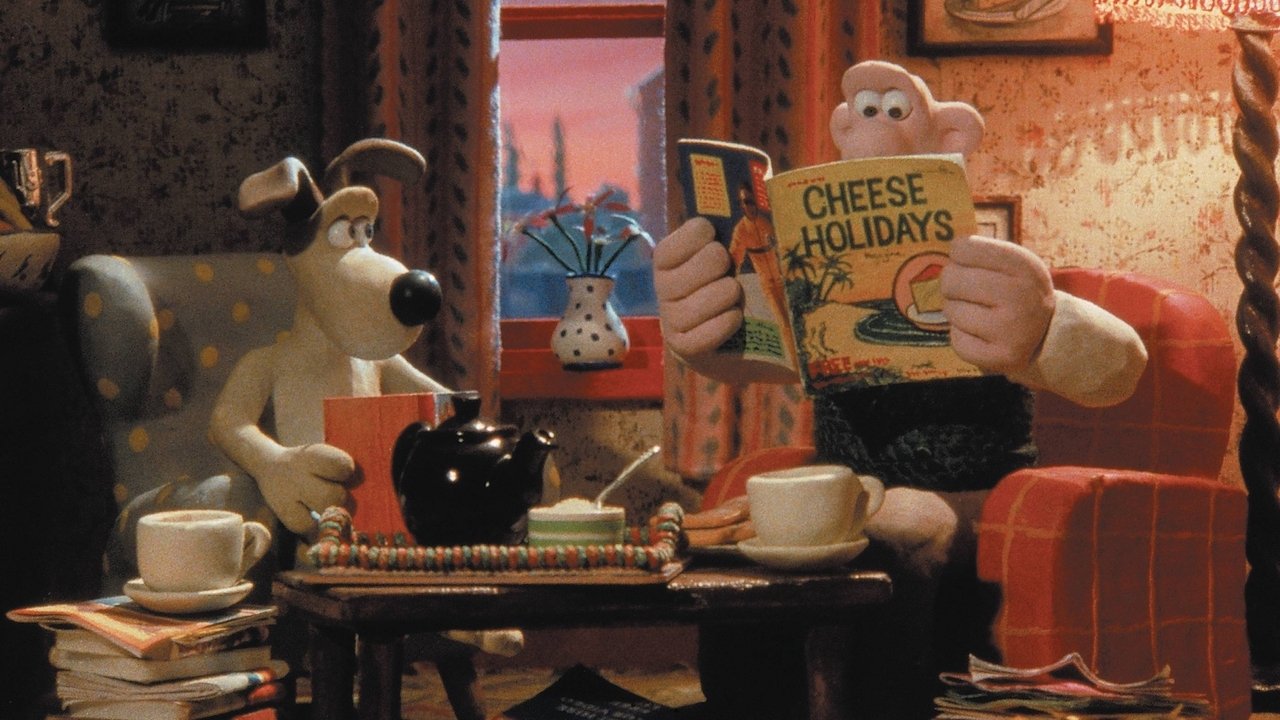
The premise is delightfully simple, yet utterly unique. Wallace, the eccentric, cheese-loving inventor from Wigan, voiced with unforgettable warmth by the late, great Peter Sallis, realizes his cupboards are bare during a bank holiday. What’s a man to do? Why, build a rocket in his basement and pop to the moon, of course! After all, as everyone knows, the moon is made of cheese. Accompanying him is Gromit, his silent, long-suffering, yet incredibly resourceful beagle, whose expressive brows convey more emotion than pages of dialogue ever could. This simple setup, dreamed up by a young Nick Park while still a student, became the bedrock for one of Britain's most beloved animated creations.
### The Magic Touch of Clay
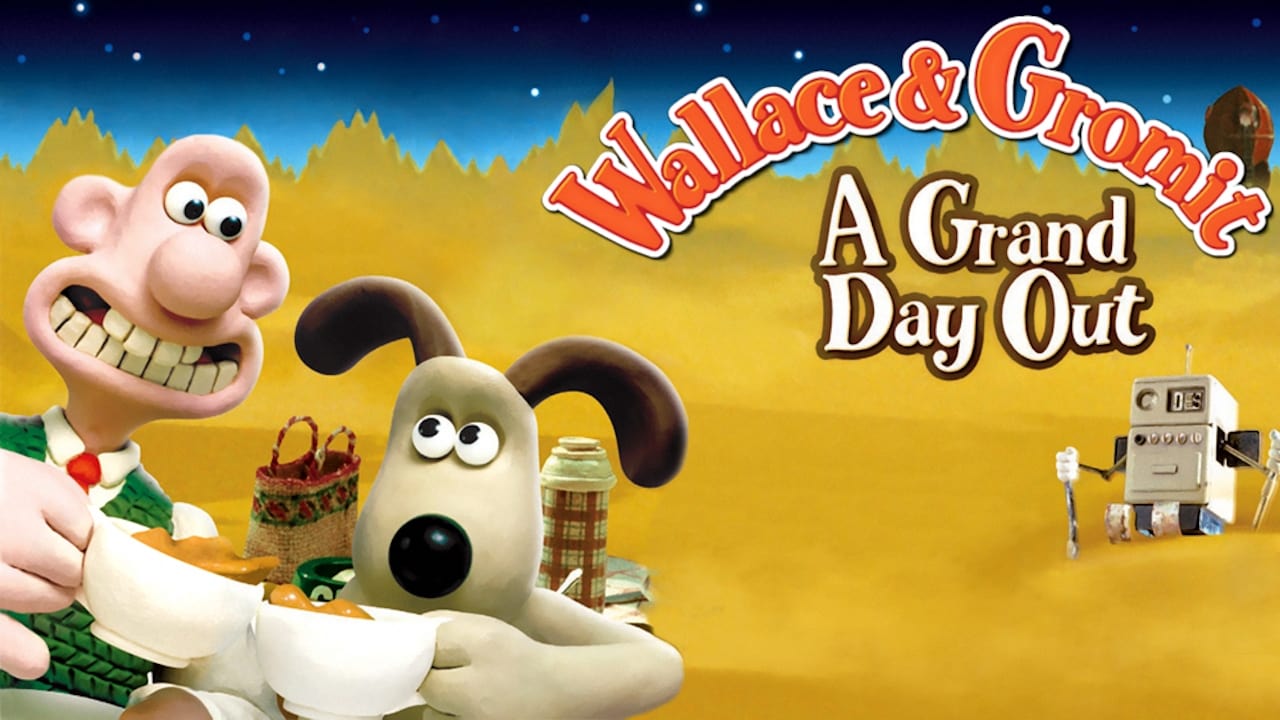
Watching "A Grand Day Out" today is like looking at a cherished photograph, slightly faded but radiating warmth. You can almost feel the thumbprints in the plasticine, a tangible reminder of the incredible human effort involved. This wasn't slick CGI; this was pure, painstaking stop-motion animation. Nick Park famously began work on the 23-minute film in 1982 as his graduation project at the National Film and Television School, eventually completing it after joining Aardman Animations. Think about that – years spent meticulously moving figures fraction by fraction for each frame. It reportedly took Park around six years, often working alone, crafting the sets from cardboard and everyday objects, bringing Wallace and Gromit to life one frame at a time. Knowing this adds a layer of awe to the viewing experience; it’s a testament to passion and dedication that feels perfectly aligned with the DIY spirit of Wallace himself.
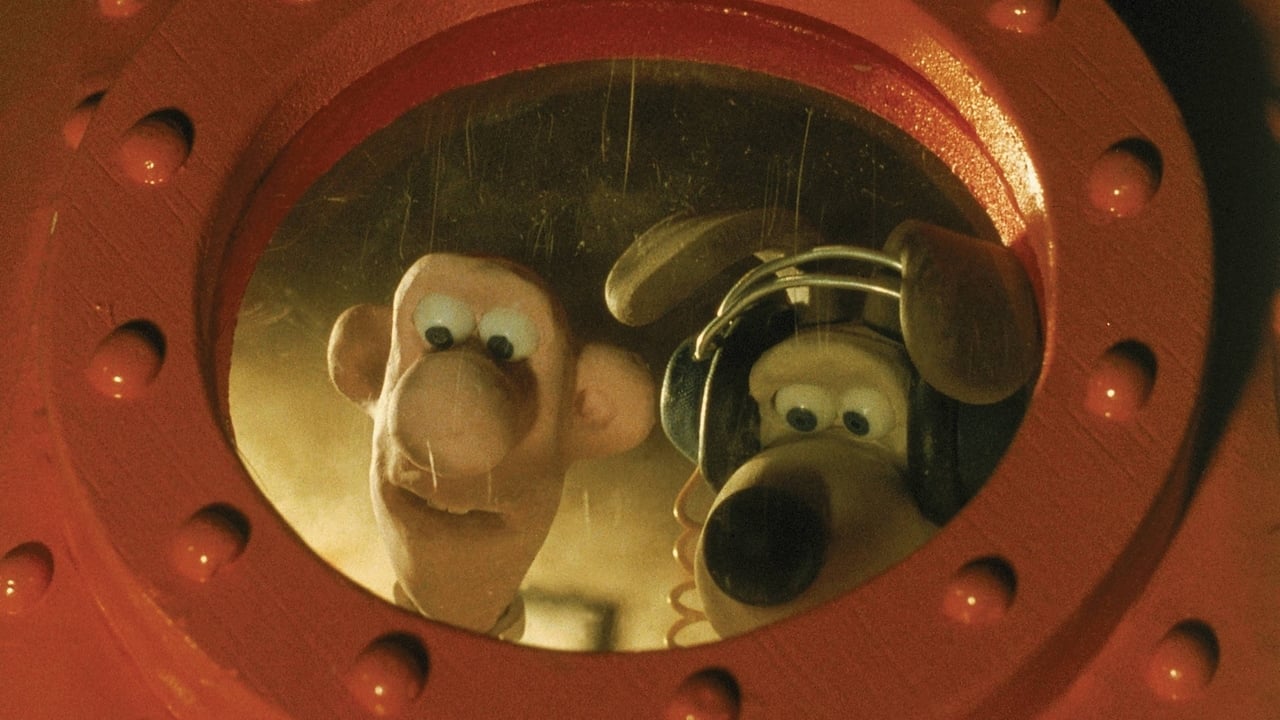
The animation style, while perhaps less refined than later entries like The Wrong Trousers (1993) or A Close Shave (1995), possesses a raw, undeniable charm. The rocket sequence, built from household scrap in Wallace’s cellar, is a masterpiece of imaginative design and comic timing. Gromit’s subtle reactions – a raised eyebrow, a weary sigh – are already perfectly pitched, establishing him as the intelligent counterpoint to Wallace's cheerful obliviousness.
### Lunar Lunacy and Lasting Legacy
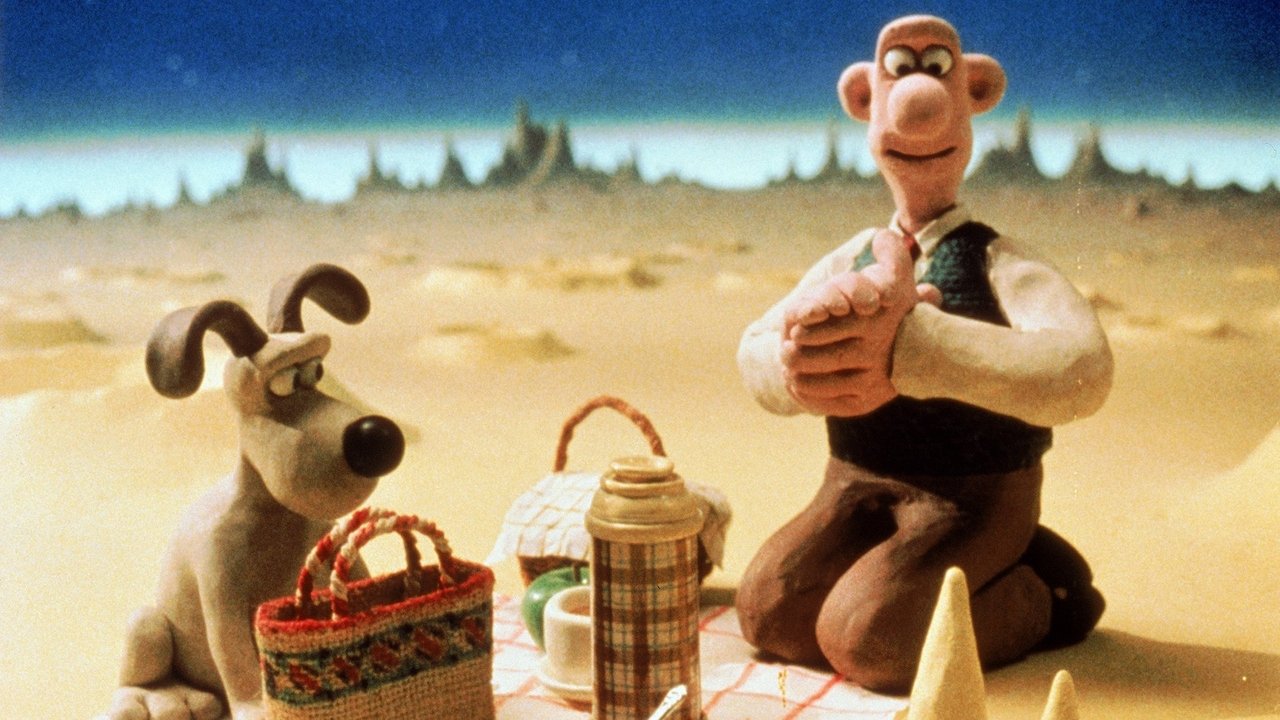
Their trip to the moon doesn't disappoint. The lunar landscape is a delightfully simple, edible-looking terrain where they encounter the film's other memorable character: the Cooker. This lonely, coin-operated automaton, dreaming of skiing, adds a touch of melancholy whimsy to the proceedings. The interactions between the earthlings and the lunar resident are pure Nick Park genius – misunderstandings, near misses, and that distinctively gentle British humour.
"A Grand Day Out" wasn't just a charming short; it was a phenomenon. It earned Nick Park his first Academy Award nomination for Best Animated Short Film in 1991 (losing out only to another Nick Park film, the brilliant Creature Comforts). It introduced the world to characters who felt instantly familiar yet completely original. While later adventures would feature more complex plots and nefarious villains (Feathers McGraw, anyone?), this first outing captured the simple joy of invention, friendship, and the universal quest for a good bit of cheese. It laid the groundwork for Aardman Animations to become a powerhouse, proving that heartfelt storytelling and incredible craftsmanship could captivate audiences worldwide.
For many of us who first encountered it on a well-worn VHS tape, "A Grand Day Out" remains special. It wasn't just a cartoon; it felt like an invitation into Nick Park's incredibly detailed, funny, and slightly bonkers world. The imperfections – the visible textures, the slightly less fluid movements compared to later works – only add to its appeal. They remind us that something truly wonderful was built by hand, fueled by passion and, presumably, quite a lot of tea.
VHS Heaven Rating: 9/10
This rating reflects its status as a groundbreaking piece of animation history and the sheer joy it still brings. While technically simpler than later installments, its charm, originality, and the monumental effort behind its creation make it an undeniable classic. It’s the blueprint for brilliance, a warm, cheesy slice of stop-motion perfection that started it all. Cracking stuff, indeed.