Alright, fellow time-travelers of the tape deck, let's rewind to a time when Gaulish warriors were just as likely to be found on our flickering CRT screens as muscle-bound action heroes. Today, we're popping in a well-loved cassette (or perhaps remembering a cherished TV broadcast) of 1986's animated adventure, Asterix in Britain. Forget the legions of Rome for a moment; our intrepid heroes are crossing the Channel, and things are about to get delightfully... British.
For many of us, the adventures of Asterix and Obelix weren't just comics; they were passports to a world brimming with clever wordplay, historical caricature, and sheer, unadulterated fun. Seeing that magic translate to animation always felt like a treat, and this fifth animated outing, directed by Pino Van Lamsweerde, dives headfirst into one of the most beloved albums penned by the legendary duo René Goscinny (sadly, this film was released after his passing, but based on his and Albert Uderzo's 1966 book) and co-written for the screen by frequent Asterix collaborator Pierre Tchernia. The mission? To deliver a barrel of Getafix's magic potion to Asterix's cousin, Anticlimax, whose village in Cantium (Kent) is the last holdout against Caesar's invasion of Britannia.
### By Toutatis, It's a Bit Different Over Here!
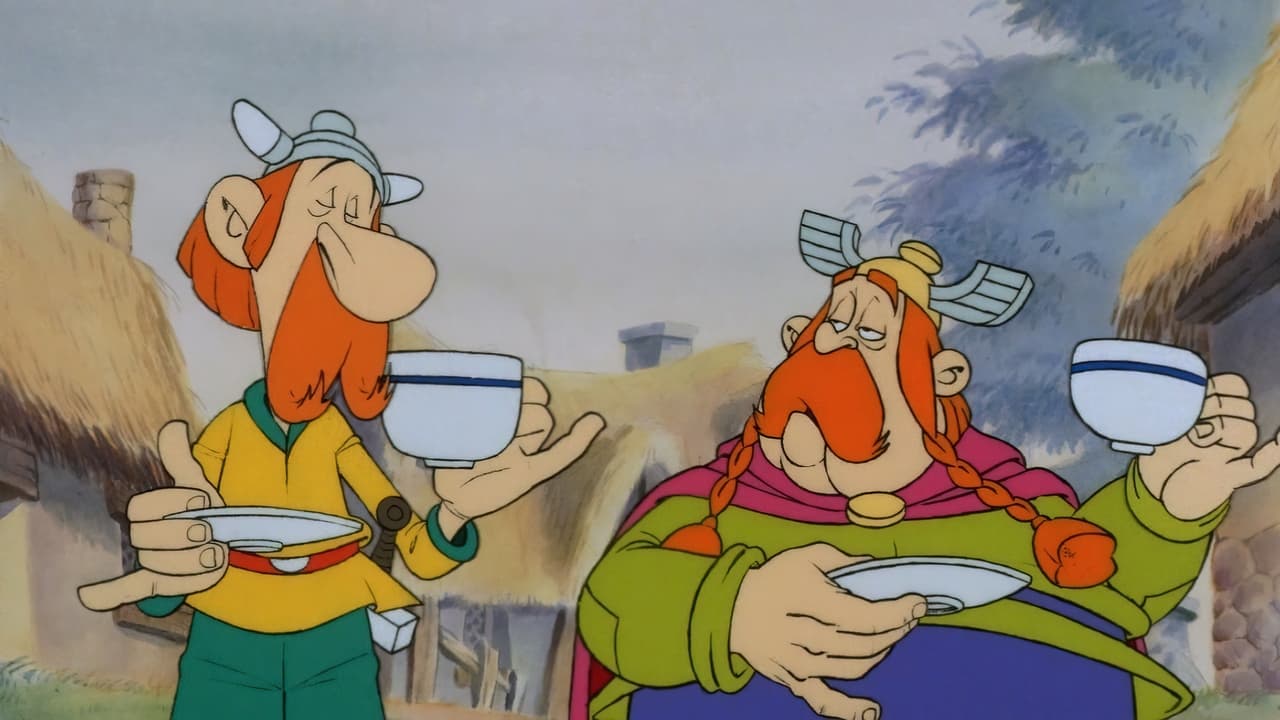
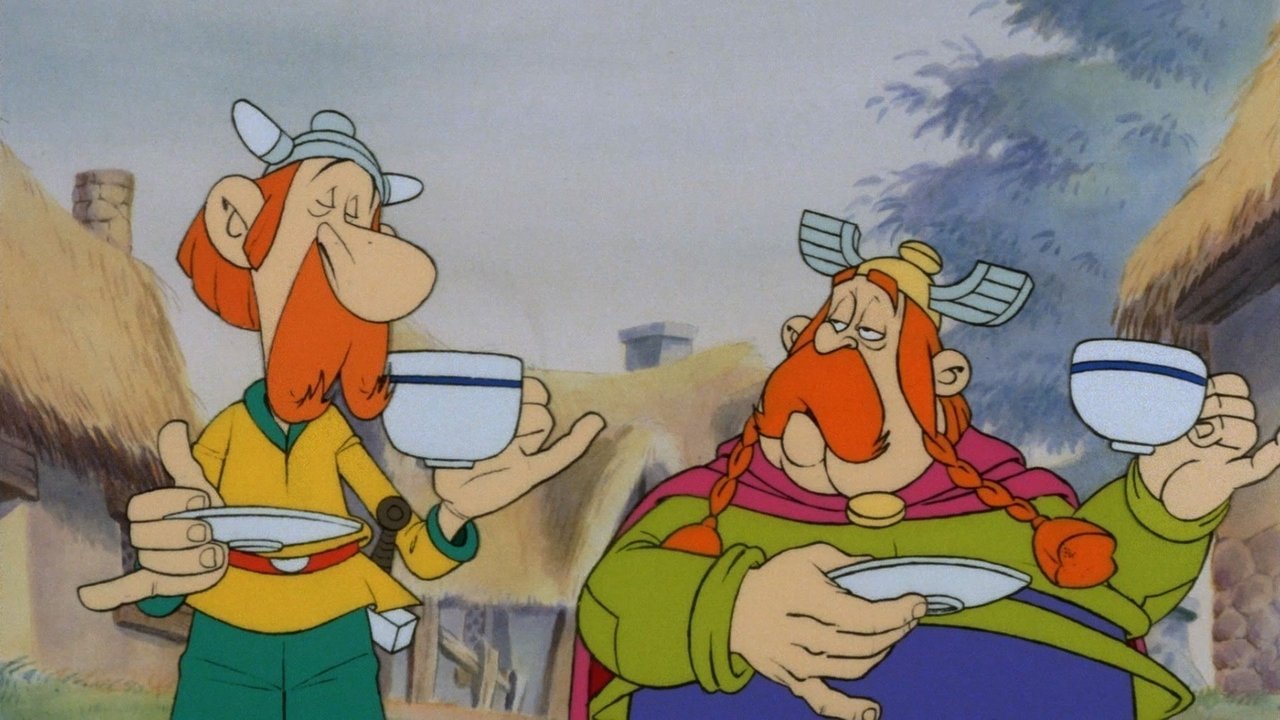
What immediately sets Asterix in Britain apart is its brilliant fish-out-of-water comedy. Our familiar Gauls, Asterix (voiced with characteristic pluck by the irreplaceable Roger Carel in the original French, or a game Graham Bushnell in the English dub often found on VHS) and the ever-hungry Obelix (Pierre Tornade, whose booming voice is Obelix for generations of French fans), find themselves navigating a land of baffling customs. The Romans invade only between 5 o'clock and the weekend? Everyone stops for hot water with milk (before the introduction of real tea, courtesy of our Gauls!)? The beer is warm? It’s a relentless, affectionate ribbing of British stereotypes, delivered with the series' trademark wit.
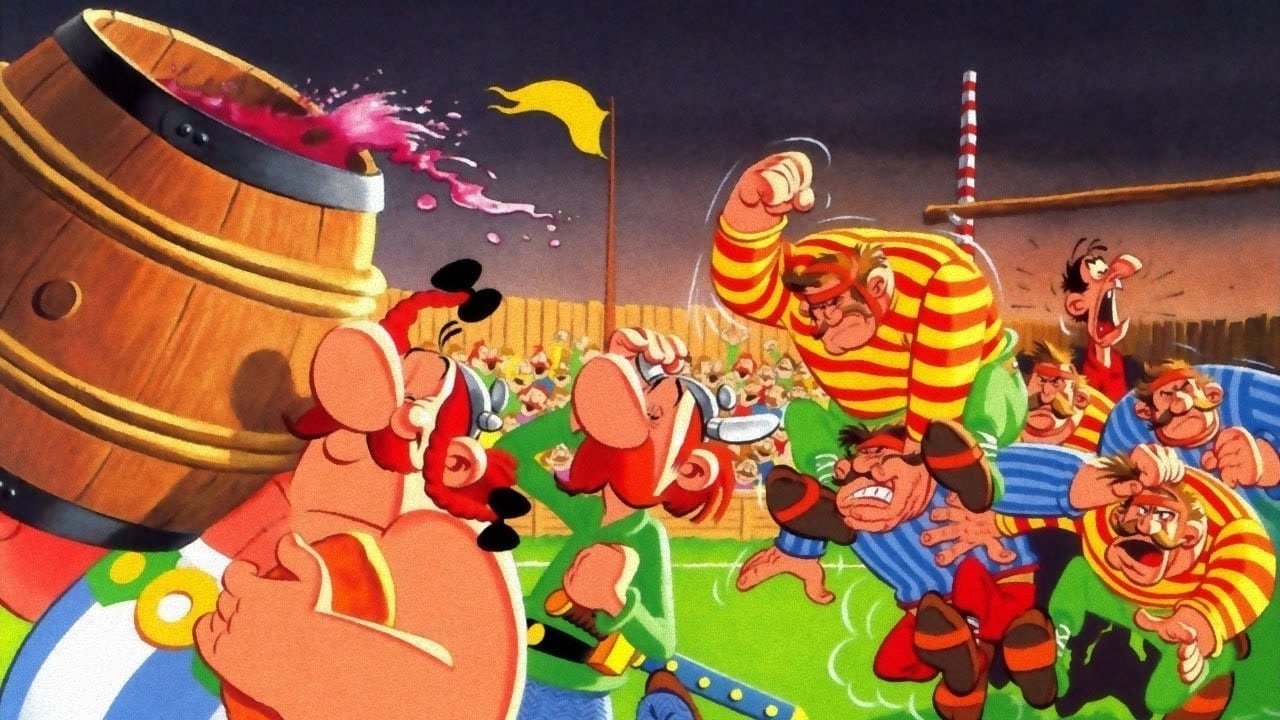
The film beautifully captures the visual style of Uderzo's artwork. While perhaps not possessing the sheer fluidity of Disney animation from the same era, the character designs, the bustling Roman camps, and the foggy streets of Londinium feel ripped straight from the comic panels. There's a certain charm to this slightly more 'grounded' animation style, common in European productions of the time, that feels perfectly suited to the source material. It avoids excessive gloss, letting the strength of the character animation and the humour shine through. Remember that chaotic rugby match? Or Obelix navigating those double-decker horse-drawn buses? Pure Uderzo, brought to life.
### More Than Just Laughs and Legionaries
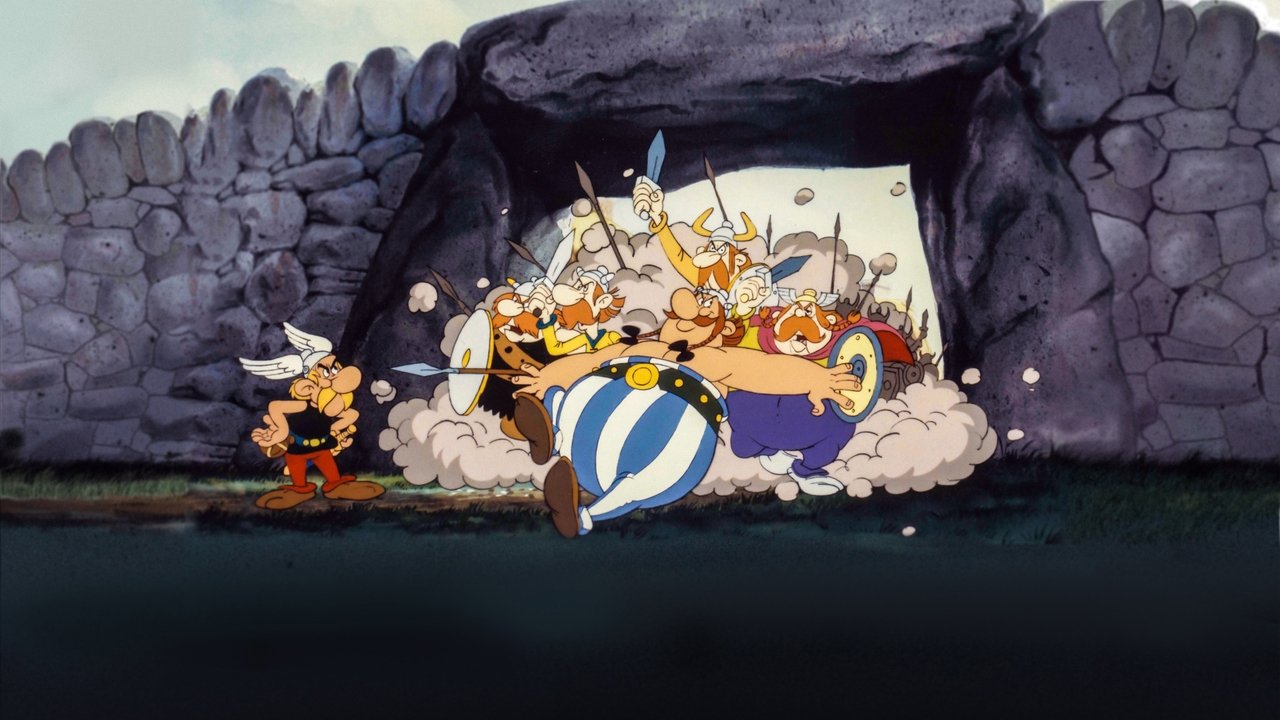
Beneath the gags about stiff upper lips and terrible food (boiled boar with mint sauce, anyone?), the story motors along with a surprising amount of incident. There's sea sickness, Roman patrols, a pilfered potion barrel leading to a city-wide search, and even a stint in the Tower of Londinium. The pacing feels brisk, mirroring the episodic nature of the original comic album, ensuring there’s always a new absurdity or challenge just around the corner.
One fascinating aspect, often a source of fun for eagle-eyed fans, is spotting the subtle (and sometimes not-so-subtle) visual nods and caricatures. While the film might slightly tone down some specifics from the book (like the Bard group clearly parodying The Beatles), the spirit remains. The depiction of the Britons – reserved, polite even in battle, prone to understatement – is consistently amusing without feeling mean-spirited. It’s the kind of gentle satire Goscinny excelled at.
Interestingly, the Asterix animated films often tweaked plot points or visual gags from the books. While Asterix in Britain is largely faithful, keen readers might notice small alterations. For instance, the journey and the search for the potion barrel feel slightly condensed, yet the core sequences – the Tower escape, the rugby game (a hilarious proto-version of the sport), the final battle fueled by tea – are all present and correct, delivered with infectious energy. It was a solid performer, continuing the reliable success of the Asterix animated features which were a staple of French cinema and popular across Europe, even if they didn't always make huge waves in the US market.
### A Potion That Still Works Its Magic
Watching Asterix in Britain today is like revisiting an old friend. Sure, the animation might not boast the slickness of modern CGI, but its hand-drawn charm is undeniable. The voice acting (especially in the original French) is iconic, bringing these characters to life with warmth and humour. The jokes, rooted in cultural observation and clever slapstick, largely hold up remarkably well. It taps directly into that vein of nostalgia for simpler animation styles and stories that focused purely on adventure and laughter.
It’s a reminder of a time when animated features didn't always need world-ending stakes or complex emotional arcs to be thoroughly entertaining. Sometimes, all you needed was a small Gaul, his large friend, a barrel of magic potion (or maybe just a nice cup of tea), and a legion of hapless Romans to bash. We didn’t need complex 3D landscapes; the foggy streets of Londinium, rendered in classic 2D, felt just as immersive on our trusty VCRs.
VHS Heaven Rating: 8/10
Asterix in Britain earns a strong 8 out of 10. It’s a wonderfully faithful adaptation brimming with the wit, charm, and character that made the comics legendary. The humour lands consistently, the animation captures Uderzo's style beautifully, and the voice cast brings the iconic duo to life perfectly. While perhaps lacking the visual polish of its bigger-budget American contemporaries of the era, its heart and humour more than compensate, making it a genuinely funny and engaging adventure that clearly supports this high score through its successful adaptation and enduring comedic appeal.
So, if you spot this one gathering dust on a shelf or lurking in the depths of a streaming service, give it a spin. It’s a delightful trip back not just to the 80s, but to ancient Britain via Gaul – a cross-Channel adventure guaranteed to leave you chuckling, just like it did all those years ago. Jolly good show, indeed!