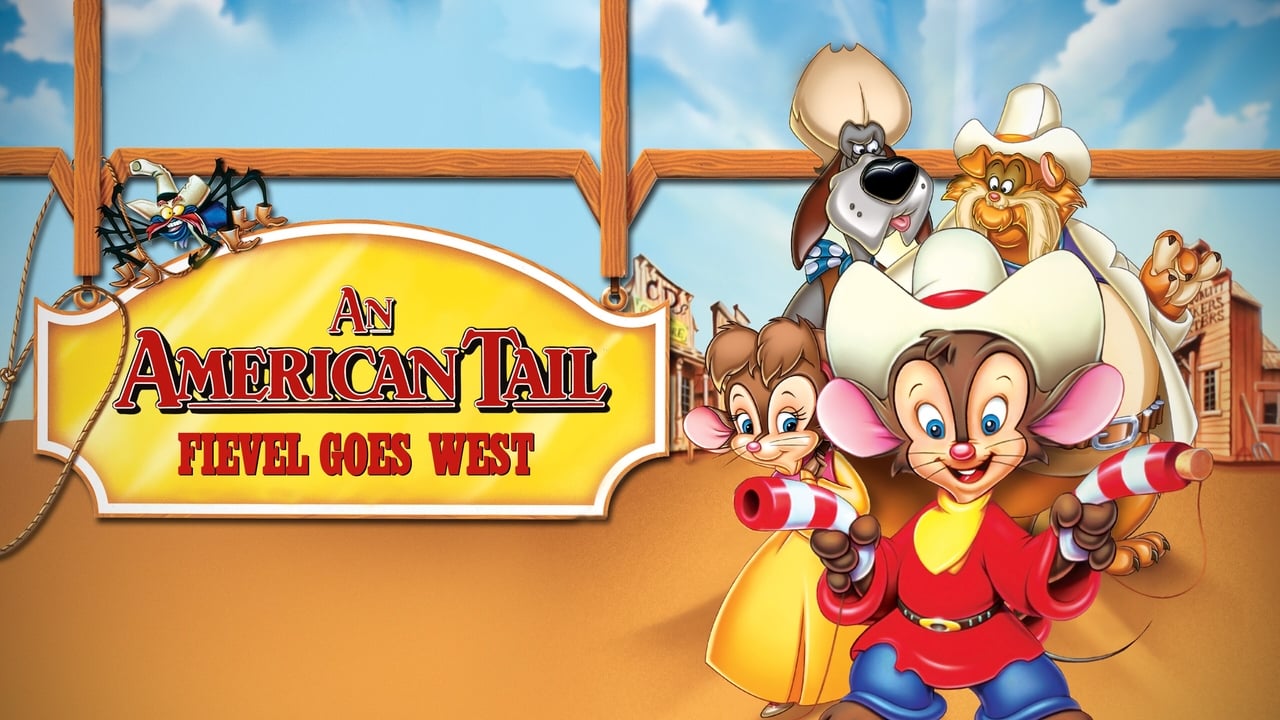
Alright, fellow tape trackers, let’s rewind to a time when the promise of the American West felt as vast and hopeful as the screen on your trusty CRT. Picture this: the Mousekewitz family, having braved the Atlantic and the perils of New York, is lured by whispers of a frontier paradise where cats and mice live in harmony. Sounds too good to be true? Well, for young Fievel, it’s the start of a whole new adventure in 1991’s An American Tail: Fievel Goes West, a sequel that traded the rain-slicked streets of the original for the sun-baked landscapes of the Wild West, and brought a decidedly different energy along for the ride.

This wasn't just another chapter; it marked the debut feature from Amblimation, Steven Spielberg's ambitious London-based animation studio aiming to challenge the Disney renaissance. Spielberg, serving as executive producer, consciously steered this follow-up away from the more melancholic, perhaps slightly darker tone of Don Bluth's 1986 original (The Secret of NIMH). The result? A film bursting with brighter colours, faster pacing, and gags that felt plucked straight from a classic Saturday morning cartoon block. It was a shift, no doubt, but one that gave Fievel Goes West its own distinct, rambunctious charm.
Go West, Young Mouse!
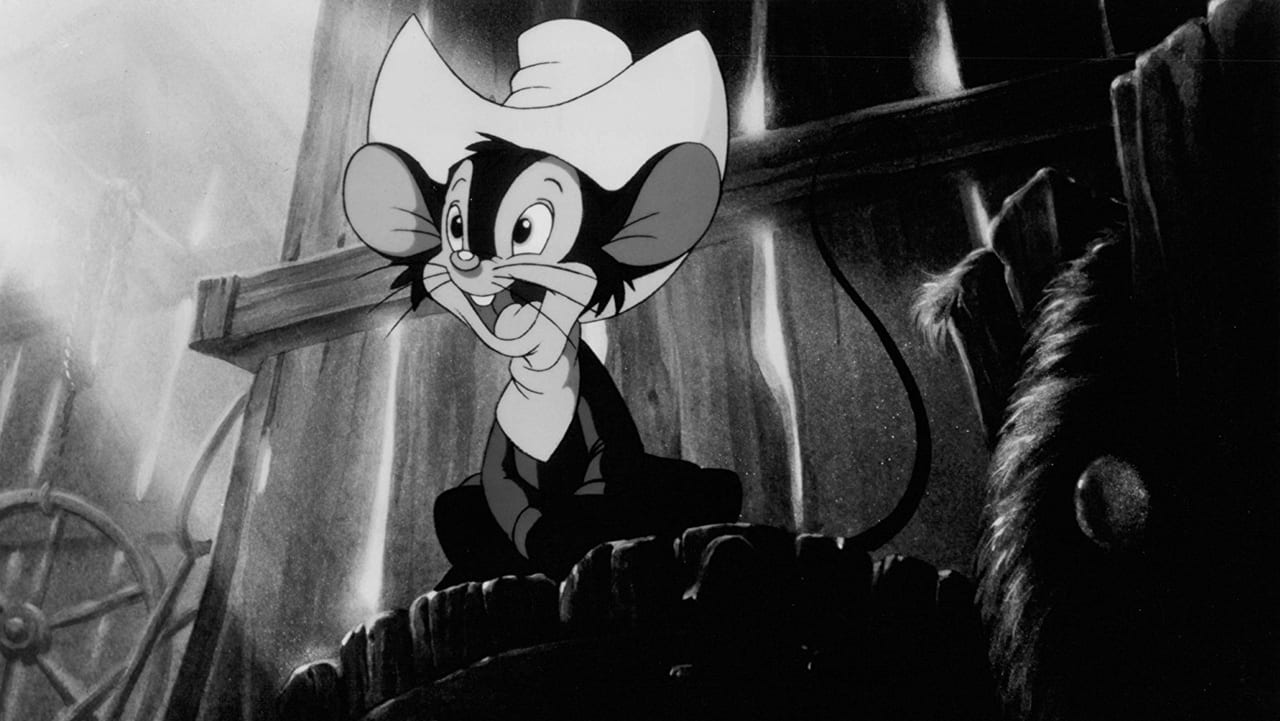
The setup is pure, delightful deception. The villainous Cat R. Waul, voiced with velvety menace by the incomparable John Cleese (Monty Python, Fawlty Towers), spins a yarn about Green River, Utah – a supposed haven for mice. His real plan? To fatten them up and turn them into delicious "mouse burgers." It’s up to the ever-optimistic Fievel (Phillip Glasser, returning with that familiar hopeful squeak) to uncover the plot, rally the townsfolk, and find his inner hero, spurred on by dreams of becoming a gunslinger. Along the way, we reunite with the ever-loyal, delightfully goofy Tiger (Dom DeLuise, reprising his role with gusto) and Fievel's worried but resilient family, including Mama (Erica Yohn).
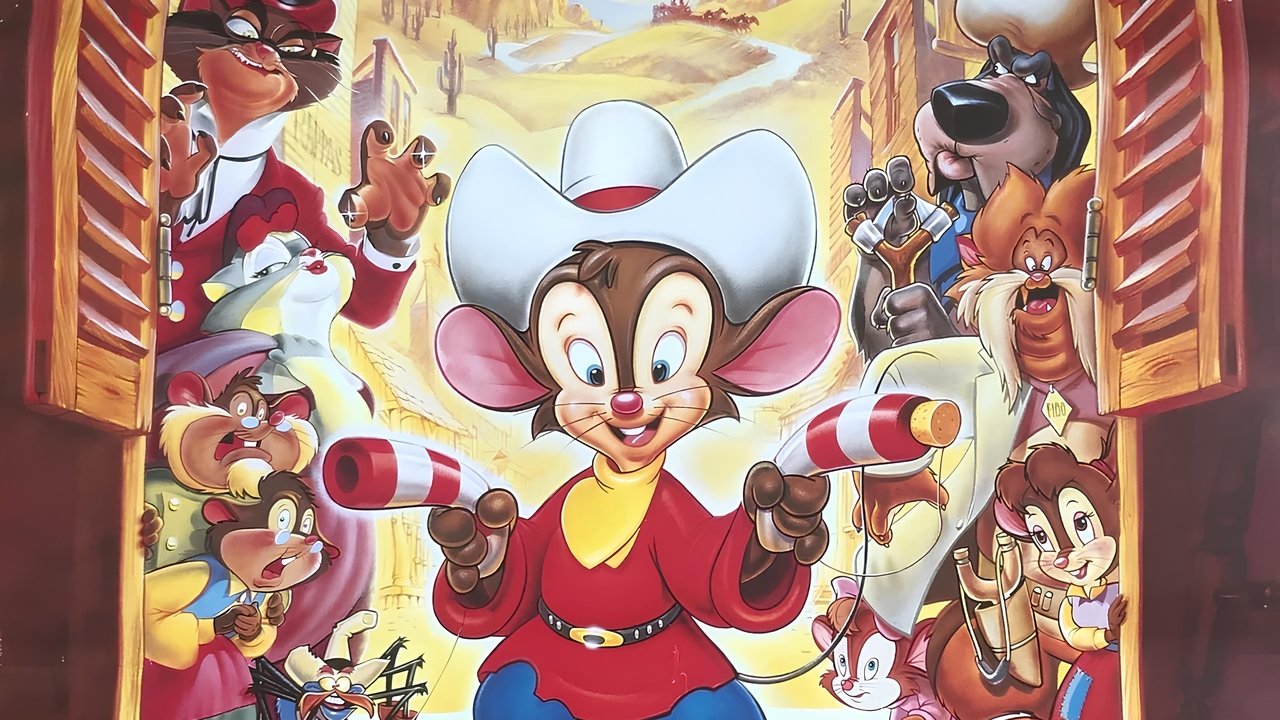
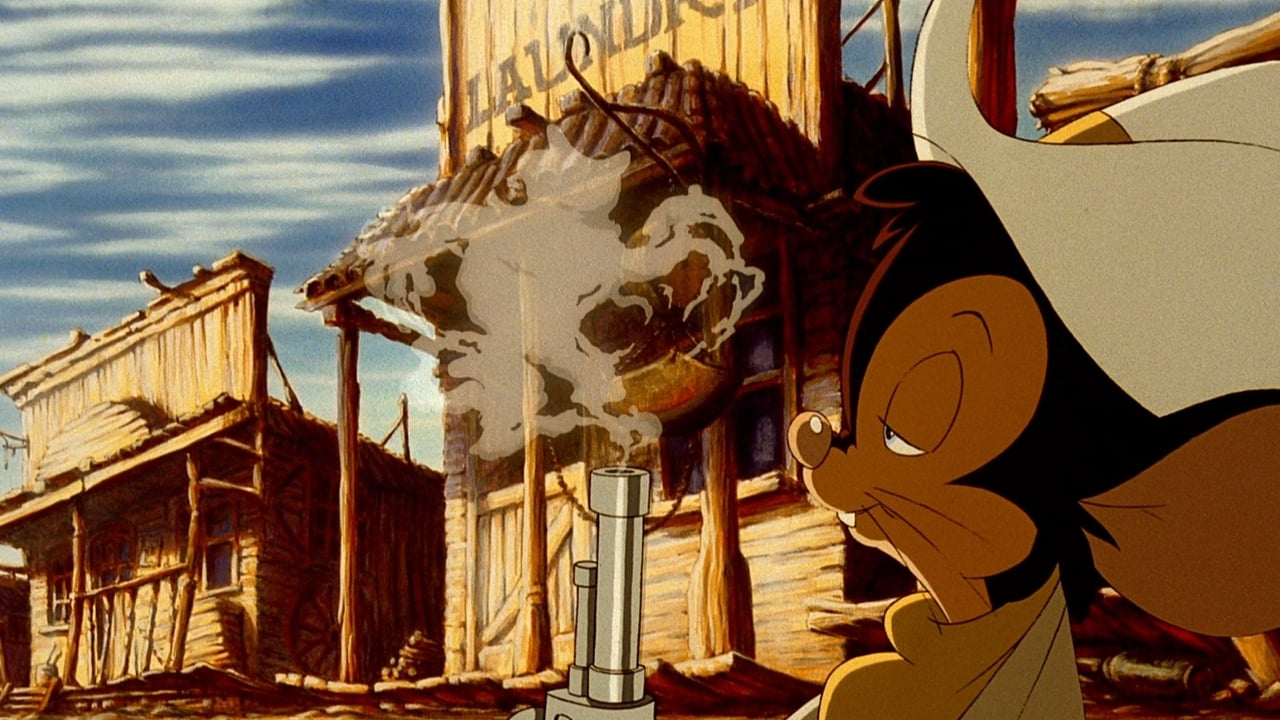
The journey itself is a visual treat. Remember that tumbleweed sequence? Fievel bouncing across the desert landscape, propelled by sheer cartoon physics – it was pure, unadulterated animation joy. Directors Phil Nibbelink and Simon Wells (the latter a supervising animator on Who Framed Roger Rabbit and future director of Balto) embraced a more exaggerated, zany style. Some fans of the original's more grounded (relatively speaking!) aesthetic might have been initially surprised, but the sheer energy is infectious. It felt less like an immigrant allegory and more like a full-blown Looney Tunes homage set on the frontier, complete with slapstick, elaborate traps, and villains whose dastardly plans are foiled in spectacular fashion.
A Legend Lends His Voice
While the returning cast is wonderful, the film holds a special place in cinema history for one reason above all: it features the final film role of the legendary James Stewart. Coming out of semi-retirement, reportedly swayed by his grandchildren's love for the first film, Stewart voiced Wylie Burp, the town's ageing, once-great sheriff dog who needs Fievel's belief to find his old spark. Hearing that iconic, gentle drawl deliver lines like "Just remember, Fievel: one man's sunset is another man's dawn" adds a layer of poignant warmth to the adventure. Frail health meant Stewart recorded his lines from home, making his contribution even more remarkable – a true Hollywood icon lending his gravitas to Fievel's quest. It’s a performance filled with weary wisdom and eventual triumph, perfectly embodying the spirit of the classic Westerns Stewart himself defined. Alongside him, Amy Irving adds sultry charm as the saloon singer cat, Miss Kitty, who catches Tiger's eye.
Animated Ambition and Catchy Tunes
Amblimation poured considerable effort into making Fievel Goes West a visual spectacle. The animation is fluid, expressive, and often surprisingly detailed in its depiction of the Western town and landscapes. While it didn't quite replicate the staggering $84 million box office success of the original An American Tail, it still pulled in a respectable $40 million worldwide and became a massive hit on home video – I bet many of us wore out our VHS copy! The film’s score, once again composed by the brilliant James Horner (Titanic, Braveheart), beautifully captures the sweeping adventure, and who could forget the songs? Especially "Dreams to Dream," the soaring ballad sung by Linda Ronstadt over the end credits, which even snagged a Golden Globe nomination for Best Original Song. It perfectly encapsulated Fievel’s hopeful spirit.
The Verdict on Fievel's Western Swing
An American Tail: Fievel Goes West might not carry the same emotional weight or historical allegory as its predecessor, but it succeeds wonderfully on its own terms. It's a bright, funny, and exhilarating animated adventure packed with memorable characters, fantastic voice work (especially Cleese and the legendary Stewart), and a visual style that pops off the screen. It perfectly captured that early 90s animation vibe – optimistic, energetic, and endlessly rewatchable. It was pure escapism, a chance to see our favourite little mouse don a cowboy hat and save the day against impossible odds. It led to the Fievel's American Tails TV series, further cementing the Mousekewitz family in the pop culture landscape of the time.
Rating: 8/10
This score reflects the film's vibrant animation, stellar voice cast (elevated by Stewart's final role), infectious energy, and sheer nostalgic fun factor. While the tonal shift from the original might be noticeable, Fievel Goes West stands tall as a thoroughly entertaining and beautifully crafted animated Western adventure that brought joy to countless kids glued to their VCRs.
It remains a charming testament to Amblimation's brief but bright spark, and a reminder that sometimes, the greatest adventures lie just over the next horizon... or maybe just waiting for you in that dusty box of tapes. Go West, indeed!