The silence hits you first. Not a peaceful quiet, but a heavy, loaded stillness that hangs thick in the air, punctuated only by the rhythmic thwack of a baseball hitting a mitt or the distant drone of cicadas. Then, violence erupts – sudden, messy, and utterly devoid of glamour. Welcome to the world of Takeshi Kitano’s Boiling Point (1990, originally 3-4x10月), a film that strips the yakuza genre down to its raw, twitching nerves and leaves you staring into an abyss of nihilism and absurdity. This wasn't your typical neon-drenched crime thriller flickering on the CRT; this tape felt different, colder.

An Ordinary Life, An Extraordinary Detour
Our entry point is Masaki (Yurei Yanagi), a disaffected gas station attendant whose main passion is playing for a dreadful amateur baseball team, The Eagles. He’s quiet, passive, almost adrift. When his coach (Gadarukanaru Taka) clashes with a low-level yakuza thug, Masaki’s mundane existence takes a sharp, brutal turn. Seeking retribution – or perhaps just swept along by inertia – Masaki and a friend embark on a trip to Okinawa, ostensibly to procure firearms. What they find instead is Uehara.
Enter the Void: Kitano's Uehara

And here, the film shifts into something truly unsettling. Uehara, played with terrifyingly unhinged energy by Takeshi "Beat" Kitano himself, is less a character and more a force of nature – a mid-level Okinawan yakuza boss operating entirely outside the bounds of sanity. His introduction involves casual brutality, bizarre sexual coercion, and a chilling indifference to life itself. This performance is electrifying, a black hole pulling everything around it into its orbit. It's one of those portrayals that burrows under your skin. Doesn't Uehara's unpredictable menace still feel genuinely dangerous, even decades later?
Kitano wasn't even supposed to direct Boiling Point. Initially hired just to act, legend has it he stepped behind the camera when the original director departed early in production. This unexpected turn might explain the film's raw, almost untamed feel. It feels less constructed and more like a captured nightmare, infused with the signature style Kitano would hone in later masterpieces like Sonatine (1993) and Hana-bi (1997): the static camera observing long takes, the minimalist dialogue punctuated by shocking action, the deadpan delivery blurring lines between horror and bleak comedy.
Okinawa's Sun-Drenched Dread
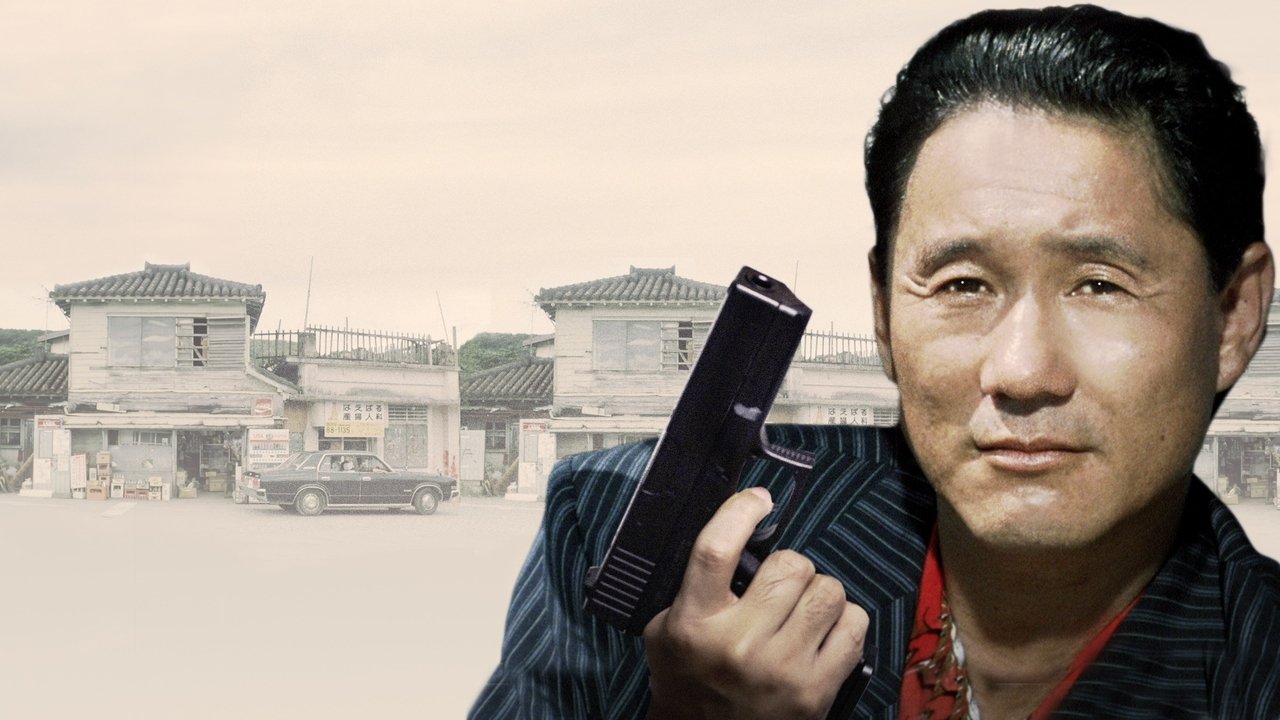

The shift to Okinawa provides more than just a change of scenery. The bright sunlight and coastal landscapes offer a stark, ironic contrast to the moral darkness unfolding. Kitano uses the setting brilliantly, creating a sense of displacement and heightening the feeling that Masaki is completely out of his depth, adrift in a world governed by alien, lethal rules. The film famously eschews a traditional score for long stretches, letting the natural sounds – waves, wind, the unsettling quiet – build a specific kind of tension, the kind that tightens your chest because you know something awful is just around the corner.
This isn't a film that glorifies crime; it deglamorizes it entirely. The yakuza here are petty, pathetic, prone to childish squabbles and impulsive violence. Uehara might be terrifying, but he’s also depicted as deeply damaged and erratic. Kitano seems fascinated by the banality that surrounds brutality, the way life’s absurdities (like Uehara’s obsession with his flower-patterned shirt) coexist with moments of extreme violence. Remember the sheer unexpectedness of those moments? No dramatic build-up, just sudden, stark consequences.
A Different Kind of Chill
Yurei Yanagi does commendable work as Masaki, embodying a passivity that makes the narrative feel almost like a dream – or rather, a slow-motion nightmare he can't wake up from. He’s less a protagonist driving the action and more a witness swept away by it. The supporting cast, including Yuriko Ishida as Masaki's girlfriend, grounds the film's stranger elements in a recognizable reality, making the descent into chaos all the more impactful.
Boiling Point wasn't the easiest watch back in the VHS days. It lacked the fast pacing or clear heroes/villains of typical American rentals. I recall renting it based on the intriguing cover art, perhaps expecting something akin to the Hong Kong action flicks popular at the time. What I got was something far stranger, more contemplative, and ultimately, more disturbing. The film’s original Japanese title, 3-4x10月, translates roughly to "3 to 4x October," referring to the lopsided score of a baseball game shown near the end – a cryptic hint at the overwhelming, perhaps meaningless, defeat that permeates the narrative. The ending itself is famously ambiguous, offering no easy answers, just a lingering sense of unease.
Legacy of Nihilism
This film cemented Takeshi Kitano's reputation as a unique and uncompromising voice in world cinema. It’s raw, challenging, and refuses to conform to genre expectations. While perhaps overshadowed by his later, more polished works, Boiling Point retains a brutal power. It’s a stark reminder that sometimes the most terrifying monsters aren't lurking in the shadows, but standing in plain sight under the unforgiving sun, operating by a logic entirely their own.
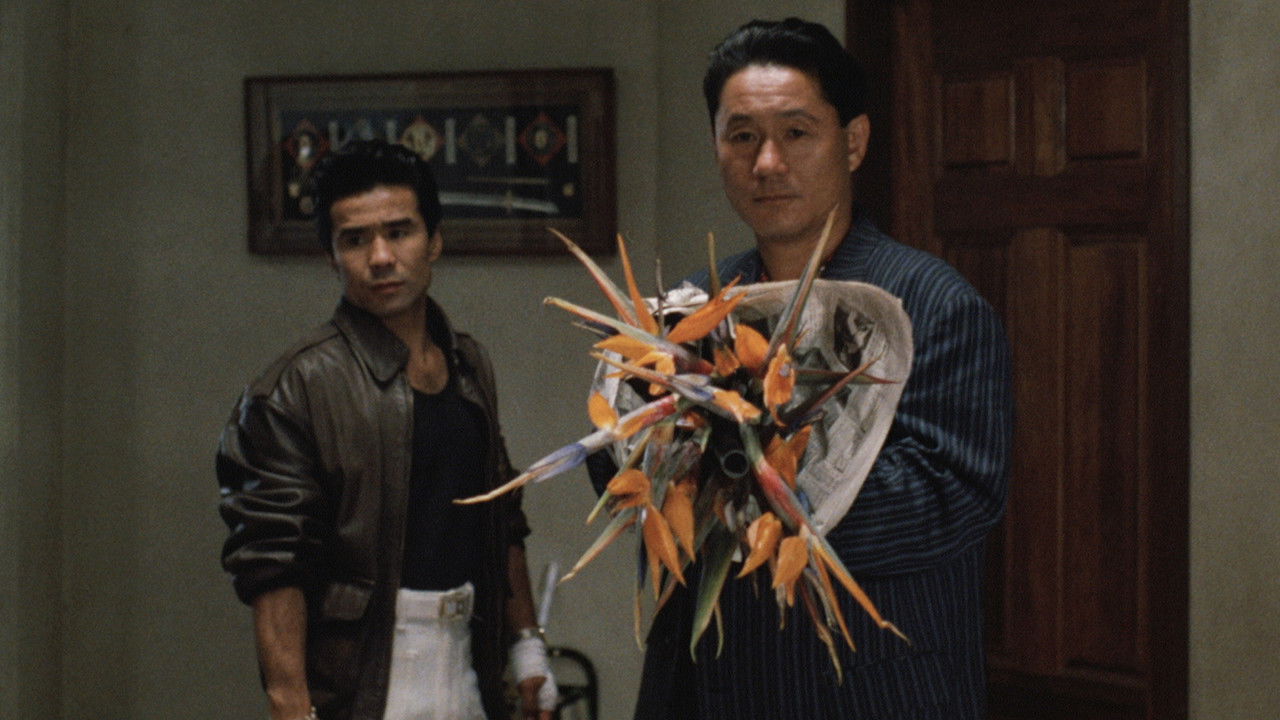
Rating: 8/10
Justification: Boiling Point is a challenging but brilliant piece of filmmaking. Its stark realism, unconventional structure, Kitano's terrifying performance, and unsettling atmosphere make it a standout. It masterfully deconstructs genre tropes and delivers genuine shocks. It loses points perhaps only for its deliberate alienation, which might not resonate with all viewers, and a pacing that demands patience. However, its artistic vision and lasting impact are undeniable.
Final Thought: It’s a film that doesn't just boil – it freezes the blood, leaving a chill that lingers long after the tape clicks off. A vital, disturbing piece of 90s cinema that dared to be different.