Okay, let's rewind the tape. Slide that slightly worn cassette into the VCR, ignore the faint tracking lines at the bottom of the screen, and prepare for a blast of pure, unadulterated weirdness that could only have sprung forth from the late 80s. We're talking about Raising Arizona (1987), a film that feels less like it was directed and more like it was frantically dreamed up after a chili dog binge by Joel and Ethan Coen. It’s a hyperactive hayride through criminal ineptitude and desperate parenthood, and pulling it off the dusty shelf feels like uncovering a strangely beautiful, slightly unhinged treasure.

### More Than Just a Slight Exaggeration
From the opening frames, propelled by Carter Burwell's instantly iconic, yodel-infused score, Raising Arizona establishes a tone unlike anything else. This isn't just comedy; it's a live-action cartoon filtered through a Southwestern lens, moving at a pace that leaves you breathless and grinning. The story – chronic recidivist H.I. McDunnough (Nicolas Cage, already showcasing that unique intensity) and former police officer Edwina "Ed" (Holly Hunter, fierce and funny) discover they can't conceive, so they decide to "borrow" one of the famed Arizona quintuplets from unpainted furniture magnate Nathan Arizona (Trey Wilson) – is patently absurd. But the Coens, fresh off their stark debut Blood Simple (1984), commit so fully to the heightened reality that you just strap yourself in and enjoy the ride.
The visual language here is key. Cinematographer Barry Sonnenfeld (who would go on to direct the Men in Black films) uses wide-angle lenses and dizzying low angles to create a world that feels both vast and claustrophobic, amplifying the characters' frantic energy. Remember those shots from the baby's point-of-view, careening through the house during that legendary diaper chase? Pure cinematic adrenaline, achieved with clever camera rigs and editing, long before digital trickery became the norm. It felt so immediate, so physical back then, didn't it?
### When Quirky Met Kooky
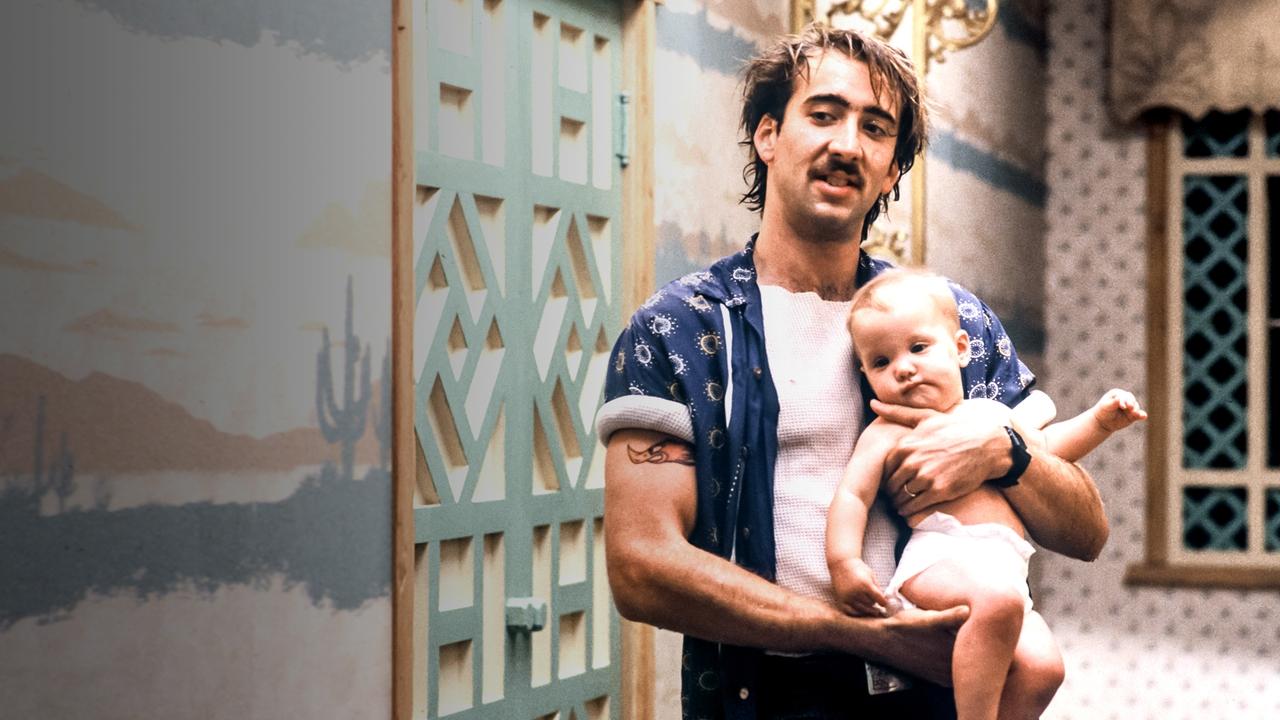
The performances are pitched perfectly to this off-kilter universe. Nicolas Cage delivers one of his most endearingly manic performances as H.I., a man whose poetic narration belies his utter lack of common sense. His physicality, the way he throws himself into the role – literally, in some scenes – is a masterclass in committed absurdity. Interestingly, the Coens wrote the part specifically for him, even though bigger names like Kevin Costner reportedly auditioned. Opposite him, Holly Hunter is the grounded, yet equally desperate, heart of the film. Fun fact: she landed the role after Debra Winger had to drop out, and her chemistry with Cage is undeniable. Their strange love story feels genuinely sweet amidst the chaos.
And the supporting cast? Pure gold. John Goodman and William Forsythe as the Gale and Evelle Snoats, H.I.'s escaped convict buddies, are hilarious and vaguely menacing. Their arrival throws gasoline on the already raging fire of H.I. and Ed's plans. And who could forget the late, great Trey Wilson as Nathan Arizona Sr.? His exasperated delivery of lines like "Son, you got a panty on your head" (a line some say Wilson improvised, adding to its perfect off-the-cuff feel) is legendary. Even the seemingly throwaway character of the Lone Biker of the Apocalypse, played with terrifying glee by Randall "Tex" Cobb, adds to the film's tapestry of the bizarre. Managing the logistics of filming with the numerous babies required to play Nathan Jr. was apparently a significant challenge on set, requiring near-constant rotation to keep them happy... or at least, not crying during takes.


### Controlled Chaos, Practical Laughs
While not an "action" film in the traditional sense, Raising Arizona boasts some incredibly staged sequences of physical comedy and pursuit that rely entirely on practical execution. The aforementioned diaper chase, complete with flying bags of Huggies and frantic dodging through a supermarket, feels chaotic and real. The climactic muddy brawl has a visceral, messy quality that CGI slapstick rarely captures. These scenes work because they feel tangible – you sense the effort, the timing, the controlled chaos orchestrated by the Coens. Made for a relatively modest $6 million, the film used its Arizona locations and practical ingenuity to create a look far richer and more distinctive than its budget might suggest. It wasn't a massive blockbuster on release, earning around $22.8 million, but its cult status grew rapidly through home video – becoming a staple on rental shelves everywhere. Critics were initially somewhat divided, perhaps bewildered by its sheer strangeness, but audiences found its heart.
The film’s enduring appeal lies in its perfect blend of high-speed farce, surprisingly lyrical dialogue (H.I.'s narration is pure gold), and genuine heart. Beneath the absurdity, it’s a story about wanting a family, about finding your place in a world that seems determined to chew you up and spit you out. The Coens managed to create something utterly unique – a screwball comedy filtered through film noir sensibilities, sprinkled with dreamlike sequences and that unforgettable yodeling.
***
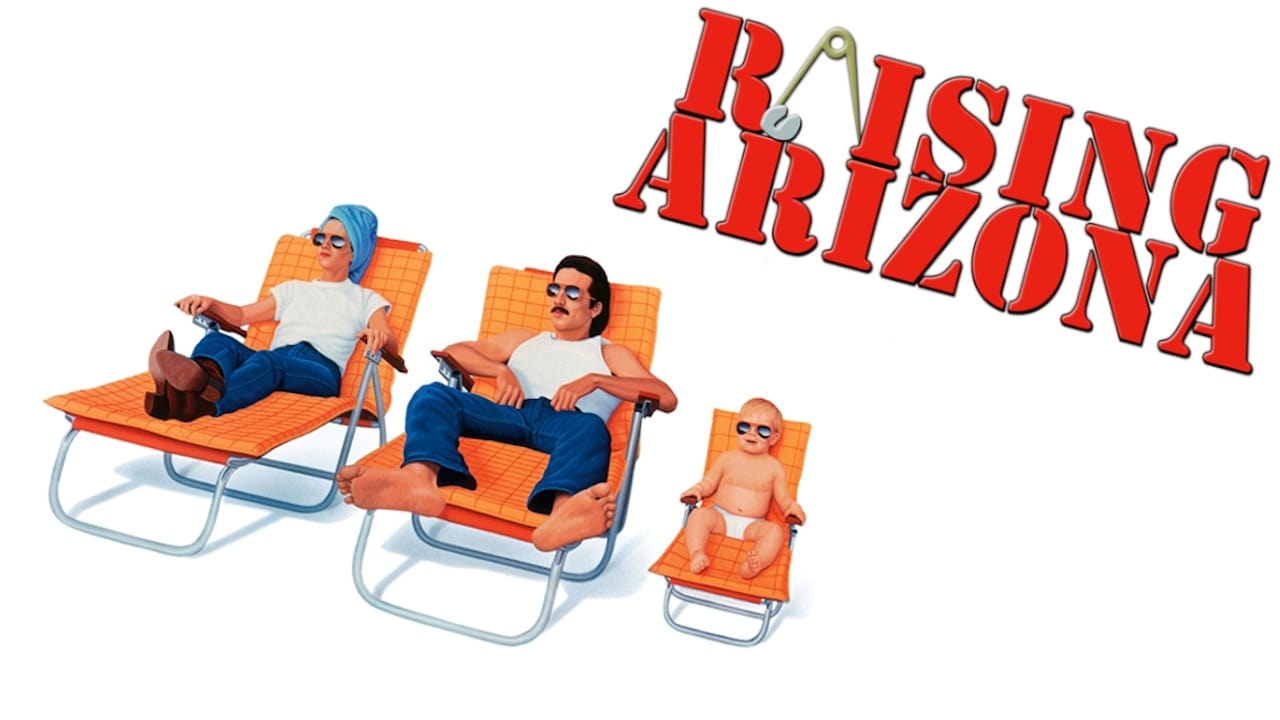
VHS Heaven Rating: 9/10
Justification: Raising Arizona earns this high score for its sheer originality, fearless commitment to its bizarre vision, unforgettable performances (especially from Cage and Hunter), and iconic visual style. It's a masterclass in controlled chaos, blending laugh-out-loud physical comedy with surprisingly poetic moments. While its relentless pace and quirkiness might not connect with absolutely everyone, its genius lies in its unique energy and enduring heart. The practical execution of its comedic set pieces feels refreshingly tangible today.
Final Thought: This isn't just a movie; it's a perfectly preserved slice of late-80s cinematic weirdness, a frantic, funny, and surprisingly touching fever dream that still feels utterly unique when you pop it in the player. Maybe H.I. was right – sometimes the future is just "a land of enchantment."