A man wakes up in a New York alley, bruised, bewildered, with no memory of who he is. It's a classic setup, almost pulp noir, but filter that through the unmistakable lens of Hal Hartley (Trust, The Unbelievable Truth), and you get Amateur (1994) – a film less concerned with the what of amnesia and more fascinated by the who we become when stripped bare. It’s a movie that lingered long after the VHS tape whirred to a stop in my machine back in the day, a quiet puzzle box asking unsettling questions about identity and redemption.
### The Blank Slate and the Ex-Nun
At the heart of Amateur are two seemingly disparate souls drawn together by circumstance and a shared sense of existential drift. Martin Donovan, a frequent Hartley collaborator, plays Thomas, the amnesiac. Donovan delivers a performance of remarkable restraint, embodying a man grappling not just with a lost past, but with the terrifying freedom and vulnerability of a truly blank slate. Is he a good man? A bad man? He simply is, navigating a present fraught with danger tied to a past he can't recall.
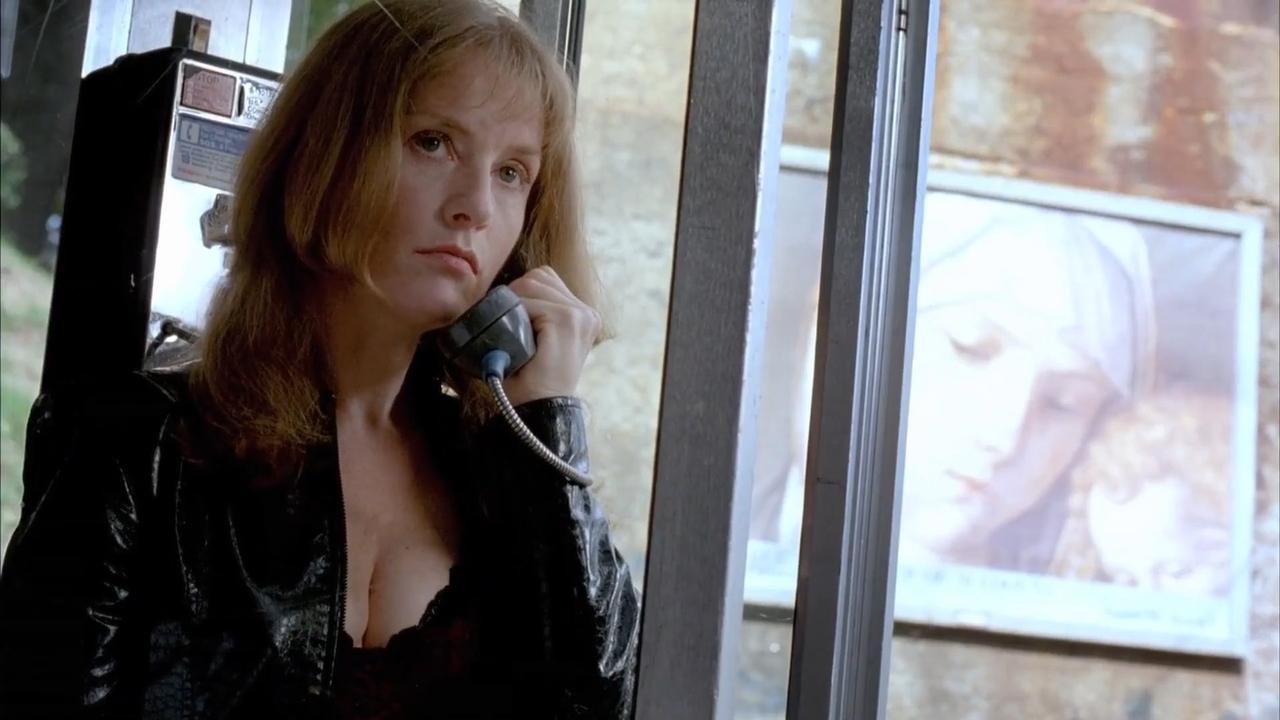
Enter Isabelle, played by the legendary French actress Isabelle Huppert. In a fascinating bit of casting, Huppert, known for her intense and often transgressive roles (Claude Chabrol's La Cérémonie, Michael Haneke's The Piano Teacher), portrays a former nun attempting to make a living writing pornography. It sounds like a gimmick, but in Hartley’s world, it’s rendered with a peculiar, deadpan sincerity. Huppert finds a fascinating blend of world-weariness, intellectual curiosity, and surprising empathy in Isabelle. Her attempts to connect with Thomas, guiding him while navigating her own complex moral landscape, form the film's emotional core. You can almost feel her weighing the possibilities of this man – is he a chance for connection, or just another complication in a life already brimming with them?

### Hartley's Calculated Cool
Watching Amateur again now is a potent reminder of Hal Hartley’s unique cinematic voice, which was such a distinct flavour in the 90s indie scene. His films occupy a space all their own – characterized by stylized, almost stilted dialogue delivered with poker-faced seriousness, precise compositions, and a dry, intellectual wit that bubbles just beneath the surface. It’s a style that can feel alienating to some, demanding patience and a willingness to engage on its specific terms. Yet, there’s a hypnotic quality to it. The dialogue, often philosophical or absurdly literal, forces you to listen intently, to consider the weight and meaning behind seemingly simple exchanges.
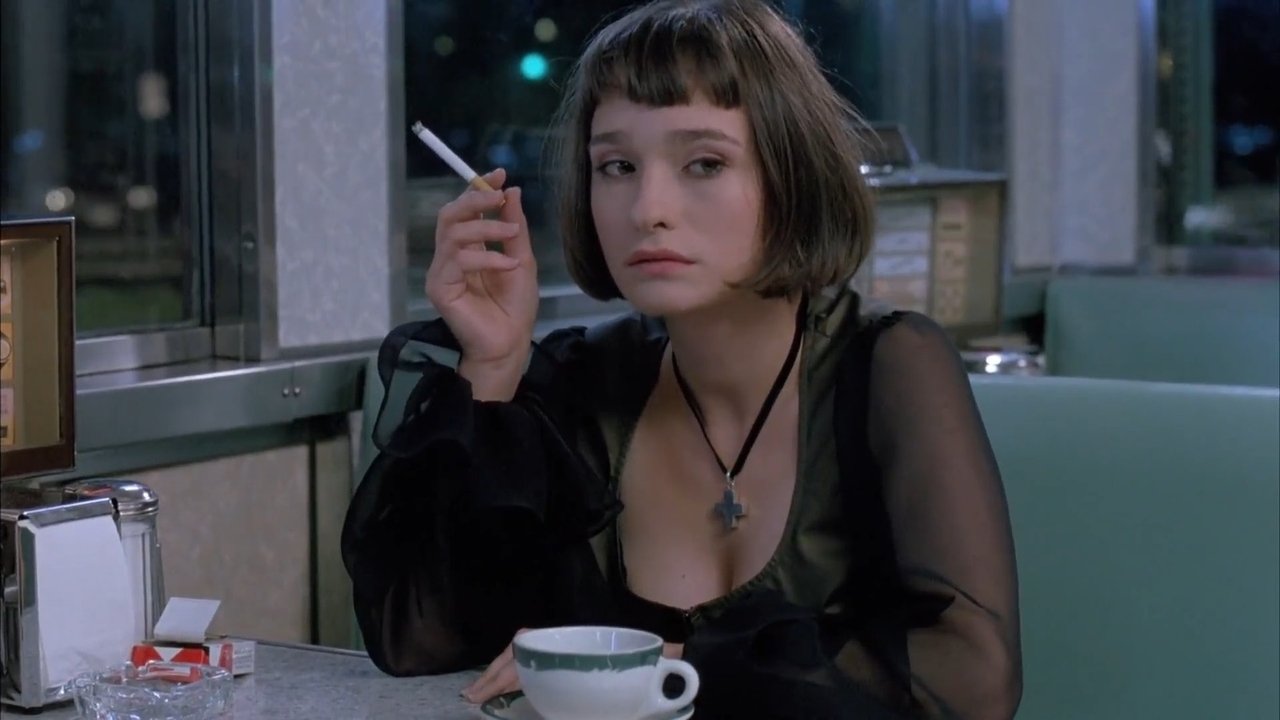
Hartley shot Amateur partly in Europe, adding a touch of international intrigue that complements the story's themes of displacement and hidden identities. Interestingly, Huppert reportedly took the role partly because she was intrigued by Hartley's distinct style after seeing his earlier work. Her presence lends the film a certain European art-house gravitas, meshing surprisingly well with Hartley's Long Island cool. The supporting cast, including Elina Löwensohn as Sofia, a figure intricately tied to Thomas's forgotten past, perfectly inhabits this stylized world. Löwensohn, who also starred in Hartley’s Simple Men (1992), brings a volatile energy that contrasts sharply with the controlled performances of Donovan and Huppert.
### Ghosts in the Machine
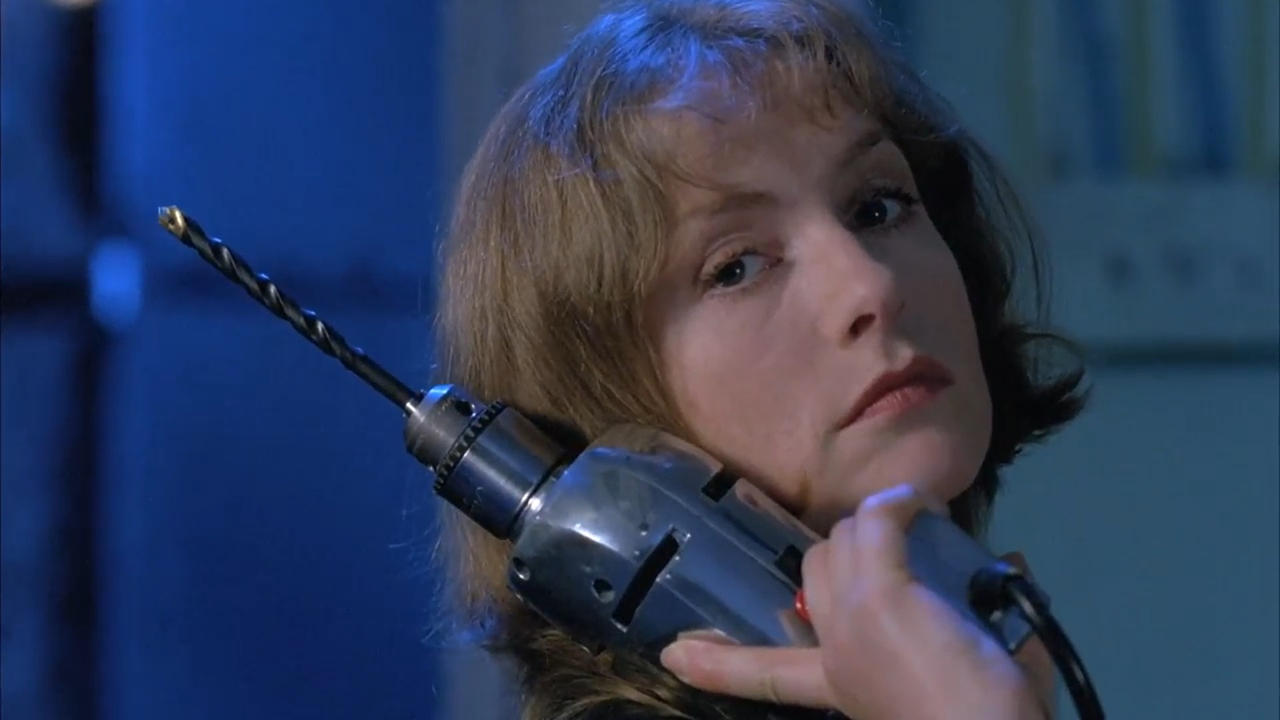
The plot itself involves gangsters, mistaken identities, and explicit videotapes – elements that could fuel a standard thriller. But Hartley uses them more as catalysts for exploring deeper themes. What does it mean to be culpable for actions you don't remember? Can a person truly reinvent themselves, or are we forever bound by our past deeds? The film doesn't offer easy answers, preferring to leave the audience pondering these questions. The title itself, "Amateur," feels multi-layered. Is Thomas an amateur at living, forced to relearn everything? Is Isabelle an amateur pornographer, approaching it with a detached, almost academic curiosity? Or does it refer to the often fumbling, unprofessional nature of crime and human interaction itself?
One production tidbit that highlights the film's deliberate nature: Hartley often rehearsed his actors extensively, working to achieve that specific cadence and rhythm in the dialogue. It wasn't about achieving naturalism in the conventional sense, but about creating a heightened reality where language itself becomes a key player. This methodical approach is palpable in the finished film, contributing significantly to its unique atmosphere. It's a film built on precision, both visual and verbal.
### The Lingering Questions
Amateur isn't a film that provides cathartic release in the traditional sense. It's more meditative, asking you to sit with its ambiguities. The violence, when it occurs, feels abrupt and unglamorous, underscoring the real-world consequences lurking beneath the stylized surface. The film's look, captured on film stock that feels quintessentially 90s indie, adds to the feeling of watching a slightly detached, observational study of human behaviour under strange pressures. It was a film perfectly suited for discovery on VHS – something different, challenging, that sparked conversations long after viewing. I remember renting this from the 'Independent' section, drawn perhaps by Huppert's name or just the intriguing cover art, and feeling like I'd stumbled onto a secret language of cinema.
Rating: 7.5/10
Justification: Amateur earns its score through its distinctive directorial vision, compelling lead performances (especially Huppert's fascinating turn), and its thoughtful exploration of identity and morality. Hartley's signature style is executed with precision, creating a unique and memorable atmosphere. However, that same highly stylized approach, particularly the deadpan dialogue and deliberate pacing, can be distancing for some viewers, preventing it from achieving a broader emotional resonance that might push it higher. It remains a significant work within 90s independent cinema and a rewarding watch for those attuned to its particular wavelength.
Final Thought: In a world obsessed with defining ourselves, Amateur offers a strangely compelling look at the unsettling freedom – and inherent danger – of having no definition at all. What parts of ourselves would we keep, and what would we discard, given the chance to truly start over?