Okay, settle in, fellow tape travelers. Let’s rewind to a time when the thirst for fame felt a little less… ubiquitous, perhaps? But lurking beneath the surface, even in the mid-90s, was a particular brand of ambition so sharp it could cut. Few films captured this with the chilling, darkly funny precision of 1995's To Die For. This isn't your typical feel-good rental; pulling this tape off the shelf felt like uncovering something wickedly smart and maybe a little dangerous.
### She Just Wants to Be Seen
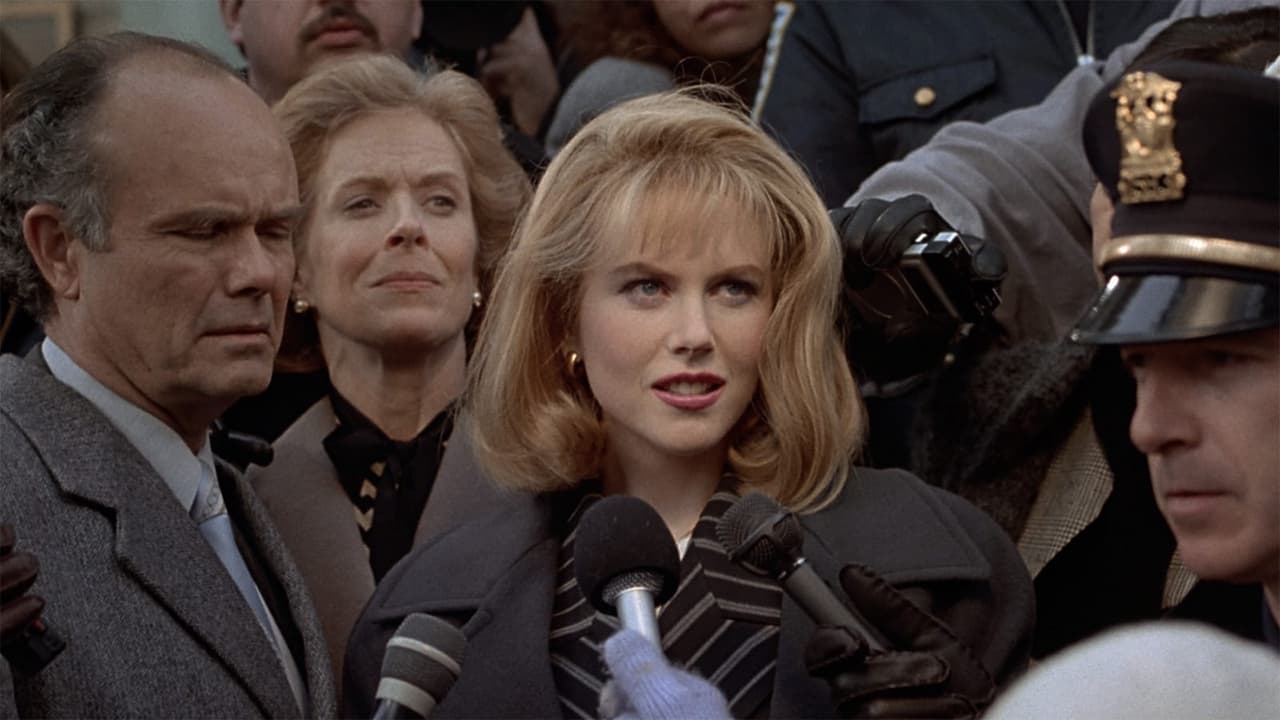
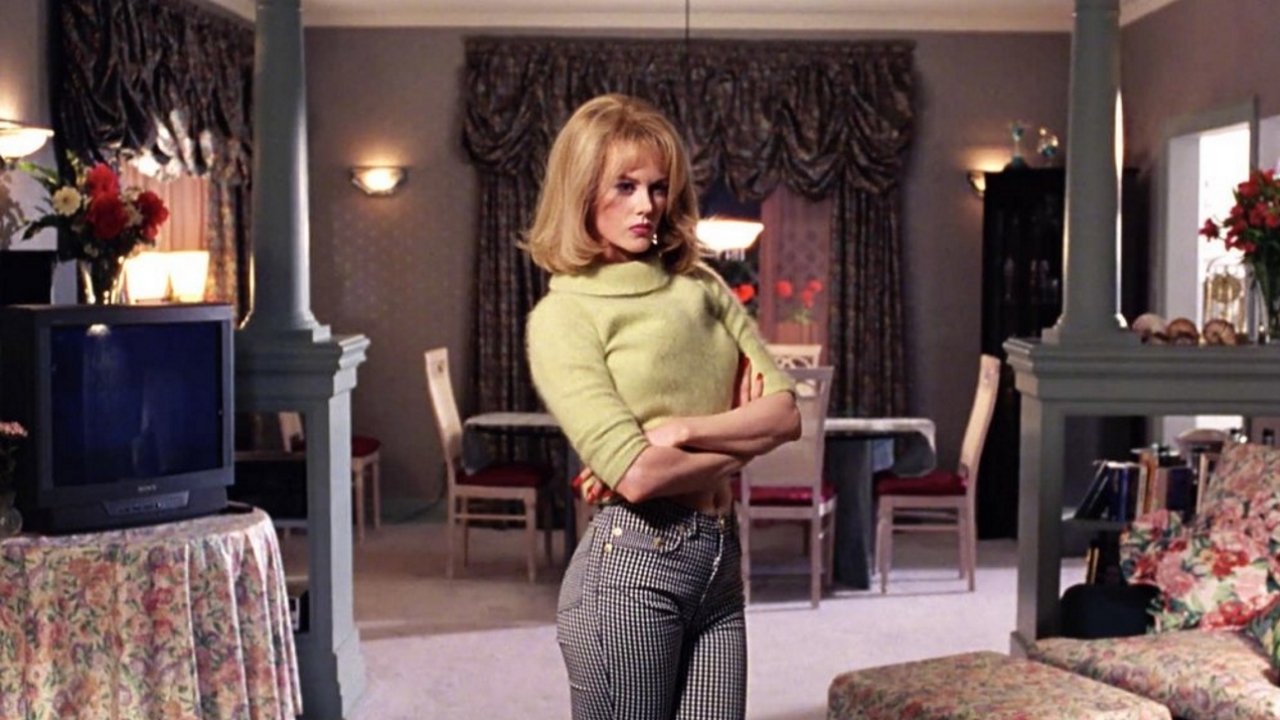
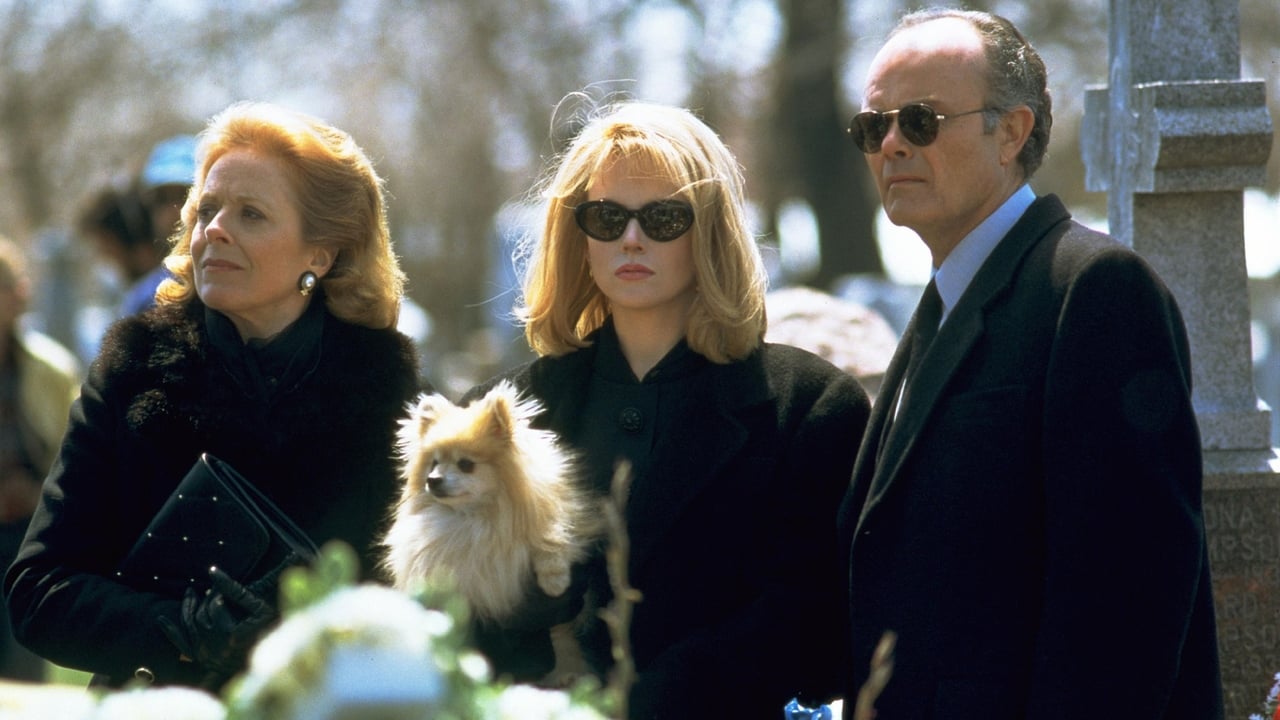
What immediately strikes you, watching it again after all these years, is how prescient it feels. We meet Suzanne Stone, played with career-defining brilliance by Nicole Kidman, a woman whose desire for television stardom isn't just a dream, it's the very air she breathes. She's trapped in the small-town purgatory of Little Hope, New Hampshire (though sharp eyes might notice the film was actually shot primarily in Ontario, Canada), working a dead-end job at the local cable access station. Her husband, the affable but unambitious Larry Maretto (Matt Dillon), represents everything standing between her and the national spotlight she craves. How far will she go to remove that obstacle? The answer, delivered through a clever mockumentary lens, is both horrifying and perversely funny.
The film's structure, weaving together interviews with surviving characters, flashbacks, deposition footage, and Suzanne's own increasingly unhinged video diaries, was quite innovative for its time. Director Gus Van Sant, known then for more arthouse fare like Drugstore Cowboy (1989) and My Own Private Idaho (1991), brings a cool, observational detachment that perfectly suits the material. He lets the absurdity and the darkness speak for themselves, resisting the urge to moralize overtly. It’s a style that makes Suzanne’s calculated manipulations feel even more unsettling.
### The Birth of a Killer Star
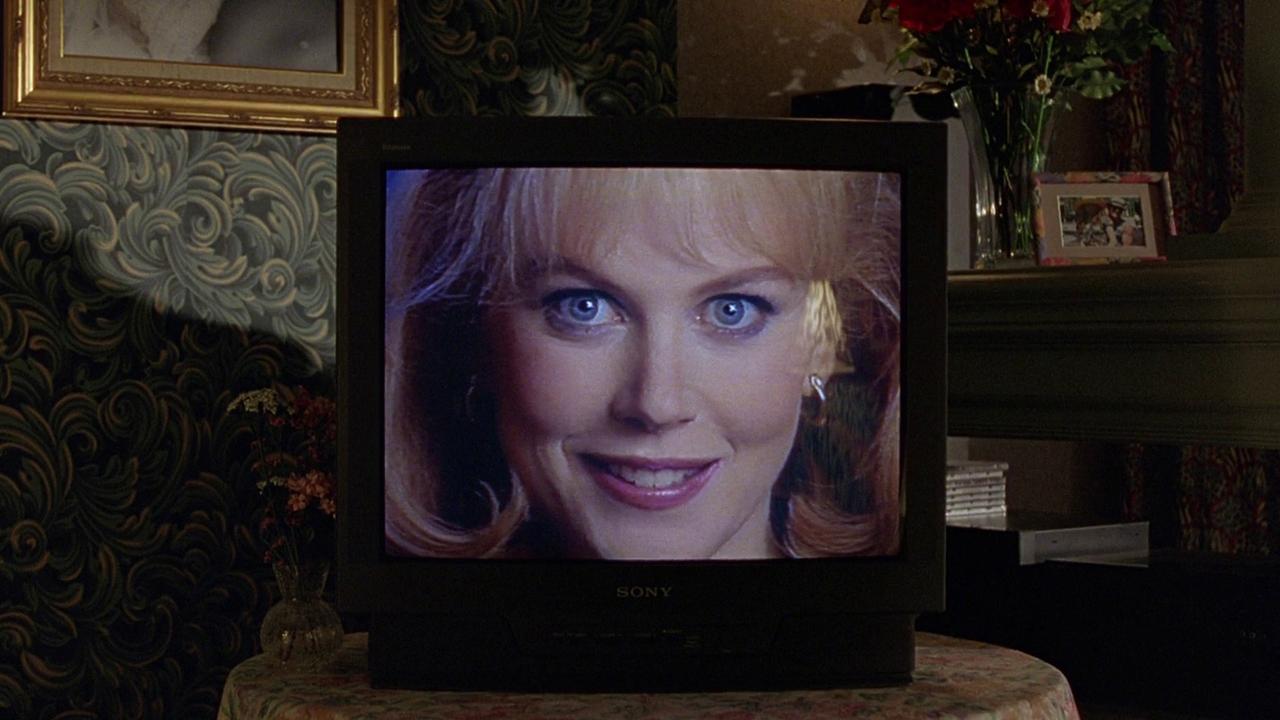
Let's be clear: this is Nicole Kidman's film. Fresh off roles that hinted at her talent but hadn't quite showcased this kind of ferocious range, her Suzanne Stone is a masterclass in controlled sociopathy veiled in saccharine ambition. She nails the superficial charm, the vacant gaze behind the beauty pageant smile, the terrifying single-mindedness. Kidman reportedly immersed herself in watching television personalities, studying their mannerisms and speech patterns to craft Suzanne’s chillingly artificial persona. It’s a performance that’s both magnetic and repulsive; you can't look away, even as you see the calculating gears turning behind her eyes. The Golden Globe win was thoroughly deserved, marking a significant leap in her career trajectory. It’s almost impossible now to imagine the rumored early consideration of Meg Ryan for the role; Kidman is Suzanne.
The script, penned by the legendary Buck Henry (who gifted us the screenplay for The Graduate back in 1967), is razor-sharp. Inspired by the real-life Pamela Smart case, Henry crafts dialogue that crackles with cynicism and dark wit. He skewers the burgeoning obsession with media celebrity, the emptiness of chasing fame for its own sake, and the ease with which seemingly ordinary people can be drawn into darkness. There’s a terrifying logic to Suzanne’s worldview, warped as it is, that Henry lays bare.
### Pawns in Her Game
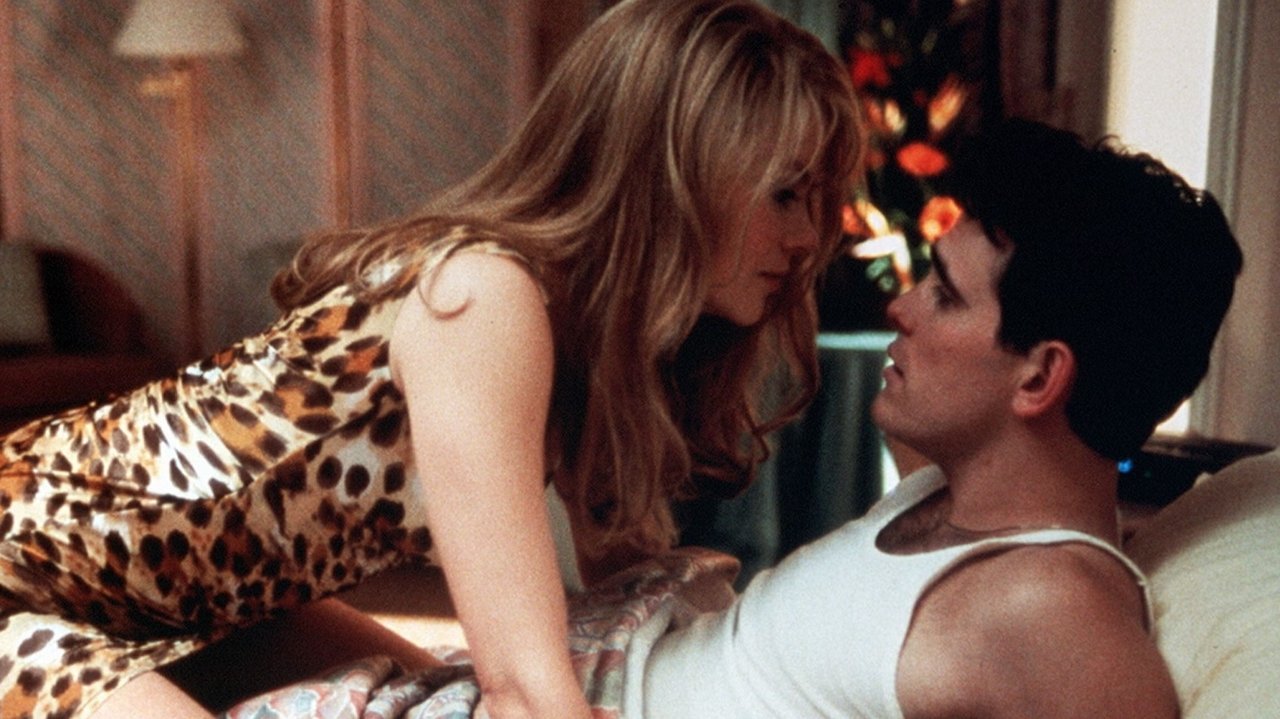
The supporting cast is crucial in highlighting Suzanne's manipulative prowess. Matt Dillon, often playing tougher characters, is surprisingly effective as the fundamentally decent Larry, whose simple desires (family, stability) are tragically incompatible with Suzanne's vision. His bafflement and eventual suspicion feel utterly genuine. And then there's a young Joaquin Phoenix as Jimmy Emmett, one of the high school students Suzanne targets for her deadly scheme. Phoenix, even then, had that captivating intensity, perfectly embodying the vulnerable, easily swayed teenager mesmerized by Suzanne's attention. His performance hints at the incredible career to come. Illeana Douglas also shines as Larry's skeptical, ice-skating sister Janice, providing some much-needed grounding amidst the escalating madness, alongside a pre-fame Casey Affleck as Jimmy's equally malleable friend, Russell.
The film wasn't a massive blockbuster – pulling in around $21 million domestically on a $20 million budget (that's roughly $42 million against $40 million today, so it barely broke even initially) – but its critical reception was strong, particularly praising Kidman and Henry. Watching it now, the local cable access setting feels almost quaint, a relic of a pre-internet, pre-reality-TV-saturation era. Yet, the core message about the corrosive hunger for fame, the willingness to curate a false self for public consumption, and the chilling ease of manipulation feels more relevant than ever. Doesn't it make you wonder what Suzanne Stone would be doing in the age of Instagram and TikTok? The thought is genuinely unsettling.
***
Rating: 9/10
To Die For earns this high score for its pitch-perfect tone, Nicole Kidman's unforgettable, star-making performance, Buck Henry's biting screenplay, and Gus Van Sant's assured direction. It masterfully blends dark comedy and chilling satire in a way few films manage. The mockumentary style enhances the themes brilliantly, creating a film that was not only sharp social commentary in 1995 but remains disturbingly relevant today. Its insights into media obsession and the dark side of ambition were ahead of their time, making it a standout title from the mid-90s video store shelves.
It’s a film that lingers, not just for its dark humor, but for the uncomfortable truths it reflects about the allure of the spotlight and the lengths some will go to step into it. Definitely one worth revisiting, even if it leaves you feeling a little cold.