Alright, let's dust off a real gem of glorious Hong Kong cinematic chaos. Remember browsing the aisles, maybe in the slightly mysterious "Foreign Films" section, and stumbling across a box with dazzling colours, maybe some questionable English titles, and the promise of something utterly bonkers? That's the vibe hitting me right now thinking about God of Gamblers III: Back to Shanghai (1991). Forget coherent numbering or strict continuity – this is pure, unadulterated Wong Jing mayhem starring the undisputed king of "mo lei tau" comedy, Stephen Chow.
### Shanghai Surprise, Saint of Gamblers Style
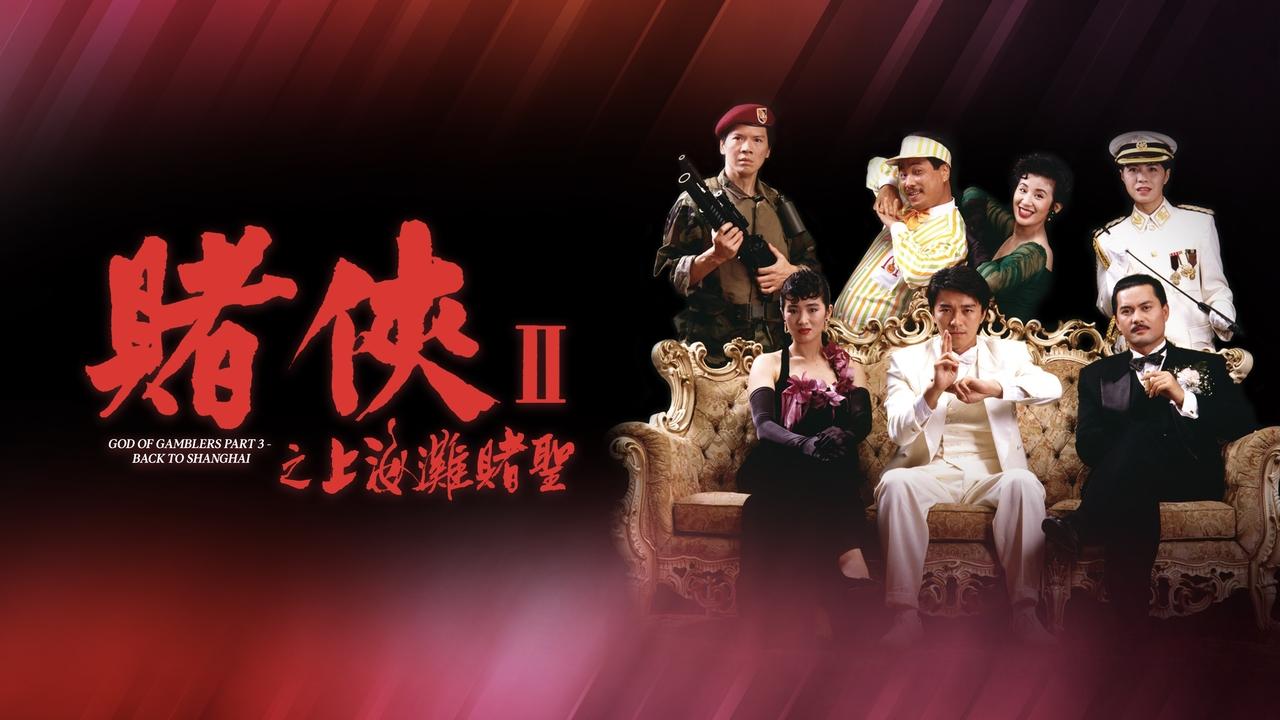
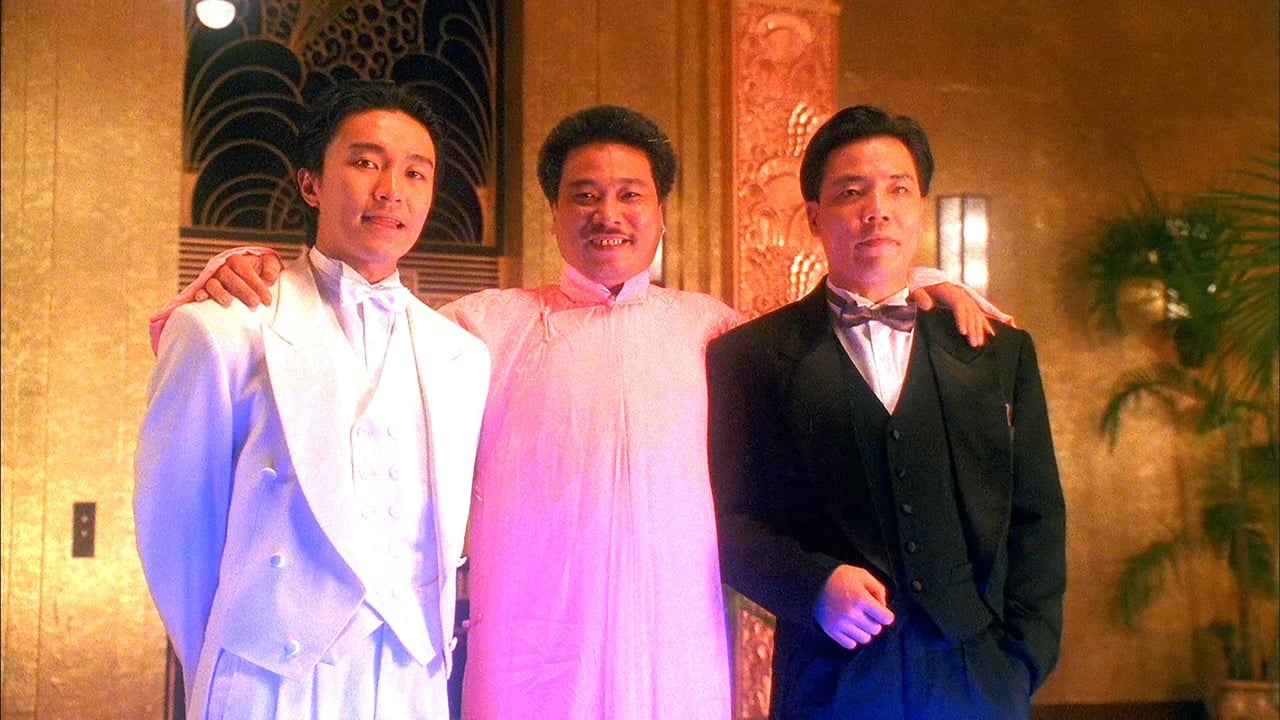
First off, let's clear the smoke often surrounding these titles. While billed as God of Gamblers III, this is less a direct sequel to Chow Yun-fat's original suave gambler and more a follow-up to Stephen Chow's own All for the Winner (1990) and God of Gamblers II (1991 - yes, the numbering was wild!). Here, Chow reprises his role as the Saint of Gamblers, Sing, a goofball with ESP powers related to gambling. Through a typically convoluted (and hilarious) series of events involving rival psychics, Sing and his ever-faithful uncle Tat (Ng Man-tat, the perfect foil) are accidentally zapped back in time to Shanghai, 1937. Cue period costumes, gangsters, and a whole lot of anachronistic silliness.
The plot, such as it is, involves Sing navigating this dangerous past, falling for the impossibly elegant Yu-San (Gong Li), getting entangled with her identical twin sister Yu-Mong (also Gong Li), and eventually needing to help the legendary gambler Ding Lik (played by Ray Lui, channeling the character from the classic TV series The Bund) to secure Shanghai's future... or something. Honestly, the plot is just a glorious excuse stringing together gag after gag.
### The Chow Factor and Mo Lei Tau Madness
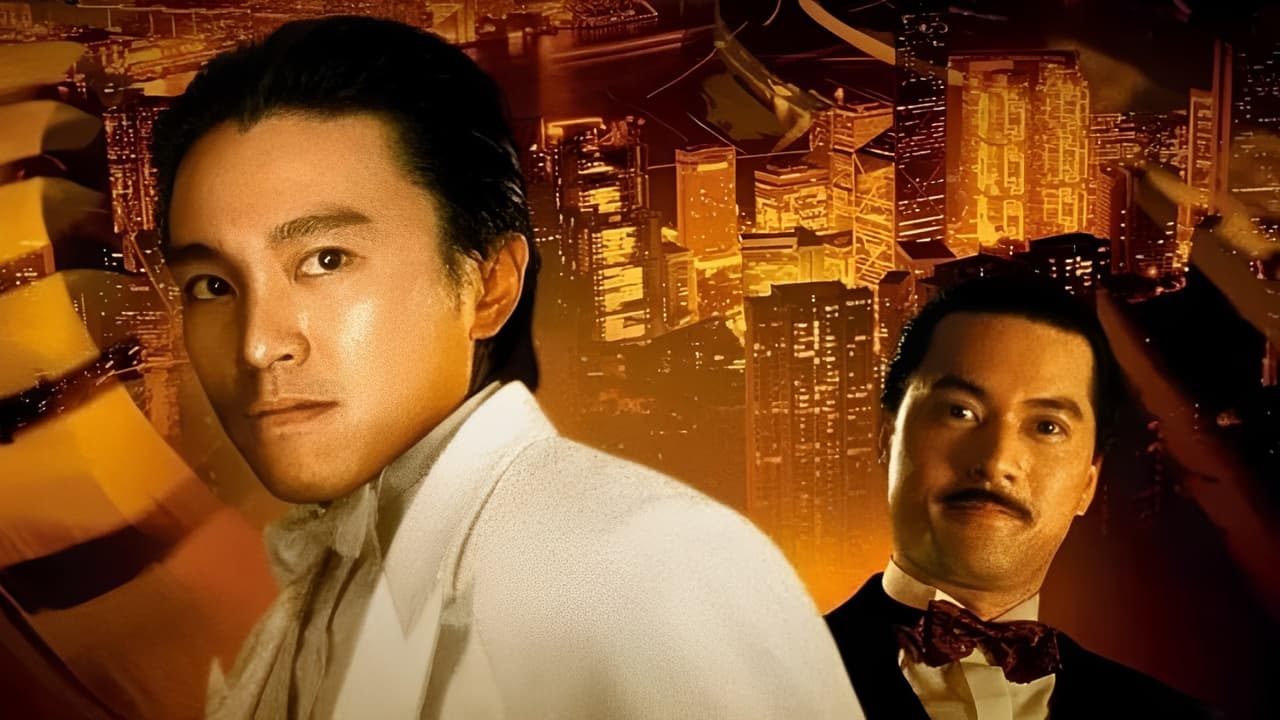
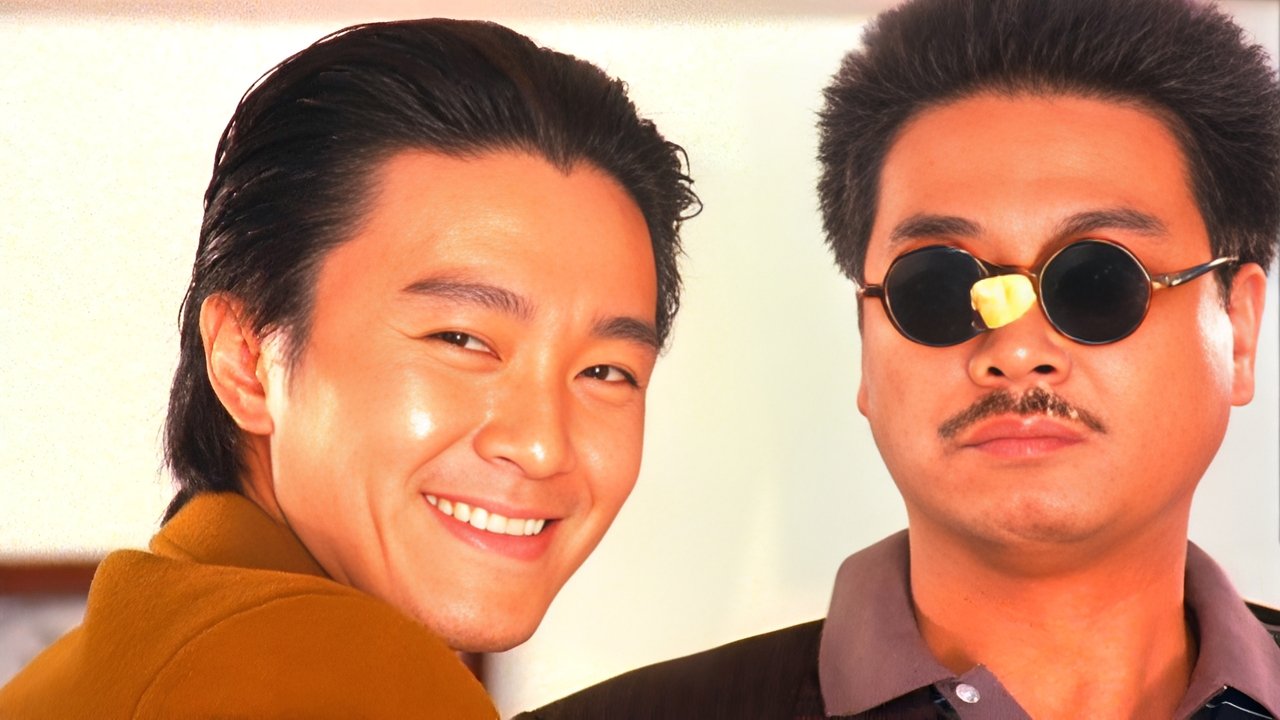
This film hit right at the peak of Stephen Chow's initial explosion onto the Hong Kong scene. His "mo lei tau" style – literally "nonsensical" or "makes no sense" comedy – is in full force. It's a whirlwind of rapid-fire puns (many lost in translation, sadly, but the energy remains), absurd visual gags, pop culture parodies (everything from classic Shanghai melodramas to maybe even a wink at Back to the Future), and Chow's incredible gift for physical comedy and rubber-faced reactions. Watching him try to use his powers, only to have them backfire spectacularly, or navigate the social niceties of 1930s Shanghai with 1990s slang, is pure gold. His chemistry with the legendary Ng Man-tat is, as always, perfection; they were one of HK cinema's all-time great comedy duos.
A fascinating bit of trivia: Stephen Chow became such a phenomenon so quickly that God of Gamblers II and God of Gamblers III were actually released in the same year (1991), both capitalizing on his immense popularity and both becoming massive box office hits in Hong Kong. Talk about striking while the iron was hot!

### Gong Li Steps into the Fray
It's genuinely delightful seeing mainland Chinese superstar Gong Li step into this chaotic HK comedy landscape. Fresh off more serious, acclaimed dramas like Ju Dou (1990) and Raise the Red Lantern (1991), her casting here was quite a coup. Playing dual roles, she brings a touch of class and poise as Yu-San, the object of Sing's affection, while also getting to show a slightly different side as the more down-to-earth Yu-Mong. It's a testament to Wong Jing's anything-goes approach that he could pull a prestigious actress like Gong Li into this kind of manic farce, and she handles it with surprising grace amidst the surrounding silliness. Was this her first foray into broad HK comedy? It certainly feels like a unique entry on her esteemed filmography.
### Wong Jing's Hyperactive Playground
This film is Wong Jing. The director, known for his incredible speed and prolific output (he often seemed to direct half the films coming out of Hong Kong!), throws everything at the screen. Time travel? Sure. Romance? Yep. Gambling tricks? Absolutely. Slapstick violence? You bet. Musical numbers? Why not! It’s messy, episodic, and relies heavily on the charisma of its star, but it possesses an infectious energy that’s hard to resist.
While not an "action" film in the traditional sense like a Jackie Chan flick, there's plenty of physical mayhem. The fights are cartoony and kinetic, often involving exaggerated wire work and sound effects that felt perfectly at home on a slightly staticky CRT screen back in the day. No sleek CGI here – just pure, practical silliness, often parodying more serious martial arts tropes. Remember how ridiculously impactful those slow-motion psychic battles felt, even when they were played for laughs? That raw, slightly unpolished energy was the charm.
This was the kind of film you'd grab from the video store shelf based purely on the cover art and Chow's grinning face, pop it in the VCR late at night, and just surrender to the madness. The subtitles might have been questionable, the plot logic non-existent, but the sheer fun factor was undeniable. I distinctly remember renting this one (or maybe its predecessor, the timelines blur like the film's plot!) and being utterly bewildered yet completely entertained.
---
Rating: 7.5/10
Justification: While the plot is paper-thin and the humour relies heavily on Cantonese wordplay and Stephen Chow's specific comedic genius (which might not land perfectly for everyone, especially in translation), the film is an absolute riot of creative energy and infectious fun. Gong Li adds unexpected class, Ng Man-tat is reliably brilliant, and the sheer audacity of the time-travel premise mixed with gambling and gangsters is peak Wong Jing. It loses points for narrative coherence but gains them back for sheer, unadulterated entertainment value and capturing a specific, glorious moment in Hong Kong cinema history.
Final Thought: God of Gamblers III: Back to Shanghai is a quintessential slice of early 90s Hong Kong pop cinema – loud, chaotic, relentlessly silly, and starring a comedy legend at the height of his powers. It's the cinematic equivalent of mainlining sugar straight from the packet, and sometimes, that's exactly what VHS Heaven ordered. Pure, nonsensical bliss.