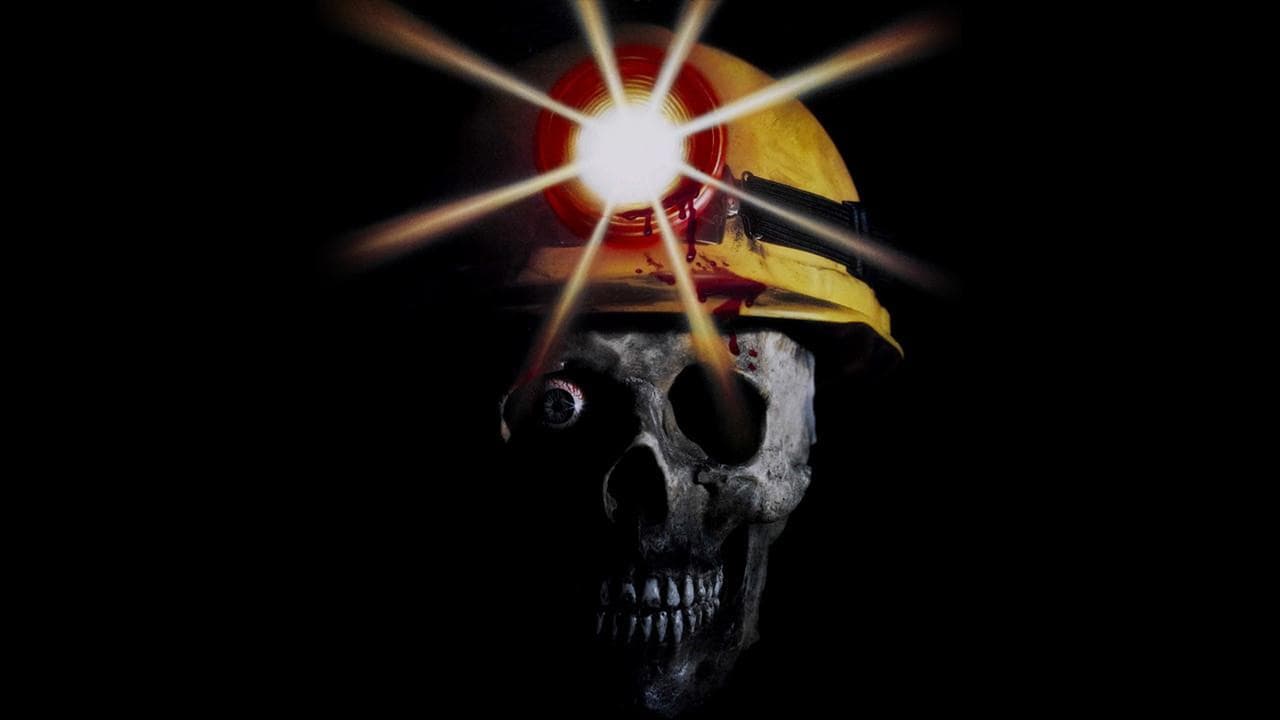
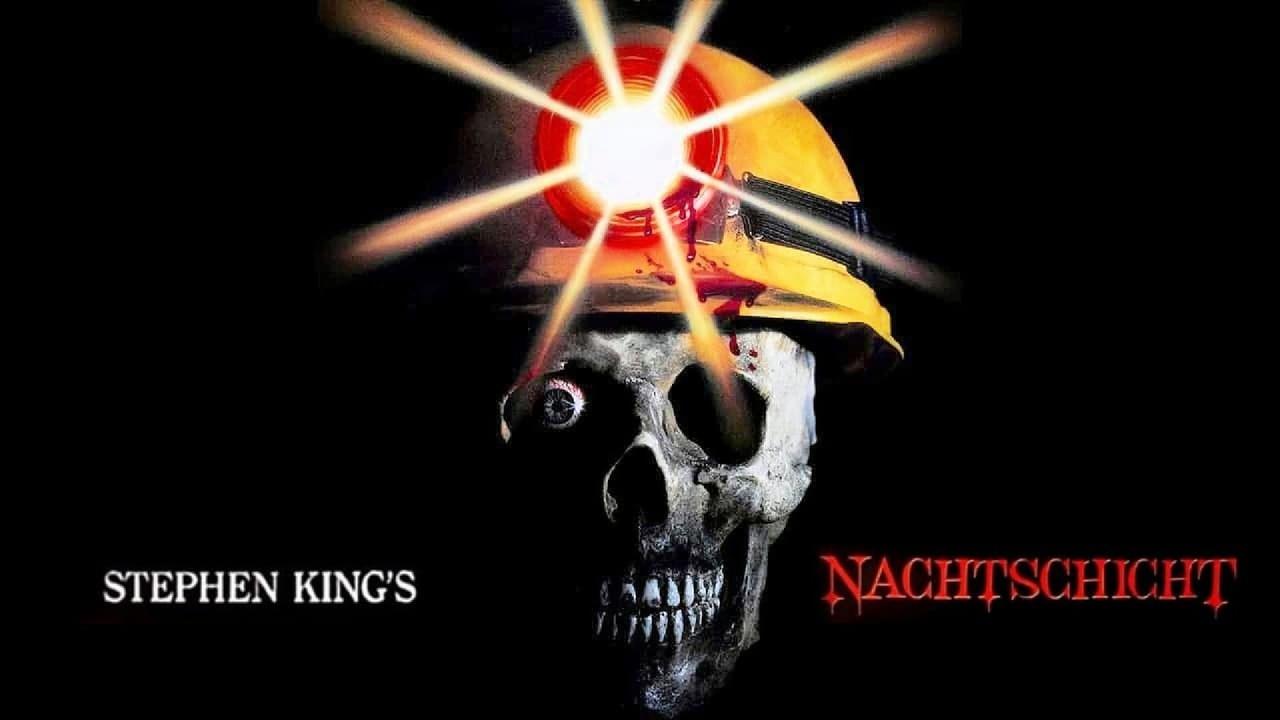
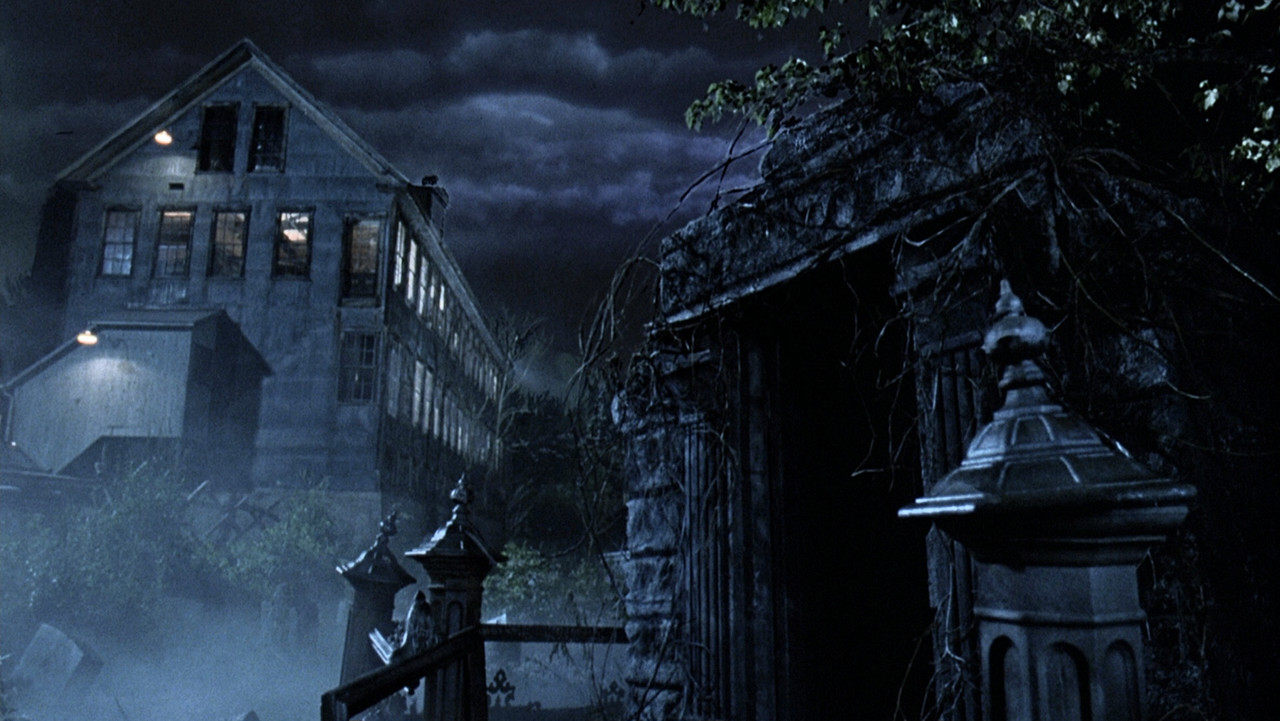
The air hangs thick and heavy, choked with lint and the stench of decay. Not just the decay of the abandoned textile mill, but the rot of secrets festering beneath the surface. Welcome to Gates Falls, Maine, and the Bachman Mill – a place where the graveyard shift isn’t just a time slot; it’s a descent into a primal, subterranean nightmare. Graveyard Shift (1990) might not be the most celebrated Stephen King adaptation to crawl out of the VHS era, but pull up a damp, ratty chair. This one leaves a stain.
Beneath the Floorboards
Based on King's brutally short and bleak 1970 story, the film expands the narrative, populating the cavernous, crumbling Bachman Mill with a crew of desperate souls under the thumb of a truly monstrous foreman. Our entry point is John Hall (David Andrews, recognizable from Cherry 2000), a drifter looking for honest work who lands a job during the mill's hazardous Fourth of July cleanup. The task? Clear out the rat-infested, flooded basement levels, a place sealed off for years. You just know that’s not going to end well. Director Ralph S. Singleton, primarily known as a producer (he helped bring King's Pet Sematary to the screen just a year prior), makes his sole directorial effort here, and he leans heavily into the oppressive, claustrophobic atmosphere. You can almost feel the damp chill and smell the mildew radiating from the screen. Filming took place at the genuinely defunct Bartlett-Webber Mill in Harmony, Maine, and that authenticity bleeds through – this isn't a sterile soundstage; it’s a real, decaying industrial tomb, reportedly making conditions genuinely unpleasant for the cast.
The Tyrant of the Mill
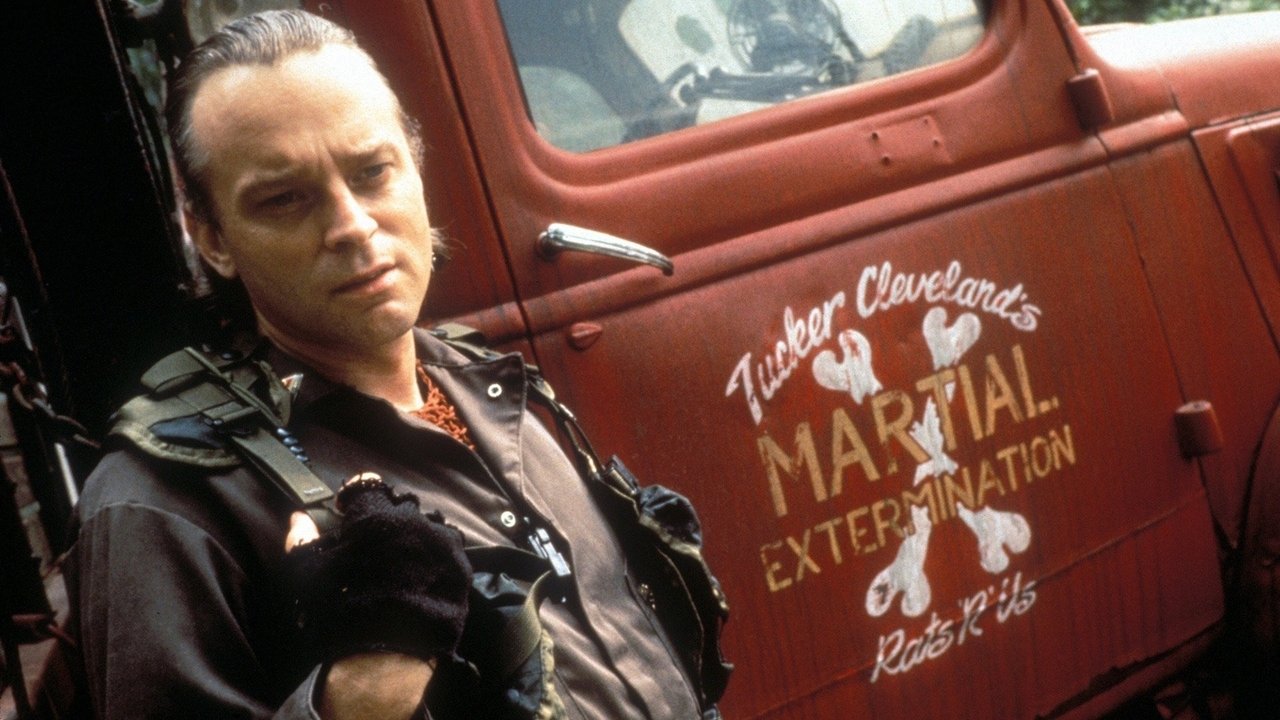
While Andrews provides a capable, if somewhat stoic, protagonist, the film truly belongs to Stephen Macht as Warwick, the sadistic mill foreman. Macht doesn't just chew the scenery; he grinds it down with psychotic glee. His performance is operatically menacing, a portrait of petty tyranny escalating into homicidal desperation. Every barked order, every contemptuous glare feels laced with genuine menace. He's the human monster prowling the upper levels while something far older stirs below. Is it over the top? Absolutely. But in a film populated by archetypes – the drifter hero, the concerned love interest (Kelly Wolf), the grizzled exterminator (Brad Dourif in a scene-stealing, if brief, role) – Macht’s unhinged energy gives Graveyard Shift a jolt of high-voltage villainy it desperately needs.
Things That Scurry and Bite
As Hall and the doomed crew descend deeper, Graveyard Shift delivers on its promise of subterranean horror. The sheer volume of rats depicted is enough to make your skin crawl – thousands of them, swarming through the dark, damp tunnels. The practical effects used to achieve this, combined with the genuinely disgusting setting, create a palpable sense of infestation. But the rats are just the appetizer. Lurking in the deepest recesses is something… larger. Something evolved. The creature effects, overseen by Peter Chesney (who worked with Rick Baker's studio), deliver a memorable monster: a giant, mutated bat-rat hybrid with leathery wings and a truly unpleasant maw. Sure, viewed today, the articulation might seem a bit stiff, the compositing obvious in spots. But back on a grainy VHS tape watched late at night? That thing felt genuinely grotesque, a tangible nightmare born from industrial waste and primal fear. Remember seeing that reveal for the first time? Its design still carries a certain unsettling weight. The production reportedly wrestled with the creature's look, but the final result is pure early-90s B-movie monster glory, enhanced by some surprisingly nasty gore effects that earned the film an R-rating after some trims.
King Country Decay
Expanding King's tight, focused short story inevitably led to some padding. The romantic subplot feels somewhat tacked on, and some character motivations remain murky. The script, penned by John Esposito, hits the expected beats but occasionally stumbles in pacing. Yet, Graveyard Shift captures a specific flavour of King's work – the blue-collar dread, the small-town secrets, the idea that ancient evils fester just beneath the mundane surface of American life. It’s a grimy, unpretentious creature feature, lacking the polish of Pet Sematary or the epic scope of It (1990), but doubling down on claustrophobia and filth. It didn't exactly set the box office ablaze, earning back its modest $10.5 million budget with around $11.6 million gross, suggesting audiences perhaps weren't quite ready for this level of industrial-strength unpleasantness. Singleton never directed again, returning to producing, leaving this as a curious, dark footnote in the King adaptation boom.
***
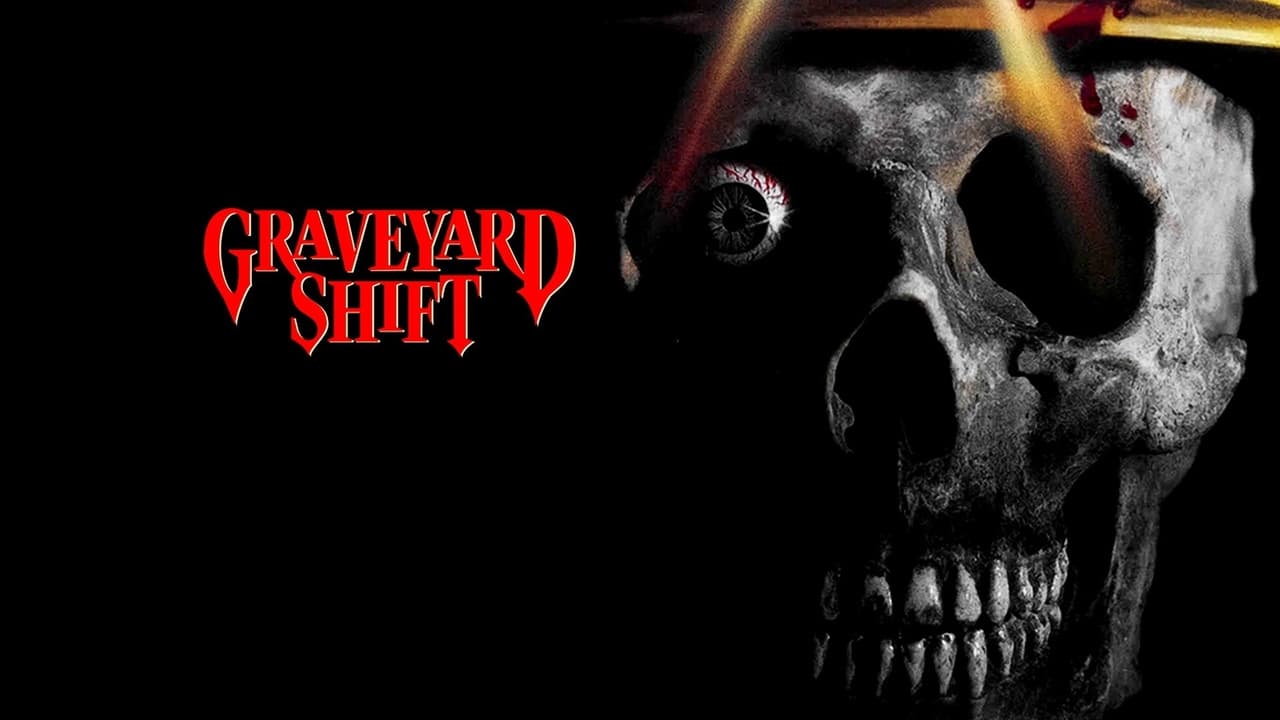
VHS Heaven Rating: 6/10
Justification: Graveyard Shift earns points for its incredibly effective, oppressive atmosphere, Stephen Macht's deliciously evil performance, and a memorably grotesque practical creature effect that was nightmare fuel back in the day. The commitment to grime and genuine location work is commendable. However, it loses points for a somewhat thin script, uneven pacing, occasionally weak supporting characters, and effects that haven't aged as gracefully as others from the era.
Final Thought: It's no masterpiece, but Graveyard Shift is a potent dose of early 90s creature feature nastiness. It’s the kind of film you’d rent on a whim from the horror aisle, drawn in by the King name and the promise of subterranean terror, and leave feeling like you needed a long, hot shower. For lovers of grimy practical effects and unapologetically bleak B-horror, it remains a strangely compelling watch, a sticky residue left over from the golden age of video rentals.