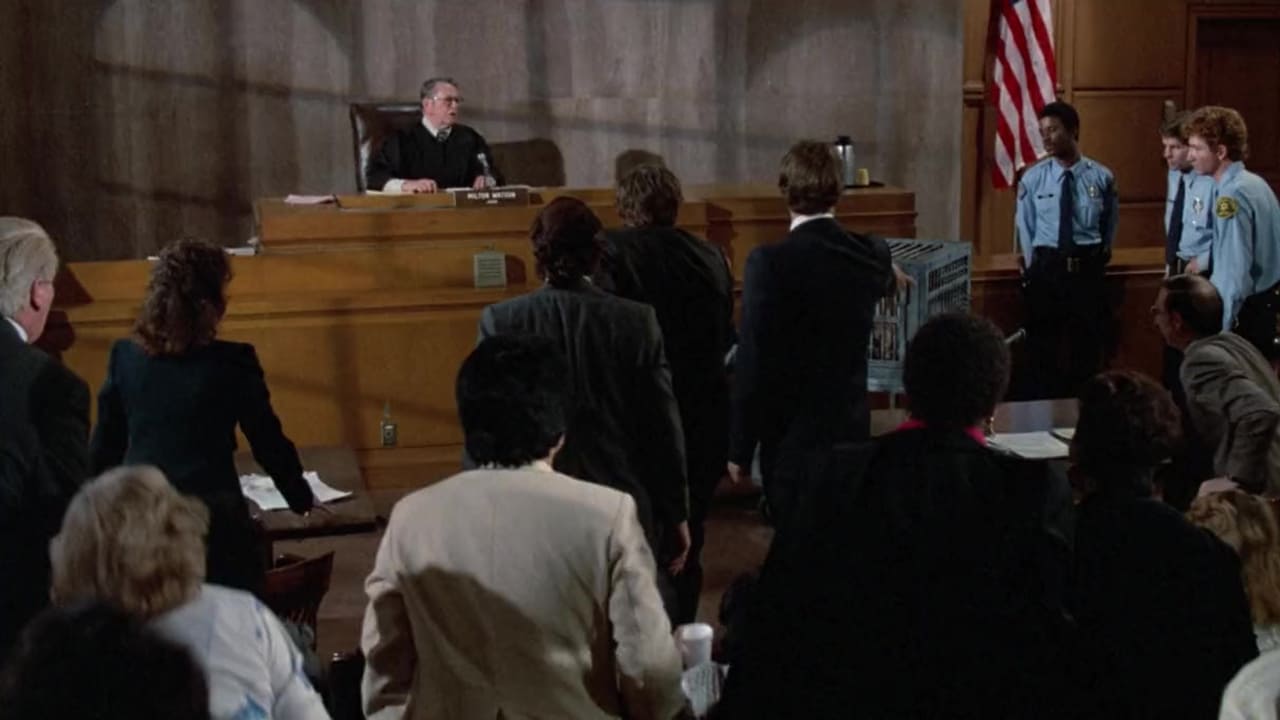
The flickering courtroom lights barely illuminate the faces, twisted not just by grief or anger, but by a profound, societal absurdity. This isn't just about murder; it's about monsters, birthed from our own flesh, now deemed too dangerous to live among us. And standing at the heart of this maelstrom, radiating a manic intensity that feels both deeply tragic and unsettlingly comical, is Michael Moriarty's Stephen Jarvis. This is the chilling, bizarre reality presented in Larry Cohen's It's Alive III: Island of the Alive (1987), a film that pushes the already disturbing premise of its predecessors into the realm of strange, satirical spectacle.
From Urban Nightmare to Tropical Terror
Forget the shadowy hospital corridors and panicked suburban streets of the first two installments. Cohen, ever the maverick filmmaker known for his run-and-gun style often seen in films like Q: The Winged Serpent (1982), dramatically shifts the landscape here. After a harrowing legal battle, the surviving mutant children – those sharp-toothed, surprisingly resilient infants – are granted a twisted sort of clemency: exile. They're banished to a remote, supposedly deserted island, left to fend for themselves. It’s a concept so outlandish it borders on parody, yet Cohen plays it with a straight face, letting the inherent horror of the situation curdle alongside the social commentary. The dread here isn't jump scares; it's the slow burn of watching humanity try to clinically manage an aberration, treating monstrous offspring like a hazardous waste problem.
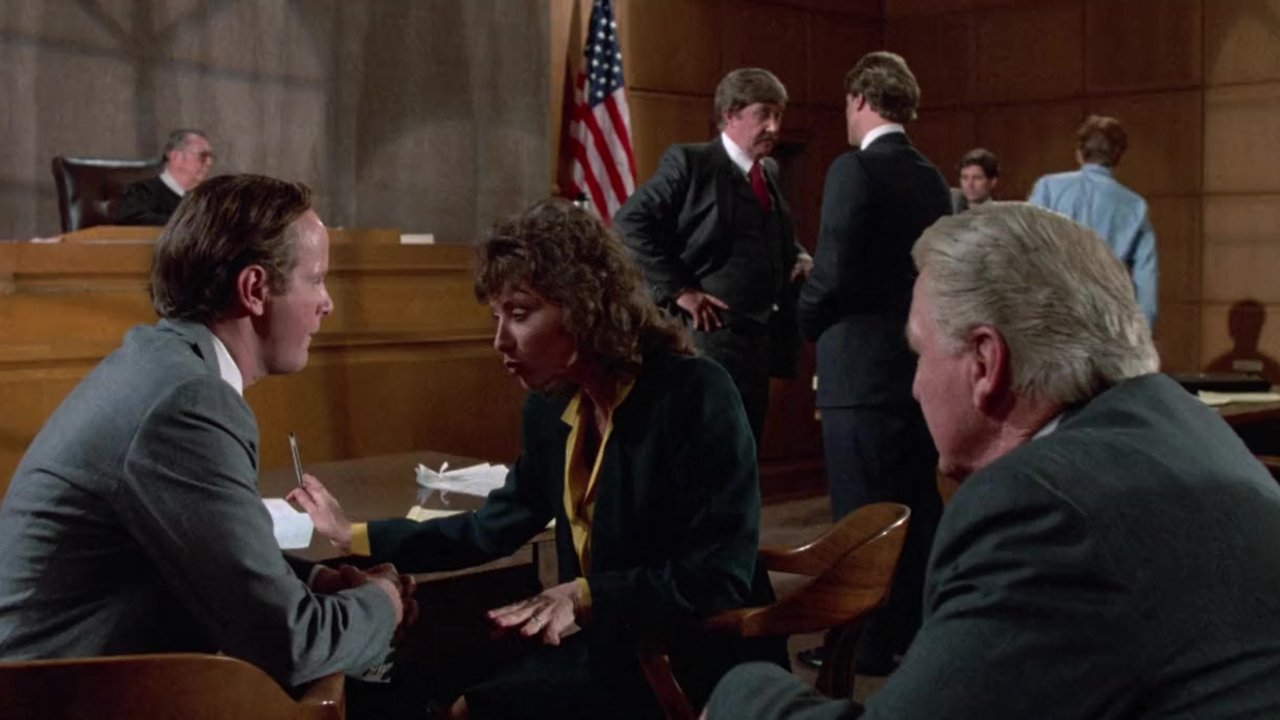
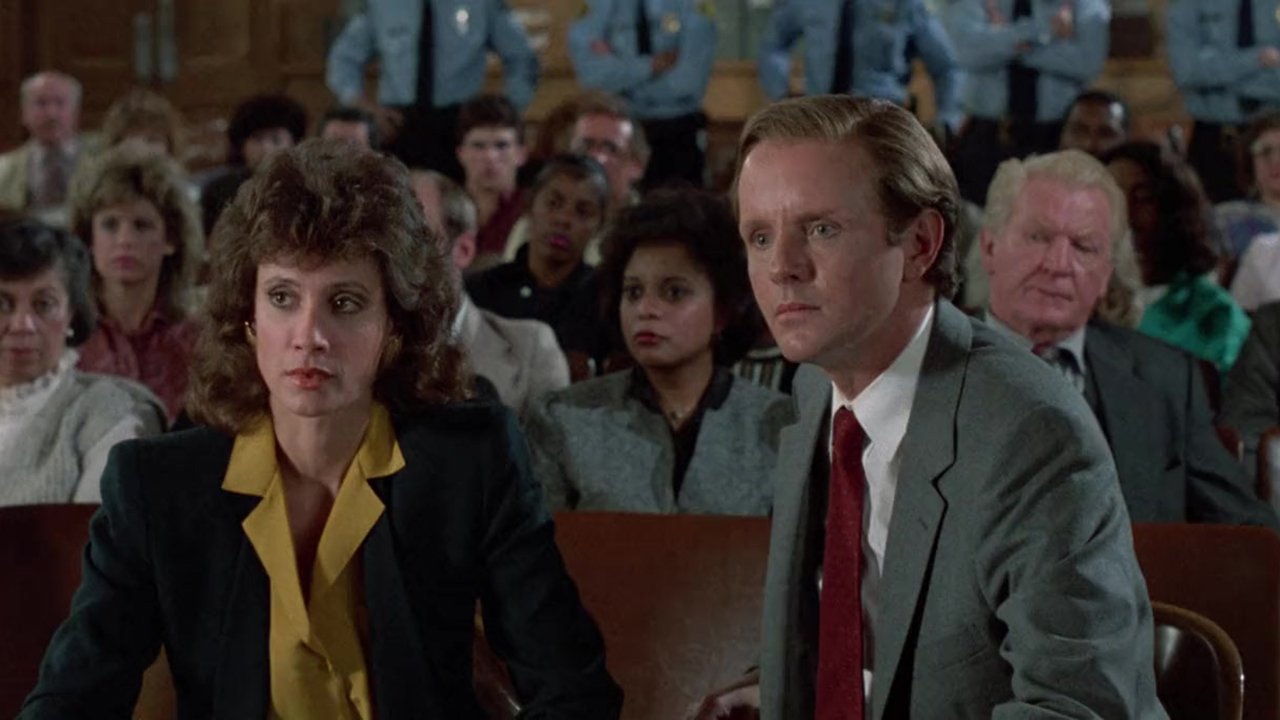
Years pass, and Jarvis, the tormented father from the original It's Alive (1974), finds himself haunted by the decision. Wracked with guilt and spurred by a government expedition planning to potentially eradicate the island's inhabitants, he joins the trip. His motivations are complex – part paternal instinct, part morbid curiosity, part desperate need for closure. Moriarty embodies this conflict with a performance that is nothing short of magnetic. It’s jittery, unpredictable, full of odd line readings and sudden bursts of emotion. Reportedly, Cohen gave Moriarty significant freedom, and it shows in a portrayal that feels raw, almost unscripted, perfectly capturing a man pushed beyond the edge. Remember that scene where he breaks into a spontaneous jazz piano riff? Pure Moriarty, adding another layer of beautiful strangeness to the proceedings.
Island Life, Monster Style
Once the expedition, including the pragmatic activist Ellen (Karen Black, bringing her unique screen presence) and the hardened Lieutenant Perkins (Laurene Landon, a Cohen regular), reaches the island (filmed on location in Kauai, Hawaii, lending an authentic, humid backdrop), the film fully embraces its B-movie monster roots. The island isn't deserted; the "babies" have grown, matured into gangly, somewhat awkward adolescent creatures. The practical effects, while certainly dated by today's standards, retain that specific unsettling quality inherent to the era's creature features. Designed by the legendary Rick Baker for the first film, the lineage is clear, though the execution here feels perhaps a bit rougher around the edges, hampered maybe by the reported $2.2 million budget. Yet, there's an undeniable physical presence to them that CGI often lacks. Doesn't that jerky, almost pained movement of the creatures still feel unnerving in its own way?
Cohen masterfully contrasts the lush, tropical beauty of the island with the inherent menace of its inhabitants. He stages encounters that are less about outright terror and more about a strange, almost melancholic standoff between humanity and its monstrous progeny. The film dares to ask uncomfortable questions: Are these creatures truly evil, or just reacting to the fear and violence directed at them? Is Jarvis’s quest for connection ultimately futile, or is there a glimmer of understanding possible?
Cohen's Calculated Chaos
Island of the Alive is pure Larry Cohen. It's ambitious, slightly messy, filled with biting social commentary wrapped in genre thrills, and propelled by that signature off-kilter energy. He tackles themes of parental responsibility, societal rejection, government overreach, and the very definition of "humanity" – heady stuff for what is, on the surface, a movie about killer mutant kids on an island. Cohen’s knack for finding the weirdness in the mundane (or, in this case, the utterly extraordinary) is on full display. There are moments of genuine tension, flashes of gore, and scenes dripping with that specific 80s cynicism.
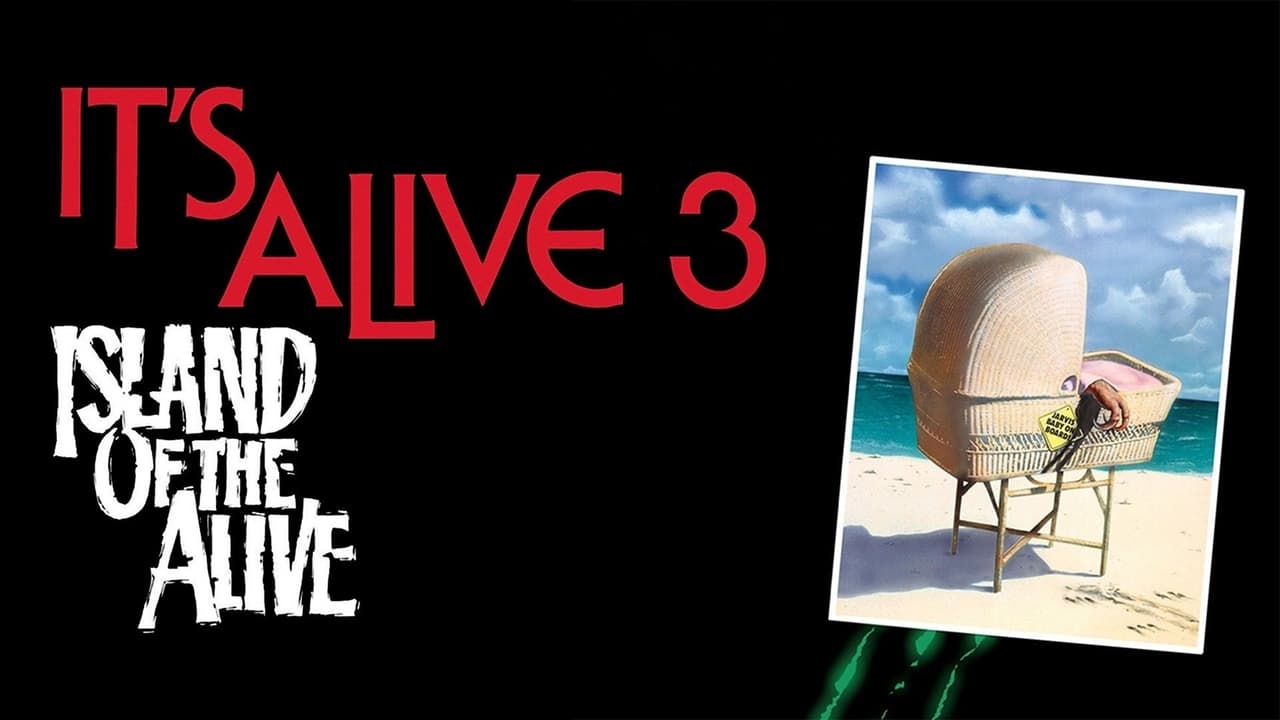
The film isn't perfect, of course. The pacing occasionally lags, and the blend of horror, satire, and melodrama can feel uneven. Some might find Moriarty's performance too eccentric, bordering on distracting. But these quirks are arguably part of its charm, remnants of a time when genre films often felt more personal and idiosyncratic. This wasn't a committee-driven product; it was Cohen's vision, warts and all, delivered directly to our VCRs. I distinctly remember renting this one, drawn in by the lurid cover art, expecting straightforward monster mayhem and getting something... weirder. More thoughtful, maybe? Definitely stranger.
Legacy of the Living
As the final chapter in the It's Alive trilogy, Island of the Alive provides a bizarrely fitting, if not entirely conclusive, end. It lacks the raw, primal fear of the original but compensates with a broader, more satirical scope and Moriarty's unforgettable central performance. It stands as a testament to Larry Cohen's unique brand of filmmaking – intelligent, provocative, and unafraid to be wonderfully weird. It captures that late-80s B-movie spirit, where ambition sometimes outstripped budget, but creativity thrived in the constraints.
Rating: 6/10
Justification: The score reflects the film's undeniable cult appeal, Moriarty's captivatingly bizarre performance, and Cohen's ambitious, satirical ideas. However, it's tempered by the sometimes clunky execution, dated effects (even by 80s standards), and an uneven tone that might not resonate with everyone. It's a fascinating, flawed gem rather than a polished masterpiece.
Island of the Alive might not be the tightest horror film on the shelf, but its sheer audacity and strange melancholy make it a memorable artifact from the VHS era – a weird, thought-provoking trip to a place you wouldn't want to visit, but can't quite look away from.