Some horrors slither into your consciousness, unseen, unheard, until it's far too late. Others announce themselves with a wet, squelching sound and leave a glistening trail of slime across your shag carpet. 1988's Slugs (or Slugs, muerte viscosa if you caught the Spanish release) belongs firmly in the latter category, a creature feature so unapologetically gooey and gloriously gruesome it became a staple of the 'Forbidden Fruit' shelf at many a video store. Forget subtle dread; this film throws buckets of viscera and writhing invertebrates directly at the screen, daring you not to flinch... or maybe chuckle in horrified delight.
Small Town, Big Slime
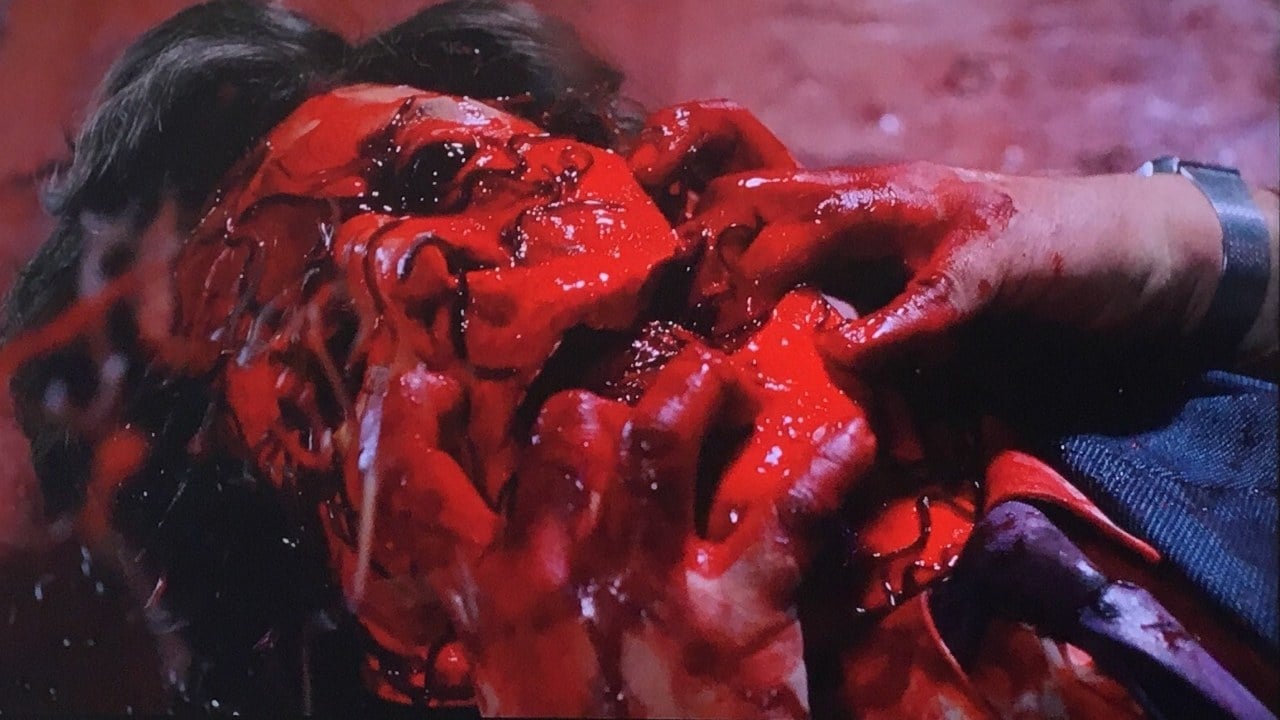
The setup is pure 80s eco-horror gold: a sleepy, idyllic American town finds itself under siege from a mutated strain of killer slugs, presumably beefed up by carelessly dumped toxic waste. It falls to health inspector Mike Brady (Michael Garfield) – no, not that Mike Brady – and his buddy, the local sanitation chief Don Palmer (Philip MacHale), to convince the stubbornly inept town officials that their slimy problem is escalating towards catastrophe. Of course, nobody listens until the bodies, often partially dissolved or bursting with carnivorous gastropods, start piling up in increasingly disgusting ways. The plot isn’t exactly Chekhov, but it provides a perfectly functional framework for what we all rented this tape for: the slime-drenched set pieces.
Directed by the Spanish maestro of mayhem, Juan Piquer Simón, who previously gifted us the equally unforgettable campus slasher Pieces (1982), Slugs operates with a similar brand of European sensibility meeting American B-movie tropes head-on. Filmed primarily in Lyons, New York, the production manages to capture that quintessential small-town America feel, making the slimy invasion feel somehow more violating. Simón wasn't afraid to push boundaries, often resulting in films that felt both endearingly clunky and shockingly graphic, a combination that hits a certain sweet spot for fans of the era's less polished gems. He knew exactly what his audience wanted, and delivered it with squishy, unpretentious zeal.
The Glorious Goo Crew
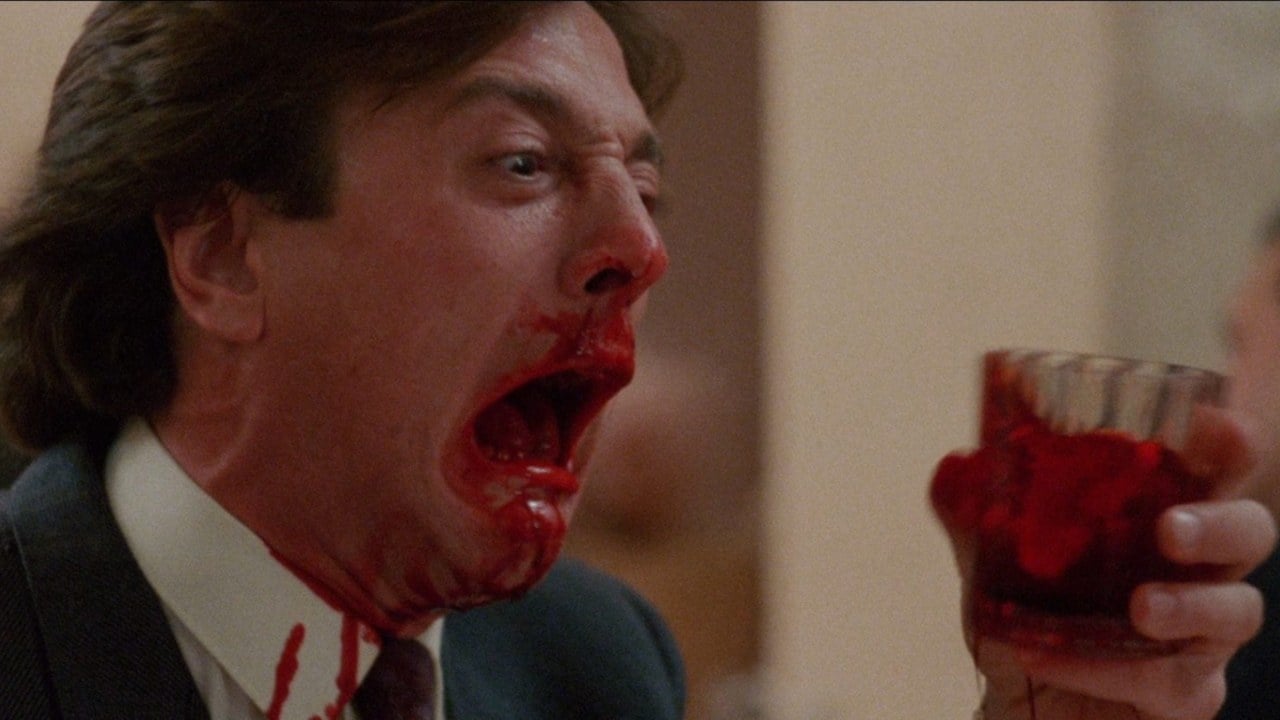
Let's be honest: the real stars here are the slugs and the practical effects used to bring their reign of terror to life. And oh, what terror it is. Remember the scene in the greenhouse? Or the unfortunate soul finding more than just lettuce in their salad at the dinner party? And who could forget that bedroom sequence? It’s a masterclass in escalating gross-out horror, scenes clearly designed to elicit gasps and groans from a Friday night rental crowd. The effects, while obviously dated by today's CGI standards, possess a tangible, stomach-churning quality that pixels often lack. Carlo De Marchis, the special effects artist, clearly had his work cut out for him, reportedly using a combination of real slugs (apparently Spanish slugs were imported!), miniatures, and various unsettling puppetry rigs to achieve the desired level of repulsive carnage. There's a certain grimy authenticity to it all; you can almost feel the slime.
The human performances are… well, they're certainly present. Michael Garfield plays the earnest hero role straight, trying his best to inject urgency into lines like "The slugs are eating people, sir!" Kim Terry as his wife Kim provides support, while Philip MacHale offers some gruff charm as the sanitation chief. Nobody's likely winning awards here, but they serve their purpose: reacting with appropriate horror (or sometimes, baffling calm) to the unfolding gastropod apocalypse. Their earnestness, contrasted with the sheer absurdity of killer slugs, only adds to the film's unique charm. Reportedly, dealing with buckets of actual slugs and gallons of fake slime wasn't exactly glamorous work, lending a layer of B-movie grit to the proceedings.

Legacy of the Lowly Slug
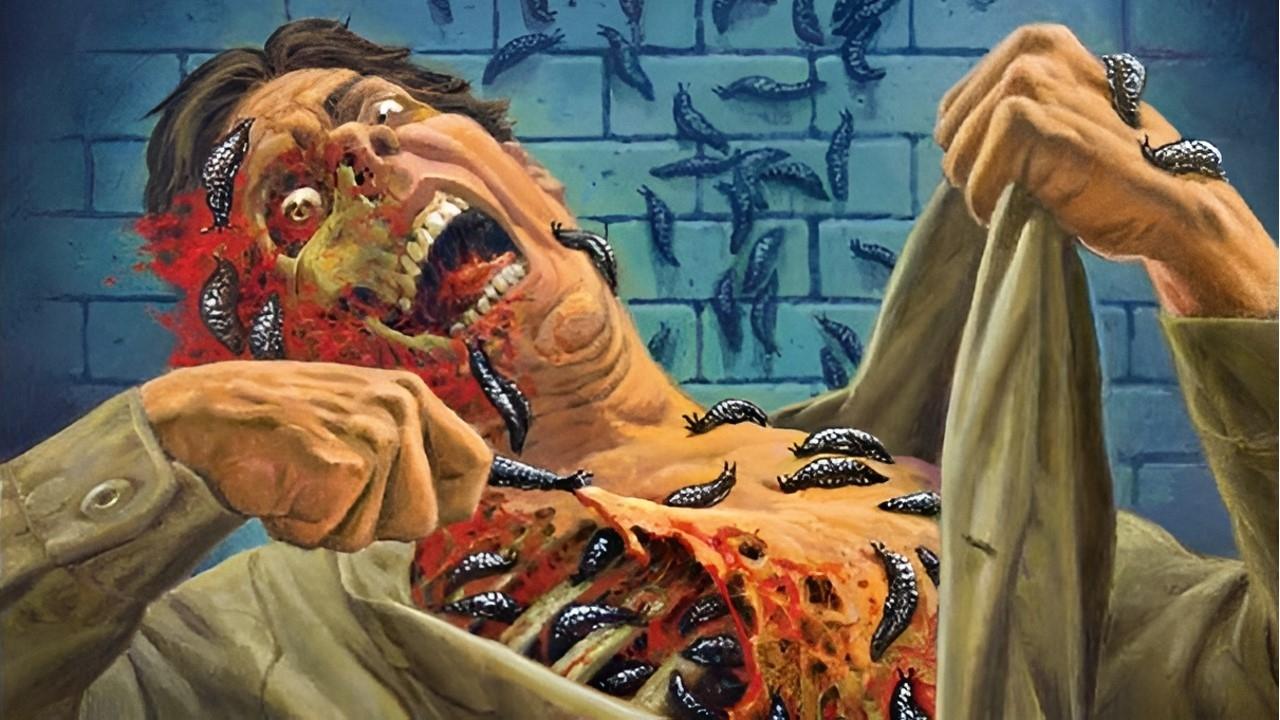
Slugs wasn't a massive box office hit, likely hampered by its graphic content and niche appeal, but it found its true home on VHS. That lurid cover art, promising untold slimy horrors within, was practically irresistible. It’s a film built on a simple, primal fear – the invasion of the unclean, the slow, unstoppable creep of something repulsive into our safe spaces. Simón, working with a relatively modest budget (details are scarce, but typical for his productions, likely under $1 million), managed to craft memorable moments of sheer Cronenbergian body horror mixed with almost comical levels of gore. Shaun Hutson, author of the original 1982 novel, has reportedly expressed mixed feelings about the adaptation, but there's no denying its cult status among fans of schlocky 80s horror.
Does it hold up? As high art, certainly not. The pacing can drag between the big gore scenes, the dialogue occasionally dips into unintentional hilarity, and the logic is often thinner than slug slime. But as a time capsule of unapologetic, practical effects-driven creature feature madness? Absolutely. It delivers exactly what it promises: slimy, disgusting, B-movie fun. It’s the kind of movie you’d dare your friends to watch, the kind that left you feeling slightly nauseous but strangely satisfied. It's a testament to a time when horror didn't always need complex mythology or deep psychological themes – sometimes, killer slugs were more than enough.
***

VHS Heaven Rating: 6/10
Justification: Slugs scores points for its unforgettable practical gore effects, its commitment to its ludicrous premise, and its status as a cult VHS classic. Juan Piquer Simón's direction delivers the requisite shocks with B-movie gusto. However, it loses points for uneven pacing, often stilted performances, and dialogue that occasionally borders on parody. It's a film whose highs are memorably disgusting, but whose connective tissue can feel sluggish.
Final Thought: For every sophisticated horror film that burrows into your psyche, there's a glorious piece of schlock like Slugs that just wants to slime its way across your eyeballs – and sometimes, that's exactly the kind of cathartic gross-out experience you need.