Here’s a dive into a gem that might have caught your eye on the 'World Cinema' shelf back in the day, nestled perhaps between more familiar European titles.
***
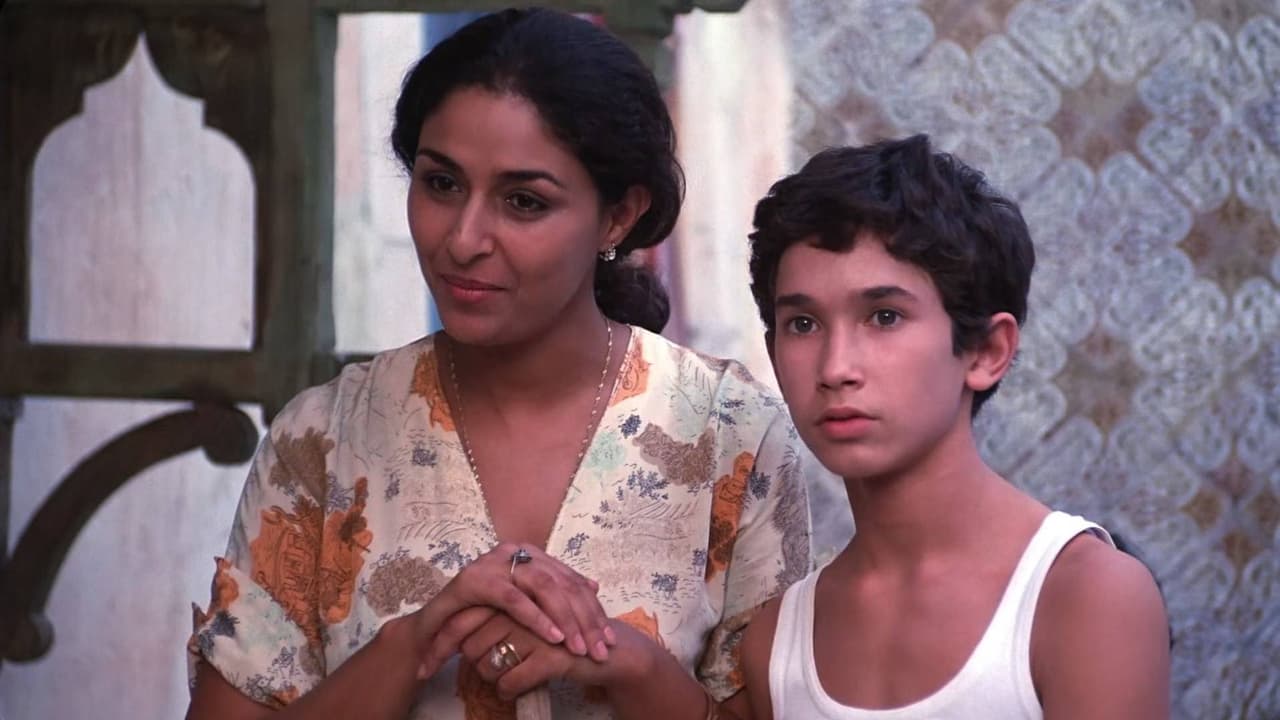
The heat practically radiates off the screen from the opening frames of Halfaouine: Boy of the Terraces (often found simply as Halfaouine). It’s not just the Tunisian sun beating down on the titular Tunis district; it’s the simmering heat of burgeoning adolescence, of secrets whispered across rooftops, and the hidden warmth of spaces forbidden to prying male eyes. I recall finding this one tucked away at the local video store, its cover art hinting at something exotic and maybe a little daring. Renting it felt like choosing a portal to a different world, a far cry from the usual blockbuster fare stacked high near the entrance.
A Boy's-Eye View of Divided Worlds
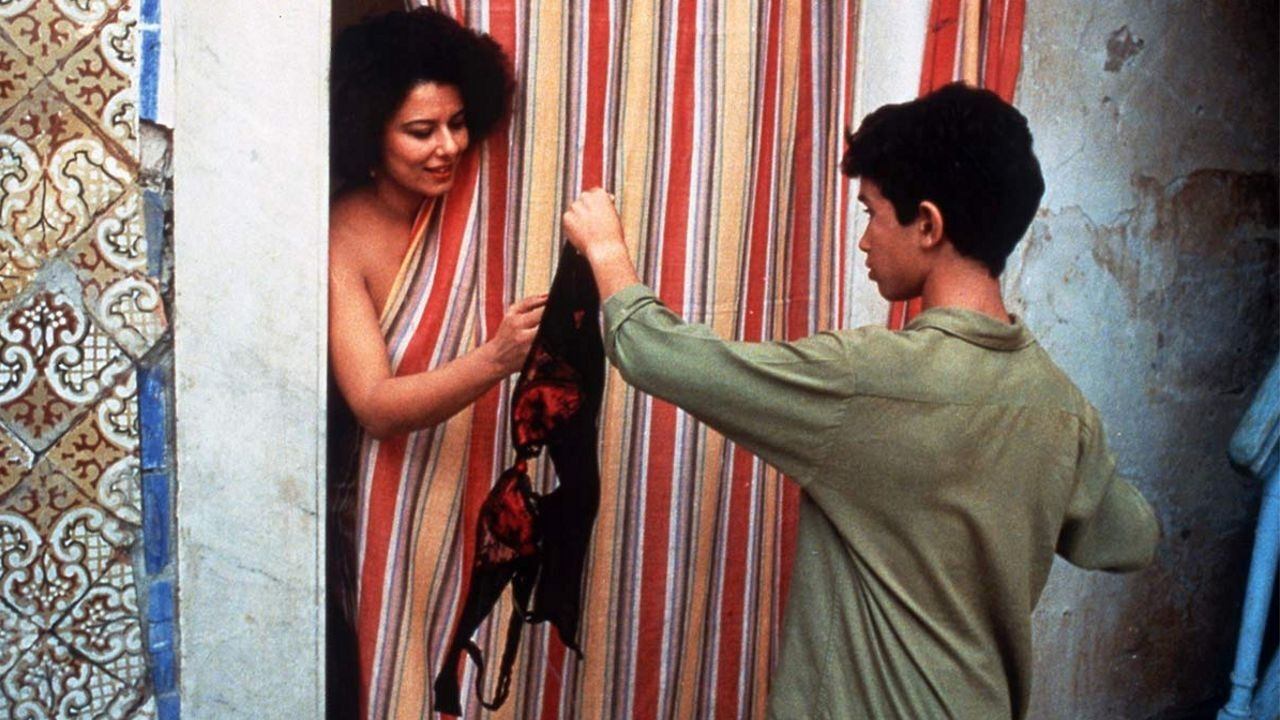
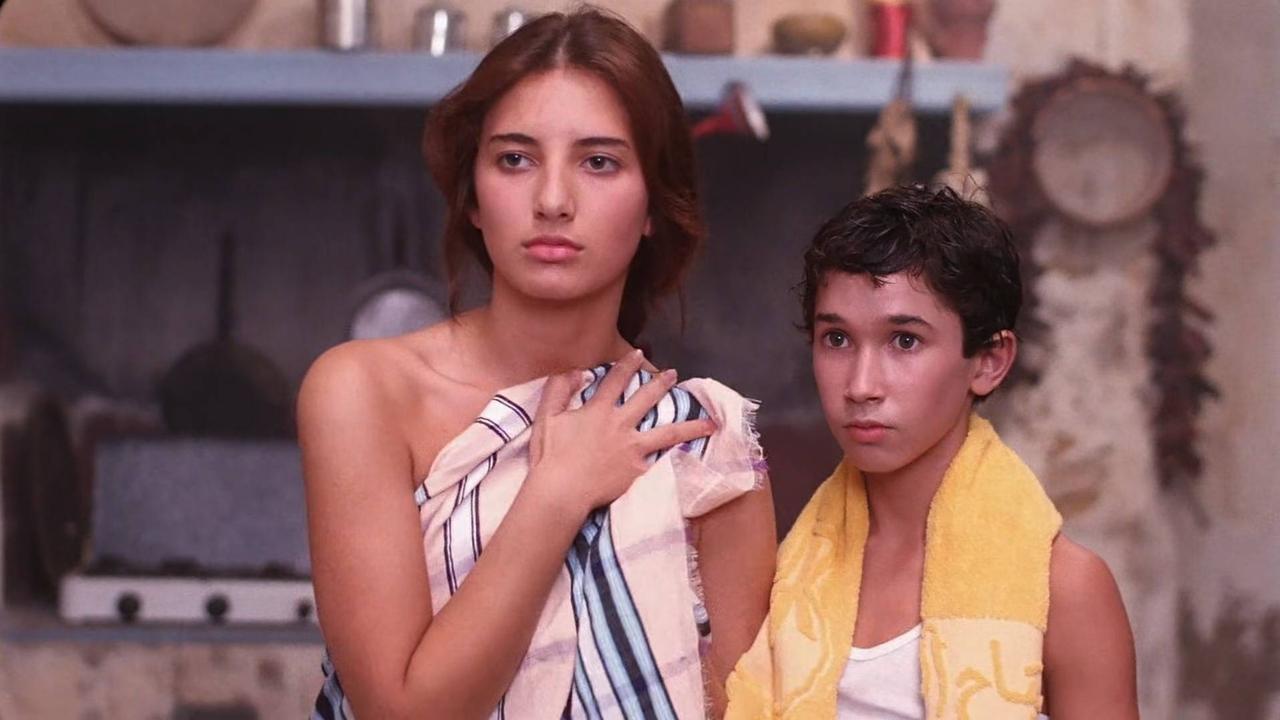
At the heart of Halfaouine is twelve-year-old Noura, played with remarkable naturalism by the director's own nephew, Selim Boughedir. Noura exists in that liminal space between childhood and manhood, a vantage point director Férid Boughedir uses to explore the sharply delineated worlds of men and women in traditional Tunisian society. Because he still possesses the innocent face of a child, Noura retains a precious, temporary visa into the ultimate female sanctuary: the hammam, the public bathhouse. It's here, amidst the steam, chatter, and unveiled bodies, that the film finds its most potent and evocative imagery.
What could easily have veered into voyeurism is handled with a gentle, almost anthropological curiosity. We see this hidden world through Noura’s wide, observant eyes – the gossip, the camaraderie, the casual intimacy, the rituals. It’s a world utterly separate from the boisterous, politically charged domain of the men he encounters in the streets and cafes. Férid Boughedir, who also penned the script, isn’t just telling Noura’s story; he’s painting a vibrant, textured portrait of a specific time and place, capturing the rhythms and nuances of daily life in the Halfaouine quarter with palpable affection.
Authenticity in Every Frame
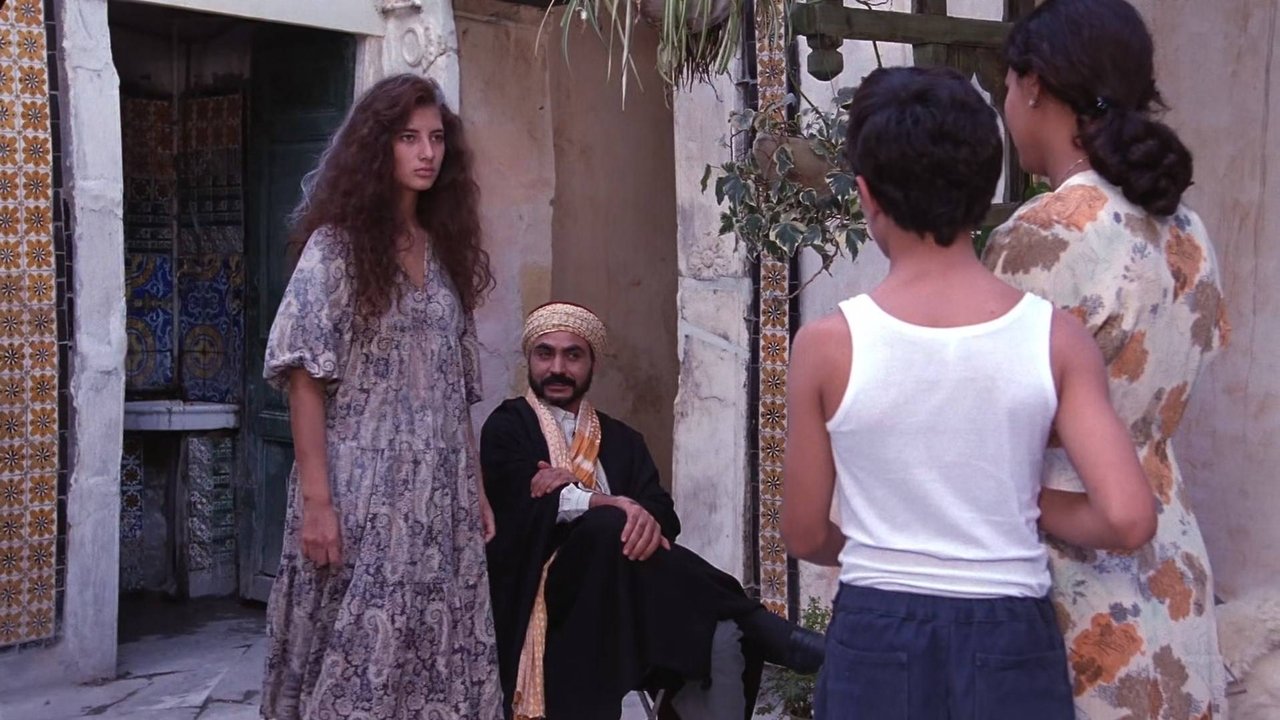
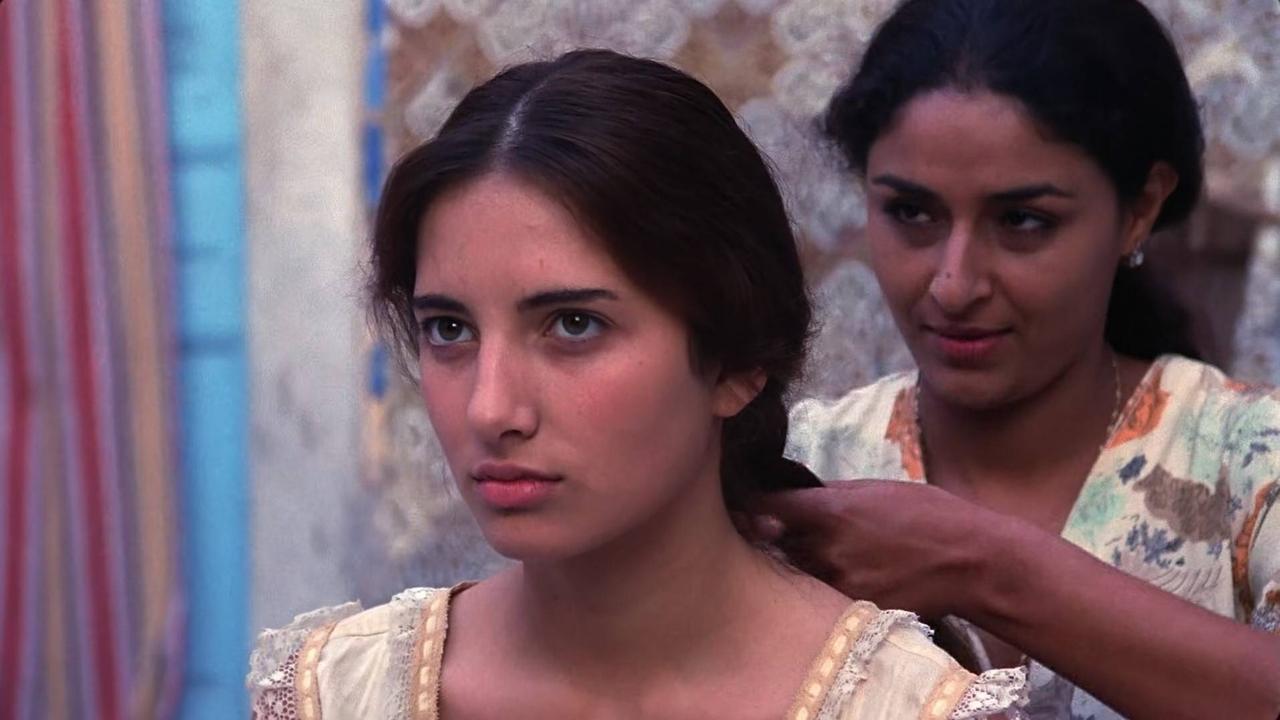
There’s an authenticity that permeates Halfaouine, grounding its potentially sensitive subject matter. Much of this comes from Selim Boughedir's performance – it's less a performance and more an act of being. He embodies the confusing mix of innocence, curiosity, and burgeoning desire that defines that age. Supporting players, including the wonderful Mustapha Adouani as Noura's stern but loving father and Rabia Ben Abdallah radiating warmth as his mother, feel less like actors and more like real inhabitants of this world. The film skillfully blends professional actors with non-professionals, enhancing that feeling of stepping directly into the alleys and homes of Tunis.
Filming entirely on location was crucial. You can almost smell the spices, hear the distant calls to prayer, feel the cool tiles underfoot. Férid Boughedir, who later explored similar themes in A Summer in La Goulette (1996), clearly has a deep understanding and love for the culture he's depicting. It’s a specific portrayal, yet Noura's journey—the awkwardness, the yearning, the struggle to understand the adult world—feels universal. Remember those moments in your own youth, trying to piece together the baffling codes and behaviours of grown-ups? Halfaouine taps into that feeling with a quiet grace.
A Gentle Provocation
For a film released in 1990 from the Arab world, Halfaouine was notably frank in its depiction of female nudity and burgeoning sexuality. It wasn't sensationalistic, but rather observational, presenting the female form within the specific cultural context of the hammam as natural, unashamed. This approach garnered significant international acclaim, winning the prestigious Tanit d'Or at the Carthage Film Festival and becoming Tunisia's submission for the Best Foreign Language Film Oscar (though it wasn't ultimately nominated). Its success offered many Western viewers, like me browsing the aisles of that video store, a rare cinematic window into everyday life in North Africa, presented with warmth and humor rather than exoticism or political lecturing. It’s the kind of film that likely wouldn’t get made, or at least not in the same gentle, observational style, today. It feels very much a product of its time, in the best possible way – a personal story expanding into a cultural snapshot.
The film asks us, subtly, to consider the nature of observation. Noura sees much, but how much does he truly understand? His journey isn’t just about sexual awakening, but about beginning to comprehend the complexities, hypocrisies, and tenderness of the adult relationships surrounding him. What does it mean to witness a hidden world, and how does that witnessing change you as you inevitably have to leave it behind?
***
VHS Heaven Rating: 8/10
Halfaouine: Boy of the Terraces earns this score for its stunning authenticity, the captivating and natural central performance by Selim Boughedir, and Férid Boughedir's warm, insightful direction. It's a beautifully shot, gently paced coming-of-age story that uses its specific cultural setting to explore universal themes of curiosity, transition, and the discovery of life's hidden complexities. Its blend of humor, sensuality, and heartfelt observation makes it a standout from the era, far richer and more nuanced than a simple plot summary might suggest.
It remains a charming, evocative film that transports you completely – a testament to the power of cinema to bridge worlds, captured perfectly on that humble, whirring VHS tape. It leaves you with a lingering sense of warmth, like emerging from a steam bath into the cool evening air.