What exactly is a torch song? It’s typically a lament for lost love, sung with bruised defiance, raw vulnerability masked by performance. And Harvey Fierstein’s Arnold Beckoff, the heart and soul of 1988’s Torch Song Trilogy, doesn’t just sing them; he lives them across three distinct acts of his life unfolding on the vibrant, often unforgiving streets of New York City. Watching this film again, decades after first sliding that worn New Line Cinema VHS tape into the VCR, its power hasn't dimmed. If anything, the passage of time has only sharpened the edges of its honesty and the depth of its yearning.
### A Life in Three Acts
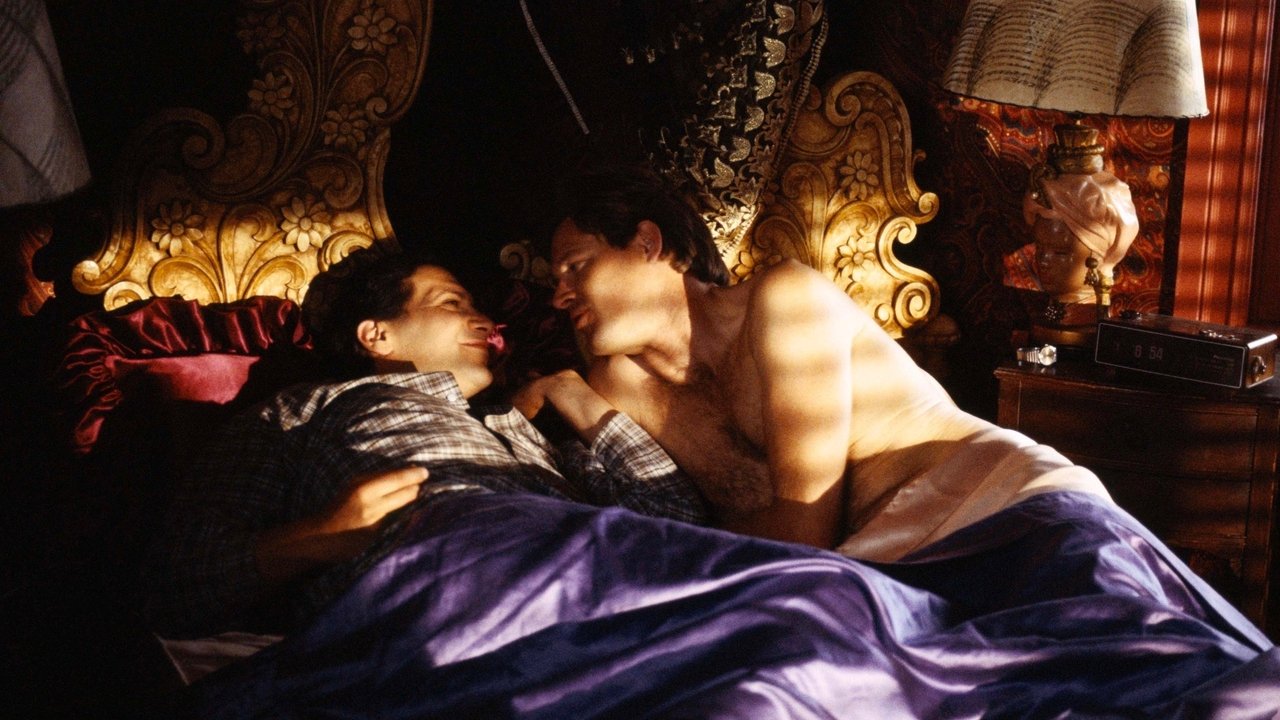
Based on Fierstein's own groundbreaking, Tony Award-winning play (itself a combination of three earlier one-acts), the film, skillfully adapted by Fierstein himself and directed by Paul Bogart (a veteran mostly known for television like All in the Family), retains an episodic feel. We follow Arnold, a Jewish drag performer with a voice like gravel and a heart stubbornly seeking connection, through the late 70s and into the early 80s. First, his complicated, passionate relationship with Ed (Brian Kerwin), a handsome teacher deeply closeted and torn between societal expectations and his feelings for Arnold. Then, a period exploring newfound love shadowed by sudden tragedy. Finally, Arnold navigates the thorny path of potential fatherhood, attempting to adopt a troubled gay teenager, David, played with effortless charm by a young Matthew Broderick, fresh off Ferris Bueller's Day Off (1986). Looming over this final act is the formidable presence of his Ma (Anne Bancroft), visiting from Florida and bringing with her a lifetime of unresolved tensions and deeply ingrained prejudices.
### The Unmistakable Voice of Arnold
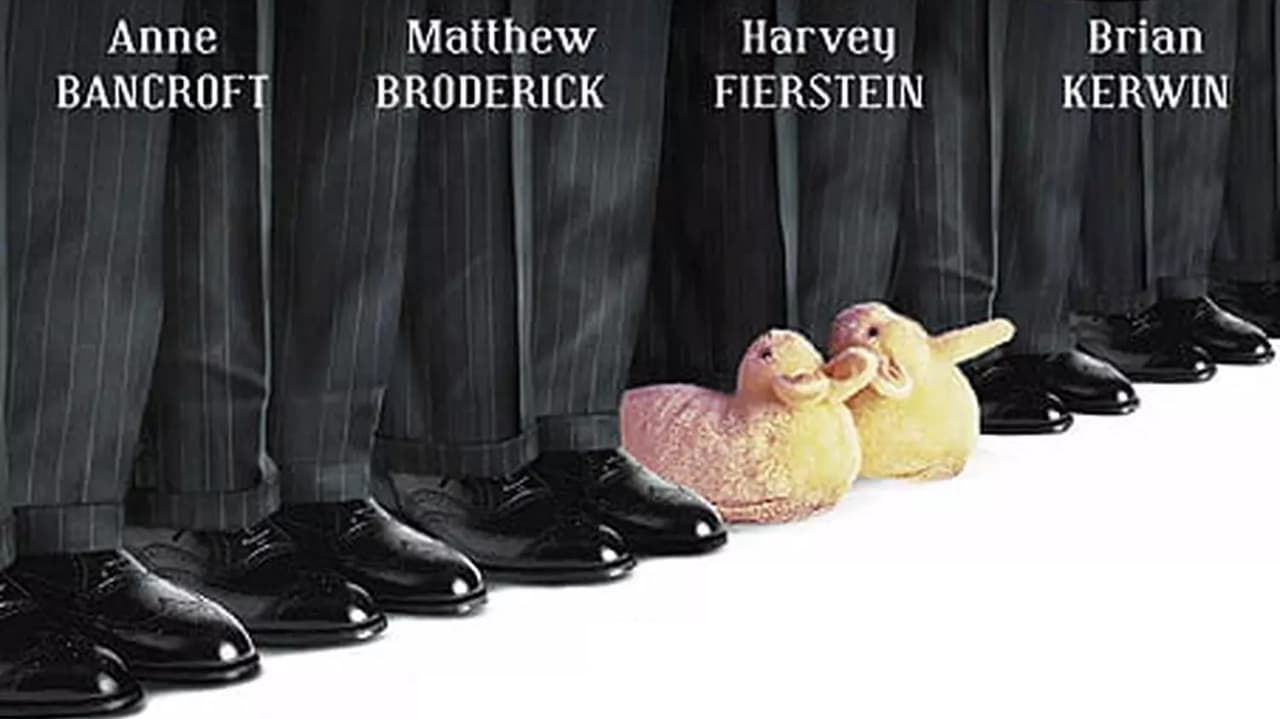
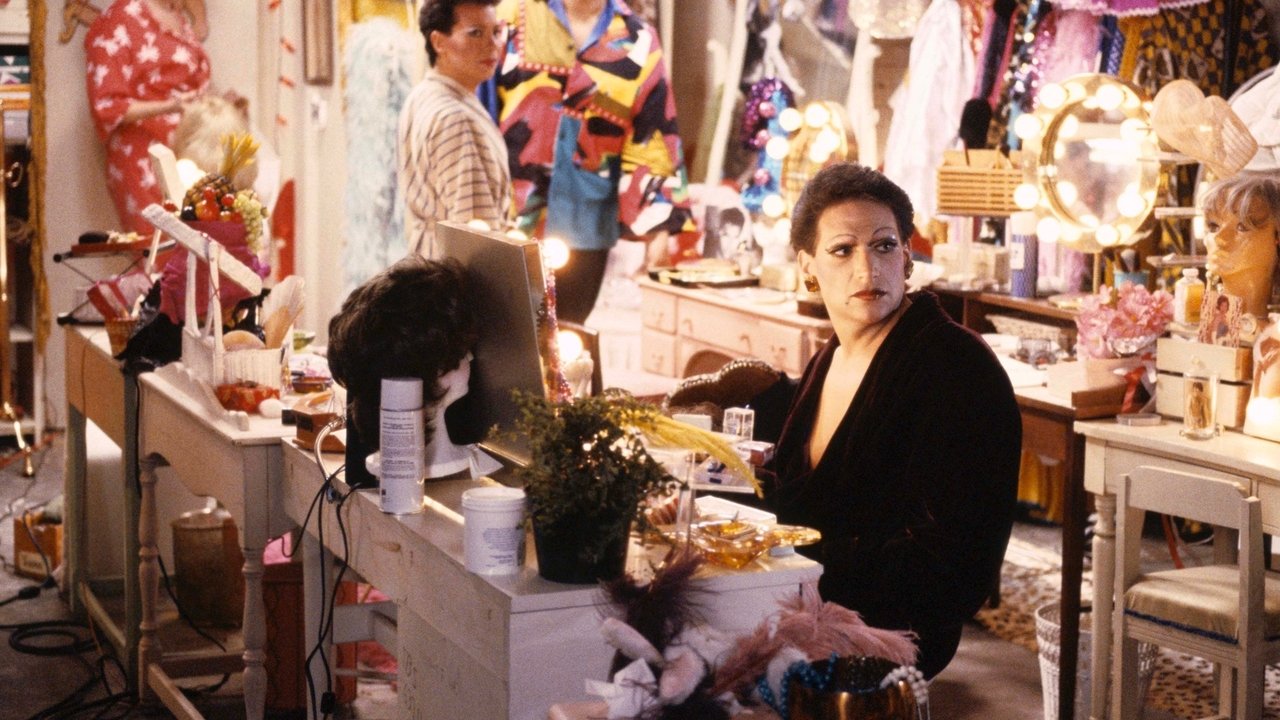
At the center of it all is Harvey Fierstein. It’s impossible to imagine anyone else embodying Arnold Beckoff. Having lived this character on stage for years (winning Tonys for both writing and acting), Fierstein pours every ounce of lived experience, biting wit, and aching vulnerability into the film performance. Arnold isn't just a caricature or a stereotype; he’s a fully realized human being demanding love, respect, and a family on his own terms. He’s flawed, sometimes abrasive, often hilarious, but always deeply authentic. Fierstein makes you feel Arnold's loneliness even when he's cracking wise, his strength even when his voice trembles. It’s a performance that feels less like acting and more like bearing witness. His famous line, "I think I've aged ten years with this conversation," lands with the weary weight of countless such confrontations.
### The Unforgettable Ma
And then there’s Anne Bancroft. Stepping into the role originated on stage by Estelle Getty, Bancroft brings a different, perhaps more formidable, energy. Her Ma Beckoff is not a simple villain; she's a complex product of her generation, wrestling with her love for her son and her profound inability to accept his life. The extended scene where Ma visits Arnold’s apartment, culminating in their explosive kitchen confrontation, remains one of the most electrifying depictions of familial conflict committed to film. It’s raw, uncomfortable, and utterly believable. You see the years of unspoken disappointment, the fierce maternal love twisted by fear and incomprehension. Bancroft doesn't shy away from Ma's sharp edges, making her eventual, fragile acknowledgements all the more potent. Watching Fierstein and Bancroft, two masters at the height of their powers, spar with dialogue that cuts like glass is simply unforgettable cinema. It’s said Fierstein initially hoped Getty would reprise her stage role, but Bancroft’s star power undeniably helped secure the film's financing and visibility – a necessary compromise, perhaps, for bringing this vital story to a wider audience.
### From Stage to Screen, Heart Intact
Translating a four-hour-plus play heavy on monologues and intimate scenes to a two-hour film is always a challenge. Paul Bogart, primarily a television director, handles the material with sensitivity, focusing rightly on the powerhouse performances. While some of the stage version's sprawling scope and perhaps some subplots are inevitably trimmed (Fierstein himself streamlined his work for the screenplay), the core emotional journey remains strikingly intact. The film doesn't feel overly "stagey," allowing the cramped New York apartments and bustling city streets to provide a grounded backdrop for the intensely personal drama. Shot mainly on location in NYC, it captures a specific time and place just before the devastation of the AIDS crisis fully registered in the mainstream consciousness, adding another layer of poignant historical context.
Retro Fun Facts: The journey from stage to screen wasn't easy. Fierstein's explicit exploration of gay life, love, and family was still a tough sell in Hollywood. New Line Cinema, then known more for genre fare, took a chance. The film was made for a modest $5 million and earned back just under that domestically ($4.8 million), proving more a critical and cultural success than a box office smash. Its slightly awkward tagline, "Sometimes a drag is just a drag," perhaps didn't fully capture the film's depth.
### Why It Still Matters
Torch Song Trilogy was more than just a movie in 1988; it felt like a statement. In an era where gay characters were often relegated to tragic figures, punchlines, or barely visible background players, Arnold Beckoff demanded center stage. He demanded the right to love, to mourn, to build a family, to be seen and heard. The film’s unflinching honesty about relationships, identity, and the messy, complicated definition of family felt radical then, and its emotional truths still resonate powerfully. What does it mean to truly accept someone you love? How do we build families based on choice and commitment, not just biology or convention? These questions linger long after the credits roll.
The blend of sharp humor and genuine pathos is key to its enduring appeal. It earns its tears and its laughter, never shying away from the pain but always finding the resilience and hope underneath. It’s a film that, much like Arnold himself, wears its heart on its sleeve, unapologetically.
Rating: 9/10
This near-perfect score is earned through the sheer force of Harvey Fierstein's iconic performance and brilliant writing, Anne Bancroft's unforgettable turn, and the film's groundbreaking courage in portraying gay life with such honesty, humor, and humanity in 1988. While the adaptation might slightly blunt the sprawling impact of the original play for those familiar with it, what remains is potent, moving, and vital.
Torch Song Trilogy wasn't just a tape we rented; for many, it was a revelation – a film that spoke truths rarely voiced so openly, leaving an indelible mark on the landscape of queer cinema and reminding us that everyone deserves their own love song, even if it’s sung a little off-key.