Okay, settle back into that worn armchair, maybe imagine the faint hum of a CRT nearby. Remember that particular weight and clunk of a well-loved VHS tape? Some tapes seemed to radiate a certain vibe even before you slid them into the VCR. And few tapes pulsed with the neon-drenched, synth-backed promise of 80s aspirational excess quite like Cocktail (1988). It beckoned from the rental shelf, didn't it? A glossy snapshot of ambition, beautiful people, and the intoxicating allure of flipping bottles for fame and fortune.
### The Intoxicating Pour
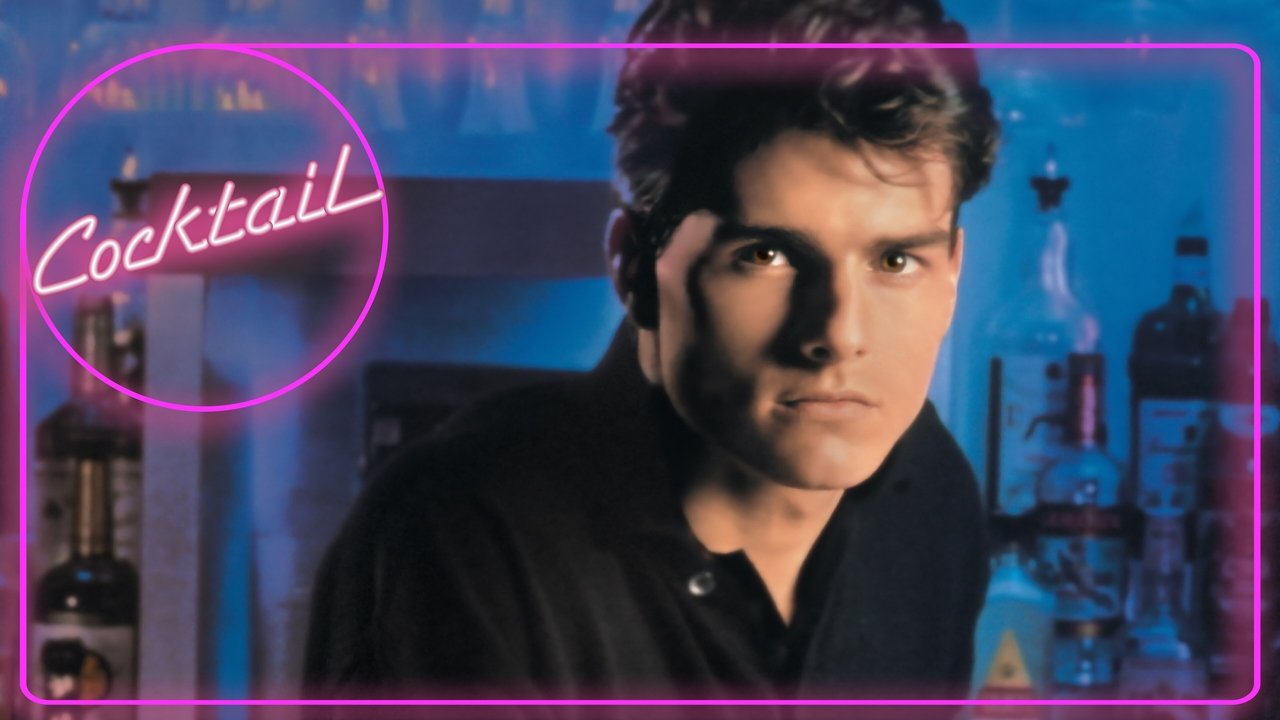
The initial pull of Cocktail is undeniable, even revisiting it decades later. It bottles a very specific late-80s energy: the hunger for success, the belief that charisma and a bit of flair could catapult you from drab reality into a world of exotic locales and endless parties. Director Roger Donaldson, who'd just given us the taut thriller No Way Out (1987), shifts gears dramatically here, capturing the kinetic energy of the bar scene with a slick, music-video sensibility. The camera often feels like another patron, caught up in the whirlwind of flair bartending, flashing lights, and the sheer magnetic pull of its central duo.
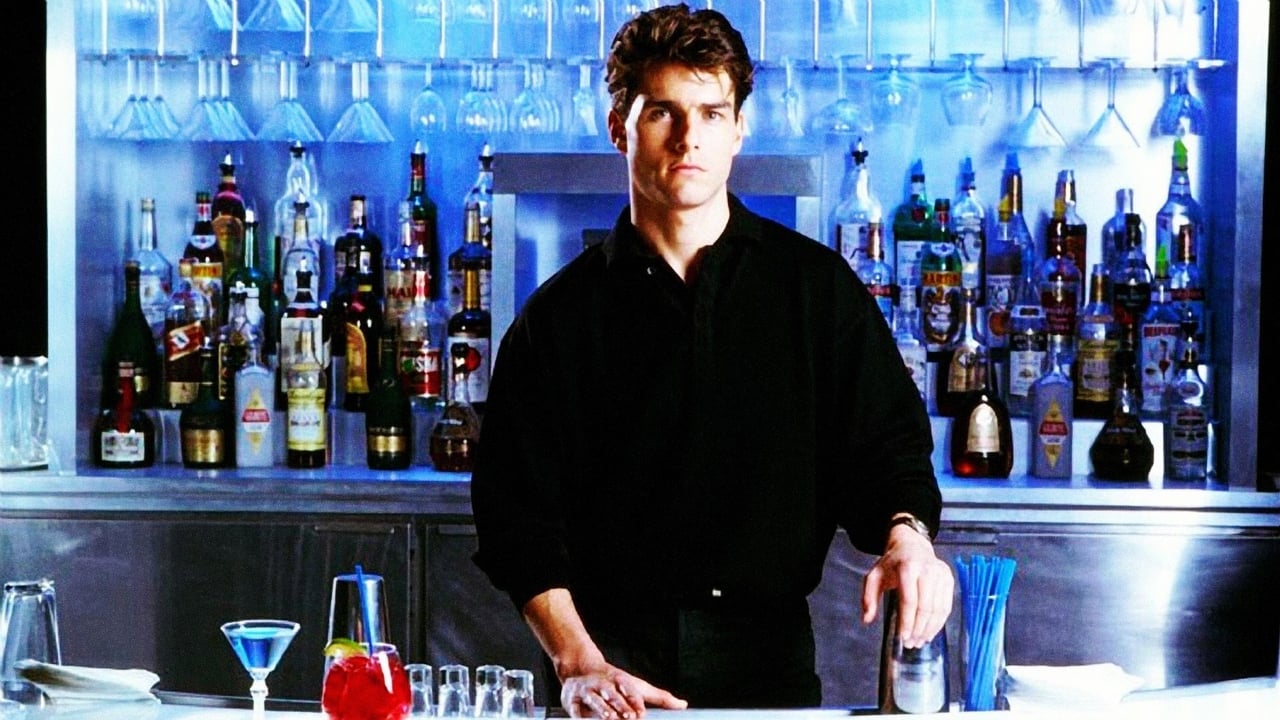
We follow Brian Flanagan (Tom Cruise), fresh out of the army and brimming with naive ambition, arriving in New York City with dreams of climbing the corporate ladder. When Wall Street proves impenetrable, he finds an unlikely mentor in Doug Coughlin (Bryan Brown), a seasoned, cynical bartender who schools him in the lucrative art of pouring drinks with panache. Their dynamic is the film’s initial engine – the eager apprentice and the jaded master, bantering and bottle-juggling their way to local legend status. You could almost taste the cheap booze and the expensive dreams.

### Beneath the Neon Glow
But Cocktail, much like its titular concoctions, offers a sweet rush followed by a somewhat bewildering aftertaste. Based on Heywood Gould's own novel (he also penned the screenplay), the film often feels like it’s wrestling with itself. Gould's book was reportedly a darker, more cautionary tale about the transactional nature of the high-life bar scene. While traces of that cynicism remain, particularly in Bryan Brown’s excellent portrayal of Doug's weary disillusionment, the Hollywood gloss, amplified by Cruise's megawatt stardom (hot off Top Gun (1986) and released the same year as his acclaimed turn in Rain Man), smooths over many of the potentially rougher edges.
The film famously underwent numerous script revisions, and it shows. The tonal shifts can be jarring. One moment we're reveling in the carefree hedonism of Jamaica (beautifully shot, making you crave a Red Stripe), the next we're plunged into sudden melodrama involving unexpected pregnancies, betrayals, and tragic reckonings. It tries to serve up a moral lesson about the emptiness of chasing shallow success, but it feels tacked on rather than earned, arriving after spending so much time glorifying the very lifestyle it supposedly condemns. Does the film want us to cheer for Brian's ambition or pity his compromises? It never seems entirely sure.
### Stars Behind the Bar
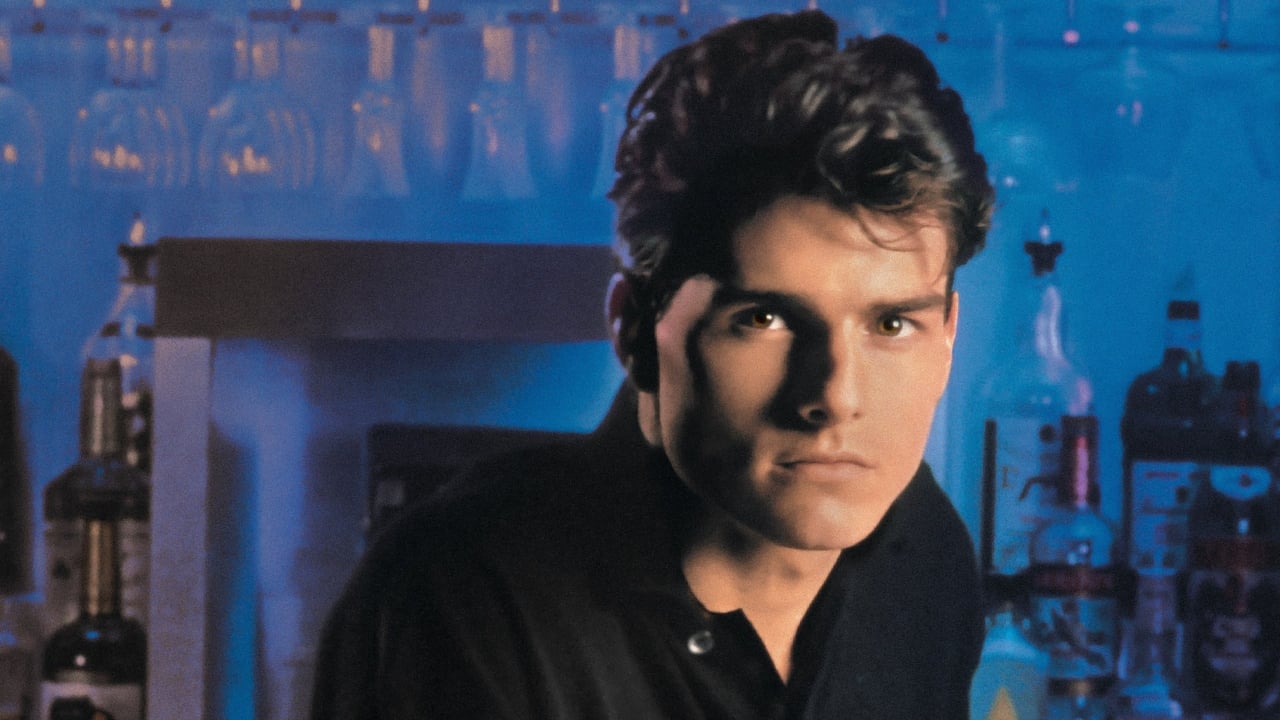
What undeniably carries Cocktail, both then and now, are the performances, particularly the central triangle. Tom Cruise is pure, uncut 80s movie star here. He flashes that million-dollar smile, radiates restless energy, and makes even Flanagan’s questionable choices seem rooted in a relatable desire for more. It’s a performance that cemented his box-office clout, even if the character arc feels somewhat underdeveloped.
Bryan Brown (F/X (1986), Gorillas in the Mist (1988)) provides the crucial counterpoint. His Doug Coughlin is the ghost of Brian's potential future – witty, charismatic, but ultimately trapped by his own cynicism and the limitations of the lifestyle. Brown delivers his lines with a perfect blend of Aussie charm and weary resignation, grounding the film whenever he's onscreen. His "Coughlin's Laws" are memorable precisely because they hint at a darker wisdom the film mostly shies away from exploring deeply.
And then there's Elisabeth Shue (Adventures in Babysitting (1987)) as Jordan Mooney, the down-to-earth artist who represents a more authentic path for Brian. Shue brings warmth and intelligence to the role, making Jordan feel like a real person amidst the high-gloss fantasy. Her chemistry with Cruise is believable, providing the film's emotional core, even when the script forces their relationship down some fairly contrived paths. It's fascinating to see her here, years before her Oscar-nominated turn in Leaving Las Vegas (1995), already showcasing that blend of vulnerability and strength.
### Retro Fun Facts & Lingering Tastes
Rewatching Cocktail is a trip down memory lane, not just for the story, but for the sheer 80s-ness of it all. The soundtrack was inescapable – The Beach Boys' "Kokomo" became a surprise number one hit, forever associating the film with images of tropical paradise (even though the song barely features in the movie). It’s a perfect example of synergistic marketing magic. The flair bartending sequences, choreographed by John B. Bandy (often seen performing behind the bar himself in the film), sparked a real-world trend. Young men everywhere suddenly fancied themselves masters of the shaker toss.
Despite being savaged by critics (it infamously won the Golden Raspberry Award for Worst Picture), Cocktail was a massive commercial success, pulling in over $171 million worldwide against a relatively modest budget (estimated around $20 million). It clearly struck a chord with audiences, tapping into that Reagan-era aspiration, even if critics found it hollow. Was it the allure of Cruise, the escapism, the catchy tunes, or simply the vicarious thrill of watching someone seemingly game the system? Perhaps a potent mix of all four. Interestingly, Touchstone Pictures (Disney's more adult label at the time) initially wanted Robin Williams or Bill Murray for the lead, which certainly would have resulted in a very different film.

Rating: 6/10
Why a 6? Cocktail is undeniably a product of its time – slick, stylish, and powered by star charisma and a killer soundtrack. It's visually appealing and captures a specific fantasy with infectious energy, especially in its first half. The performances, particularly Brown's, offer glimpses of something deeper. However, the shallow script, jarring tonal shifts, and underdeveloped themes prevent it from being truly great. It raises questions about ambition and happiness but offers simplistic, often contradictory answers. The nostalgia factor is high, and it remains an entertaining watch as a quintessential piece of 80s pop cinema, but its flaws are more apparent with distance.
Ultimately, Cocktail lingers like a memory of a fun night out that maybe felt more profound at the time than it does in the clear light of day. It’s a fascinating time capsule, a reminder of a certain kind of cinematic escapism that dominated the VHS era – flawed, perhaps, but undeniably memorable. What do you remember most about it – the flair, the music, or that underlying hint of melancholy?