Okay, fellow tape travelers, let's dim the lights and settle in for something a little different today. Not a laser-gun battle or a high-octane car chase, but a journey nonetheless. Remember sometimes browsing the 'Foreign Films' section of the rental store, tucked away perhaps between the action flicks and the family comedies? Occasionally, you’d pull out a tape like Dark Eyes (1987), its cover hinting at a different kind of story, a European sensibility. And what a bittersweet discovery it often turned out to be. This one… this one lingers.
### A Confession Across the Waves
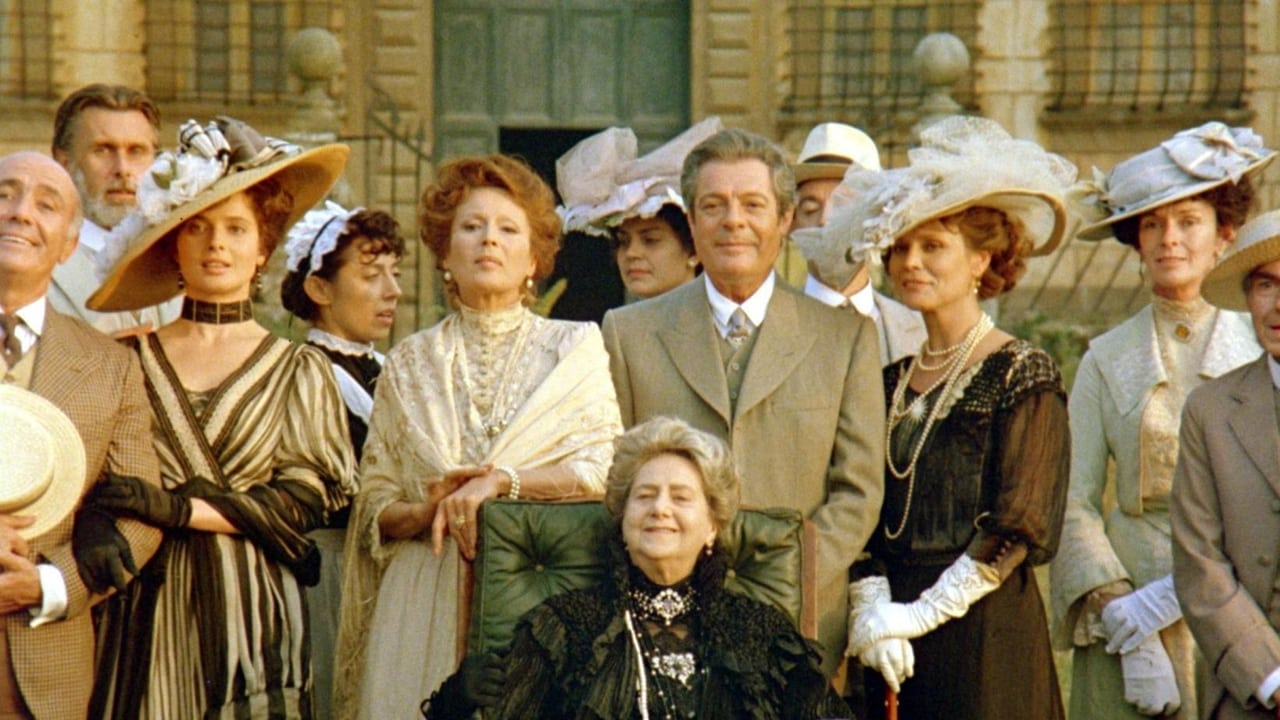
The film opens not with youthful abandon, but with the weight of years. We meet Romano, played by the legendary Marcello Mastroianni, aboard a steamship. He’s older now, his charm tinged with a palpable weariness, yet still possessing that spark. He strikes up a conversation with a fellow passenger, a Russian man, and begins to recount the defining story of his life – a tale of impulsive romance, missed opportunities, and the haunting memory of a woman with unforgettable eyes encountered years ago in a Russian spa town. It's a classic framing device, but Mastroianni makes it feel less like exposition and more like an urgent, almost desperate, need to confess, to make sense of the ghosts that trail him.
### That Italian Charm, That Russian Soul
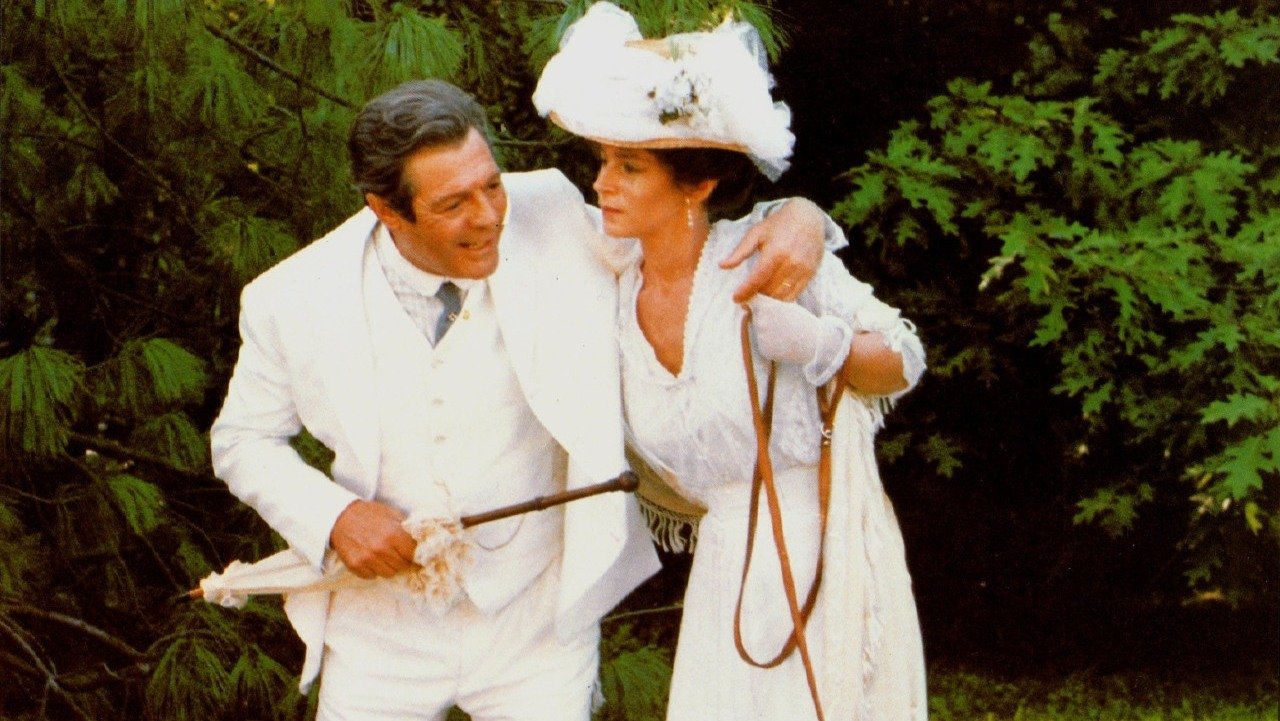
What unfolds is a flashback narrative, transporting us to Romano’s younger, more feckless days. He's an Italian architect, married into wealth (to the elegantly weary Elisa, portrayed by the luminous Silvana Mangano, Mastroianni's real-life former partner, adding a layer of poignant history to their scenes), but bored and seeking… something. On a whim, fleeing the ennui of his comfortable life, he travels to a spa, and there he meets Anna (Marthe Keller), a reserved, married Russian woman. Their connection is immediate, intense, yet complicated by circumstance and cultural divides.
Director Nikita Mikhalkov (who would later give us the powerful Burnt by the Sun in 1994), co-writing with Aleksandr Adabashyan and the esteemed Italian screenwriter Suso Cecchi D'Amico (a frequent collaborator with giants like Fellini and Visconti – just think Rocco and His Brothers or The Leopard!), masterfully blends Italian effervescence with Russian melancholy. The script itself is cleverly adapted from several short stories by Anton Chekhov, and you can feel the playwright's wry observations on human folly, longing, and the absurdity of social conventions woven throughout. It’s a film that understands both laughter through tears and the quiet ache of regret.
### Mastroianni's Masterclass
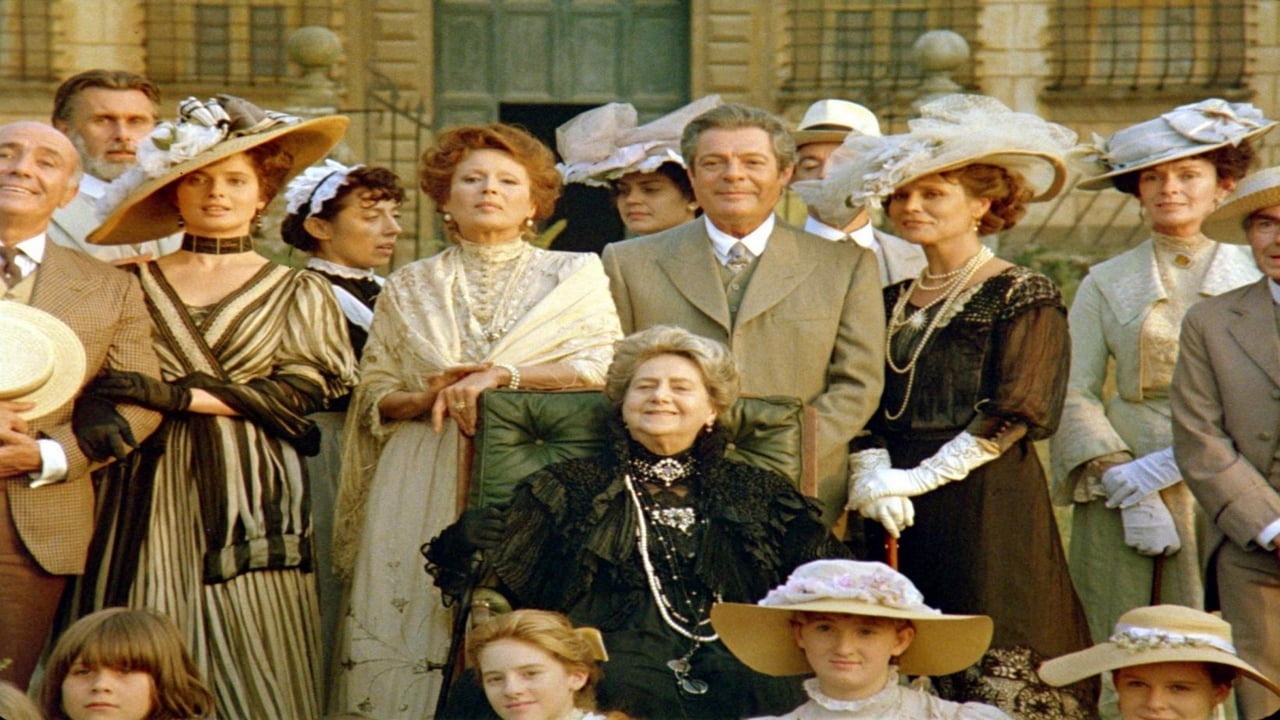
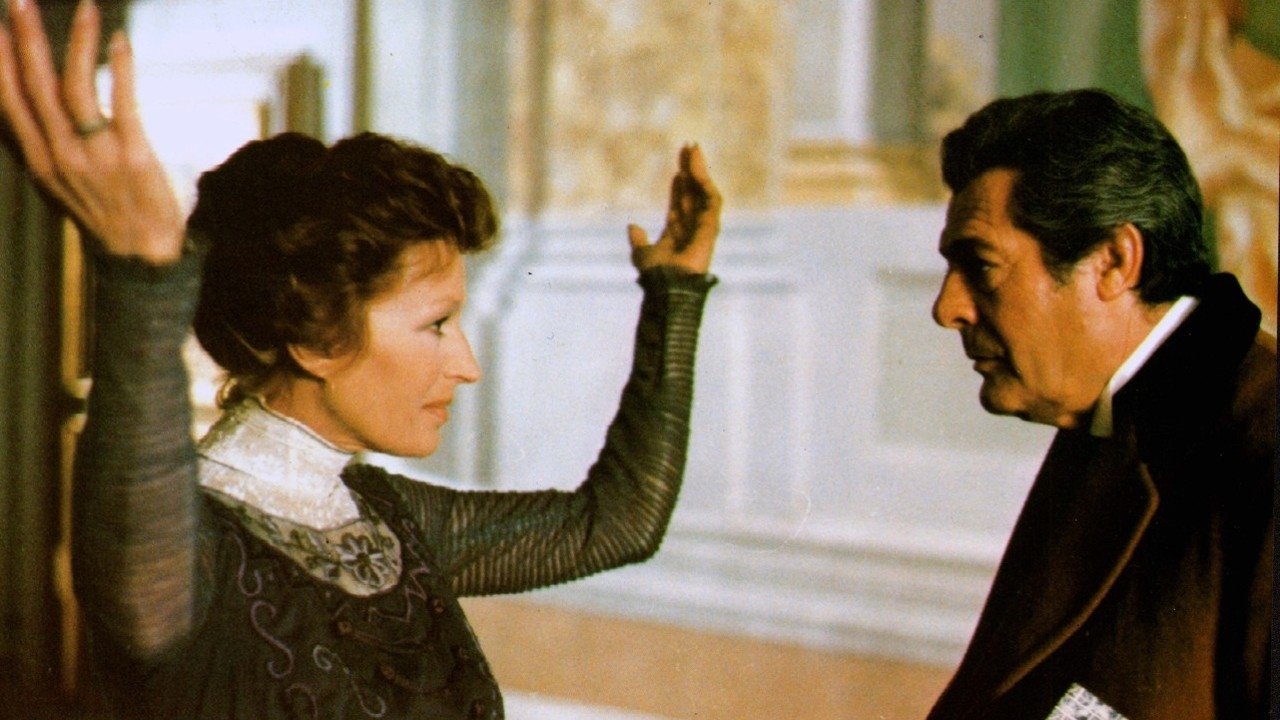
Let's be clear: Dark Eyes is a showcase for Marcello Mastroianni. And what a performance it is. He embodies Romano utterly – the charm that feels both genuine and like a practiced shield, the bursts of boyish enthusiasm, the underlying insecurity, and the profound, soul-deep regret that settles in his eyes in the film’s present-day segments. It’s easy to see why he won Best Actor at the Cannes Film Festival and earned an Academy Award nomination for this role. He makes Romano flawed, sometimes foolish, yet deeply human and relatable. You understand his yearning, even as you witness the consequences of his impulsiveness. His interactions with Silvana Mangano are particularly resonant, carrying the weight of unspoken history and disappointment, while his scenes with Marthe Keller capture the intoxicating, destabilizing power of unexpected love.
### A Glimpse Behind the Curtain
The making of Dark Eyes itself is fascinating – an Italian-Soviet co-production during the later stages of the Cold War. Imagine the logistics! Filmed partly in Italian spa towns and partly in Russia (specifically, the historic city of Kostroma doubling for the spa), the production navigated cultural and bureaucratic differences, mirroring the film's own themes of cross-cultural encounter. It wasn't a massive budget film by Hollywood standards, but its artistry garnered significant international acclaim. Finding specific budget/box office figures for co-productions like this from the era is tough, but its awards recognition speaks volumes about its impact. Mikhalkov even cameos as the ship's waiter listening intently to Romano's tale! It's a small touch, but adds to the feeling of intimate storytelling.
### The Lingering Resonance
Dark Eyes isn't about grand events; it's about the internal landscape, the moments that shape a life, the choices made and unmade. It explores themes of love, class differences (Romano's comfortable inertia versus Anna's modest life), cultural identity, and the relentless passage of time. It asks, perhaps, what truly matters in the end? Is it the life lived comfortably, or the moments of intense connection, however fleeting or disruptive? The film doesn't offer easy answers, leaving the viewer with a sense of wistful contemplation. Doesn't that feeling of looking back, wondering "what if," resonate across generations?
For those of us rummaging through the VHS shelves back then, Dark Eyes might have been an unexpected find, a detour from the usual fare. It wasn't aiming for explosions or jump scares; it was aiming for the heart, and maybe a little bit for the soul. It reminded us that cinema, even on a fuzzy CRT screen via a well-worn tape, could transport us utterly, offering glimpses into lives and feelings far removed from our own, yet achingly familiar.
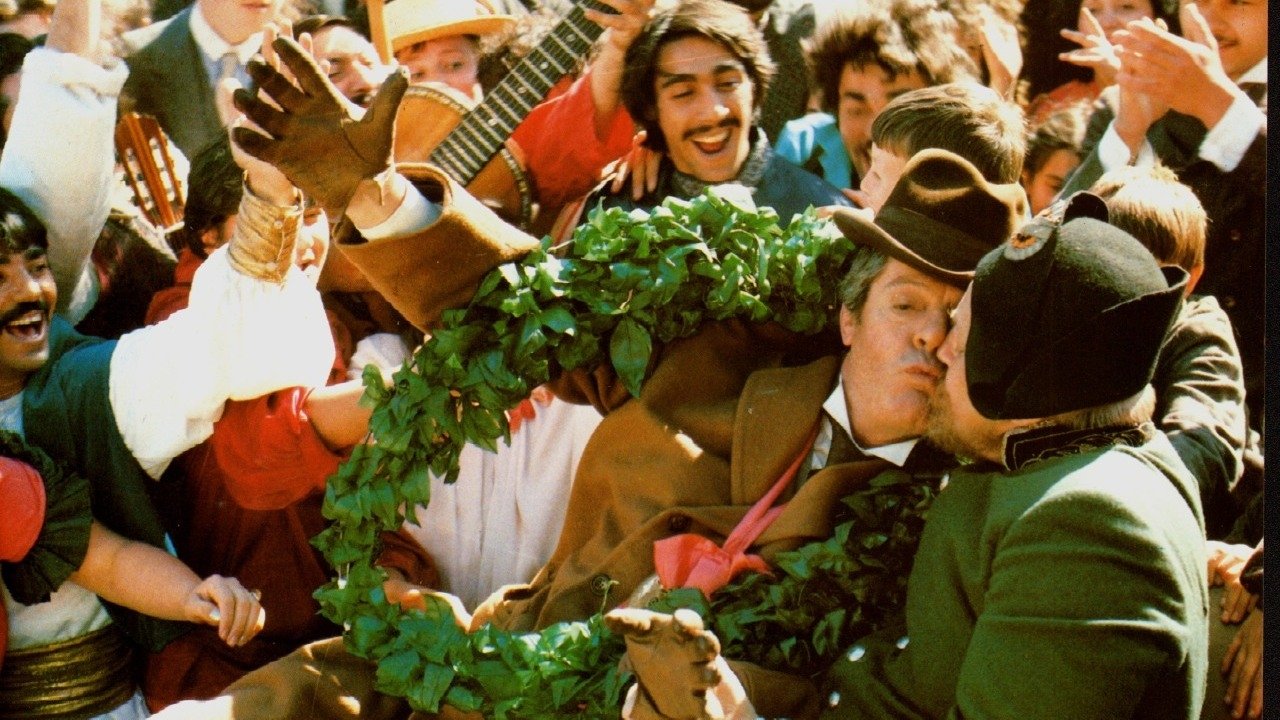
Rating: 9/10
This score reflects the film's exquisite craftsmanship, Nikita Mikhalkov's sensitive direction, the beautiful blend of humor and pathos drawn from its Chekhovian roots, and above all, Marcello Mastroianni's magnificent, career-highlight performance. It’s a near-perfect execution of a character study steeped in romantic melancholy. It might not be the typical high-energy 80s flick, but its emotional depth and artistry are undeniable.
Final Thought: A poignant, beautifully acted film that reminds us how vividly memory can preserve both the joy and the ache of paths not taken, echoing long after the VCR has whirred to a stop.