"If you're frightened of dying, and you're holding on, you'll see devils tearing your life away. But if you've made your peace, then the devils are really angels, freeing you from the earth."
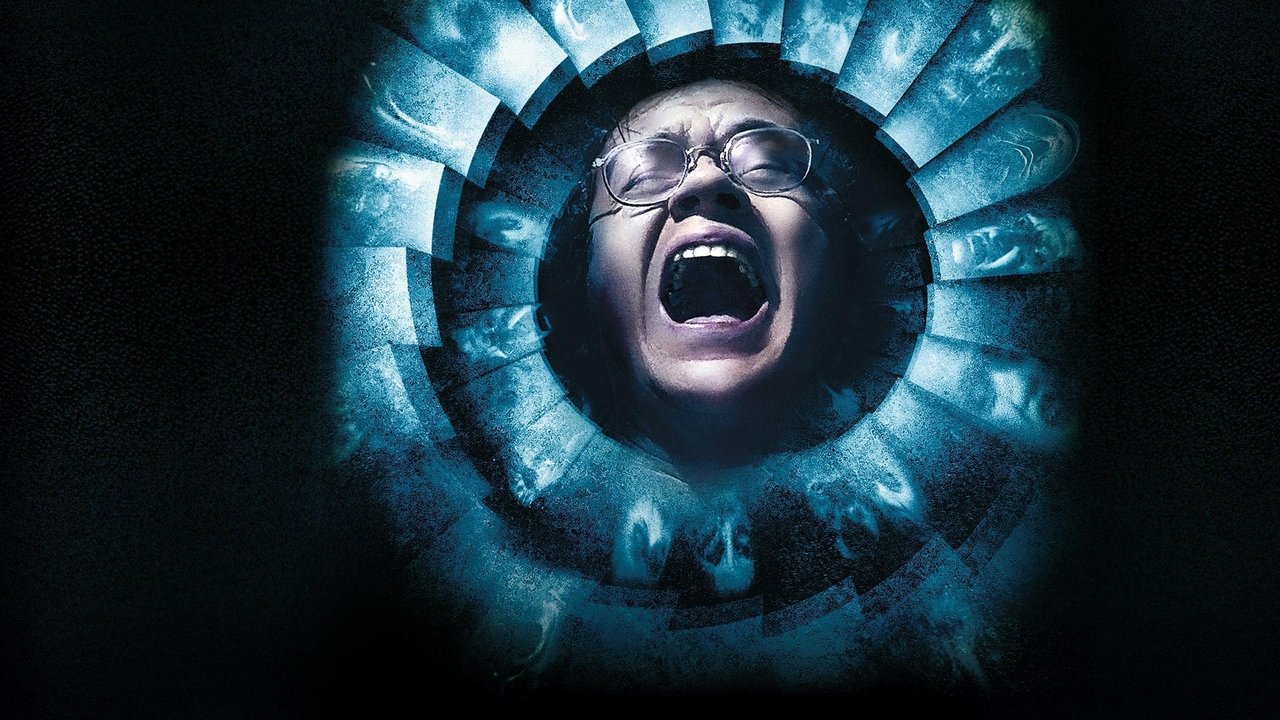
That line, delivered with soulful weariness by Danny Aiello's chiropractor Louis, lingers long after the flickering static claims the screen. It’s a key, perhaps the key, to unlocking the harrowing, fragmented reality of Adrian Lyne’s 1990 masterpiece of psychological dread, Jacob's Ladder. Watching this film, especially back on a rented VHS tape late at night, wasn't just viewing; it was an immersion into a waking nightmare, a descent into a paranoia so pervasive it felt like it could seep through the TV screen itself. It’s a film that doesn’t just show you horror, it makes you feel the disorientation, the terror of reality itself dissolving.
A City of Ghosts and Shifting Shapes
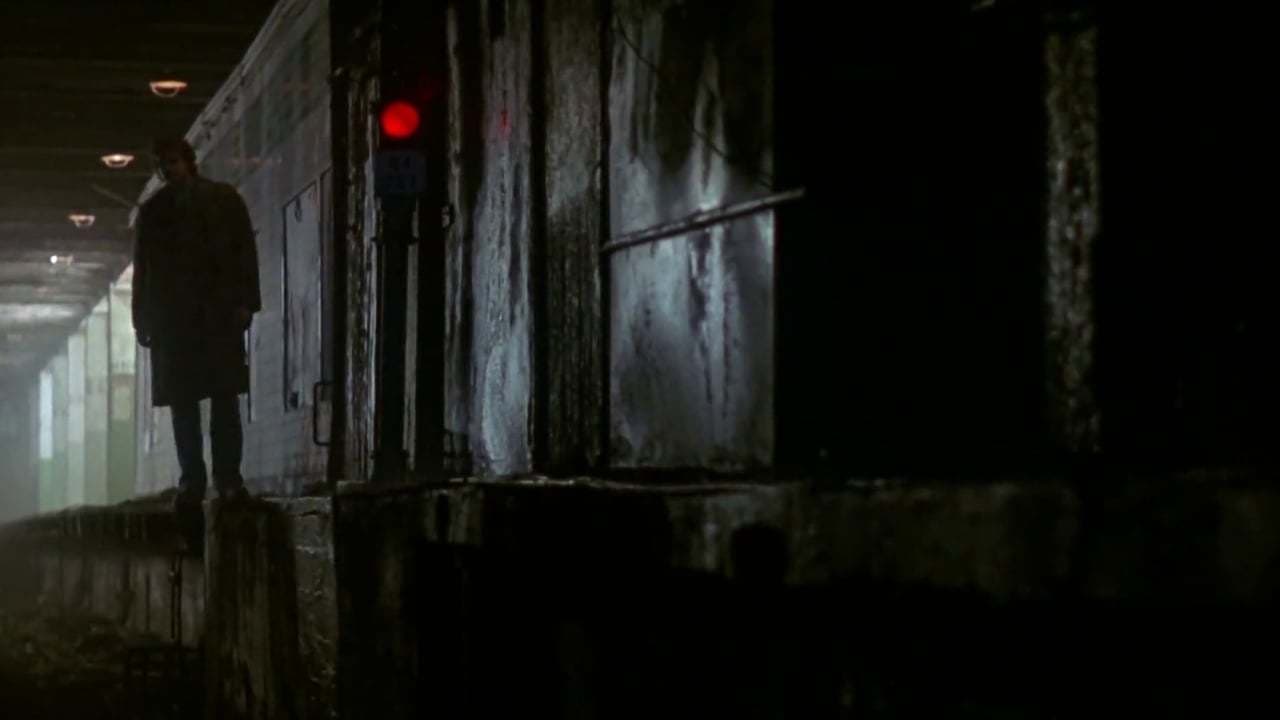
The genius of Jacob's Ladder lies in its oppressive, almost suffocating atmosphere. Lyne, stepping away from the glossy eroticism of Fatal Attraction or 99½ Weeks, crafts a vision of late-80s New York City that feels perpetually damp, decaying, and haunted. It’s a landscape of grimy subways, flickering fluorescent lights in desolate hospital corridors, and steam rising from grates like spectral breath. This isn't just set dressing; the city becomes a physical manifestation of Jacob Singer's fractured psyche. We follow Tim Robbins, in a career-defining performance of raw vulnerability, as Jacob, a Vietnam veteran plagued by increasingly terrifying hallucinations and flashbacks. Are these delayed stress from the war? Side effects of secret government experiments? Or something far more metaphysical? The film masterfully refuses easy answers, pulling the viewer deeper into Jacob’s terrifying uncertainty.
Nightmares Given Flesh
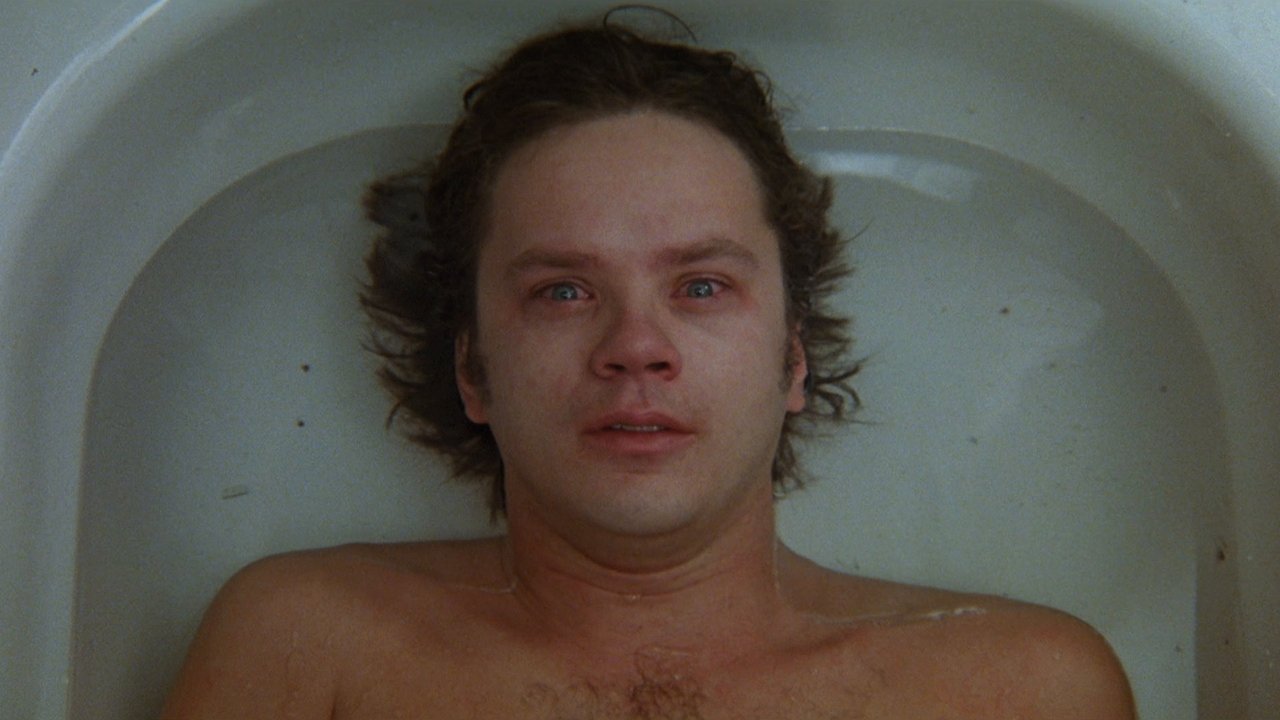
The film's visual horrors are unforgettable, precisely because they often feel glimpsed rather than fully revealed. Forget jump scares; Jacob's Ladder deals in primal unease. Those fleeting images – the vibrating, blurred heads in the subway (an effect reportedly achieved by filming actors shaking their heads at a very low frame rate and then speeding it up), the leathery wings glimpsed in a speeding car, the faceless figures in the asylum – they tap into something deeply disturbing. Inspired by the unsettling art of Francis Bacon and Joel-Peter Witkin, the creature effects, though practical and perhaps dated by CGI standards, possess a tangible, fleshy horror that still gets under the skin. Remember that frantic gurney ride through the hospital basement? It's pure, distilled nightmare fuel, amplified by Maurice Jarre’s unsettling score, which weaves together melancholic piano with jarring, industrial dissonance. Doesn't that blurred speed effect still feel uniquely jarring, even now?
The Human Heart of the Horror
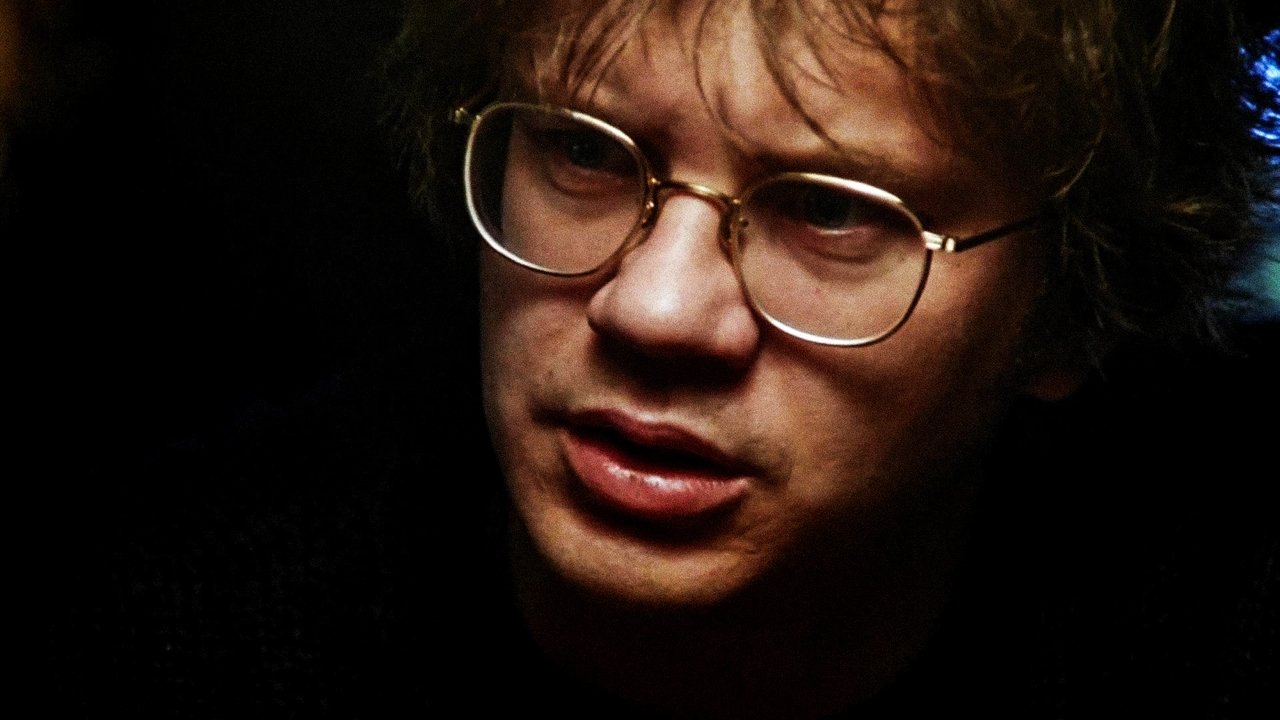
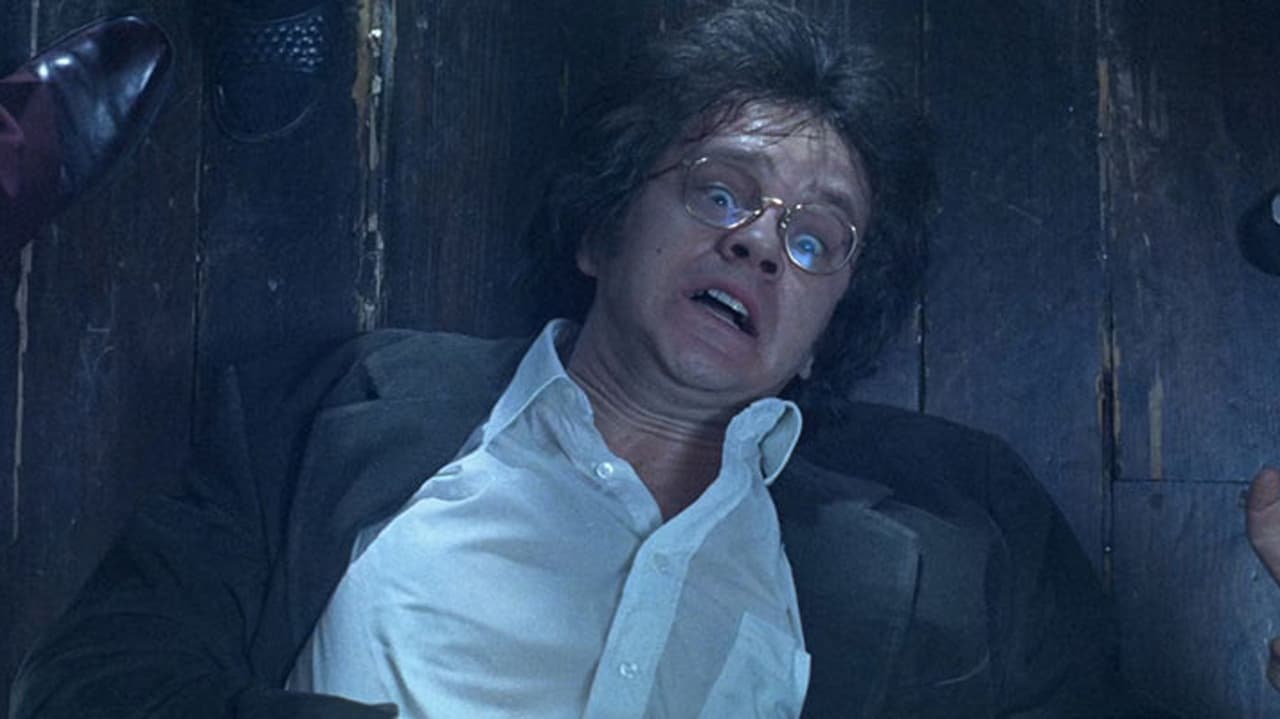
For all its terrifying imagery, the film is anchored by profound human emotion. Tim Robbins portrays Jacob's confusion, grief (over the loss of his child, Gabe), and desperate search for stability with heartbreaking authenticity. He was apparently not the first choice for the role – names like Tom Hanks and Al Pacino were considered – but it's hard to imagine anyone else capturing Jacob's specific blend of gentleness and fraying sanity so perfectly. His relationships, particularly with his grounding girlfriend Jezebel (Elizabeth Peña, radiating both sensuality and a subtle sense of unease) and his earthy, philosophical chiropractor Louis (Danny Aiello, offering moments of crucial clarity), provide islands of seeming normalcy in his chaotic world. These performances prevent the film from becoming just a parade of disturbing images; they root the horror in relatable human experience.
A Troubled Journey to the Screen
The story behind Jacob's Ladder is almost as intriguing as the film itself. Bruce Joel Rubin’s screenplay, deeply influenced by the Tibetan Book of the Dead and exploring themes of life, death, and perception, languished in Hollywood for nearly a decade. Studios reportedly found it too dark, too philosophical, too weird. It’s fascinating that Rubin wrote this challenging script around the same time he penned the phenomenally successful, much gentler supernatural romance Ghost. It took the vision of Adrian Lyne, intrigued by the script's psychological depth, to finally bring it to life, albeit with a $25 million budget that yielded only a modest $26.1 million at the domestic box office initially.
Its journey wasn't smooth even during production. Test audiences were famously baffled by the original cut, leading the studio (Carolco Pictures, after Paramount initially passed years earlier) to request changes for clarity – particularly concerning the ending. Rubin initially resisted, wanting to preserve the ambiguity, but some explanatory elements, including the final text revealing Jacob's fate in Vietnam, were added. The film also tapped into real-world anxieties, referencing the alleged use of the experimental hallucinogen BZ on soldiers during the war, hinting at conspiracies like MKUltra. Filming in gritty, authentic New York locations added another layer of verisimilitude to the encroaching nightmare. The film's true success wasn't immediate box office gold, but its slow burn into becoming a major cult classic, fueled by countless VHS rentals and late-night cable viewings throughout the 90s.
Enduring Resonance
Jacob's Ladder remains a potent piece of filmmaking. Its influence can be seen echoing through countless psychological thrillers and horror games (most notably the Silent Hill series, which owes it a massive debt). It’s a film that rewards rewatching, revealing layers of symbolism and foreshadowing previously missed. It explores profound themes – trauma, grief, the nature of reality, the fear of death – with an artistic ambition rare in mainstream horror. It doesn't offer easy comfort, instead leaving you contemplating its haunting questions long after the credits roll. Watching it again now, it took me right back to that feeling of profound unease mixed with intellectual fascination I first experienced squinting at a CRT screen decades ago.
Rating: 9/10
This score reflects the film's masterful creation of atmosphere, its deeply affecting central performance, its chilling and memorable practical effects, and its ambitious, thought-provoking narrative. It successfully blends psychological horror, conspiracy thriller, and metaphysical drama into a uniquely unsettling whole. While its deliberate ambiguity might frustrate some, it's precisely this quality that cements its power and lasting impact. Jacob's Ladder isn't just a movie; it's an experience that burrows into your subconscious, a true standout from the VHS era that still has the power to genuinely disturb.