The mind, they say, is a fragile thing. Snap it, twist it, fracture it just so, and you might unleash something utterly unexpected. Or perhaps, something that was lurking there all along. Brian De Palma’s 1992 psychological labyrinth, Raising Cain, plunges headfirst into that fractured psyche, leaving the viewer wading through a disorienting, often chilling, dreamscape where reality itself feels compromised. This wasn't just another thriller on the rental shelf; it felt like handling a puzzle box whose solution might reveal something deeply unsettling about the quiet suburban lives we thought we understood.
### The Perfect Life, Cracked Wide Open
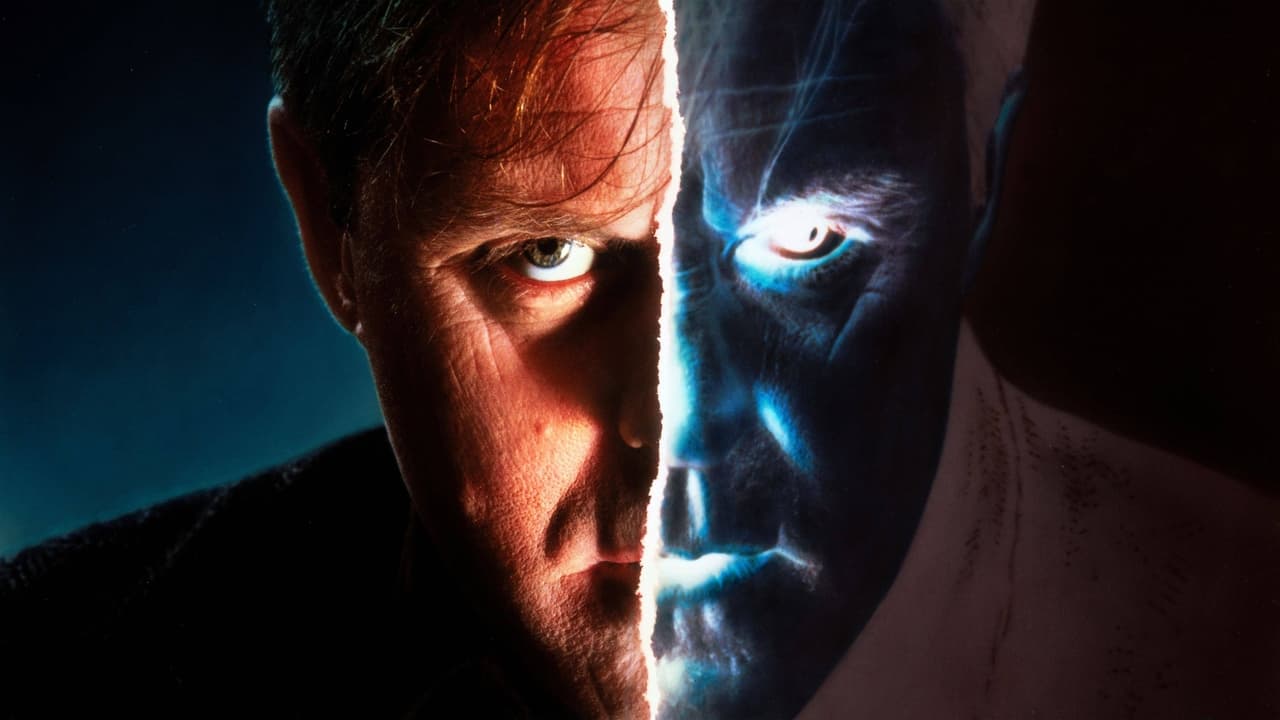
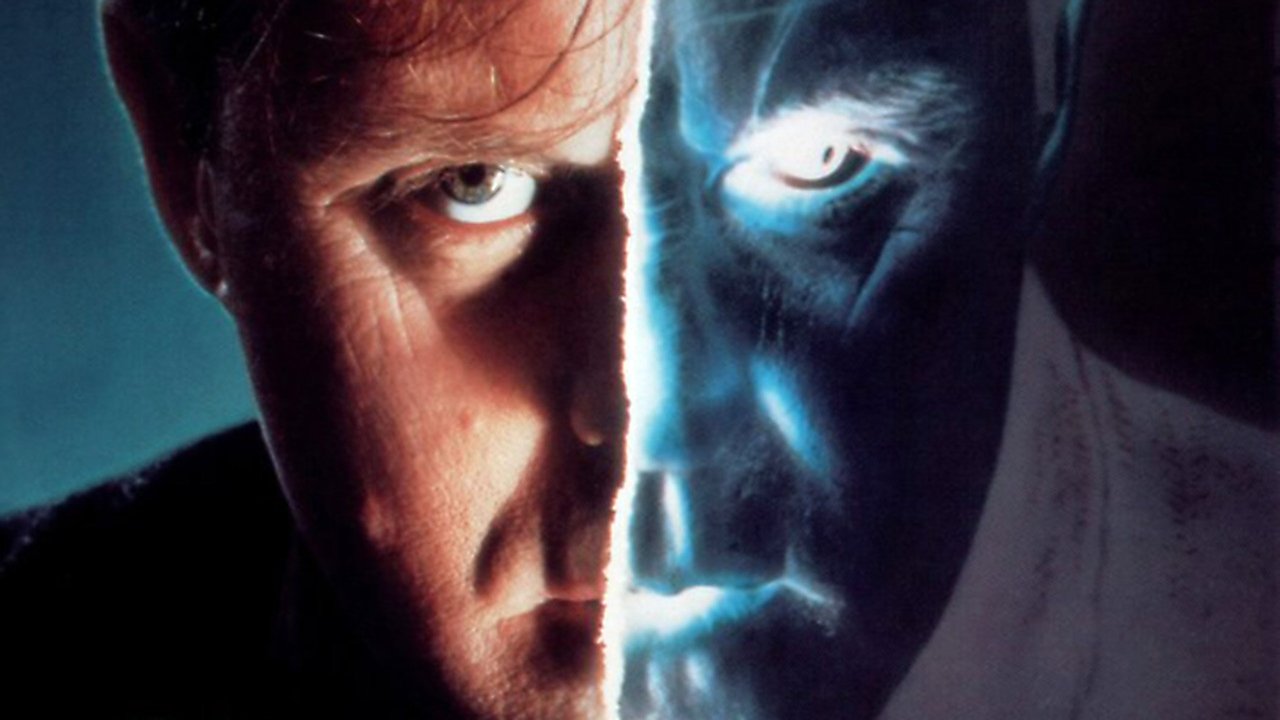
On the surface, Dr. Carter Nix (John Lithgow) appears to have it all: a successful career as a child psychologist, a loving wife, Jenny (Lolita Davidovich), and an adorable baby daughter. He's respected, calm, almost unnervingly gentle. But beneath that placid exterior, demons stir. Or rather, personalities stir. De Palma wastes little time peeling back the layers, revealing Carter's conversations with his menacing alternate personality, Cain, and his controlling, deceased (or is he?) father, Dr. Nix Sr. It’s a setup ripe for tension, playing on the primal fear that the people closest to us might harbor unimaginable darkness. Remember that slow-burn dread as Carter's mask begins to slip? It’s the kind of unease De Palma excels at conjuring.
### Lithgow Unleashed: A Masterclass in Multiplicity
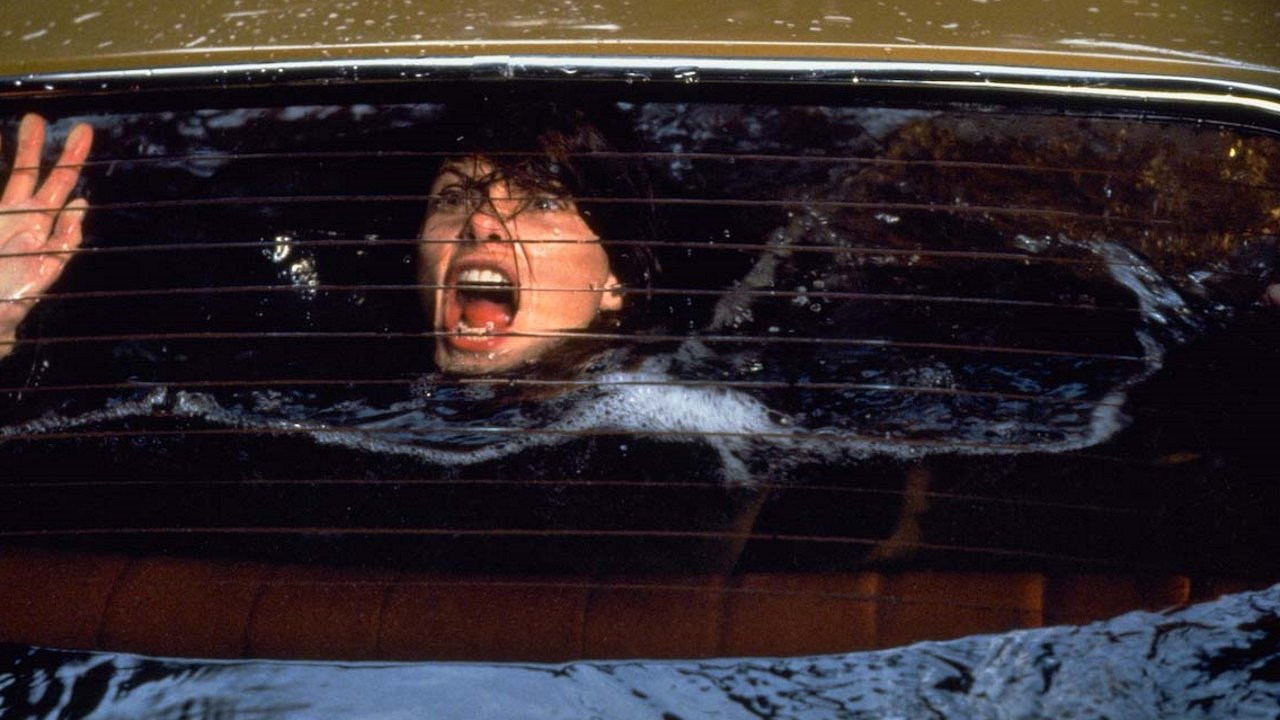
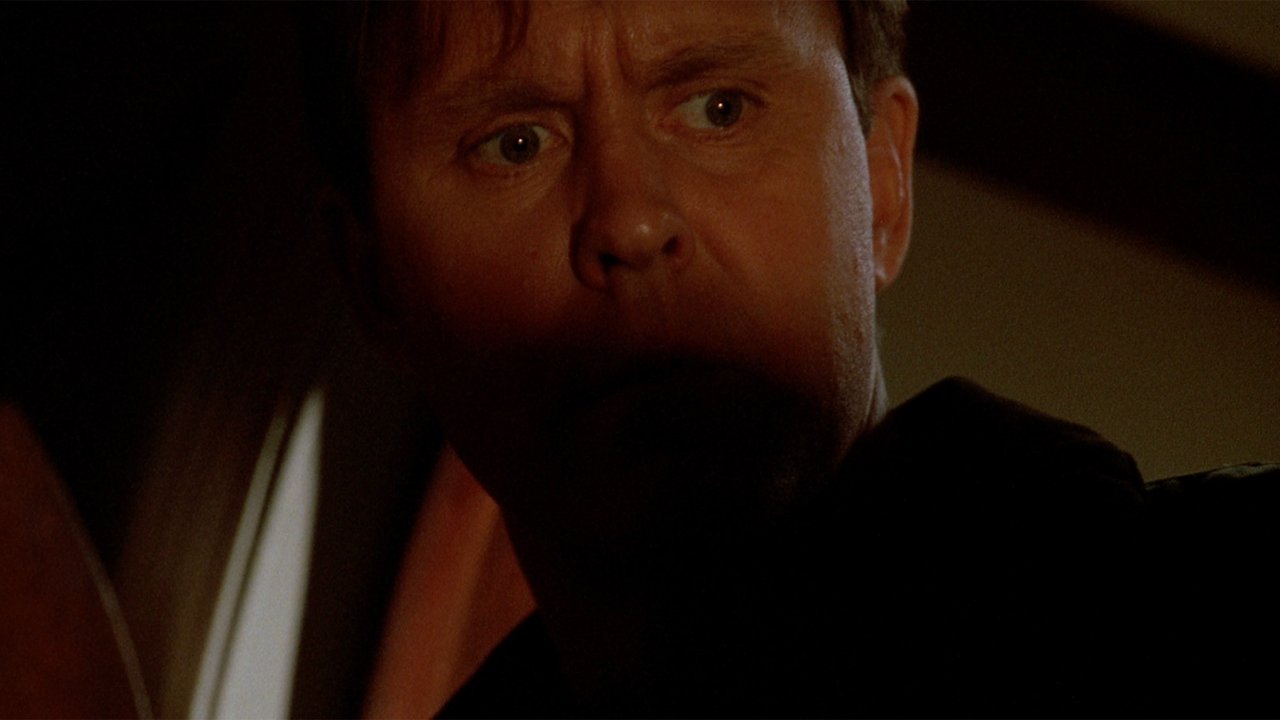
Let’s be honest: the gravitational center of Raising Cain is John Lithgow. Already a beloved figure from films like The Adventures of Buckaroo Banzai Across the 8th Dimension and his chilling turn in De Palma's own Blow Out, here he delivers a performance that’s less acting and more controlled possession. He doesn't just play Carter; he is the scheming, ruthless Cain, the coldly analytical Dr. Nix Sr., the timid child Josh, and the overwhelmed Carter himself. The subtle shifts in posture, voice, and gaze are mesmerizing. It's said Lithgow relished the challenge, meticulously differentiating the characters, sometimes switching between them mid-scene with breathtaking precision. It’s a performance that borders on theatrical, even campy at times, yet remains utterly compelling and genuinely disturbing. Doesn't that sheer commitment still impress, even decades later? It’s the kind of daring work that elevates the entire film.
### De Palma's Stylistic Playground
This is Brian De Palma returning to his Hitchcockian roots after the bruising experience of The Bonfire of the Vanities. And return he does, with all his signature flourishes intact. Expect elaborate tracking shots, disorienting Dutch angles, split diopter shots forcing focus on foreground and background simultaneously, and, of course, bravura sequences of suspense. There's one particularly famous, unbroken five-minute Steadicam shot following Steven Bauer (known to many from Scarface, another De Palma venture) through a police station that’s pure cinematic showmanship. It reportedly took immense coordination and multiple takes to nail perfectly. De Palma uses these techniques not just for style, but to amplify the film's themes of surveillance, fractured perception, and psychological unraveling. Combined with a typically lush, unsettling score by frequent collaborator Pino Donaggio, the atmosphere is thick with paranoia.
### A Plot Like a Fever Dream
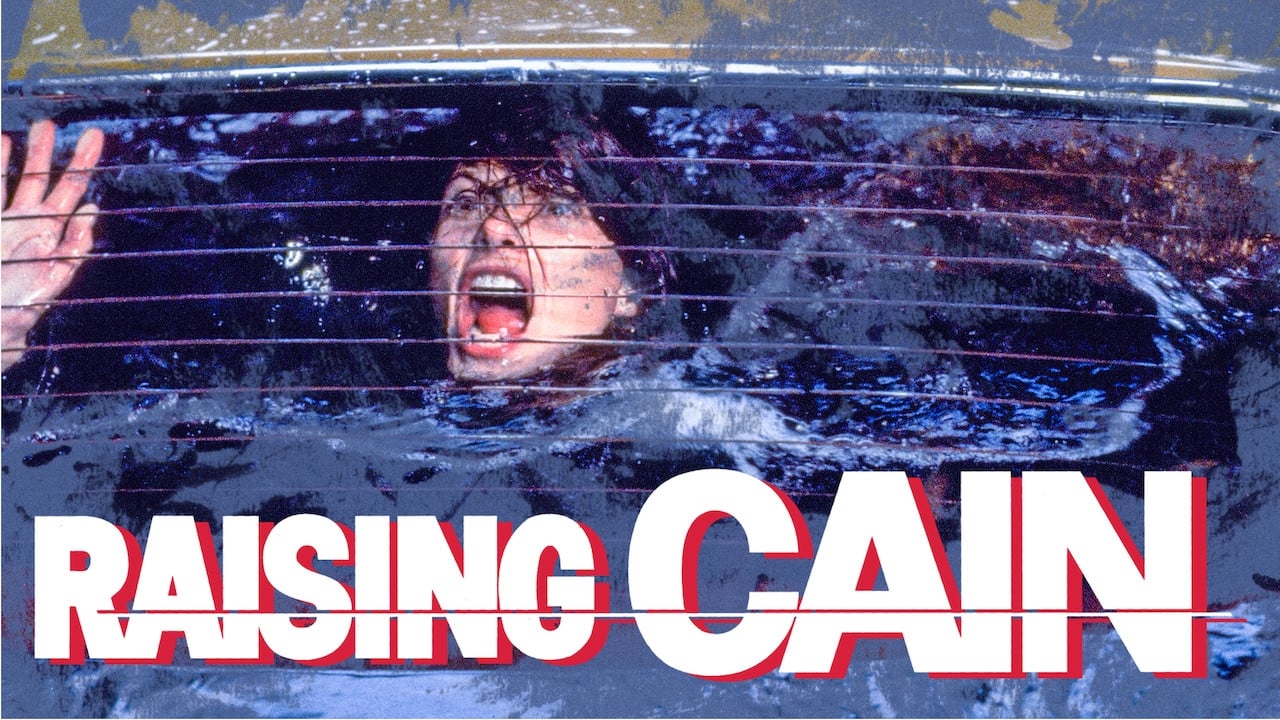
The narrative itself takes some wild, almost soap-operatic turns. Jenny's rekindled affair with an old flame (Bauer) becomes intertwined with Carter/Cain's increasingly sinister "experiments" involving kidnapping children for his father's research. It’s here the film courts absurdity, blending genuine psychological horror with moments that feel almost like dark satire. The plot twists pile up, identities blur, and motivations become increasingly murky. It’s a ride that can feel uneven, sometimes brilliant, sometimes bewilderingly over-the-top. Did that twist involving the father genuinely shock you back then, or did it feel like De Palma gleefully pushing the envelope?
### The Ghost in the Editing Machine
One of the most fascinating "dark legends" surrounding Raising Cain involves its very structure. De Palma originally intended a more complex, non-linear narrative, introducing Carter's multiple personalities earlier and focusing more on Jenny's perspective initially. However, test audiences were reportedly confused, leading the studio (Universal Pictures) to demand a re-edit for a more straightforward, chronological flow. De Palma, under pressure, complied. For years, this theatrical cut was the only version widely available – the one most of us rented from Blockbuster, puzzled but intrigued.
Then, something amazing happened. Years later, filmmaker Peet Gelderblom, using De Palma's original script as a guide, meticulously re-edited the film back to something approximating the director's initial vision. This "Director's Cut" (initially a fan project, later officially sanctioned and released by Shout! Factory) significantly reshuffles the first act, altering the flow of information and arguably deepening the mystery and suspense. Watching it feels like uncovering a hidden layer of the film, validating long-held suspicions that the theatrical cut felt… compromised. It’s a rare instance of fans directly contributing to the restoration of a director's vision, a testament to the film's enduring cult appeal.
### Lasting Impressions
Raising Cain landed with a bit of a thud critically back in '92, often dismissed as derivative or self-parodying De Palma. Its modest $12 million budget yielded around $37 million worldwide – respectable, but hardly a blockbuster. Yet, like many De Palma films, it refused to fade away. Its blend of high style, psychological horror, dark humor, and that powerhouse Lithgow performance earned it a dedicated following. It remains a fascinating, flawed, but undeniably bold piece of filmmaking from the early 90s thriller boom. It’s a reminder of a time when mainstream thrillers could still be deeply weird and unapologetically auteur-driven.
Rating: 7/10
The score reflects Lithgow's tour-de-force performance and De Palma's undeniable craft, which conjure moments of genuine brilliance and skin-crawling unease. The points are docked for the sometimes ludicrous plot developments and the compromised structure of the original theatrical release, which could leave viewers feeling more confused than captivated. However, the film's sheer audacity and the fascinating story behind its creation (especially the re-edit) make it essential viewing for De Palma fans and lovers of 90s psychological thrillers.
Raising Cain might not be perfect, but like the fractured mind at its core, its complexities and contradictions are precisely what make it linger long after the credits roll. It’s a strange, sometimes frustrating, but ultimately unforgettable trip down the rabbit hole of a disturbed psyche, filtered through the unmistakable lens of a master stylist.