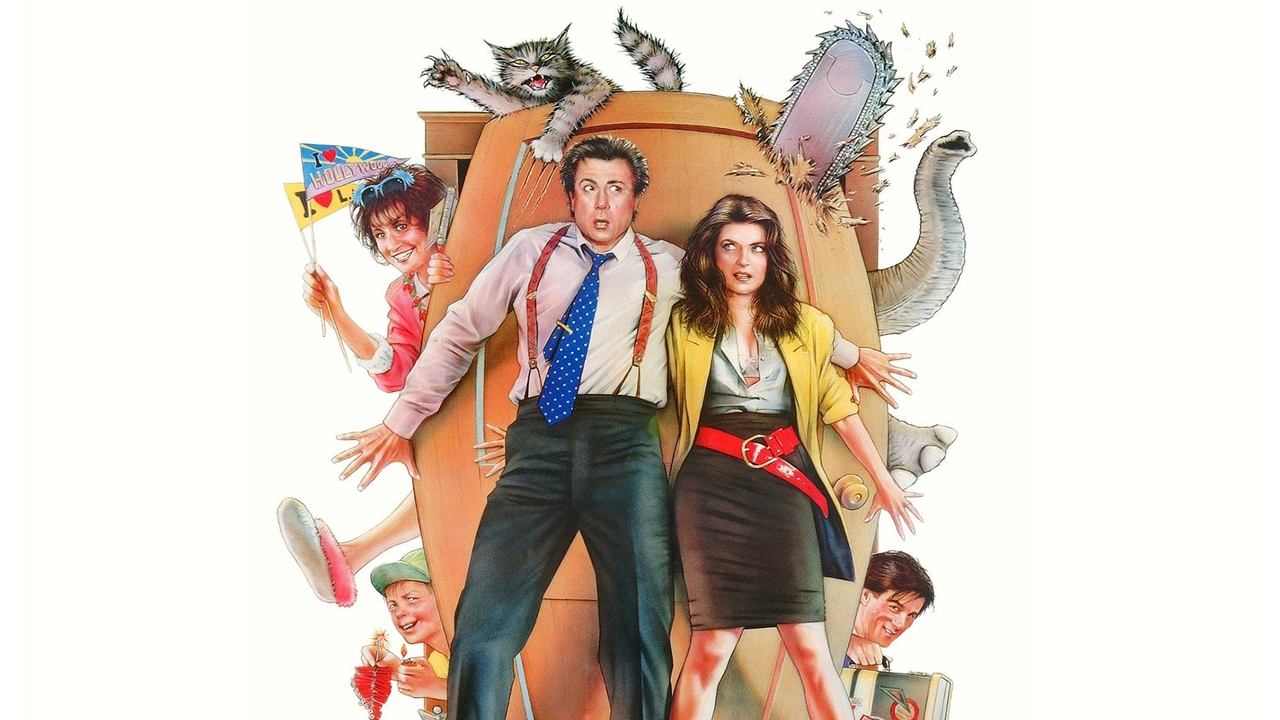
Ah, the serene promise of a quiet life in sunny California. White picket fences, matching Volvos, maybe a tasteful ficus in the corner… and then the doorbell rings. If you ever rented 1990’s Madhouse from the local Video Palace, perhaps drawn in by the familiar faces of Kirstie Alley and John Larroquette beaming from the cover, you know that tranquility is about to be violently, hilariously, and permanently interrupted. This isn't just a comedy; it's a domestic siege film, a yuppie nightmare played for increasingly anarchic laughs, and a perfect slice of turn-of-the-decade cinematic chaos.
The Uninvited Tide
Our unfortunate protagonists are Mark Bannister (John Larroquette, master of the slow burn perfected on Night Court) and Jessie Bannister (Kirstie Alley, radiating the frazzled energy that made her a star on Cheers and in Look Who's Talking). They’ve just sunk their savings into their dream L.A. home, ready for marital bliss and career focus. Enter Mark’s mousy cousin Fred (the perfectly irritating John Diehl) and his brash, permanently pregnant wife Bernice (Alison La Placa, chewing scenery with delightful abandon). They’re just passing through… for a few days. Which, of course, inevitably stretches into weeks, bringing along their demonic son, C.K. (played with gleeful menace by Bradley Gregg), and Scruffy, a dog seemingly possessed by the spirit of chaos itself.
Just as Mark and Jessie reach their breaking point, Jessie’s wildly materialistic and self-absorbed sister, Claudia (Jessica Lundy), descends upon them after leaving her wealthy husband, dragging along her spoiled nephew, Jonathan, and enough emotional baggage to fill a U-Haul. What follows isn't just awkward family dynamics; it's a full-scale invasion that systematically dismantles the Bannisters' home, careers, sanity, and even their prize-winning cat (in a scene that still makes you gasp and chuckle nervously).
Escalation as an Art Form
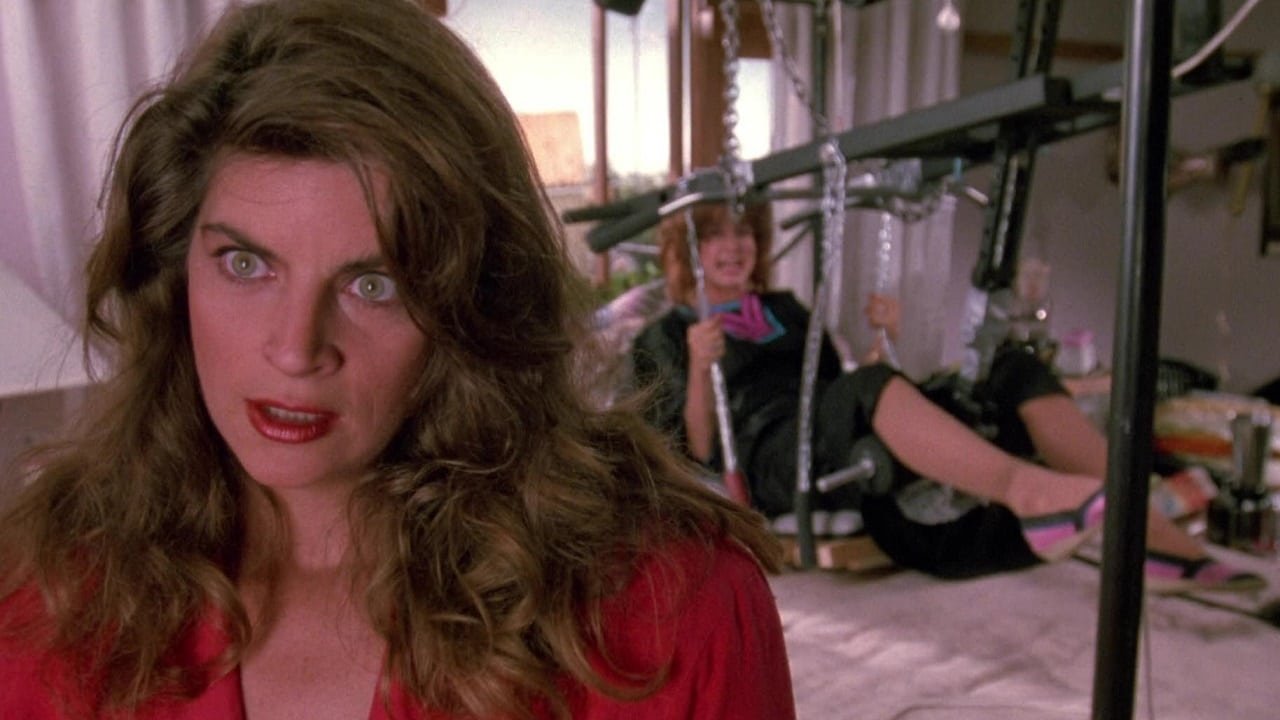
Director and writer Tom Ropelewski (who later helmed Look Who's Talking Now) doesn't aim for subtlety here. Madhouse thrives on escalation. Each new arrival, each fresh disaster, pushes the boundaries further. Remember the sheer physical commitment to the gags back then? The overflowing toilet isn't a quick CGI splash; it feels like they genuinely flooded that bathroom set. The demolition of the pristine, white-on-white yuppie interior feels tangible – plaster dust flying, furniture splintering. There’s a raw, almost vaudevillian energy to the destruction that digital effects often smooth over today. A fun bit of trivia: the filmmakers reportedly went through several versions of the poor cat, Pesto, using animatronics and clever editing for that infamous electrical mishap – thankfully, no actual felines were fried for our viewing pleasure, despite how shockingly real it looked on a fuzzy CRT!
Larroquette and Alley are the anchors in this storm, their mounting desperation fueling the comedy. Larroquette’s contained fury constantly threatens to boil over, while Alley shifts brilliantly from accommodating hostess to a woman pushed far beyond her limits. Their chemistry is fantastic, grounding the absurdity just enough to make their eventual snap feel earned. But the supporting cast truly leans into the cartoonish villainy. La Placa’s Bernice is a force of nature, oblivious and demanding, while Diehl’s Fred is a masterclass in passive-aggressive neediness. Even Dennis Miller pops up for a characteristically sardonic cameo as an exterminator utterly bewildered by the human pests infesting the house.
That Early 90s Vibe
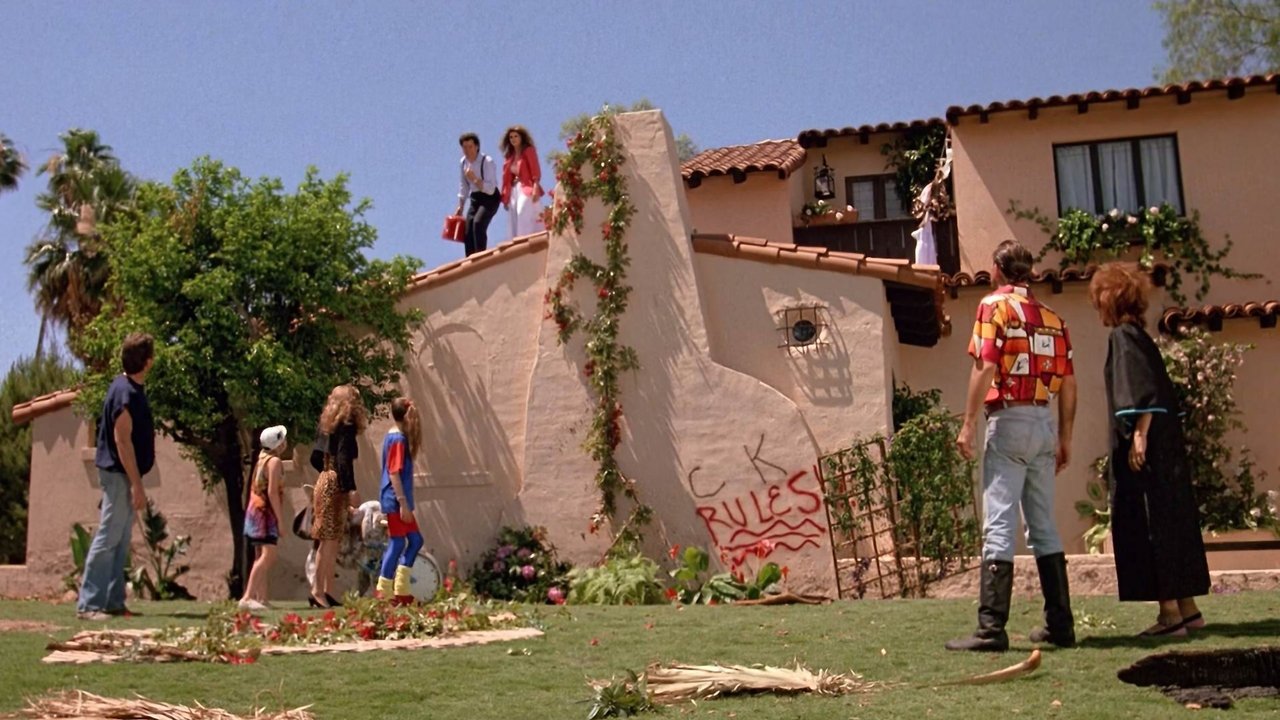
Watching Madhouse now is like opening a time capsule. The shoulder pads! The yuppie anxieties about status and appearances! The sheer beige-ness of that initial house décor! It perfectly captures that moment between the neon excesses of the 80s and the grunge shift of the mid-90s. Critically, Madhouse didn't fare well upon release – it was largely dismissed as mean-spirited and over-the-top (holding a rather infamous 0% on Rotten Tomatoes from contemporary reviews). Orion Pictures, the studio behind it, was also facing financial troubles that would lead to bankruptcy just a couple of years later, perhaps impacting its promotional push. But oh, did it find its audience on VHS and cable! I distinctly remember this tape being passed around among friends, a sort of shared badge of honor for surviving its particular brand of cinematic mayhem. It tapped into that universal fear of intrusive relatives, cranked up to eleven.
The film’s humor is broad, sometimes dark, and occasionally lands punches that feel surprisingly sharp even today, poking fun at consumerism, family obligation, and the fragile facade of suburban perfection. The pacing is relentless, barely pausing for breath between disasters. Was it sophisticated? Absolutely not. But was it funny in that slightly guilty, "I can't believe they just did that" kind of way? You bet.
The Verdict
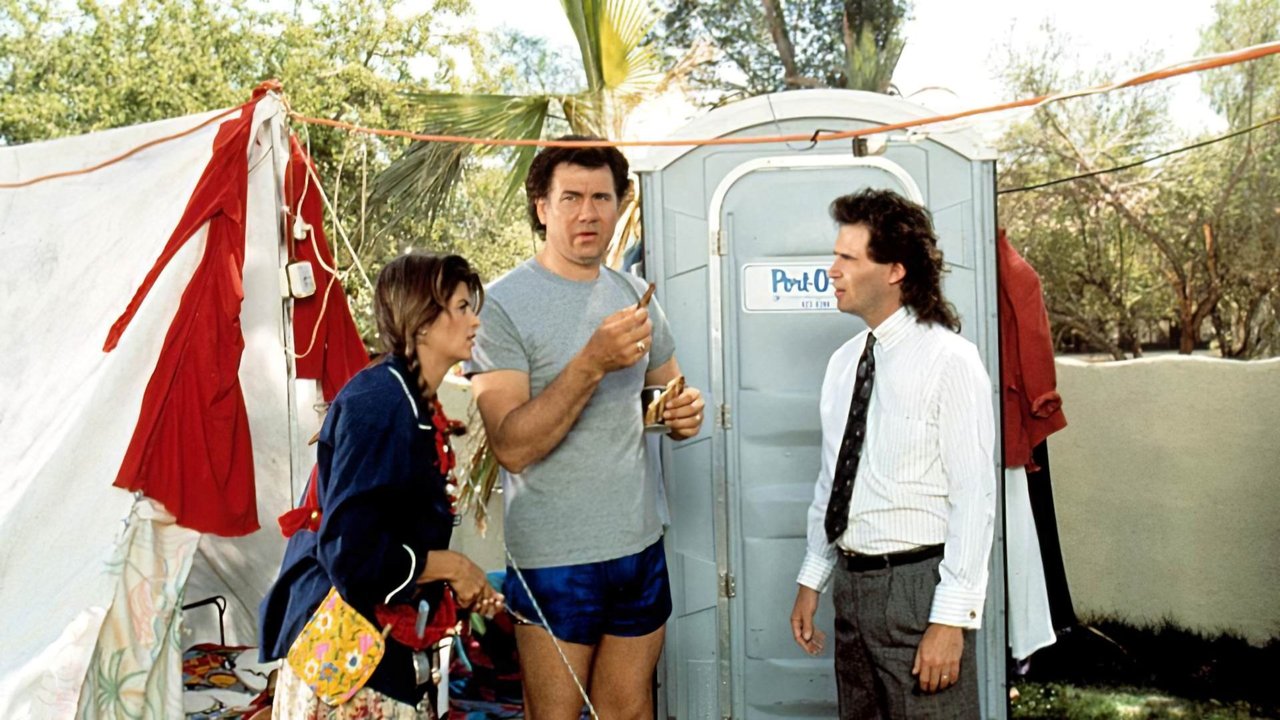
Madhouse is the cinematic equivalent of surviving a family holiday where everything goes spectacularly wrong. It's loud, messy, occasionally borders on outright hostile, but possesses a manic, destructive energy that's undeniably entertaining if you're in the right mood. Alley and Larroquette are terrific comedic leads weathering the storm, and the parade of nightmare guests ensures the chaos never flags. It might lack nuance, but it more than makes up for it in sheer, unadulterated pandemonium.
Rating: 7/10 - While critics loathed it and its humor can be abrasive, Madhouse delivers exactly what it promises: ninety minutes of escalating domestic warfare fueled by great comedic performances and a gleeful disregard for property and politeness. It’s a testament to that specific brand of early 90s studio comedy that aimed squarely for laughs, no matter how low they had to stoop.
Final Thought: It's the kind of movie that makes you deeply appreciate your own annoying relatives... because surely, surely, they couldn't be this bad. Right?