Here we are, back in the aisles of memory, perhaps near that slightly dusty "Art House" or "Foreign Films" section of the old video rental store. Amidst the action heroes and teen comedies, there sometimes lurked VHS boxes with covers that promised something… different. Peter Greenaway's 1985 film, A Zed & Two Noughts, was undoubtedly one of those. Its very title, a cryptic play on words hinting at zoos and oblivion, signals that you weren't picking up your typical Friday night blockbuster. This wasn't a film you idly watched; it was one you confronted, contemplated, and perhaps even wrestled with long after the tape clicked off.
### Symmetry in Grief and Decay
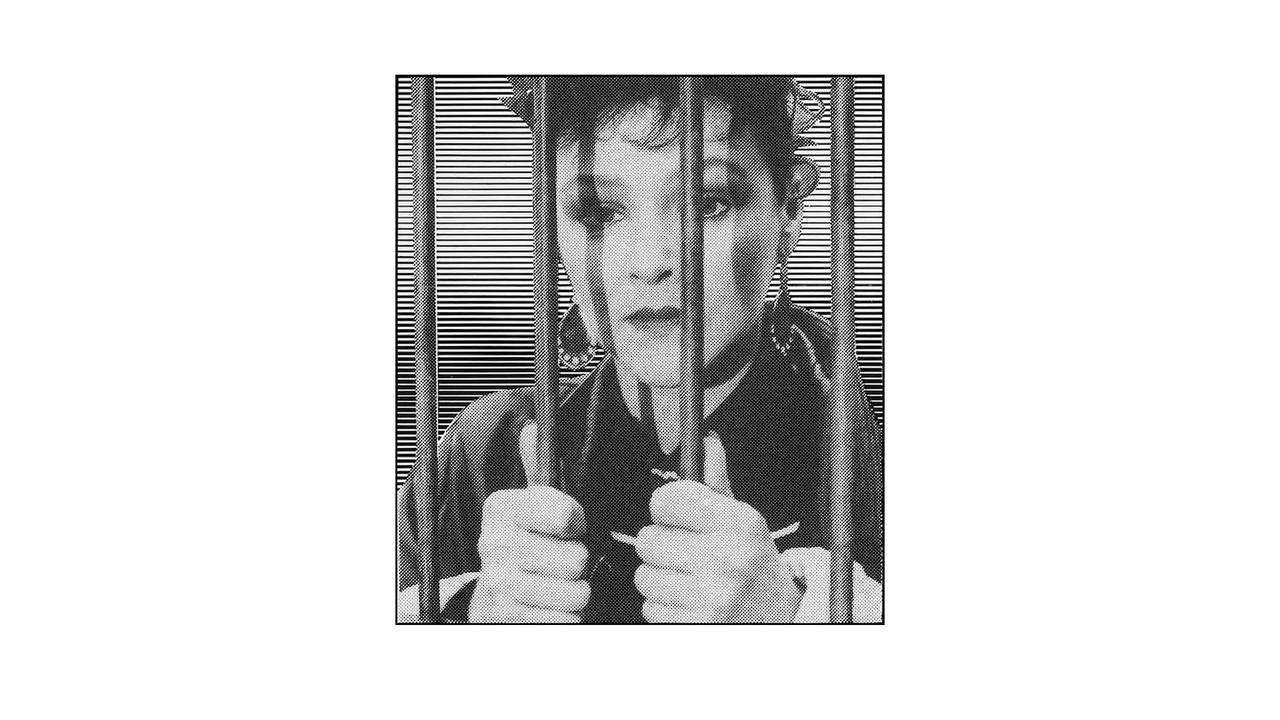
The film crashes into existence, literally. A bizarre accident outside a zoo involving a white car, a swan, and blinding headlights leaves two women dead. Their husbands, twin zoologists Oswald and Oliver Deuce – played with an unsettling, mirrored detachment by real-life brothers Brian Deacon (Jesus) and Eric Deacon – are plunged into grief. But this isn't a conventional exploration of loss. Instead, their shared trauma manifests as a chillingly intellectual obsession: the process of decay. They become fixated on capturing the decomposition of organic matter through time-lapse photography, seeking patterns and perhaps some perverse form of order in the ultimate dissolution. It’s a premise that immediately sets Greenaway’s distinct, often challenging, agenda.
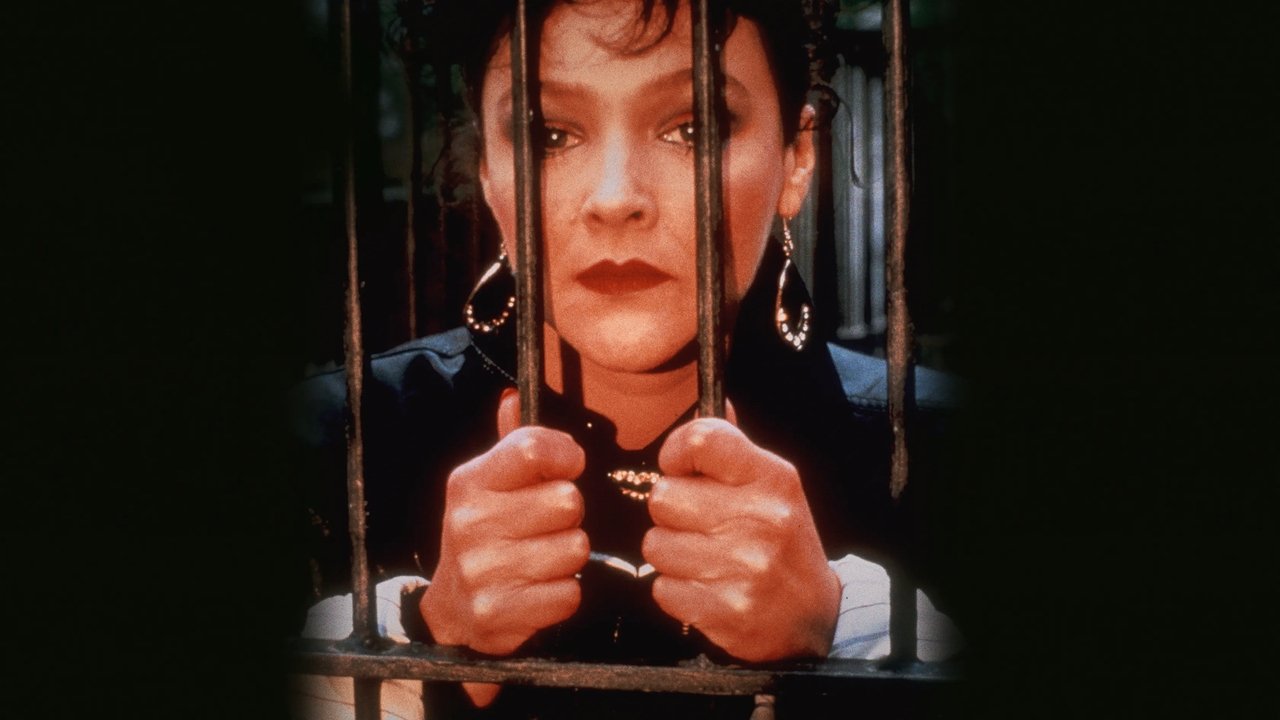
Their macabre project intertwines them with Alba Bewick (Andréa Ferréol, unforgettable in La Grande Bouffe), the crash's sole survivor, who lost a leg in the incident. She becomes both muse and subject, drawn into their strange world of meticulous observation and escalating obsession. What unfolds isn't so much a plot in the traditional sense, but a series of exquisitely composed tableaux exploring profound themes: symmetry, mortality, creation, destruction, and humanity's often futile attempts to impose meaning on the chaos of existence.
### A Painter's Eye, A Composer's Rhythm
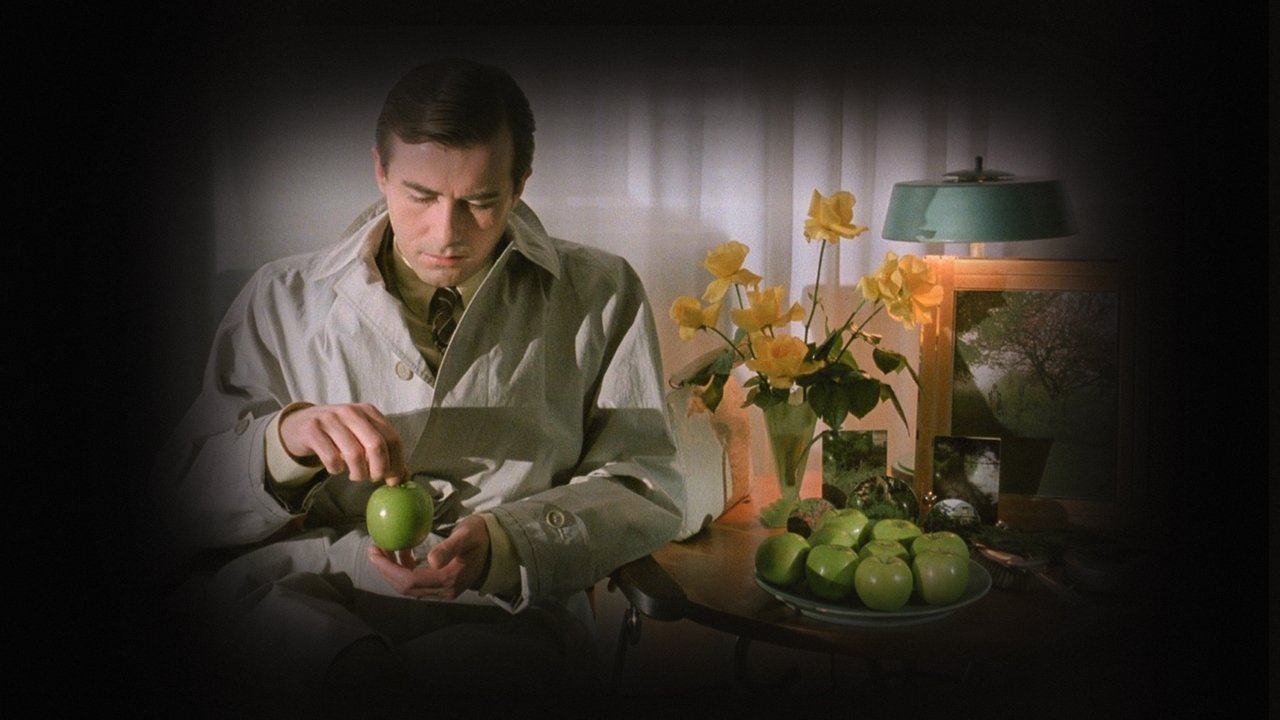
You simply cannot discuss A Zed & Two Noughts without acknowledging its staggering visual artistry. Peter Greenaway, who famously began his career as a painter, treats the screen like a canvas. Working with the legendary cinematographer Sacha Vierny (whose credits include Alain Resnais' Hiroshima mon amour and Luis Buñuel's Belle de Jour), Greenaway crafts images of breathtaking, almost unnerving beauty and precision. Symmetry dominates nearly every frame, reflecting the twin protagonists and their dualistic obsessions. The influence of Dutch Masters, particularly Vermeer, is explicitly referenced and felt throughout – in the lighting, the composition, the almost clinical stillness of certain scenes. It’s said Greenaway structured the film around the colours white, black, red, green, and brown, representing stages of life and decay, another layer to its intricate design.
This visual feast is accompanied, and often driven, by the distinctive score of Michael Nyman. A frequent Greenaway collaborator (The Draughtsman's Contract, The Cook, the Thief, His Wife & Her Lover), Nyman’s music here is a mix of baroque grandeur and minimalist urgency, perfectly complementing the film's blend of formal control and underlying thematic turmoil. The score doesn’t just underscore the action; it often feels like an integral part of the film's very structure, mirroring the relentless progression of time and decay that so fascinates the Deuce brothers.
### Fascinating Facts from the Zoo
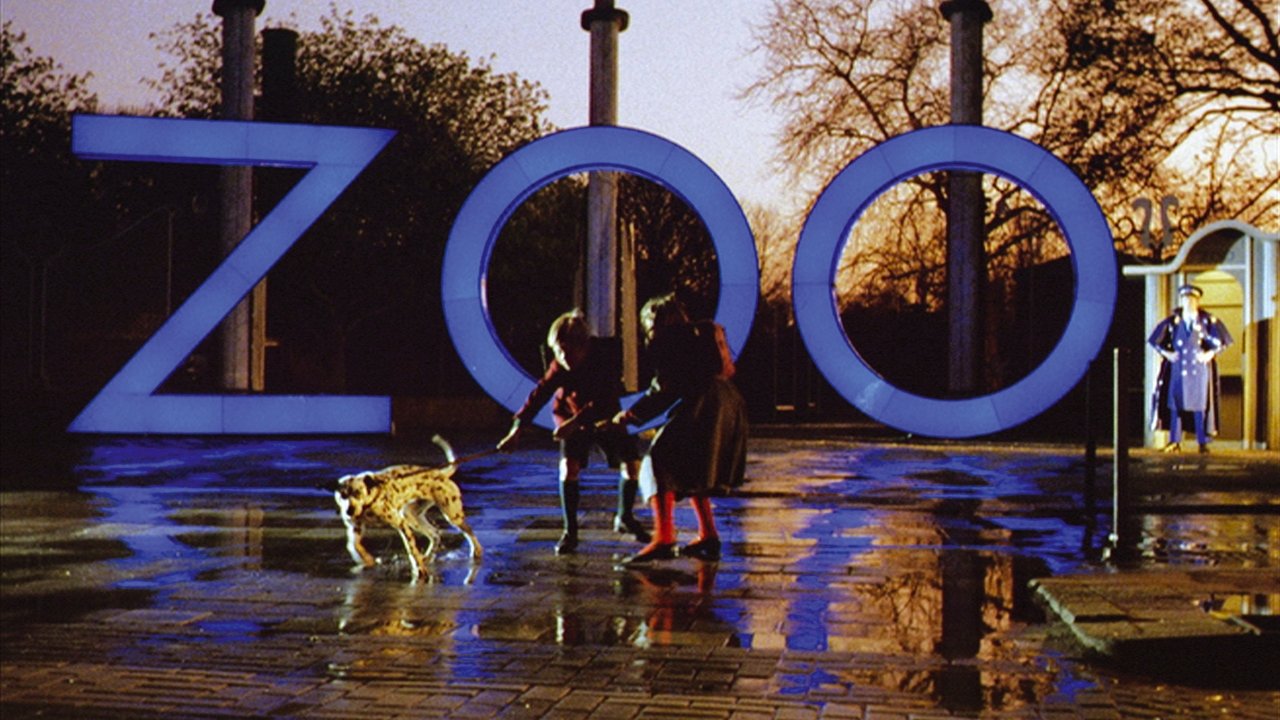
The making of A Zed & Two Noughts is as intriguing as the film itself. The casting of actual twin brothers Brian and Eric Deacon adds an uncanny layer of authenticity to the central relationship. Their shared features and mirrored movements enhance the film's exploration of symmetry and identity. Filming predominantly at the Rotterdam Zoo provided Greenaway with a ready-made environment brimming with life, juxtaposed starkly against the brothers' preoccupation with death.
Perhaps most notoriously, the film features genuine time-lapse footage of animal decomposition. Greenaway, ever the provocateur, defended this choice as essential to the film's thematic core, arguing that confronting decay directly was necessary. While undeniably challenging for some viewers (and certainly something that generated buzz, both positive and negative, upon release), it underscores the film's unflinching gaze at the biological realities that underpin existence. This wasn't shock value for its own sake; it felt integral to the director's specific, almost scientific, inquiry. Produced partly by Channel 4 Films, it represented the kind of bold, auteur-driven cinema that channel often championed in the 80s, a far cry from Hollywood norms. Its budget was relatively modest, yet Greenaway achieved visuals that feel opulent and meticulously controlled.
### An Acquired Taste, A Lasting Impression
Let’s be honest: A Zed & Two Noughts was never going to be everyone’s cup of tea, even back in the adventurous days of VHS hunting. Its intellectual rigor, deliberate pacing, and confrontational themes could feel alienating. The narrative is less about emotional connection in the conventional sense and more about exploring ideas through stunning, often disturbing, imagery. The characters, particularly the Deuce brothers, remain somewhat opaque, functioning almost as components within Greenaway's elaborate thematic design rather than fully fleshed-out individuals driven by relatable psychology.
Yet, for those willing to engage with its unique wavelength, the film offers a cinematic experience unlike almost any other from the era. It’s a work of profound visual intelligence and thematic ambition. It forces you to contemplate uncomfortable truths about life, death, and our relationship with the natural world. Watching it again now, it feels less like a dated artifact and more like a confirmation of Greenaway's singular vision – uncompromising, challenging, and strangely beautiful. It’s the kind of film that might have sat unwatched on the rental shelf for weeks, but for the curious viewer who finally took it home, it offered a glimpse into a completely different kind of filmmaking.

Rating: 8/10
This score reflects the film's undeniable artistic merit, its visual brilliance, and its courageous exploration of difficult themes. It's a challenging piece, and its detached, intellectual approach won't resonate with everyone, preventing a higher score within the broader 'VHS Heaven' context. However, its unique power and Peter Greenaway's sheer authorial control make it a significant and memorable work of 80s art cinema.
It’s a film that lodges itself in the mind, not through easy sentiment, but through the stark beauty of its decay and the unsettling symmetry of its obsessions. What other film from that era dared to be so coldly beautiful while dissecting the messy business of life and death?