Here we go, pulling another tape box from the digital shelf, this one dating right to the cusp – the year 2000. It feels like yesterday and an eternity ago, doesn't it? We're talking about The Next Best Thing, a film that arrived with a certain pedigree and promise, helmed by a legendary director and starring two very different, very prominent icons. It landed just as shiny DVDs were aggressively shouldering aside our beloved VHS tapes, making it feel like a transitional fossil from that specific turn-of-the-millennium moment. But does the film itself hold up beyond its timestamp?

An Unexpected Family Portrait
The premise itself felt… well, modern for its time, certainly for a mainstream release. Abbie (Madonna), a yoga instructor yearning for stability, and her best friend Robert (Rupert Everett), a charming landscape gardener who is gay, find solace in each other's company. After a night fuelled by mutual consolation and perhaps a bit too much wine, they conceive a child. They decide to raise the boy, Sam, together as unconventional, platonic co-parents. It’s a setup ripe for exploring the evolving definition of family, the complexities of love beyond romance, and the unique bonds of deep friendship. The film asks, implicitly, can a family built on friendship and shared responsibility thrive outside traditional structures? It's a question that feels even more relevant today, perhaps, than it did back then.
Star Power and Screen Chemistry
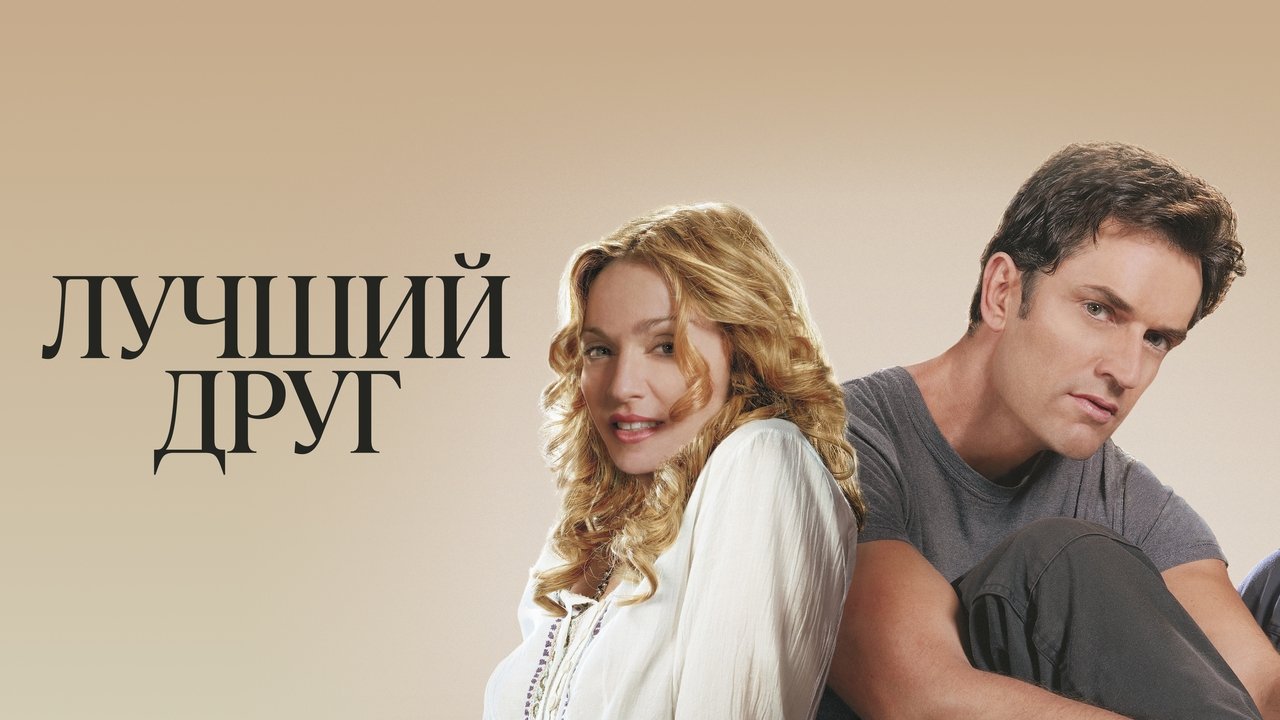
Much of the film hinges on the dynamic between its two leads. Rupert Everett, fresh off his absolutely stellar, career-reigniting turn in My Best Friend's Wedding (1997), certainly brings his signature wry charm and sensitivity to Robert. He captures the character's warmth, his anxieties about fatherhood, and the genuine affection he holds for Abbie. You can see him working, trying to ground the sometimes-flighty material with emotional honesty. There are moments where his weariness and vulnerability truly resonate.
And then there's Madonna. Now, look, her status as a cultural icon is undeniable, a force who shaped music and fashion throughout the 80s and 90s. Her ambition to conquer acting was also well-documented, with mixed results over the years (Desperately Seeking Susan - yes; Shanghai Surprise - perhaps not). Here, playing Abbie, the performance often feels… effortful. While she and Everett were known to be friends in real life, that off-screen warmth doesn't quite translate into a consistently believable on-screen parental partnership. There’s a certain stiffness, a struggle to convey the deep, lived-in history their characters supposedly share. It sometimes feels less like watching Abbie and Robert, and more like watching Madonna and Rupert Everett acting like Abbie and Robert. Benjamin Bratt, as Abbie’s eventual romantic interest who complicates the arrangement, is serviceable but struggles to make a significant impact against the central dynamic.
A Veteran Director's Swan Song
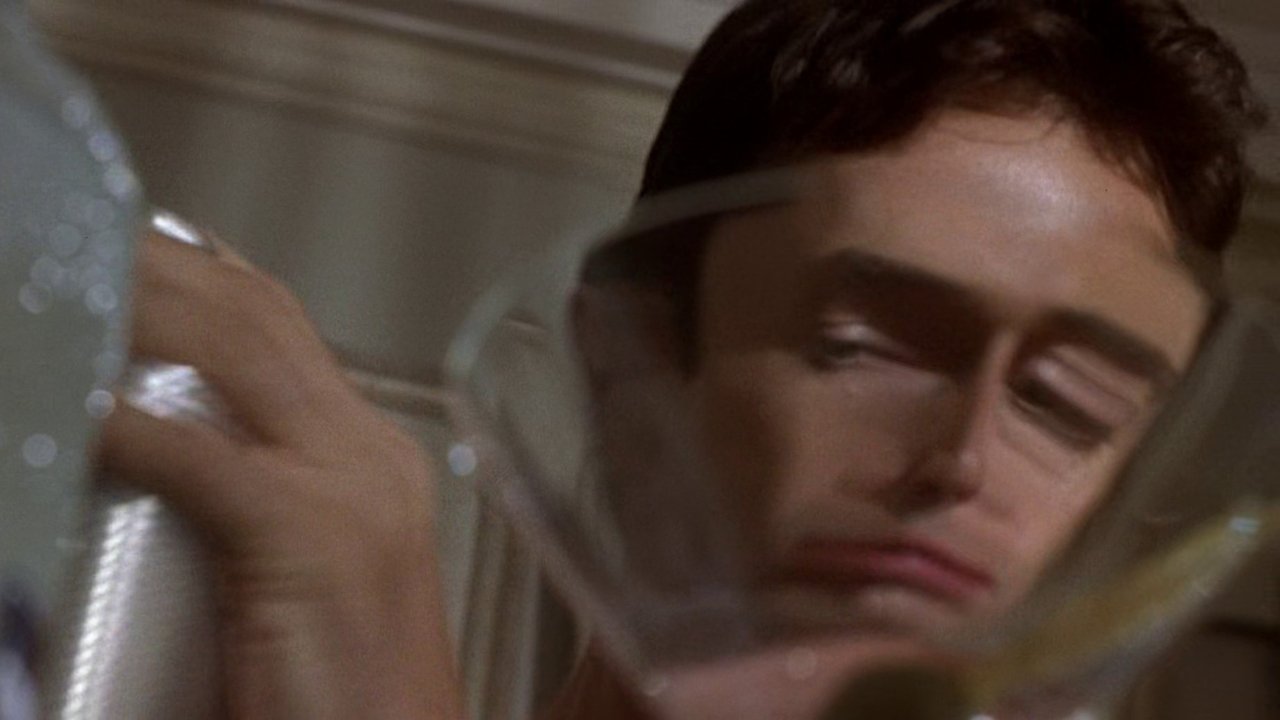

What makes revisiting The Next Best Thing particularly poignant, perhaps, is knowing it was the final film from director John Schlesinger. This is the man who gave us masterpieces like Midnight Cowboy (1969) and the tense thrills of Marathon Man (1976). His filmography is packed with nuanced character studies and atmospheric storytelling. You can occasionally glimpse that sensitivity here – in quieter moments between Robert and Sam, or in the way the Los Angeles setting sometimes feels lived-in and real.
However, the film often struggles tonally. It swings between light comedy, heartfelt drama, and eventually, a rather jarring courtroom battle that feels airlifted from a different movie entirely. One has to wonder how much Schlesinger’s reported ill health during production might have impacted the final cut. Did the studio interfere? Was the script, reportedly kicking around for years before finally getting made, simply trying to juggle too many disparate elements? It feels like a film pulling in multiple directions, never quite settling into a comfortable rhythm. Adding to the Y2K time capsule feel is Madonna's cover of Don McLean's "American Pie" on the soundtrack – a massive radio hit at the time, though its connection to the film's themes felt tenuous even then. It generated buzz, sure, but did it serve the story?
Behind the Celluloid
Despite the glossy pairing and the director's pedigree, the film didn't quite land with critics or audiences back in 2000, grossing around $24.4 million worldwide against its $25 million budget. It became something of a footnote, remembered more for the soundtrack single or as a curiosity in the stars' careers. Yet, watching it now, there's value in what it attempted. Tackling themes of gay parenthood and chosen family in a mainstream Hollywood film at the turn of the century wasn't insignificant, even if the execution fumbled.
Final Reflection
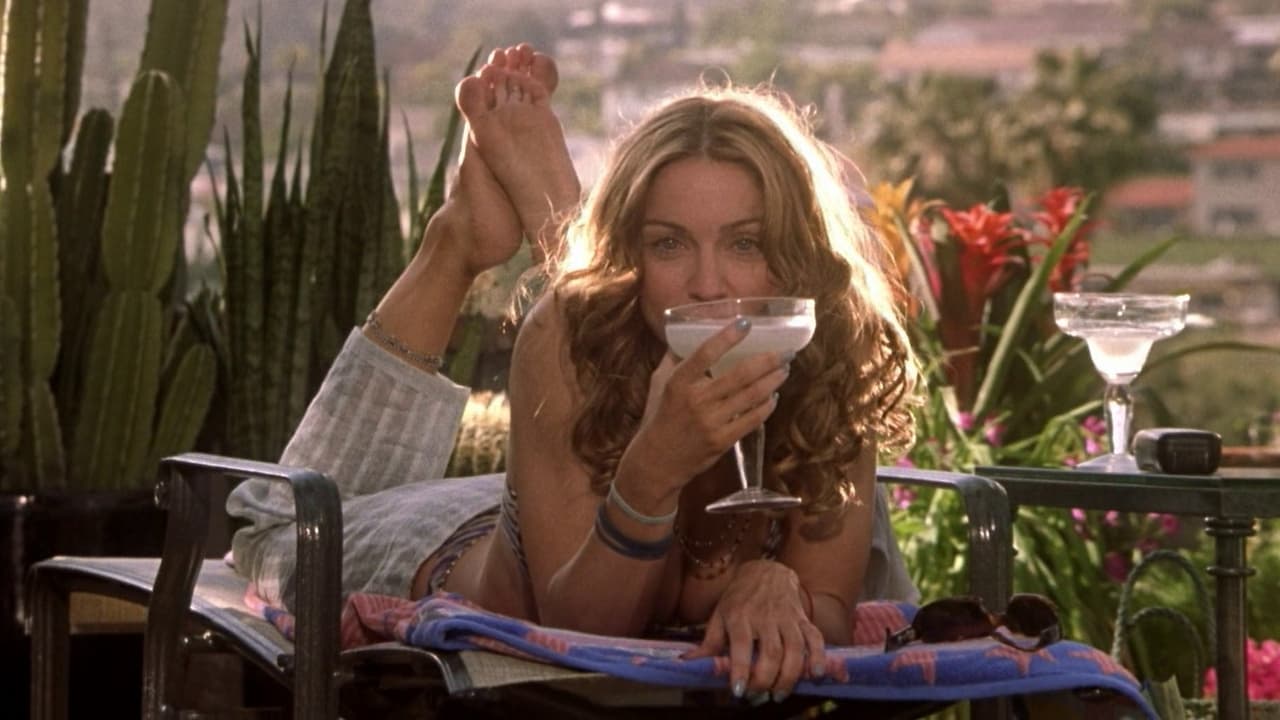
The Next Best Thing feels like a missed opportunity. The core idea is strong, Rupert Everett gives it his all, and the involvement of John Schlesinger lends it a certain melancholic weight. But the uneven tone, a script that can’t quite decide what it wants to be, and a central performance from Madonna that doesn't fully connect prevent it from reaching its potential. It’s not a film devoid of merit – there are moments of charm and genuine emotion, particularly from Everett – but they're islands in a somewhat choppy sea. It remains an interesting snapshot of its time, a testament to ambitious themes meeting uneven execution, and a bittersweet farewell from a truly great director.
Rating: 4/10 - While Everett shines and the premise holds promise, the film is ultimately hampered by tonal inconsistency and a central performance that doesn't quite land, making Schlesinger's final work a unfortunately underwhelming affair despite its intriguing setup.
What lingers most isn't necessarily the plot, but the feeling of what might have been – a more cohesive, emotionally resonant exploration of the very modern family it tried to portray.