Alright, fellow tapeheads, slide that worn copy of Quick Change into the VCR, adjust the tracking just so, and prepare for one of the most criminally underrated comedies of 1990. Forget bombastic action for a moment; this is a different kind of thrill ride – the existential dread of trying to catch a plane out of late-80s New York City after pulling off the perfect bank robbery. It’s a premise so simple, so utterly relatable to anyone who’s ever felt trapped by urban chaos, that it’s kind of brilliant.

### The Perfect Crime, The Impossible Escape
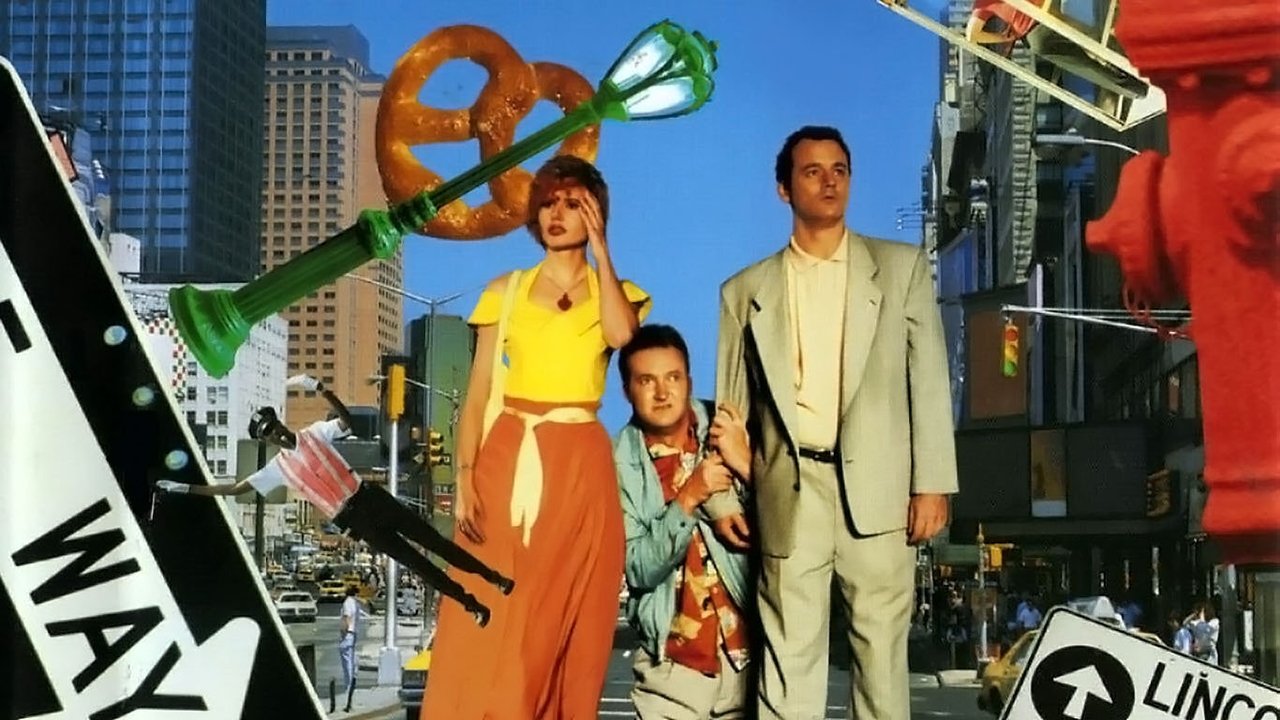
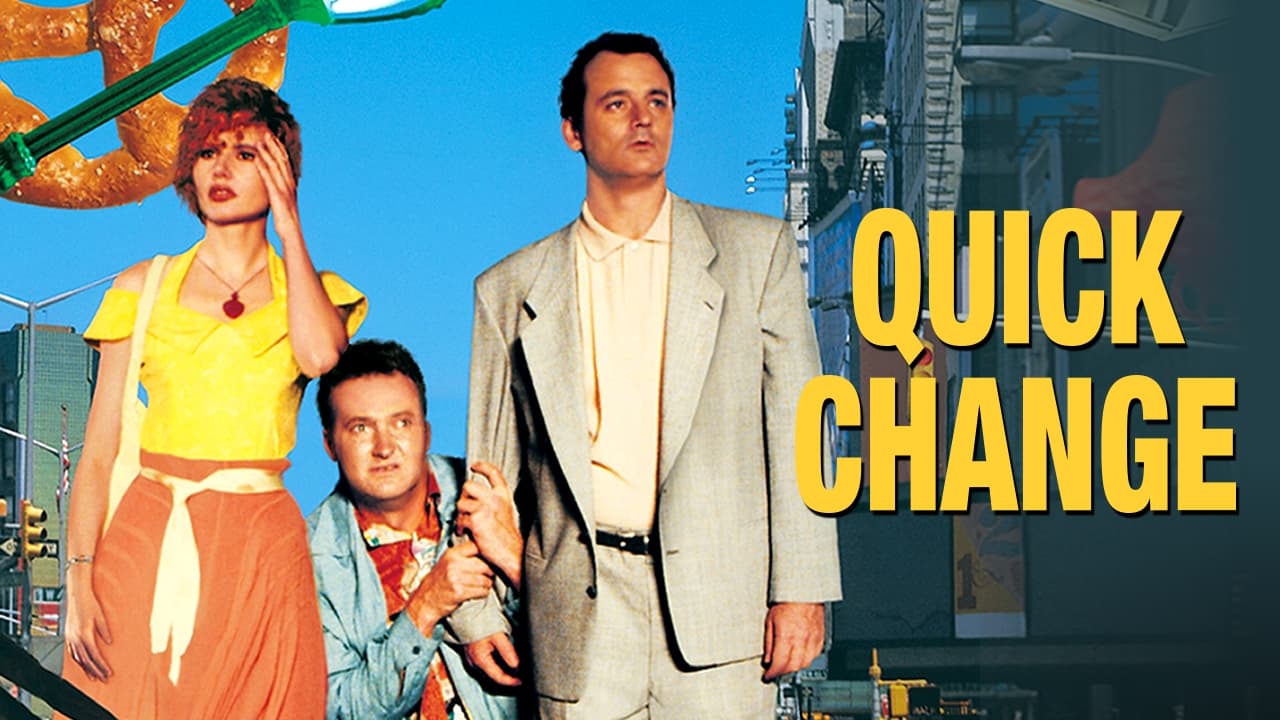
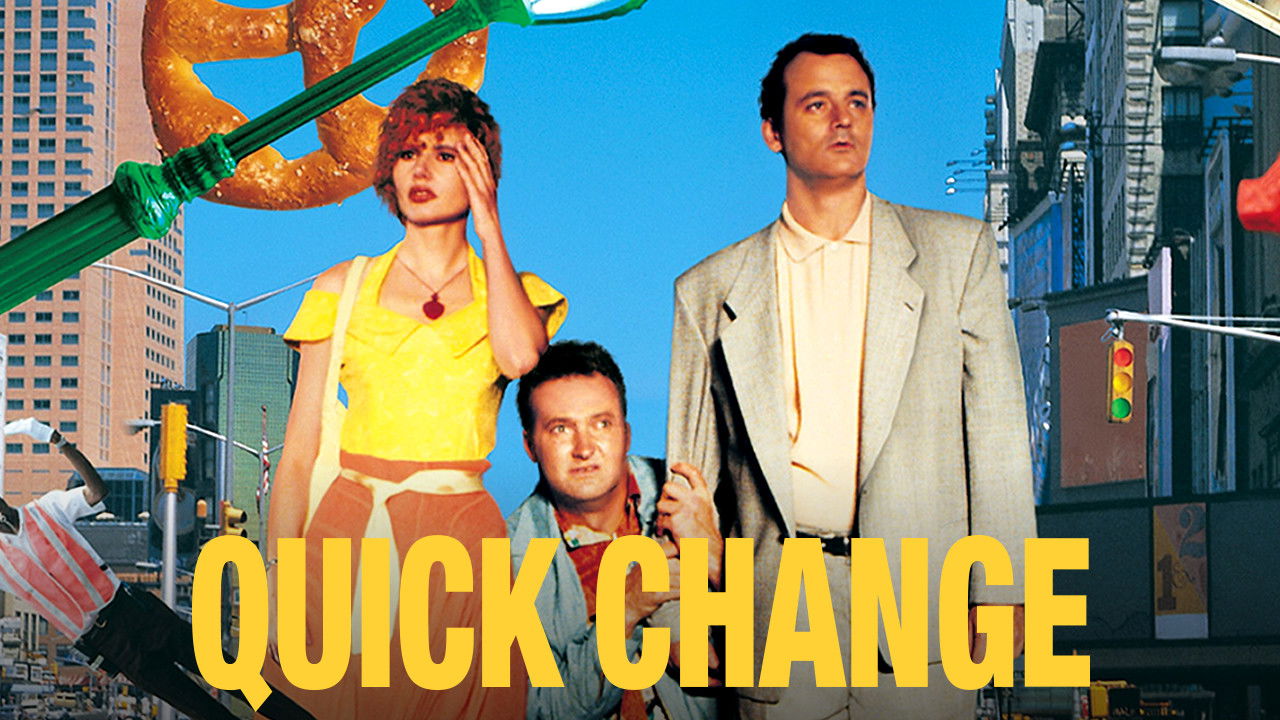
Remember finding this gem nestled on the rental shelf, maybe drawn in by Bill Murray’s familiar smirk on the cover? What unfolds is less a standard heist flick and more a Murphy’s Law comedy of escalating frustrations. Murray plays Grimm, a disgruntled city planner who decides the only way out of the bureaucratic nightmare of NYC is to rob a bank – dressed as a clown, no less. He pulls it off with surprising ease, aided by his girlfriend Phyllis (Geena Davis, utterly charming) and childhood pal Loomis (Randy Quaid, perfectly cast as the lovable, perpetually bewildered accomplice). They’ve got the cash, they’ve got the plan… but getting to JFK airport proves to be the real challenge.
This is where Quick Change truly shines. The screenplay, penned by Howard Franklin (who also co-directed with Murray in his one and only directorial outing), uses the labyrinthine, slightly hostile energy of pre-cleanup New York City as its primary antagonist. It’s a city of bewildering road closures, unhelpful officials, suspicious cabbies (a scene-stealing early role for Tony Shalhoub as a driver who speaks no known language), and petty criminals who seem determined to thwart our protagonists at every turn. Retro Fun Fact: Murray actually took the co-director credit primarily to ensure the studio didn't interfere too much with Franklin's vision, wanting to protect the script's unique tone. A smart move, as the film feels distinctly Murray-esque in its blend of weary sarcasm and underlying warmth.

### Murray at His Best, Surrounded by Talent
Let’s talk about Bill Murray here. Fresh off Scrooged (1988) and Ghostbusters II (1989), this felt like a more grounded, world-weary Murray. Grimm isn't a larger-than-life caricature; he's an intelligent guy pushed to his limit, reacting to the mounting absurdity with that signature deadpan wit that few could ever match. His frustration is palpable, making the comedy land harder because it feels earned. It’s a wonderfully subtle performance within a farcical situation.
He's perfectly balanced by Geena Davis, bringing a hopeful counterpoint to Grimm's cynicism, and Randy Quaid, whose Loomis is a source of both exasperation and genuine laughs. Their chemistry as a trio trying desperately to keep it together amidst the chaos is the heart of the film. We also get a fantastic turn from Jason Robards as the weary, seen-it-all police chief hot on their trail, providing a calm counter-narrative to the robbers' increasingly panicked journey.
### New York State of Grime
The film captures a specific moment in New York history, that gritty, slightly dangerous vibe before the big Times Square cleanup. You can almost smell the exhaust fumes and feel the sticky pavement. Shooting almost entirely on location gives it an authenticity that CGI-heavy cityscapes just can't replicate today. Remember how real those chaotic street scenes felt back then? The traffic jams, the decaying infrastructure, the sheer unpredictable energy of the place – it wasn't just backdrop; it was an active participant in the plot. This commitment to the real NYC is the film's most effective "practical effect." It grounds the absurdity and makes the escalating nightmare feel strangely plausible.
Quick Change wasn't exactly a box office smash when it landed in theaters – reportedly making back just over $15 million on a $17 million budget. But like so many gems from the era, it found its true audience on VHS and cable, becoming a beloved cult classic among those who appreciated its dry wit and unconventional structure. Critics were generally kind, praising Murray and the sharp script, but audiences perhaps weren't quite ready for a heist comedy where the getaway was the main event.
### Why It Still Holds Up
Watching it now, Quick Change feels refreshingly unique. It sidesteps genre clichés, focusing instead on character reactions and the humor found in utter exasperation. Howard Franklin’s direction is unfussy, letting the script and the performers carry the load, punctuated by a nicely understated score by Randy Edelman. It’s a film that respects its audience's intelligence, delivering laughs not through broad slapstick, but through clever dialogue and excruciatingly relatable situations. I distinctly remember renting this multiple times, each viewing revealing another subtle joke or perfectly timed reaction I’d missed before. It became one of those comfort-watch tapes.
Rating: 8.5 / 10
Justification: Quick Change earns this high score for its smart, witty script, Bill Murray's perfectly calibrated lead performance, excellent supporting cast chemistry, and its brilliant use of New York City as a chaotic obstacle course. It's a sharply observed comedy of errors that holds up remarkably well, feeling less dated than many of its flashier contemporaries. The slightly underwhelming box office performance at the time feels like a historical footnote compared to its enduring charm on home video.
Final Take: A true standout in the landscape of late 80s/early 90s comedy, Quick Change remains the gold standard for heist movies where getting away clean is infinitely harder, and funnier, than the crime itself. A must-rewind for any fan of Murray or smart, character-driven laughs.