Alright, rewind your mind back to the glorious aisles of the local video store. Picture it: fluorescent lights buzzing overhead, the faint smell of popcorn and plastic tape cases, and rows upon rows of potential Friday night magic. Somewhere between the action heroes flexing on the covers and the lurid horror box art, you might have stumbled upon a gem like 1990’s Taking Care of Business. It wasn't explosive, it wasn't terrifying, but man, did it promise a good time. And you know what? It usually delivered.
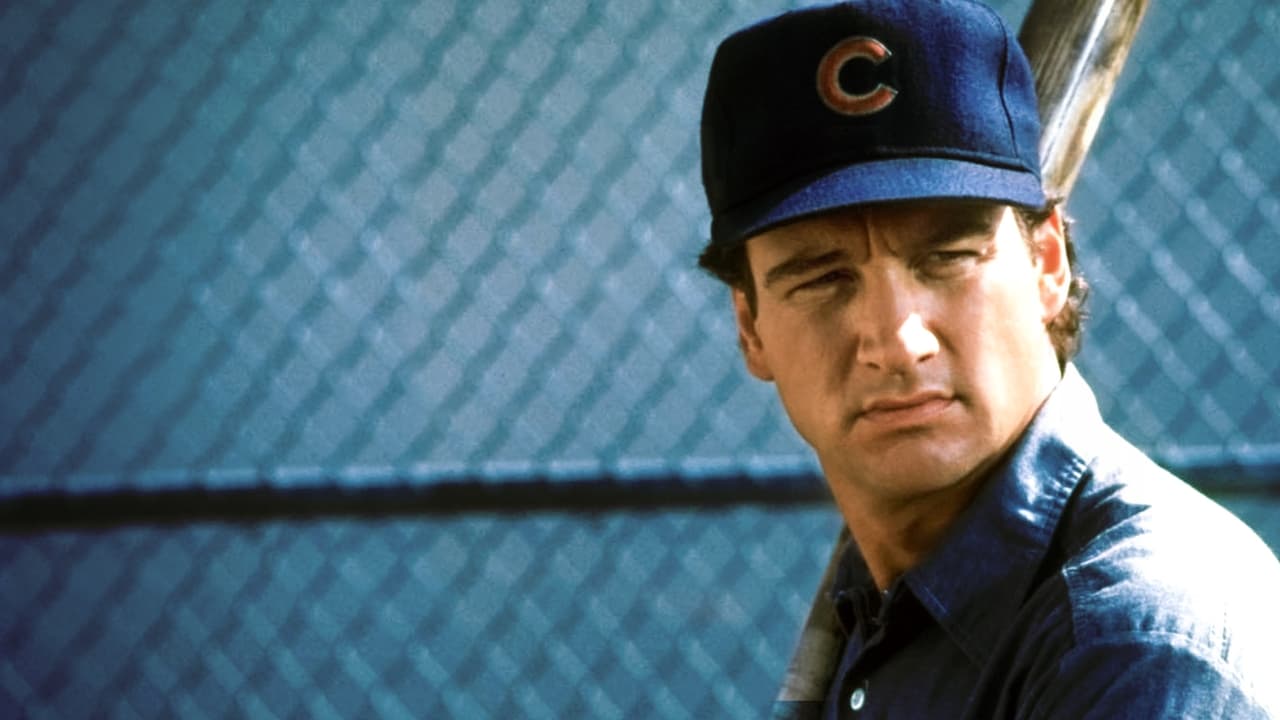
The premise is pure, delicious high-concept, the kind Hollywood churned out with reliable frequency back then. On one side, you have Jimmy Dworski (James Belushi), a charming rogue and die-hard Chicago Cubs fan serving the last few days of a minor sentence. He needs to see the Cubs play in the World Series. On the other, Spencer Barnes (Charles Grodin), an uptight, meticulously organized advertising executive whose entire life revolves around his precious Filofax (remember those?!). When Spencer misplaces his Filofax at the airport, Jimmy finds it, assumes Spencer's identity, and walks straight into a life of corporate luxury, fancy hotels, and high-stakes meetings in sunny Los Angeles, all while the real Spencer is stranded, penniless, and increasingly desperate. It's a classic identity-swap setup, and the collision course these two are on fuels the entire film.
### The Filofax Follies
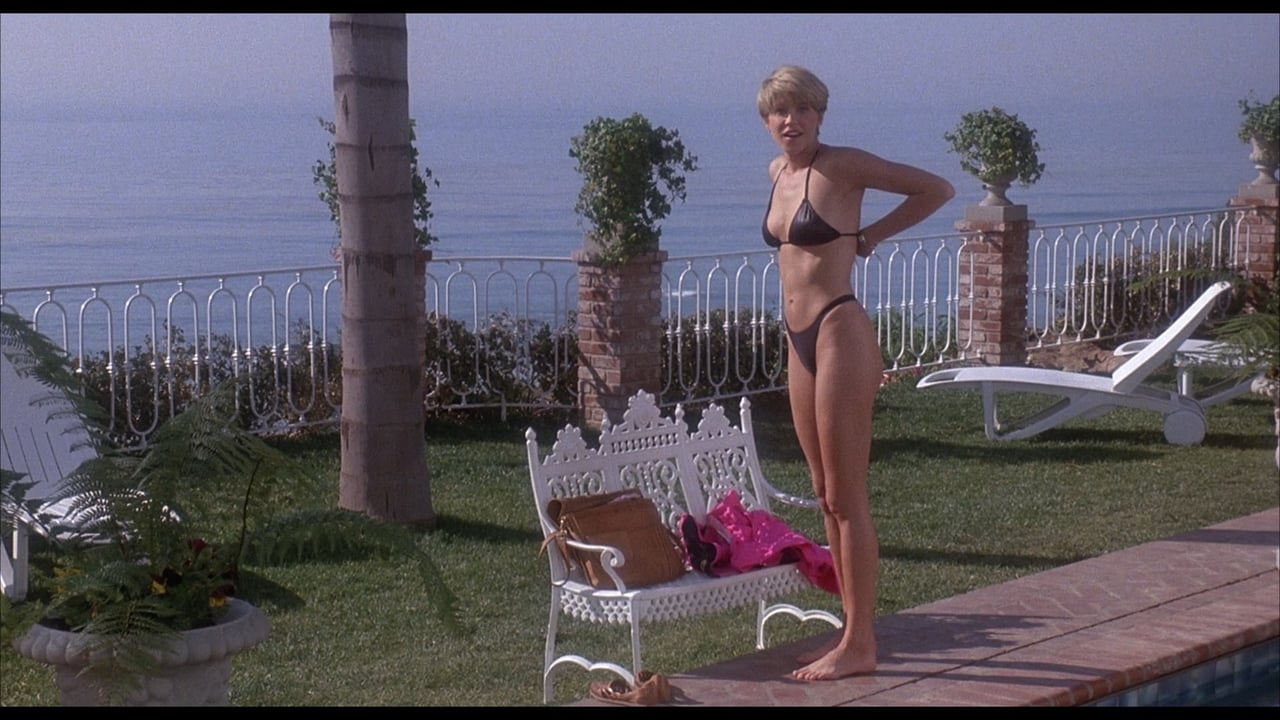
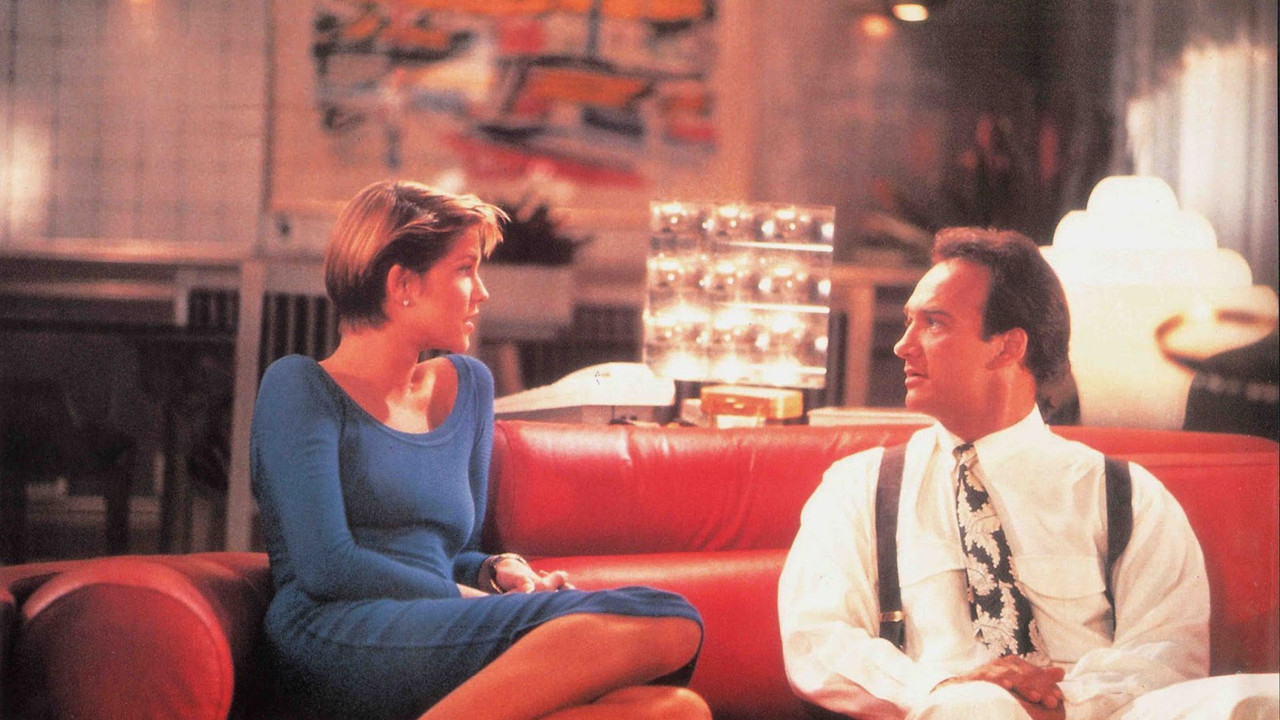
What makes Taking Care of Business click isn't groundbreaking plot twists, but the sheer joy of watching Belushi's Jimmy bumble his way through Spencer's life with infectious, street-smart enthusiasm. He doesn't understand corporate jargon, but he understands people, charming Spencer's colleagues, baffling his boss (Hector Elizondo in a small but memorable role), and even striking up a connection with the boss's daughter, Jewel (Loryn Locklin). The comedy comes thick and fast from Jimmy applying his blue-collar logic to white-collar problems, often with surprisingly effective results. Remember him 'negotiating' that big Japanese business deal? Pure Belushi charisma cutting through the corporate stiffness. It felt like a delightful fantasy – the average Joe showing the suits how it’s really done.

Meanwhile, Charles Grodin is doing what he did better than almost anyone: embodying pure, simmering frustration. As the meticulous Spencer finds himself stripped of his identity, dealing with increasingly bizarre encounters (including a memorable run-in with an old college acquaintance played delightfully by Anne De Salvo), Grodin’s deadpan reactions are priceless. His slow burns and exasperated sighs are comedic gold. The film wisely keeps them separated for much of its runtime, letting the tension build until their inevitable, chaotic confrontation. It's the chemistry between these two vastly different comedic talents, even when they aren't sharing the screen, that forms the movie’s backbone.
### That Early 90s Shine
This movie feels like 1990. The clothes, the cars, the sheer importance placed on that Filofax – it's a perfect little time capsule. Director Arthur Hiller, a versatile filmmaker who gave us everything from the tear-jerking Love Story (1970) to the classic Gene Wilder/Richard Pryor comedy Silver Streak (1976), keeps things moving at a brisk, enjoyable pace. He doesn't reinvent the wheel, but he knows exactly how to stage comedic set pieces and let his stars shine. There's a comfortable confidence to the filmmaking, typical of Hiller's reliable craftsmanship.
And here’s a fun bit of trivia for your next retro movie night: check out the writing credits. Alongside Jill Mazursky (daughter of the great Paul Mazursky), you'll find a name that would become synonymous with massive sci-fi blockbusters and intricate mystery boxes: Jeffrey Abrams, or as we know him now, J.J. Abrams. Yep, long before Lost, Star Trek, or Star Wars, he co-penned this relatively straightforward, character-driven comedy. It’s fascinating to see the seeds of a major Hollywood player in such a different context. Makes you wonder if he tucked any lens flares into the script pages.
While not a critical darling upon release (reviews were decidedly mixed), Taking Care of Business definitely found its groove on VHS and cable TV. It grossed a respectable $20 million, proving audiences were happy to kick back with this kind of easygoing comedy. For many of us, it became one of those reliable comfort watches you’d happily grab off the shelf when you just wanted to unwind and chuckle. The scenes filmed at Angel Stadium during the fictional Cubs vs. Angels World Series add a nice touch of big-event feel, tapping into that universal love of underdog sports stories.
### Still Open for Business?
So, does Taking Care of Business hold up today? Well, like a well-worn VHS tape, some of the magnetic particles might have faded. The premise is familiar, and some of the corporate satire feels distinctly of its time. But the core appeal – the fantastic interplay between Belushi at his most likable and Grodin at his most hilariously uptight – remains completely intact. It’s powered by charm, great comedic timing, and that undeniable early 90s vibe, all underscored by that killer Bachman-Turner Overdrive theme song.
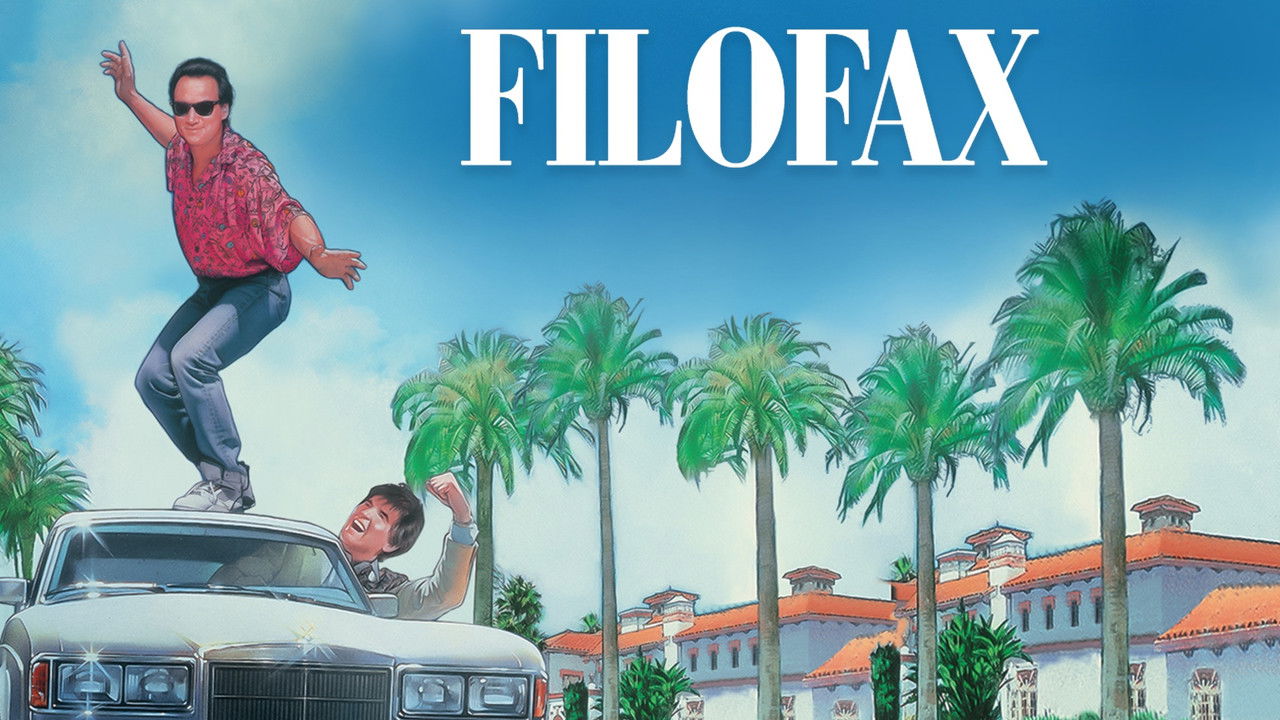
Rating: 7/10
Why this score? Taking Care of Business earns a solid 7 for being a genuinely funny, well-cast, and effortlessly charming example of the high-concept comedies that thrived in the VHS era. It leans heavily on its leads, and they deliver spectacularly. While not groundbreaking or particularly deep, it achieves exactly what it sets out to do: provide breezy entertainment with plenty of laughs and a touch of heart. It’s dated in charming ways, but the core comedic engine still runs smoothly.
Final Take: If you're looking for a reminder of when comedies felt a little looser, a bit more reliant on star power than intricate plotting, and when losing your Filofax was the ultimate disaster, Taking Care of Business is still ready to punch your ticket. A perfect slice of early 90s comfort viewing.