Okay, fellow tape travelers, let's rewind to a time when Eddie Murphy was arguably the biggest movie star on the planet. Fresh off the rocket fuel success of Beverly Hills Cop (1984) and Trading Places (1983), Murphy could seemingly do no wrong. So, what’s the next logical step for a fast-talking, street-smart comedian? Obviously, a mystical fantasy adventure involving Tibetan prophecies, ancient demons, and saving a magical child destined to bring peace to the world. Right? That unexpected pivot brings us to the neon-tinged, synth-scored oddity that is The Golden Child (1986), a VHS staple that perfectly captures the sometimes-baffling, always-entertaining genre mashups of the era.
### Finder of Lost Children… and Chosen Ones?
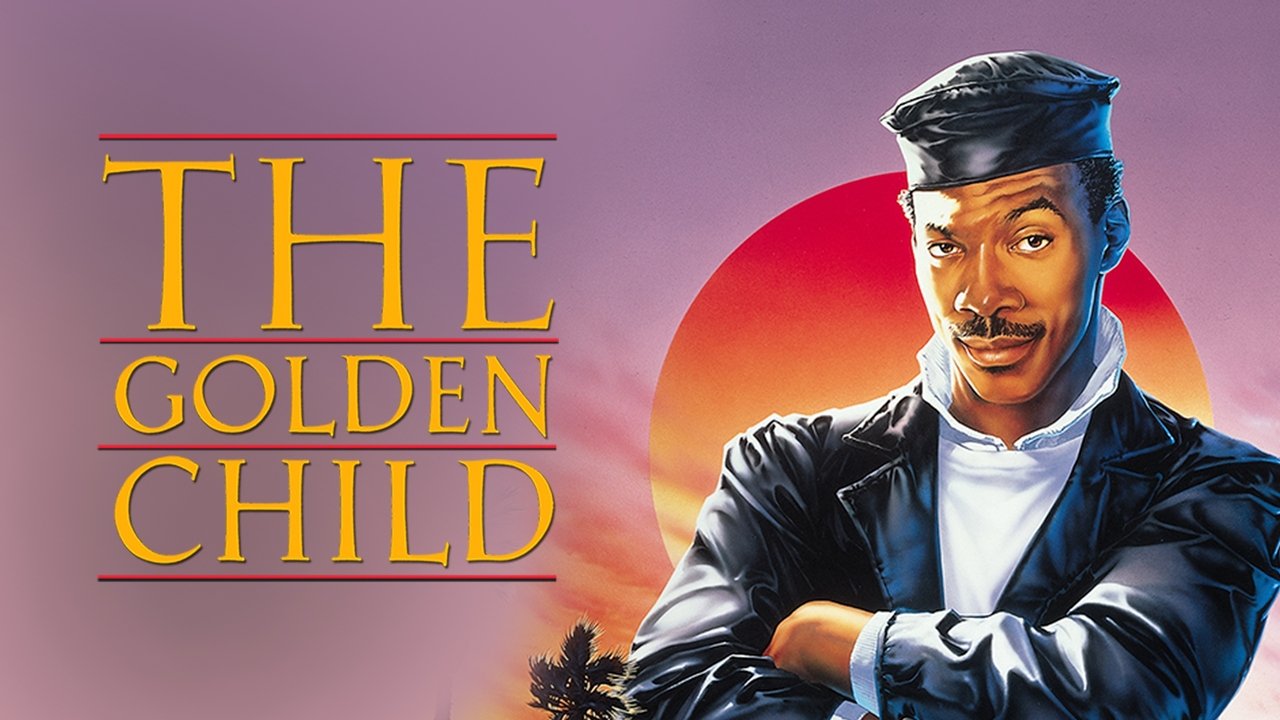
The premise alone is pure 80s gold: Eddie Murphy plays Chandler Jarrell, an L.A. social worker specializing in finding missing kids. His world is grounded in pavement and paperwork until Kee Nang (Charlotte Lewis) enters his life, informing him he's "The Chosen One" destined to rescue the kidnapped Golden Child (J.L. Reate), a mystical boy with immense power, from the clutches of the demonic Sardo Numspa (Charles Dance). Jarrell's reactions – a whirlwind of disbelief, sarcastic quips, and gradual acceptance – are the film's engine. Murphy essentially imports his Axel Foley persona into a world of ancient scrolls and flying demons, and honestly? It mostly works, thanks to his sheer comedic charisma. It's fascinating to know that the original script by Dennis Feldman (who also penned the wonderfully weird Species later in 1995) was conceived as a more straightforward supernatural thriller, potentially with Mel Gibson in the lead. The extensive rewrites to tailor it for Murphy transformed it into the unique hybrid we rented countless times.
### Magic Made Tangible
Let's talk about what made movies like this feel special on our fuzzy CRT screens: the practical effects. While The Golden Child certainly has moments that look dated now, the commitment to making things happen in camera gives it a tactile quality often missing today. Remember Sardo Numspa's final transformation? Overseen by the wizards at ILM, that creature wasn't just pixels; it was latex, mechanics, and pure, unadulterated nightmare fuel brought to life through stop-motion and puppetry. It felt heavy, menacing in a way slick CGI rarely achieves. And what about the scene where the Pepsi can comes alive and dances to "Puttin' on the Ritz"? Pure, unadulterated 80s product placement meets stop-motion charm. Was it silly? Absolutely. Was it memorable? You bet your bottom dollar. It's the kind of charmingly bizarre sequence born from creative physical solutions, not algorithms. Even the smaller moments, like the flight sequence or the water demon encounter, have that handcrafted feel. You felt the danger because you knew performers and technicians were wrestling with physical objects and elaborate rigs.
### That Signature 80s Blend
Directed by Michael Ritchie, who knew his way around comedy having directed Murphy's SNL cohort Chevy Chase in the brilliant Fletch (1985), the film navigates a tricky tonal tightrope. One minute, Jarrell is cracking wise about mystical artifacts ("I just want the knife!"), the next, we're dealing with genuinely dark demonic forces led by the chillingly effective Charles Dance. Fresh off villain duties in Bond's A View to a Kill (1985), Dance brings a necessary gravitas and silky menace that anchors the fantasy elements. He believes he's a powerful sorcerer, which helps sell the absurdity of Murphy's reactions. Charlotte Lewis, only around 19 at the time of filming, holds her own as the capable, mysterious Kee Nang, serving as the stoic foil to Jarrell's constant commentary.
The film wasn't a critical darling upon release – many found the mix of slapstick comedy, Buddhist mysticism, and action set pieces jarring. Yet, it struck a chord with audiences, becoming a solid box office hit (pulling in nearly $80 million domestically on a roughly $25 million budget – a nice return back then). Perhaps its very unevenness is part of its enduring appeal? It feels like a movie made by committee in the best possible way – someone wanted an adventure, someone wanted a comedy, someone wanted fantasy, and they threw it all in a blender with Eddie Murphy's superstardom as the binding agent. Murphy himself later expressed some dissatisfaction with the film, feeling the effects didn't hold up and the premise was a bit goofy, but for many of us clutching that worn-out VHS box, it was just fun.
### The Verdict
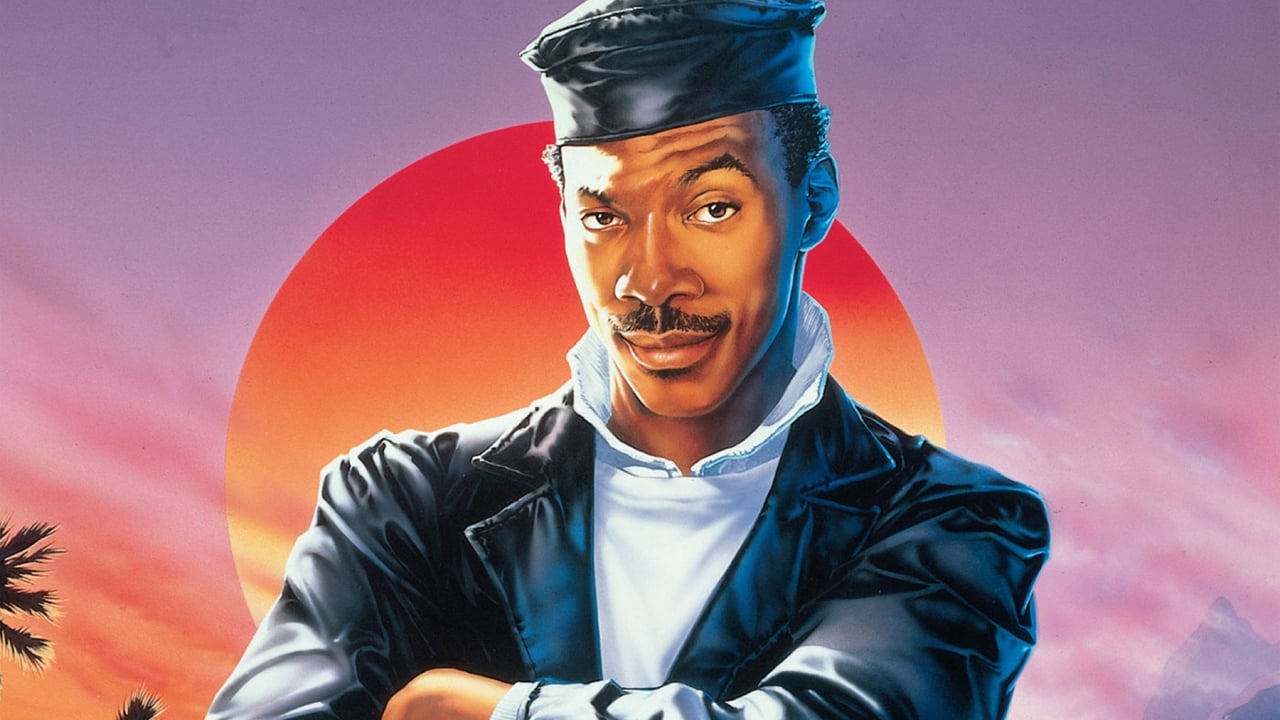
The Golden Child is undeniably a product of its time. The pacing can feel a little loose, some jokes land better than others, and the plot requires a hefty suspension of disbelief. But watching it now evokes that specific feeling of late-80s blockbuster ambition – a willingness to swing for the fences with a high-concept idea, powered by a megawatt star and bolstered by impressive (for the time) practical magic. It’s Eddie Murphy navigating a world far stranger than Beverly Hills, armed with little more than his wit and, eventually, a mystical dagger.
Rating: 7/10 - The score reflects its undeniable entertainment value and Murphy's magnetic performance, balanced against its tonal inconsistencies and dated elements. It's not perfect, but its ambition and unique charm earn it solid points. It’s a reminder of when major stars took wild chances, and practical effects artists conjured tangible magic right before our eyes.
Final Thought: It’s the cinematic equivalent of finding an exotic artifact in a familiar pawn shop – slightly strange, undeniably of its era, but still possessing a unique, undeniable charm that CGI gloss often struggles to replicate. A worthy spin for any retro movie night.