Alright, fellow tape travellers, let’s rewind to a time when bringing a comic book to life didn’t automatically mean colossal budgets and CGI armies. Remember sliding that chunky VHS tape into the VCR, the satisfying clunk, maybe adjusting the tracking just so? Today, we’re pulling a curious one off the shelf: Terence Hill’s 1991 stab at bringing the legendary Belgian comic hero Lucky Luke to the screen. This wasn't your gritty Eastwood fare; this was the Wild West filtered through European comic sensibilities, starring and directed by the blue-eyed maestro of spaghetti western comedy himself.
### From Panel to Picture Show
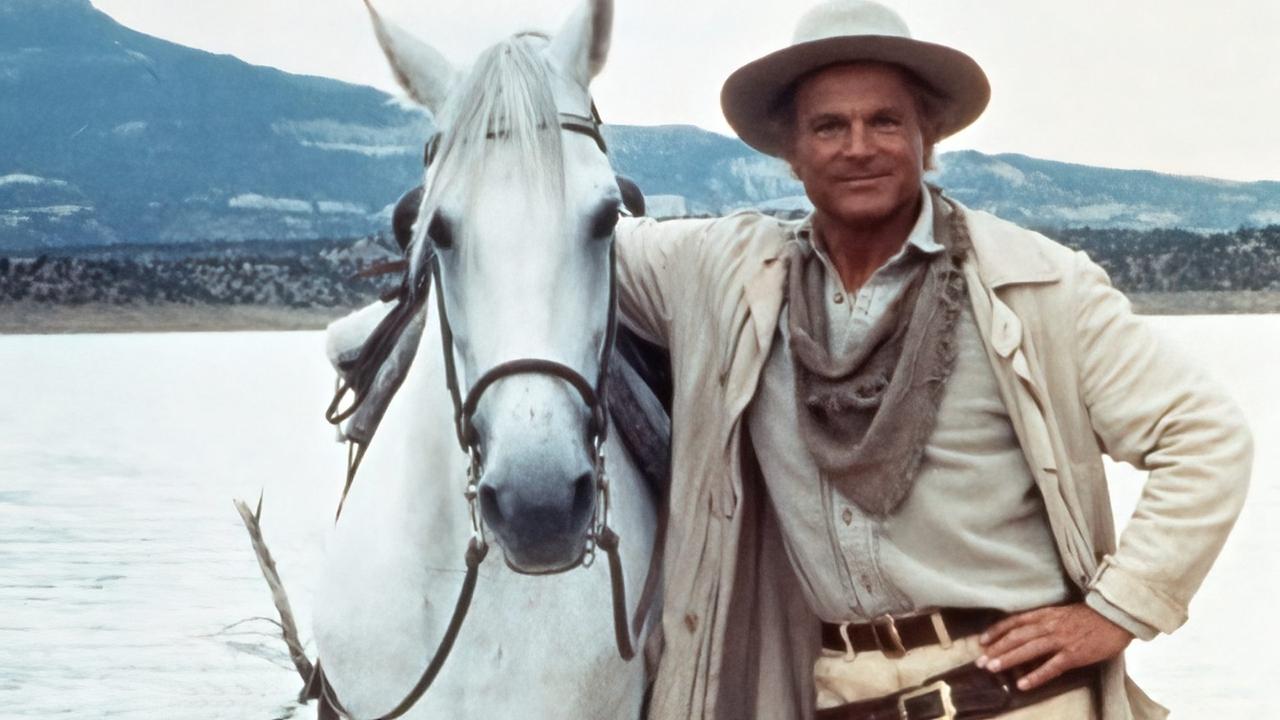
The immediate charm of Lucky Luke lies in its dedication to its source material, created by the brilliant Morris (with frequent writing partner René Goscinny of Asterix fame). This film tries to look like a comic book. The colours pop, the sets for Daisy Town feel deliberately clean and almost artificial, mirroring the clean lines of the original drawings. Watching it again on a decent screen, you appreciate the effort, even if it feels slightly stagey by today's standards. They even filmed key parts at locations like the Bonanza Creek Ranch in New Mexico, trying to capture that idealized Western backdrop. It’s a visual style that feels distinctly different from American Westerns of the era, aiming for faithful representation over dusty realism. Does it always work? Maybe not perfectly, but the commitment is endearing.
### The Man Who Shoots Faster Than His Shadow (and Directs)
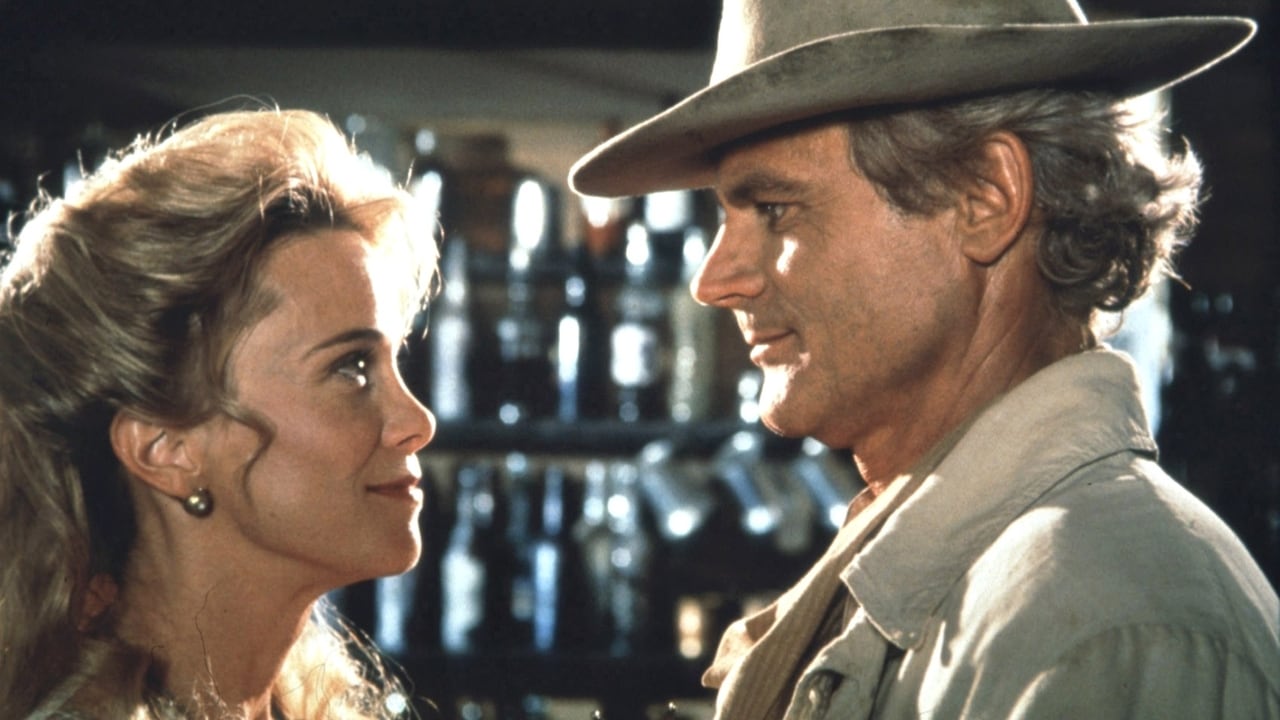
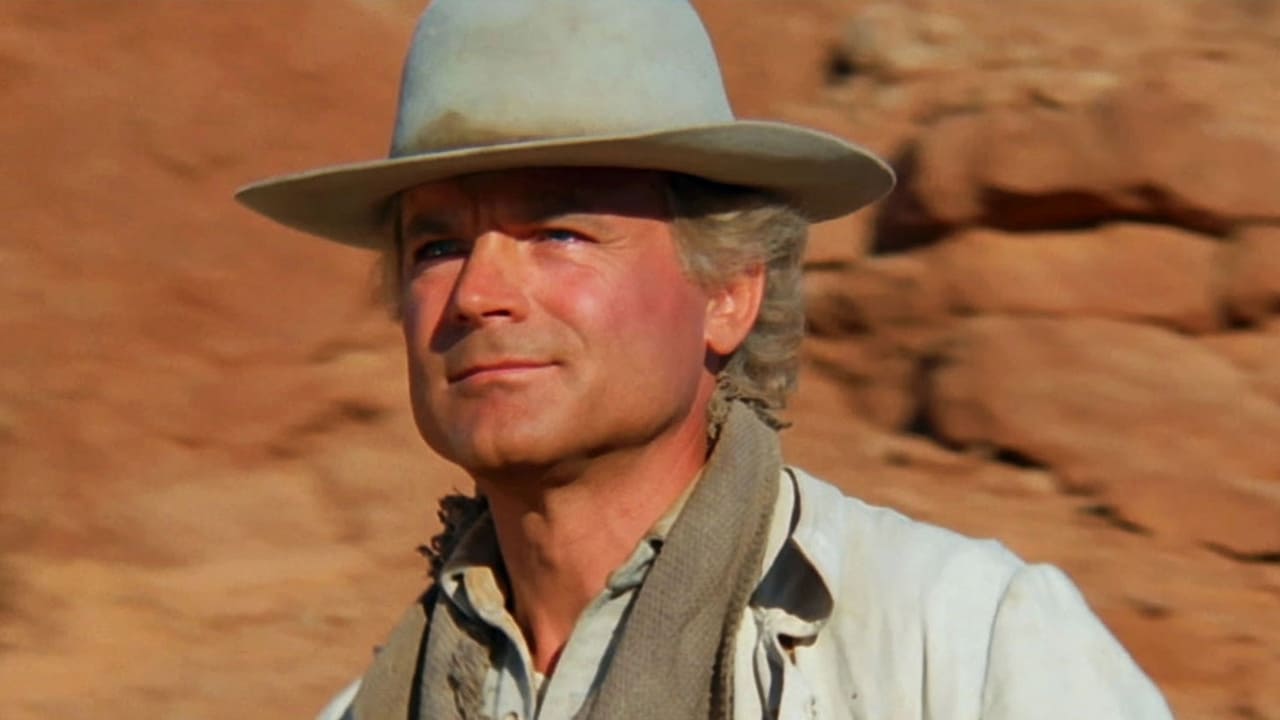
Terence Hill stepping back into cowboy boots felt natural. After all, his iconic turns with Bud Spencer in films like They Call Me Trinity (1970) had already cemented him as a king of comedic Westerns. Here, he embodies Luke – the laconic charm, the lightning-fast draw (always non-lethally disarming opponents, naturally), the easy confidence. What’s fascinating is that Hill also took the director’s chair, co-writing the script with his wife Lori Hill. It’s clearly a passion project. His direction maintains that light, almost whimsical tone established by the comics. There's a gentle rhythm to it, focusing on character moments and visual gags over intense conflict.
The "action," such as it is, replicates the comic's style. Forget Peckinpah-style slow-motion ballets of blood. Here, shootouts are about impossibly fast draws, ricochets doing comical things, and bad guys ending up trussed or humiliated rather than riddled with bullets. Remember how Luke could shoot the guns out of multiple hands seemingly simultaneously? The film recreates these moments with practical editing tricks and wire gags that felt perfectly acceptable, even clever, back on our fuzzy CRT screens. There’s a certain innocence to it compared to the often brutal efficiency of modern action choreography.
### Daisy Town and Its Denizens
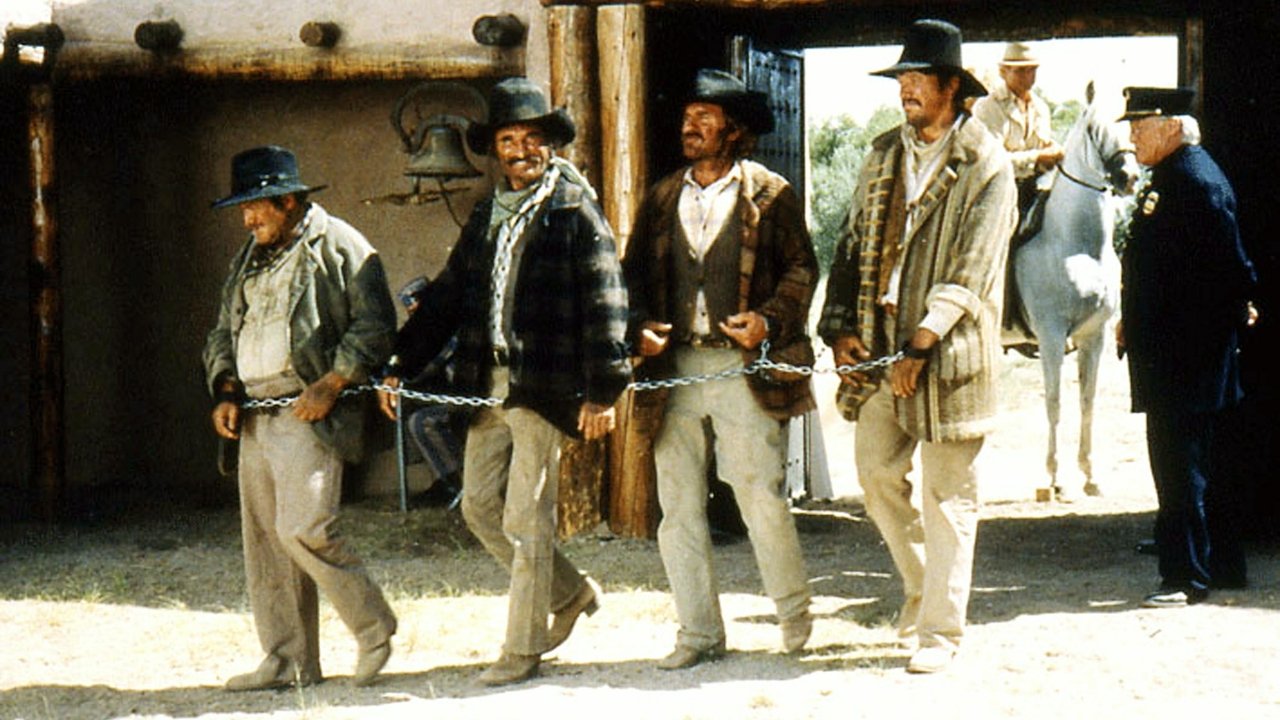
The plot loosely adapts the classic Daisy Town storyline, where Lucky Luke arrives to clean up a settlement terrorized by outlaws – in this case, the legendary, hilariously inept Dalton brothers (Joe, William, Jack, and Averell). Fritz Sperberg and the actors playing his brothers lean into the caricature, capturing the escalating stupidity from Joe's fiery temper down to Averell's dim-witted pronouncements. They’re less menacing villains and more walking punchlines, exactly as they should be.
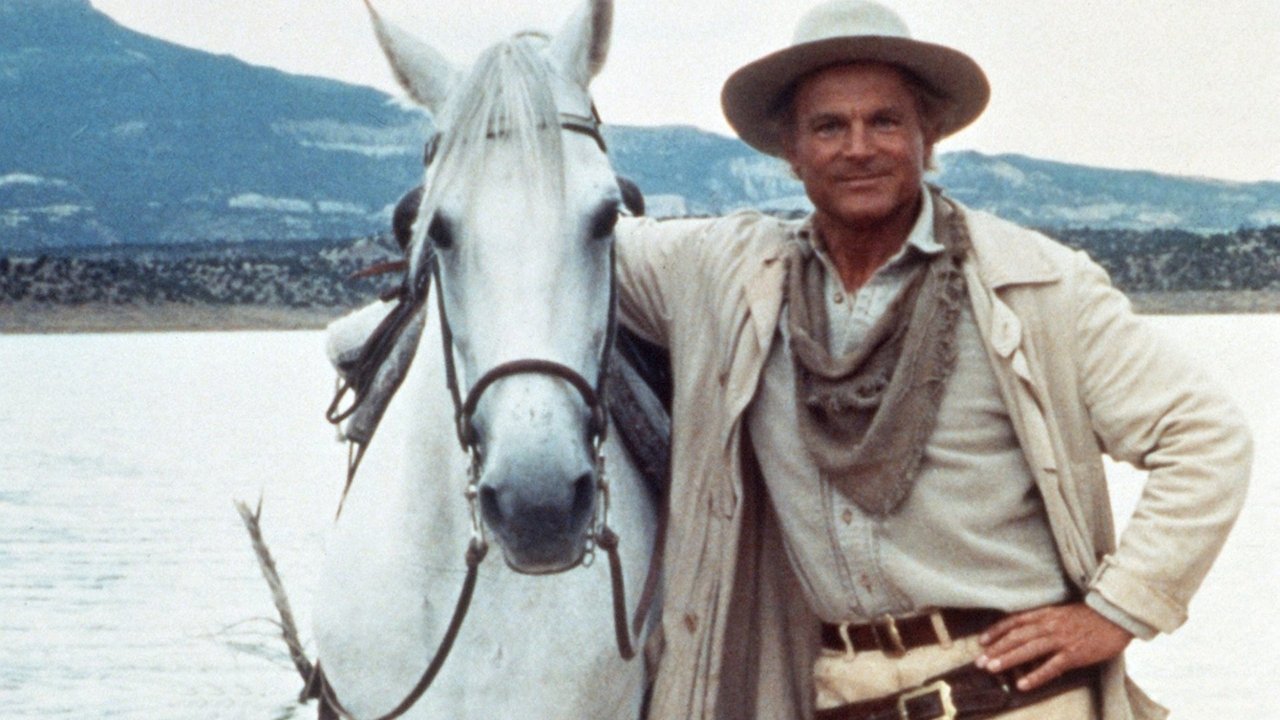
Nancy Morgan (who was married to John Ritter at the time) brings warmth and spirit to Lotta Legs, the Calamity Jane-esque saloon owner and Luke’s potential love interest. Her chemistry with Hill is sweet and provides a nice anchor amidst the surrounding silliness. And yes, Luke’s incredibly smart horse, Jolly Jumper, gets plenty of screen time, often seen seemingly reacting or commenting on the absurdity, achieved through clever editing and animal training – a far cry from today's CGI critters, but possessing its own distinct charm. You half expected him to actually talk, just like in the comics. One retro fun fact often missed is the film's budget – reportedly around $18 million, quite substantial for a European co-production aiming primarily for that market, showing the faith they had in the property.
### A Different Kind of Western Legacy
Lucky Luke wasn't a massive blockbuster in the States, where the comic character was far less known than in Europe. It found its audience more comfortably on home video and television overseas. In fact, its reception was positive enough that it directly led to a Lucky Luke television series, also starring Terence Hill, which ran for a season and further cemented his connection to the character. For many of us browsing the rental store aisles, it might have stood out as a quirky, family-friendly alternative to the harder-edged action flicks surrounding it. My own worn-out tape probably got more replays on rainy Saturday afternoons than some of the bigger action titles.
It’s not a film brimming with complex themes or groundbreaking cinematic techniques. Its humour is broad, its conflicts simple. But there's an undeniable sweetness and a genuine affection for the source material that shines through. Hill's direction is competent, aiming squarely at capturing the spirit of Morris and Goscinny's world.
VHS Heaven Rating: 6/10
Justification: The score reflects the film's success as a generally faithful and charming adaptation of a beloved comic, carried by Terence Hill's charisma both on and off-screen. It successfully translates the specific lighthearted, slightly surreal tone of the source material. Points are deducted for its occasionally dated feel, simplistic plot, and humour that might not land for everyone today. It's not high art, but it achieves its modest goals with a certain warmth.
Final Take: Lucky Luke is a delightful slice of early 90s Euro-western filmmaking – a brightly coloured, good-natured attempt to bring comic panels to life before "comic book movie" became a genre behemoth. It’s a charming time capsule, less about gritty realism and more about capturing the innocent fun of the fastest gun in the West. Worth digging out if you fancy a gentler trip back to the video store era.