Alright, fellow tapeheads, slide that well-loved copy of City Slickers out of its slightly-worn cardboard sleeve. Remember this one? Popping up in 1991, it felt like a breath of fresh, dusty, manure-tinged air amidst the usual action heroes and sci-fi epics dominating the rental shelves. It wasn't about explosions (well, not those kinds), but about something arguably more terrifying: the looming spectre of middle age. And man, did it hit the spot.

### From Mid-Life Crisis to Cattle Drive
The setup is pure, relatable gold: Mitch Robbins (Billy Crystal, fresh off the massive success of When Harry Met Sally...), is turning 39 and feeling the existential dread sink in. His job is soul-crushing, his family life feels… routine. His best buds, Phil (Daniel Stern, perfectly capturing post-divorce angst) and Ed (Bruno Kirby, radiating restless energy), aren't faring much better. Their solution? A fantasy cattle drive vacation in the Southwest. What could possibly go wrong?
It’s a classic fish-out-of-water scenario, penned by the legendary writing duo Lowell Ganz and Babaloo Mandel (who also gave us gems like Splash and Parenthood). They had a knack for blending genuine laughs with real heart, and City Slickers is arguably one ofinspired combination of real-life observation and comedic timing. Billy Crystal even drew heavily on his own anxieties about turning 40, which gives Mitch's plight that extra layer of authenticity.
### The Unlikely Cowboys
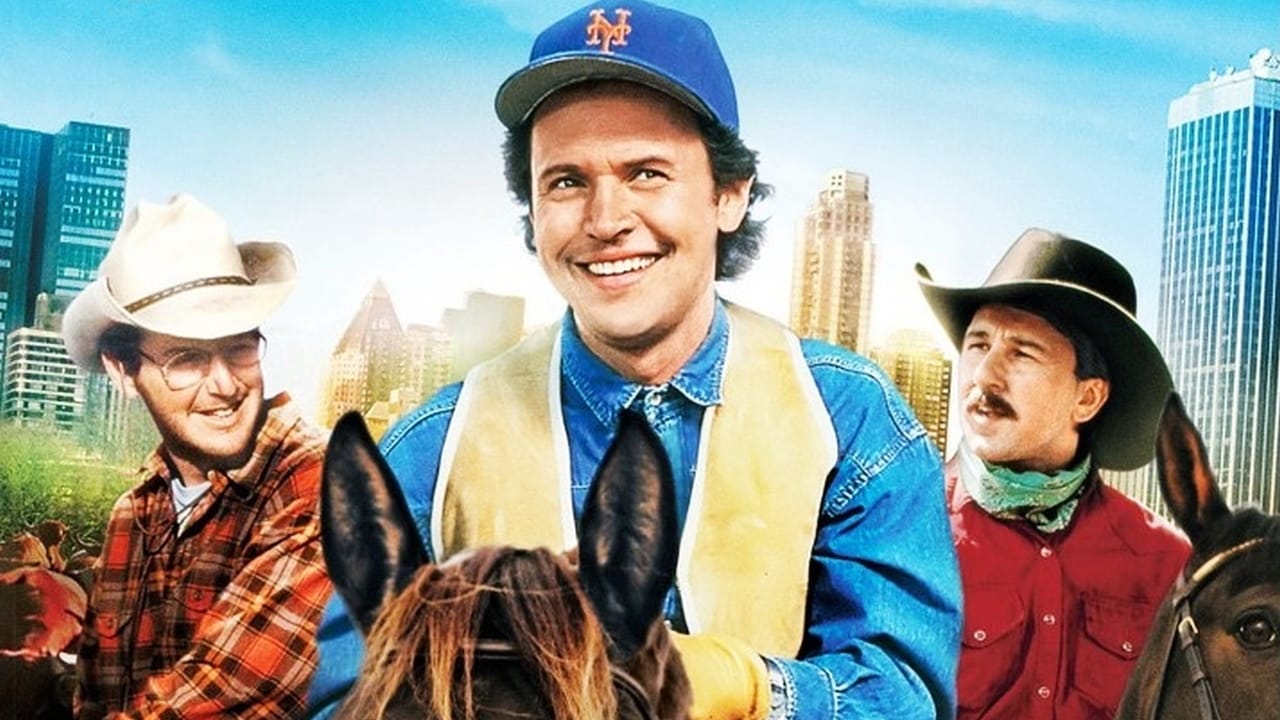
The chemistry between Crystal, Stern, and Kirby is the film's anchor. These guys feel like lifelong friends – the way they bust each other's chops, offer terrible advice, but ultimately have each other's backs. It’s a dynamic that feels earned, not just scripted. Fun fact: Crystal reportedly wanted Rick Moranis for the role of Phil Berquist initially, but after Moranis passed, the role went to Daniel Stern, solidifying a trio that just clicked. Their interactions, whether bickering over baseball or panicking during a stampede, feel incredibly natural and often hilarious.
But let's be honest, the moment Jack Palance strides onto screen as Curly, the trail boss tougher than saddle leather, the movie kicks into another gear entirely. Palance, a veteran actor whose career spanned decades, hadn't had a role this juicy in years. He commands every scene he’s in, his gravelly voice and intimidating presence creating an unforgettable character. Curly is wise, terrifying, and surprisingly funny, delivering philosophical nuggets wrapped in barbed wire. Remember his famous line about life’s “one thing”? It became an instant classic. Palance’s performance was so iconic it snagged him a well-deserved Best Supporting Actor Oscar – leading to that legendary one-handed push-up display at the ceremony. Talk about making an entrance!

### Grit, Dust, and Norman
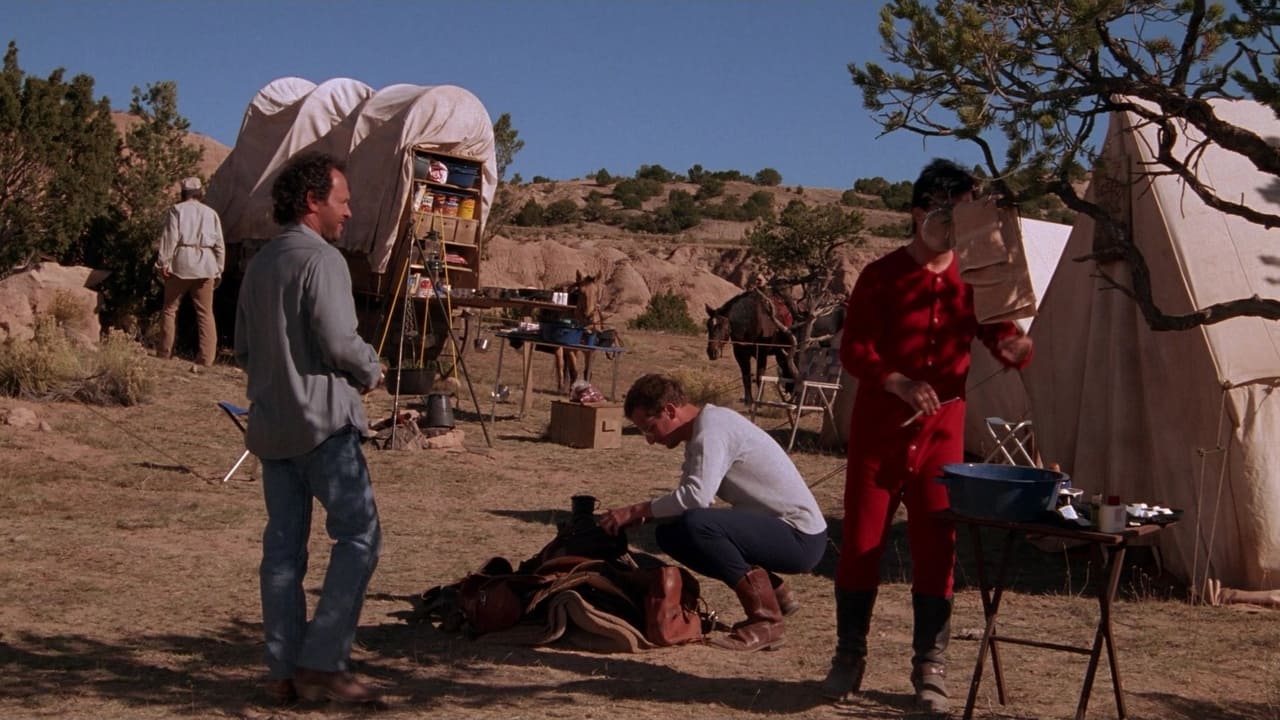
Director Ron Underwood, who had just proven his genre chops with the brilliant creature feature Tremors (1990), might have seemed an odd choice. But he handles the shift to comedy-drama deftly, balancing the laughs with moments of genuine peril and reflection. He lets the stunning landscapes of Colorado and New Mexico (with some scenes surprisingly filmed in Spain!) become a character in themselves.
And let's talk about the "practical effects" here – not explosions, but the real-deal cattle drive. Those sweeping shots of hundreds of cows moving across the plains? The actors genuinely learning (or attempting) to ride horses? The sudden, terrifying realism of the stampede sequence or the river crossing? That felt real back on our fuzzy CRT screens. There's a tangible quality to it – the dust, the sweat, the slightly panicked look on the actors' faces – that CGI struggles to replicate. And who could forget Norman, the adorable calf Mitch rescues and bonds with? Handling all those animals undoubtedly presented huge logistical challenges for the production, adding to the film's authentic, rugged feel. The film cost around $27 million but hoofed it to a massive $124 million domestically (that's roughly $275 million today!), proving audiences were hungry for this blend of comedy and heart.
### More Than Just Laughs
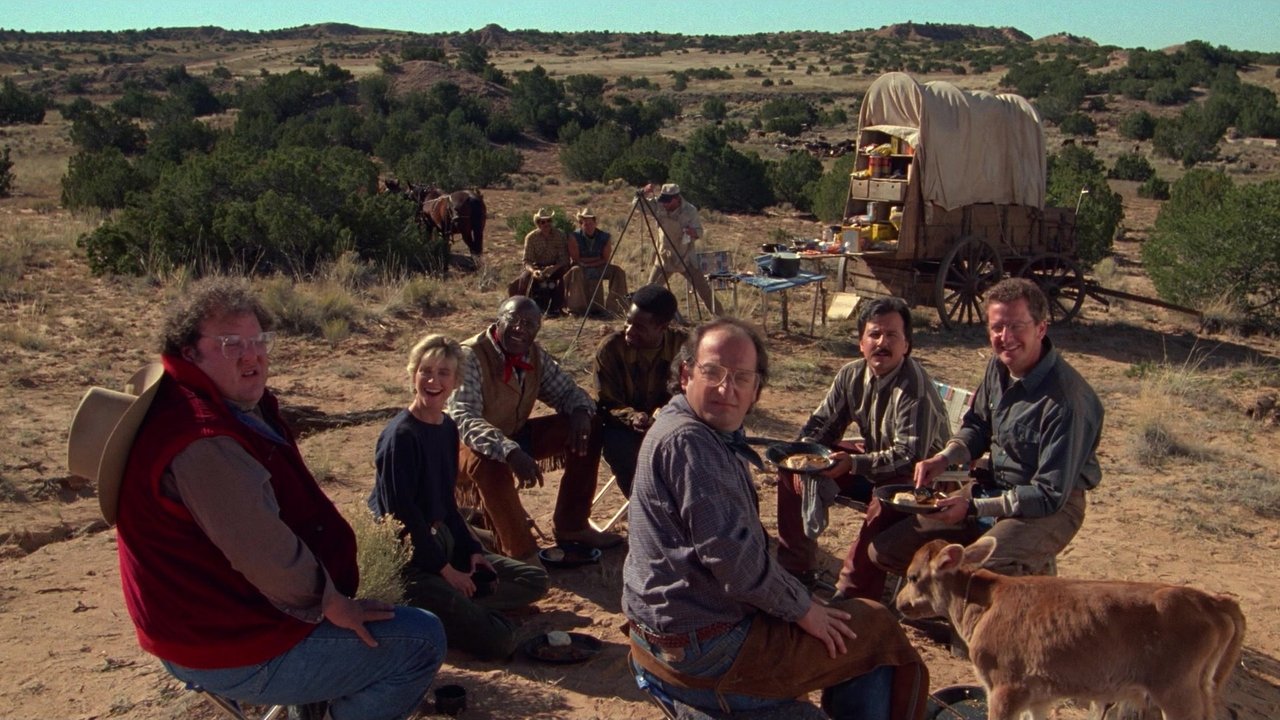
While City Slickers is undeniably funny, it resonates because it taps into something deeper. It’s about friendship, facing fears, and the search for meaning when life starts feeling predictable. Mitch's journey isn't just about learning to be a cowboy; it's about rediscovering himself. The campfire conversations, the shared vulnerability beneath the jokes – that’s what elevates it beyond a simple comedy. The score by Marc Shaiman perfectly complements this, swelling with adventurous spirit but also finding quieter notes for the moments of introspection.
The film struck a chord immediately, becoming a box office smash and a critical darling. It felt like a movie for adults, dealing with adult themes but wrapping them in an entertaining, accessible package. It spawned a less-memorable sequel (City Slickers II: The Legend of Curly's Gold), but the magic of the original remains potent.
Overall Rating: 9/10
Why the high score? Because City Slickers achieves that rare balance: it’s genuinely hilarious, surprisingly moving, and features career-best work from its cast, especially the legendary Jack Palance. The chemistry between the leads is electric, the writing sharp, and the direction captures both the grandeur of the West and the intimacy of personal discovery. It’s a film that understood the anxieties of a generation and offered a funny, heartfelt, and ultimately hopeful response.
Final Take: Forget finding gold, City Slickers found the heart of the modern male mid-life crisis and turned it into cinematic comfort food. It’s a VHS gem that still ropes you in with its perfect blend of laughter and soul-searching – a reminder that sometimes, you need to get lost to find your way. Still absolutely worth the rental fee (or, you know, the streaming click) today.