It arrives like a whisper that turns into a scream. You press play, the tracking adjusts, and the familiar hum of the VCR settles in. But One False Move (1991) isn't your typical early 90s crime thriller, the kind stacked high on the 'New Releases' shelf at Blockbuster. There's a weight to it, a current of dread beneath the surface that pulls you in deeper than you expect. It starts with shocking brutality in Los Angeles, but it’s the slow, tense journey towards a small Arkansas town – and the collision course it sets – that truly defines this remarkable film. What unfolds is less about the chase and more about the ghosts that haunt the pursuers and the pursued alike.
Heading South into Trouble
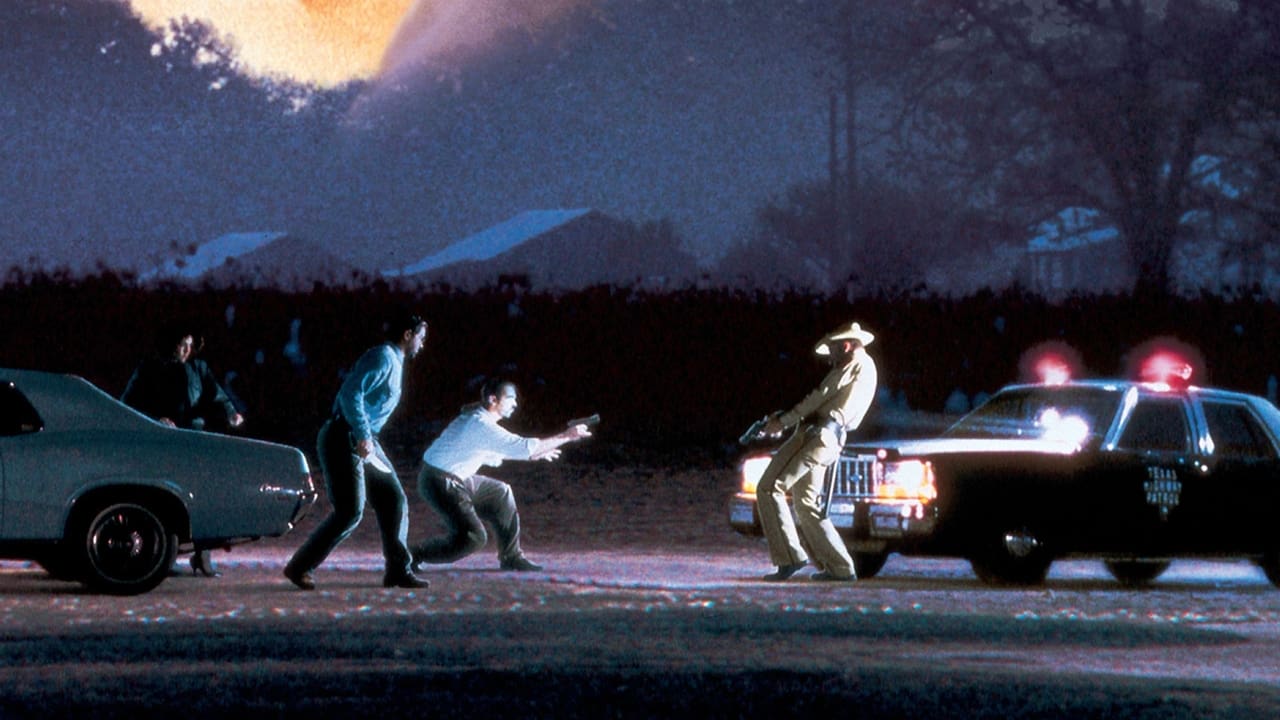
The setup is deceptively simple: a trio of criminals – the dangerously unpredictable Ray (Billy Bob Thornton, who also co-wrote the sharp script with Tom Epperson), the cold, intelligent Pluto (Michael Beach), and Ray's girlfriend Fantasia/Lila (Cynda Williams) – are fleeing LA after a violent drug score. Their destination is Star City, Arkansas, Lila's hometown. Waiting for them, almost vibrating with nervous excitement, is the town's folksy Sheriff, Dale 'Hurricane' Dixon (Bill Paxton). He sees this as his big break, a chance to finally play with the big city cops arriving from LA to intercept the fugitives. But like everything in this film, Dale's eagerness masks something deeper, something more complicated.
Beyond the Badge and the Gun
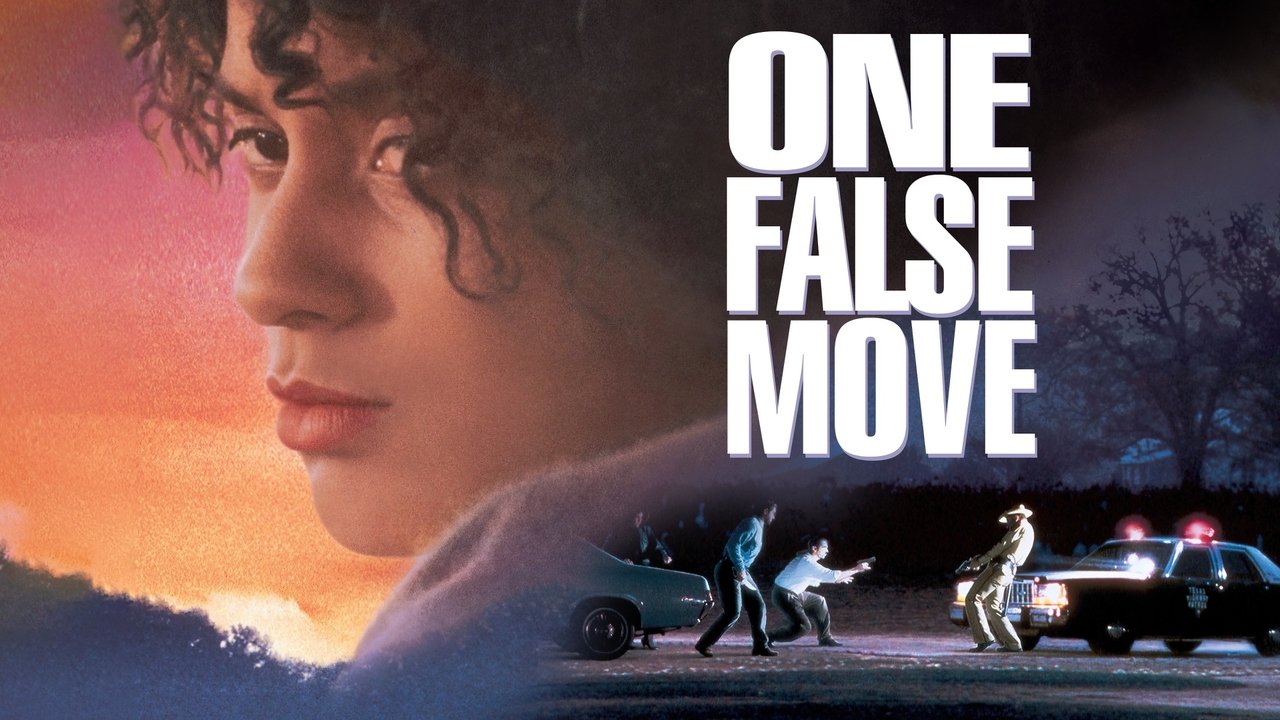
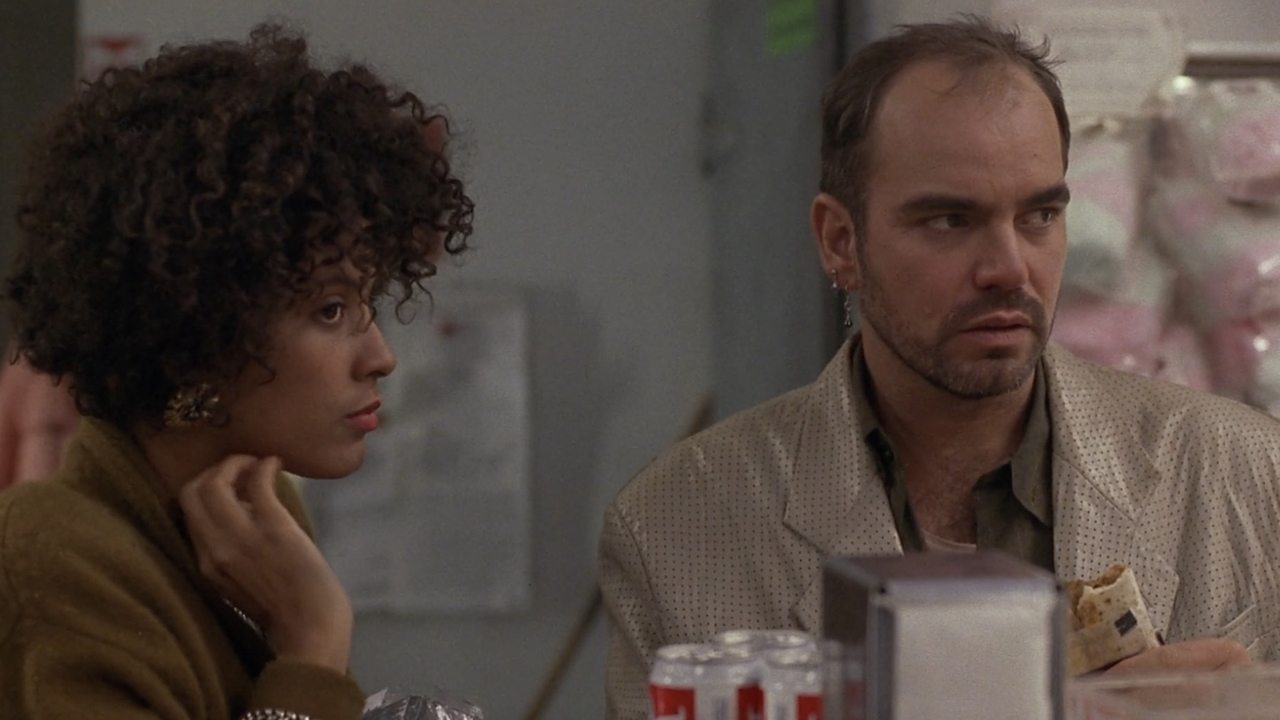
What elevates One False Move beyond genre trappings is its profound interest in character. Billy Bob Thornton, years before Sling Blade (1996) made him a household name, is absolutely terrifying as Ray. It's not just the sudden violence, but the casual cruelty, the unsettling emptiness behind his eyes. He’s a force of nature, but a deeply damaged one. Michael Beach as Pluto offers a chilling counterpoint – calculating, observant, perhaps even more dangerous for his quiet intensity.
But it's arguably Cynda Williams, in her feature debut, who carries the film's complex emotional core. Her Fantasia/Lila is trapped – between Ray's menace, Pluto's control, her desperate love for her hidden child, and the past she fled in Star City. Williams navigates these treacherous waters with incredible nuance, showing flickers of vulnerability beneath a hardened exterior. You see the weight of her choices, the suffocating inevitability of her situation. It's a performance that resonates with painful authenticity.
And then there's Bill Paxton. Oh, Dale 'Hurricane' Dixon. Paxton, an actor we loved for his boundless energy in films like Aliens (1986) and Twister (1996), delivers arguably his finest, most layered performance here. Dale is initially presented as almost a caricature – loud, back-slapping, eager to impress. He calls his wife "hon," peppers his speech with good-ol'-boyisms, and seems utterly unprepared for the darkness heading his way. Yet, as the film unfolds, Paxton peels back those layers, revealing Dale's insecurities, his hidden regrets, and a surprising capacity for insight and courage. His interactions with the visiting LAPD detectives, particularly the quiet, watchful Dudley (Earl Billings), subtly expose the casual racism and ingrained assumptions Dale has likely never confronted. It's a masterful portrait of a man forced to reckon with himself and the world beyond his small-town bubble.

Craftsmanship on a Shoestring
Director Carl Franklin, who had primarily worked as an actor before stepping behind the camera, directs with astonishing confidence and control. This was his second feature, made for a reported $2.5 million – peanuts even back then. You'd never know it. Franklin builds tension not through frantic editing or flashy camera moves, but through patience, atmosphere, and a laser focus on his actors. The violence, when it comes, is sudden, brutal, and ugly – never stylized or gratuitous. It serves the story, highlighting the terrible consequences of the criminals' actions and the stakes for everyone involved. Franklin masterfully uses the contrast between the harsh, sun-bleached streets of LA and the deceptively tranquil, humid landscapes of rural Arkansas.
It's fascinating to think this film almost went straight to video. Thankfully, rave reviews from critics, particularly a passionate championing by Gene Siskel (who named it his best film of 1992) and Roger Ebert, earned it a theatrical release and the recognition it deserved. It’s a testament to the power of a gripping story, complex characters, and assured direction, proving that a compelling film doesn’t need a blockbuster budget. Thornton and Epperson, drawing on their own Arkansas roots, infused the script with a sense of place and authenticity that grounds the noir elements in a specific, tangible reality.
The Echoes Remain
What stays with you after One False Move fades to black? It's the faces, etched with fear, desperation, and dawning self-awareness. It's the oppressive sense that the past is never truly buried, that violence leaves indelible scars. It’s the quiet power of Paxton’s transformation and the tragic weight of Williams’ predicament. Does confronting darkness inevitably change us, or does it simply reveal who we always were? The film doesn't offer easy answers, letting the moral complexities linger long after the credits roll. It’s a potent reminder that some of the most powerful stories from the VHS era weren't the loudest or the flashiest, but the ones that dared to look closely at the human heart under pressure.
Rating: 9/10
This score reflects the film's exceptional character depth, taut direction, outstanding performances (especially from Paxton and Williams), and its intelligent, unvarnished take on crime and consequences. It overcomes its modest budget with sheer craft and emotional power, standing as a high-water mark for early 90s neo-noir.
One False Move wasn't just another tape on the shelf; it was a discovery – a stark, intelligent, and deeply human thriller that still hits hard today.