They say the eyes are the window to the soul, but what if the entire house is rebuilt? Does the inhabitant change, or merely lurk behind a newer, more pleasing facade? That’s the chilling question coiled at the heart of Walter Hill’s grimy 1989 neo-noir, Johnny Handsome. Forget the slick sheen that coated much of late-80s cinema; this film drags you down to the humid, unforgiving streets of New Orleans, wraps you in shadow, and forces you to confront the ugliness that changing a face can never truly erase.
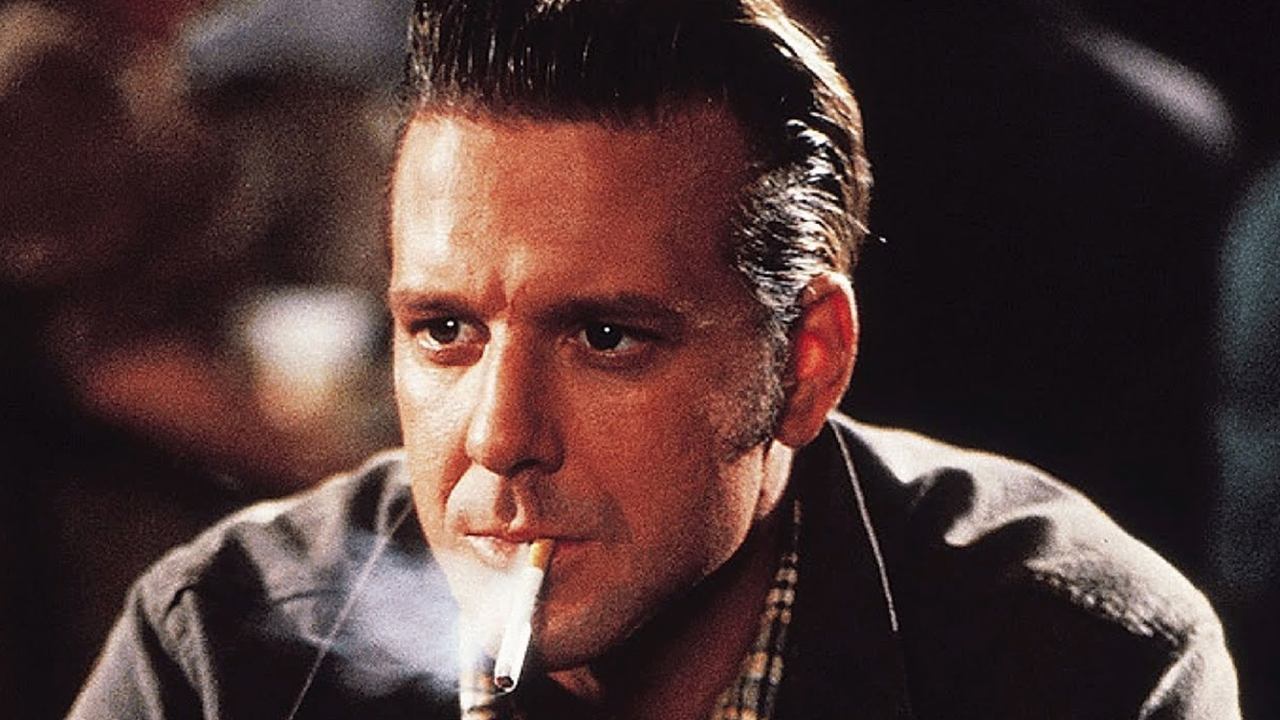
A Face Only a Mother Could… Maybe Not
We're thrown headfirst into the muck with John Sedley (Mickey Rourke), a small-time hood cursed with a severe facial deformity that earns him the cruel moniker "Johnny Handsome." His existence is one of mockery and marginalization, culminating in a botched jewel heist orchestrated by the ruthlessly venal Sunny Boyd (Ellen Barkin) and her partner Rafe (Lance Henriksen). Left for dead and his only friend murdered, Johnny lands in prison, a place where his disfigurement makes him an even bigger target. It’s here that the film takes its Faustian turn: a compassionate surgeon, Dr. Resher (Forest Whitaker), offers Johnny a radical chance – experimental surgery to give him a completely new, conventionally handsome face, coupled with parole. The catch? He must leave his criminal past behind. But can he? Can anyone?
Rourke Under the Latex
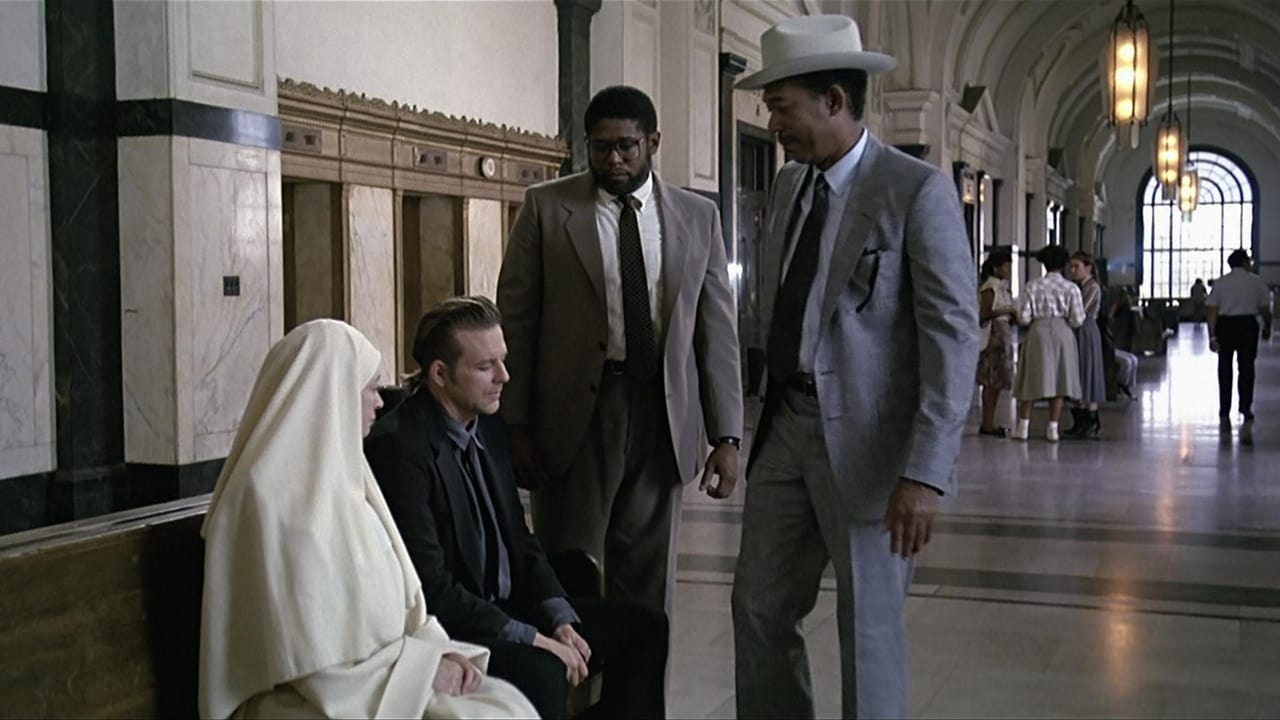
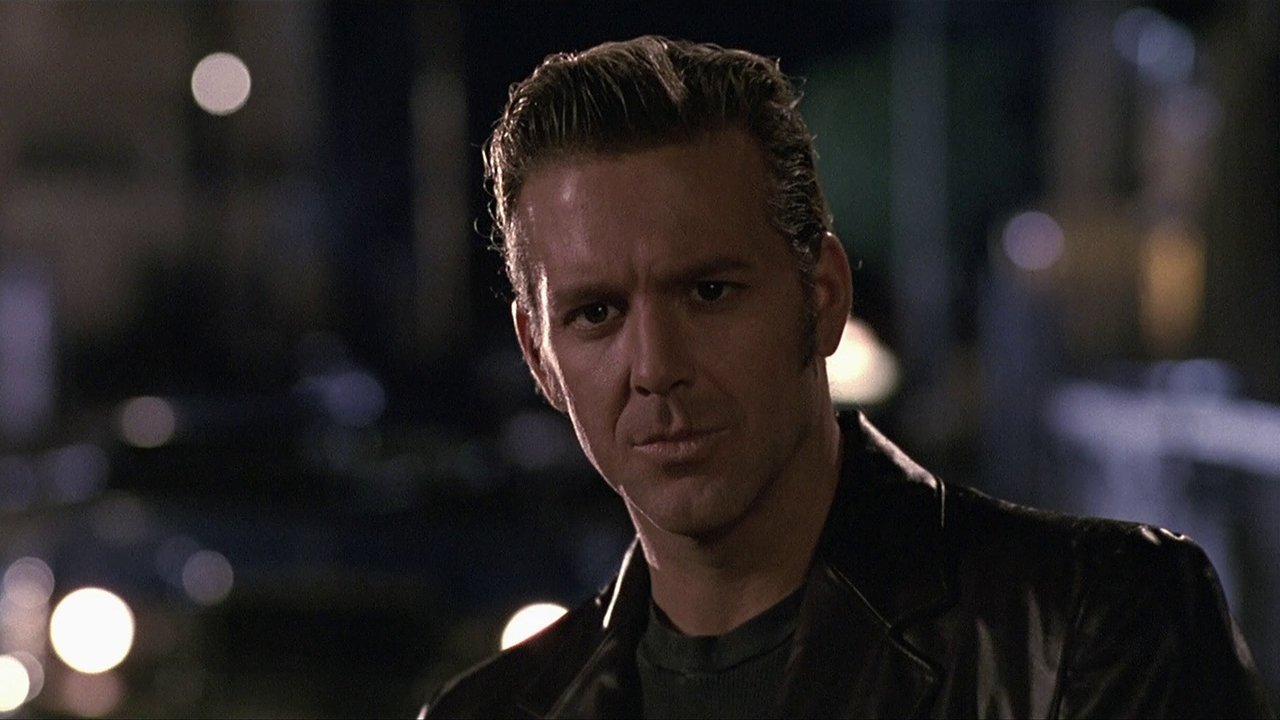
This film lives or dies on the central performance, and Mickey Rourke, then still radiating that unique blend of vulnerability and coiled danger, fully commits. The initial makeup, depicting Johnny's severe craniofacial disfigurement, is genuinely unsettling. It's not just cosmetic; it informs his posture, his muffled speech, his entire being. Reportedly, Rourke found the extensive prosthetics arduous, a daily trial that likely fed into the character's simmering resentment. It’s a testament to the effects team of the era that, even viewed now on a flatscreen instead of a fuzzy CRT, the initial look retains a disturbing power. Post-surgery, Rourke transforms into a smooth, almost generic handsome man, but the haunted look in his eyes never quite vanishes. He’s playing a man wearing a mask, both literally and figuratively, and the tension comes from waiting for the old Johnny to inevitably tear through the new skin.
Hill’s Concrete Jungle
Director Walter Hill, a master of lean, muscular filmmaking known for classics like The Warriors (1979) and 48 Hrs. (1982), paints New Orleans not as a tourist playground, but as a decaying labyrinth of rain-slicked streets, dive bars, and industrial decay. His style is stripped-down, favoring atmosphere and action over exposition. The influence of classic film noir is palpable – the cynical detective (a wonderfully world-weary Morgan Freeman as Lt. Drones, who knows Johnny hasn't changed), the treacherous femme fatale, the protagonist caught in a web of fate. Ry Cooder's slide-guitar score is the perfect accompaniment, dripping with bluesy melancholy and menace, amplifying the sense of impending doom that hangs heavy over every frame. This isn't just a crime story; it’s a mood piece steeped in existential dread.
Sinister Support and Faint Hope
While Rourke carries the weight, the supporting cast is stellar. Ellen Barkin absolutely crackles as Sunny Boyd; she’s pure venom poured into tight leather, a magnetic vortex of greed and betrayal. She’s genuinely frightening, arguably one of the decade's more underrated screen villains. Opposite her, Elizabeth McGovern provides the film's fragile glimmer of hope as Donna McCarty, a straight-arrow woman who falls for the "new" Johnny, unaware of the darkness he’s desperately trying to suppress (or perhaps harness for revenge). Their dynamic forms the film's moral axis: the seductive pull of the past versus the possibility, however slim, of redemption.
Retro Fun Facts & Bleak Destinies
Johnny Handsome, based on a novel by John Godey (who also penned the source material for the classic The Taking of Pelham One Two Three), didn't exactly set the box office alight back in '89. It landed with a bit of a thud, grossing just over $7 million against a fairly hefty $20 million budget. Perhaps its relentless bleakness and refusal to offer easy answers proved too much for mainstream audiences seeking lighter fare. It’s a shame, as there’s real craft here. Interestingly, Al Pacino was considered for the lead role early in development, which certainly would have resulted in a different film altogether. The film's tagline, "They gave him a new face... but not a new life," perfectly encapsulates its fatalistic core. Watching it again now, that sense of inevitability feels less like a plot flaw and more like the point. Some scars, it suggests, run deeper than bone.
Does the practical makeup hold up perfectly? Maybe not by today's seamless digital standards, but its tangible, grotesque quality felt incredibly real on those flickering VHS viewings late at night, didn't it? There's an undeniable power to its physical presence that CGI often lacks.
Final Verdict
Johnny Handsome is a quintessential late-night VHS discovery – dark, moody, violent, and anchored by a committed Rourke performance and Hill's typically taut direction. It’s a potent slice of neo-noir that explores identity and vengeance with grim determination. While perhaps too bleak and maybe a touch predictable in its tragic trajectory for some, its atmosphere is thick enough to cut with a knife, and Barkin's villainy is unforgettable. It might not have been a hit, but it's a film that lingers, like the damp Louisiana air, long after the credits roll.
Rating: 7/10
Justification: Gains points for its thick atmosphere, strong direction, Rourke's committed performance (especially under the makeup), and Barkin's chilling villain. Loses a few for a somewhat predictable plot trajectory and a bleakness that, while effective, limits its broader appeal and might feel overly deterministic.
Final Thought: A potent reminder from the VHS racks that true transformation is more than skin deep, and sometimes, the beast within just needs a prettier cage.