Some films imprint themselves not just on your memory, but on your retinas. Pedro Almodóvar's 1988 masterpiece, Women on the Verge of a Nervous Breakdown (original title: Mujeres al borde de un ataque de nervios), is precisely that kind of film – an explosion of primary colours, heightened emotions, and frantic energy that felt like discovering a hidden, vibrant world tucked away in the 'Foreign Films' section of the video store back in the day. It arrived like a visitor from another planet amidst the usual Hollywood blockbusters, crackling with a kind of stylish chaos that felt both utterly specific to its Madrid setting and universally relatable in its depiction of romantic catastrophe.
A Technicolor Tizzy
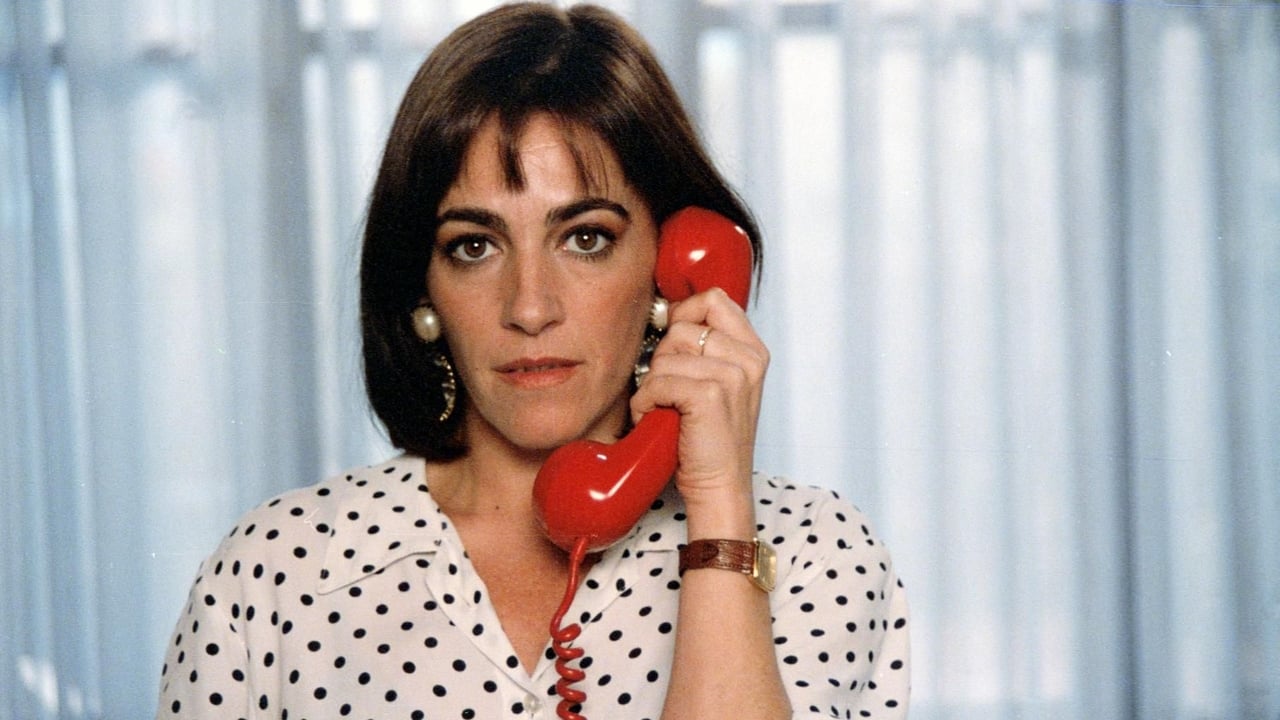
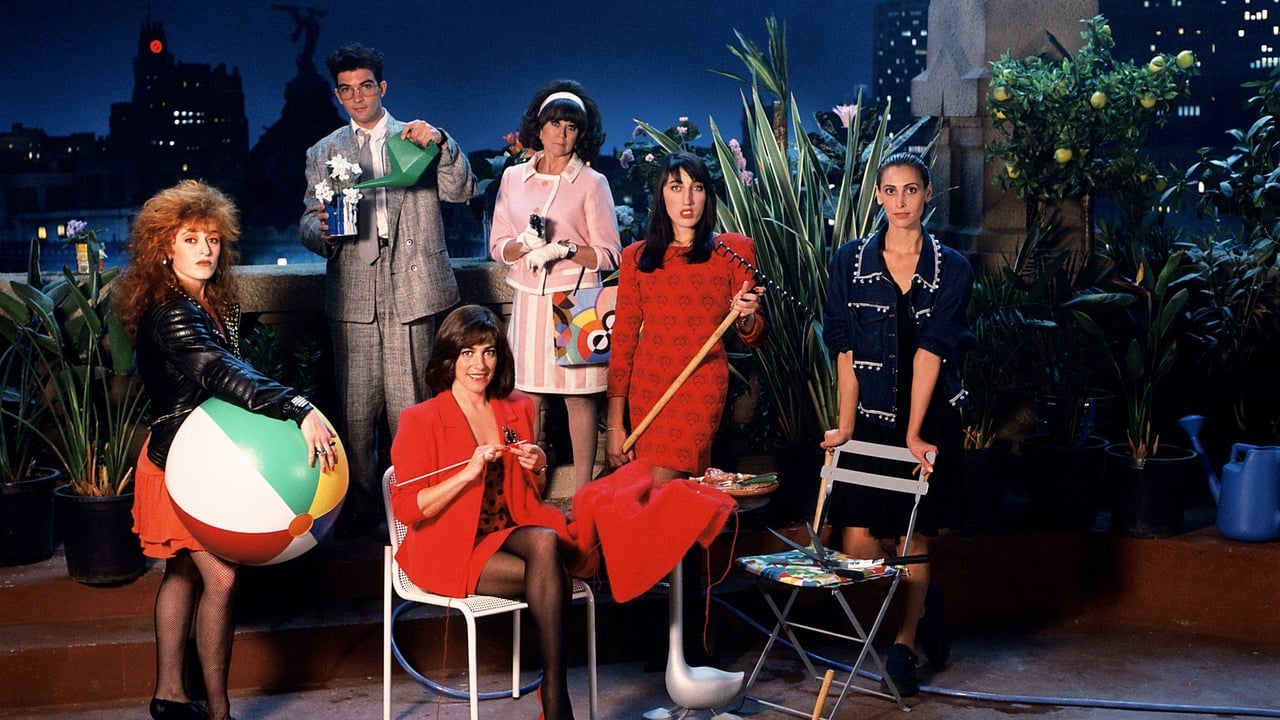
The premise sounds simple, almost like a stage farce: Pepa Marcos (Carmen Maura), a voice-over actress, is abruptly dumped via answering machine message by her lover, Iván. Her subsequent attempts to track him down, retrieve her belongings, and simply understand why spiral into an escalating series of encounters involving Iván's clinically unstable ex-wife, his bewildered son Carlos (Antonio Banderas, in one of his early, charmingly earnest roles for Almodóvar), Carlos's snooty fiancée Marisa (Rossy de Palma), Pepa's best friend Candela (Julieta Serrano) who fears her Shiite terrorist boyfriend is about to hijack a plane, and a feminist lawyer who complicates everything further. The setting? Primarily Pepa's stunningly designed penthouse apartment, overlooking Madrid – a pressure cooker where all these volatile elements collide.
Pepa's Pain, Our Pleasure
At the heart of this whirlwind is Carmen Maura's unforgettable performance as Pepa. She's not merely hysterical; she’s navigating a minefield of betrayal and abandonment with a desperate, often hilarious, grace. Maura embodies the film's delicate tightrope walk between high melodrama and screwball comedy. Her expressive face registers every micro-emotion, from burning fury (literally, setting the bed ablaze) to bewildered vulnerability. It's a performance of incredible range and physical commitment – think of her frantic attempts to simply get Iván on the phone, a universal symbol of romantic purgatory rendered here with operatic intensity. It’s poignant to remember that this film marked the peak, and temporary end, of the fruitful collaboration between Maura and Almodóvar; they wouldn’t work together again for nearly two decades (until 2006's Volver), lending a certain bittersweet resonance to her portrayal of profound connection and subsequent separation.
The Almodóvar Aesthetic in Full Bloom
This film solidified Pedro Almodóvar's international reputation, earning him his first Academy Award nomination for Best Foreign Language Film. And watching it again now, it's easy to see why. His directorial hand is confident, playful, and utterly distinct. The bold, almost hyperreal colour palette – those reds, blues, and yellows saturating the sets and costumes – isn't just decorative; it reflects the characters' heightened emotional states, turning their inner turmoil outward. Almodóvar masterfully blends genres, borrowing from Hollywood melodramas (Douglas Sirk comes to mind), Hitchcockian suspense (the spiked gazpacho sequence is a masterclass in building comic tension), and classic screwball comedy, yet creating something entirely his own.
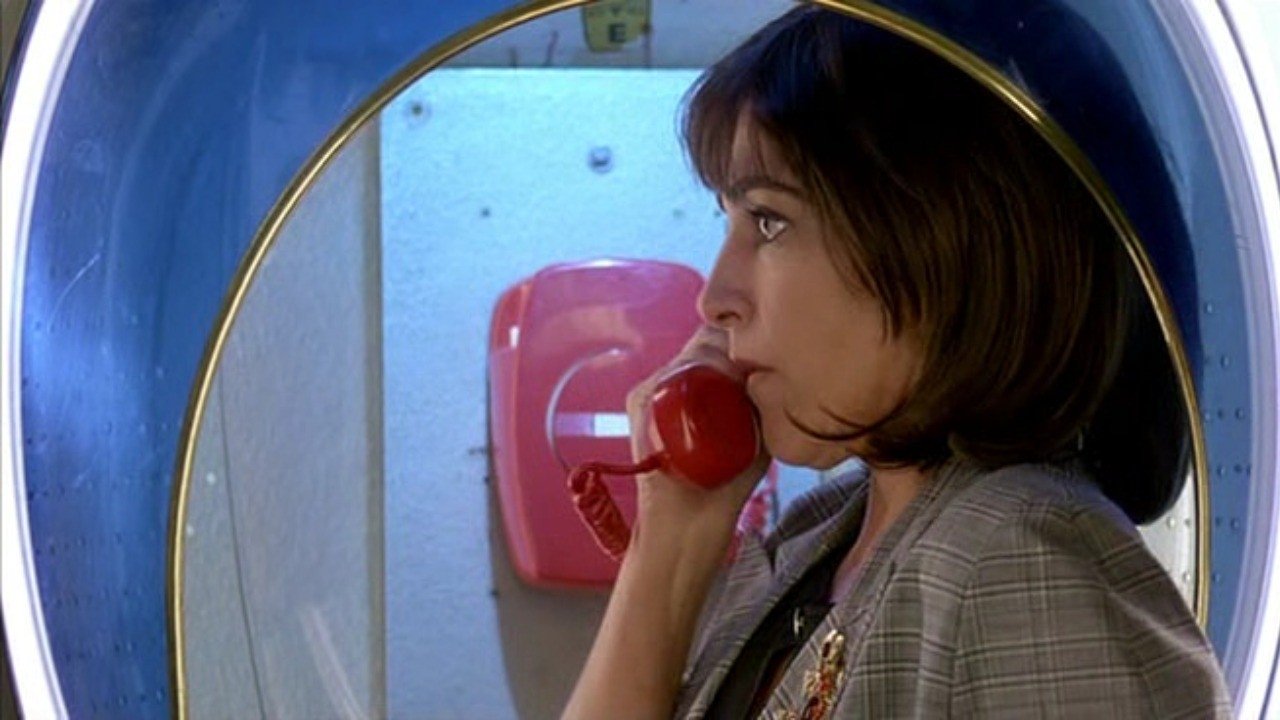

The film is also a vibrant snapshot of the Movida Madrileña, the countercultural movement flourishing in Spain after the death of Franco. There's a sense of liberation, of newfound freedom and expression, that permeates the film's energy, even amidst the characters' personal crises. Filming largely on location in Madrid adds an authentic pulse. Almodóvar famously wrote the script quickly, channeling inspiration from Jean Cocteau's monologue play The Human Voice (about a woman's final phone call with her lover), but expanding it into this complex, multi-character tapestry. It reportedly cost around $1.5 million to make – a modest sum even then – but became a colossal hit, proving the global appetite for Almodóvar's unique vision.
More Than Just a Farce
Beneath the frantic pacing and witty dialogue (often delivered at machine-gun speed), the film explores themes of female resilience, solidarity (however chaotic), and the absurdity of modern relationships. These women might be "on the verge," but they are never truly victims. They scheme, they support each other (often inadvertently adding to the chaos), they cry, they laugh, and ultimately, they endure. The supporting cast is uniformly excellent, each adding their own particular flavour of neurosis to the mix. Julieta Serrano as the perpetually panicked Candela is a standout, her wide-eyed terror providing some of the film's biggest laughs. And who could forget the iconic Mambo Taxi sequence? Pure, unadulterated Almodóvar joy.
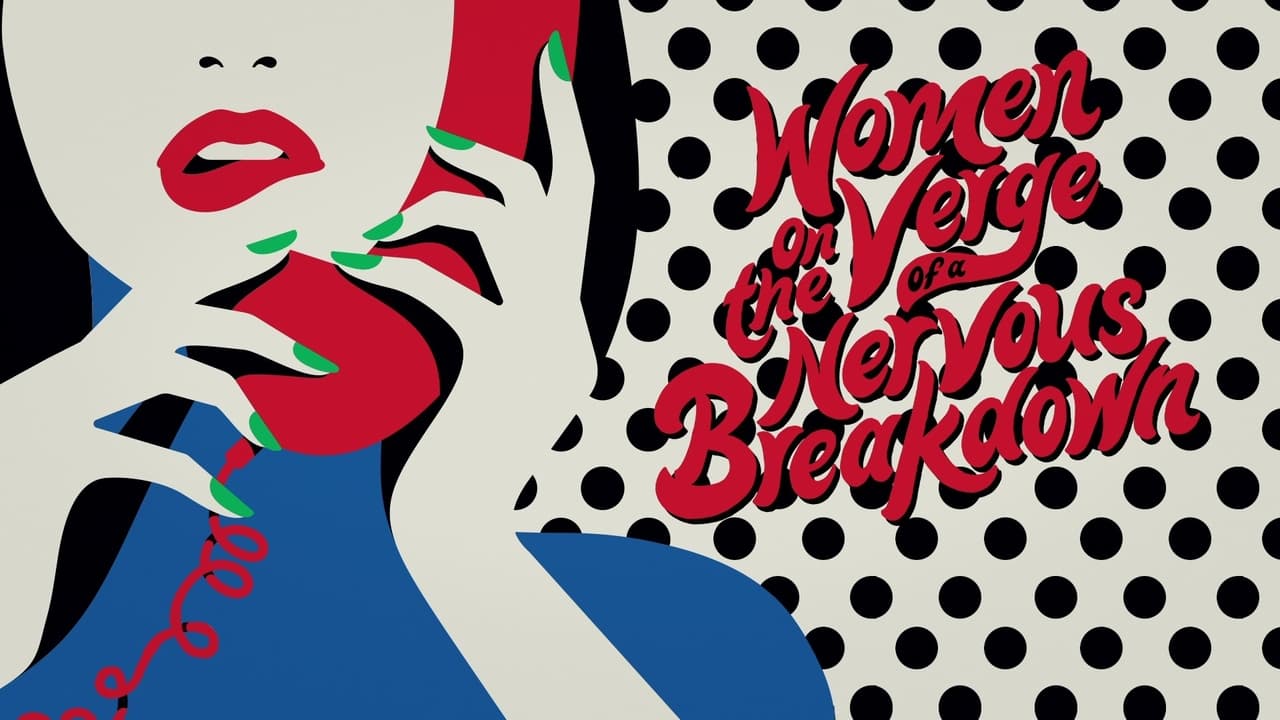
Rediscovering Women on the Verge on VHS felt like finding a rare bird of paradise. It didn't look or sound like anything else on the shelves. The vibrant cover art hinted at something special, and the film delivered – a sophisticated, funny, and surprisingly moving exploration of heartbreak that still feels fresh and inventive today. It asks us, perhaps, how we navigate the messy intersections of love, loss, and modern life. Do we retreat, or do we, like Pepa, face the chaos head-on, perhaps with a pitcher of specially prepared gazpacho?
Rating: 9/10
This rating reflects the film's near-perfect execution of its unique vision. The flawless ensemble cast led by a career-defining performance from Carmen Maura, Almodóvar's masterful direction blending comedy and pathos, the stunning visual design, and the sheer infectious energy make it a standout. It only falls short of a perfect 10 perhaps because the sheer density of the plot can feel slightly overwhelming on first viewing, though its intricate construction reveals itself beautifully on repeats.
Women on the Verge of a Nervous Breakdown remains a vibrant, exhilarating cinematic experience – a testament to the power of style, the resilience of the human (and particularly female) spirit, and the unique genius of Pedro Almodóvar at the height of his early powers. It’s a film that reminds you how exhilaratingly unpredictable life, and cinema, can be.