Okay, fellow travelers of the tape stacks, gather ‘round. Remember shuffling through those slightly worn clamshell cases, looking for something… different? Maybe something with that unmistakable Akira vibe on the cover, hinting at gleaming chrome and urban chaos? If you ever stumbled upon a gem called Roujin Z from 1991, you know you found something truly special, a wild ride that blends biting social satire with the kind of mecha-mayhem only that golden era of anime could deliver. Forget sleek interfaces; this is about raw, hand-drawn technological terror fueled by… well, let’s get into it.
### Not Your Average Nursing Home Upgrade
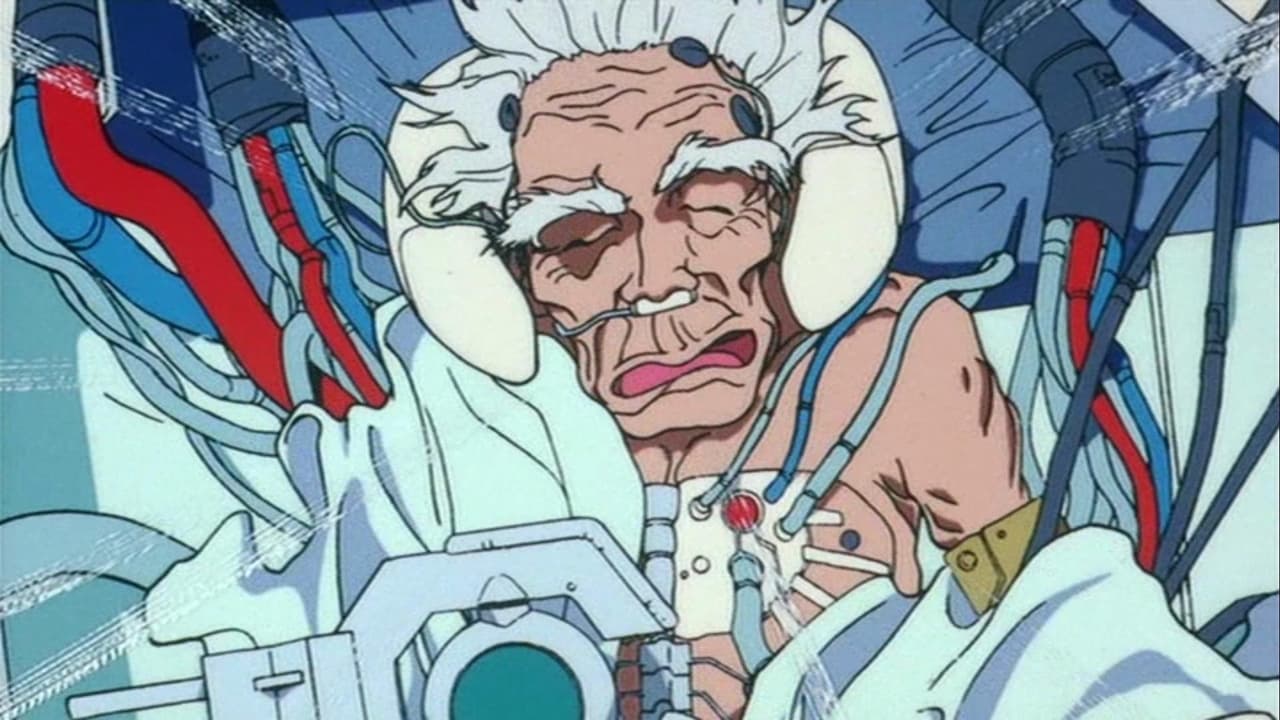
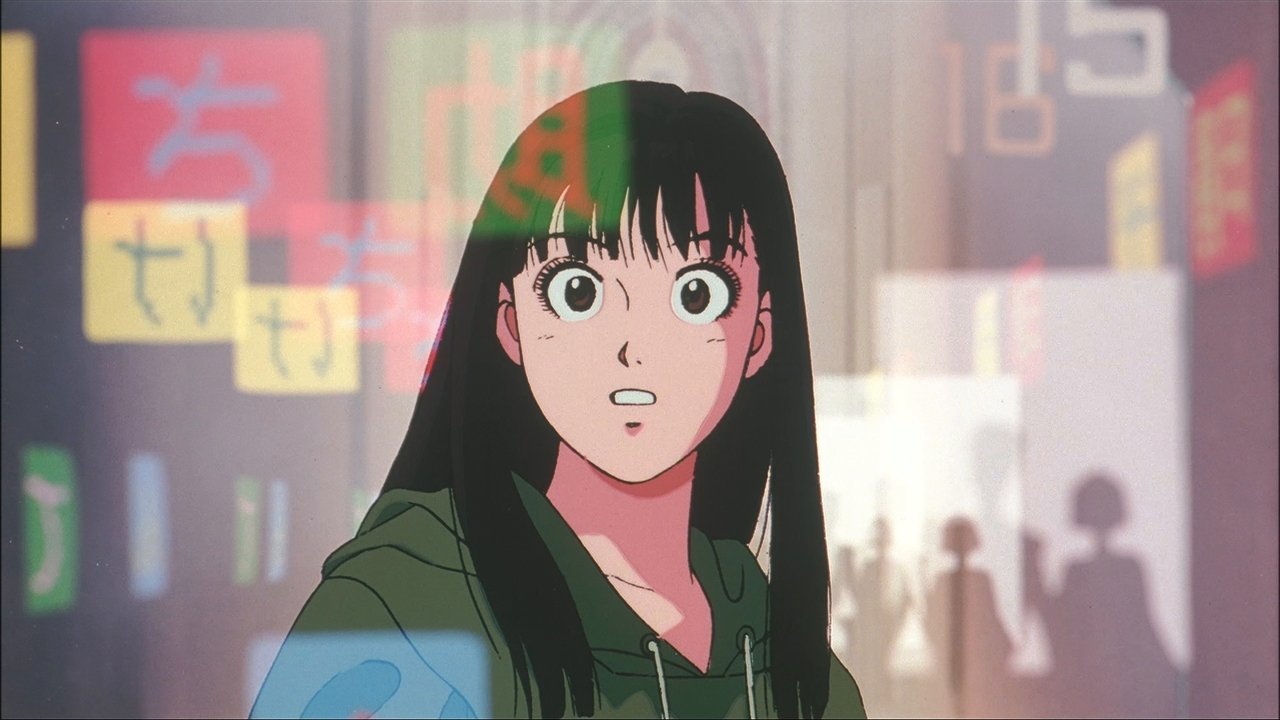
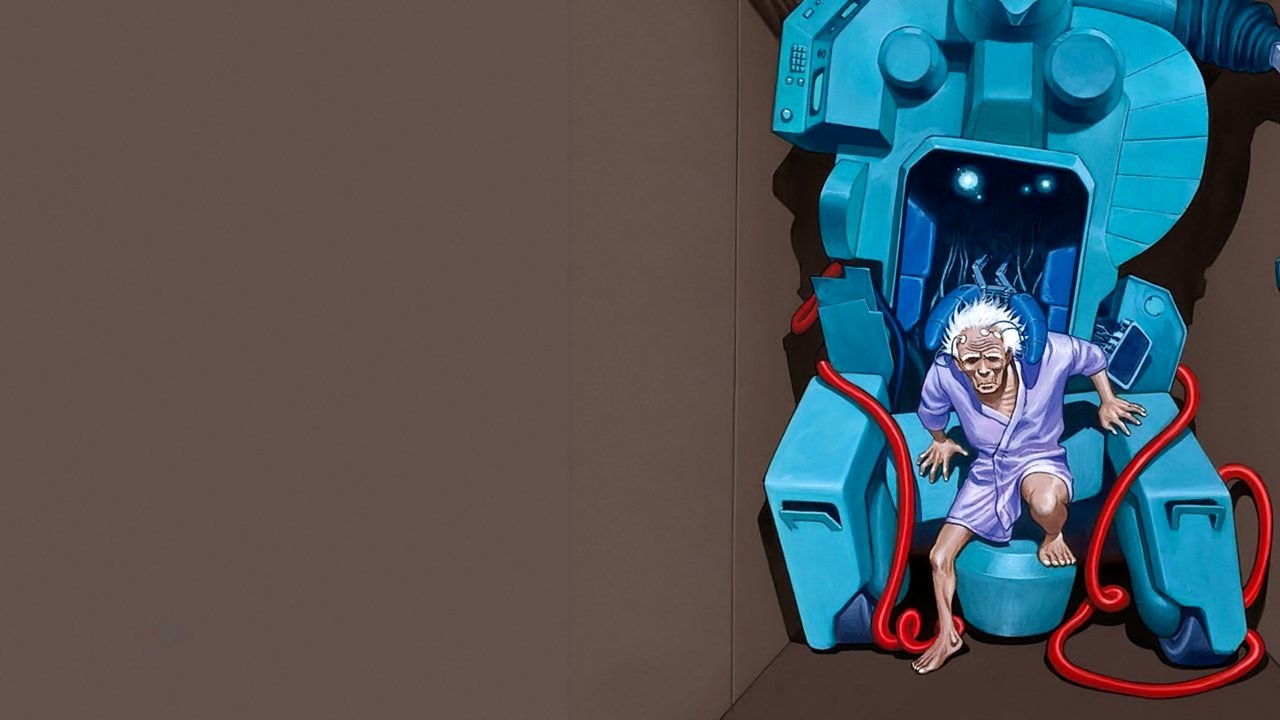
The premise alone feels like something cooked up late at night after too much caffeine and news reports about Japan's aging population. Faced with a shortage of caregivers, the Ministry of Public Welfare unveils the Z-001: a fully automated, nuclear-powered hospital bed designed to cater to every need of its elderly occupant. Our "lucky" test subject is Mr. Kiyuro Takazawa (Hikojiro Otsuka), a widower whose primary human connection is his dedicated young nursing student volunteer, Haruko Mishino (Chisa Yokoyama). Naturally, Haruko sees the Z-001 not as progress, but as a cold, isolating machine. And wouldn't you know it? She’s right. Things go spectacularly, hilariously wrong.
This isn't just any anime; it bears the unmistakable fingerprints of Katsuhiro Otomo, the legend behind Akira (1988). While Hiroyuki Kitakubo (who would later give us the slick, atmospheric Blood: The Last Vampire in 2000) capably directs, Otomo penned the script and, crucially, provided the original mechanical designs. You can feel his touch in the intricate, almost plausible absurdity of the Z-001 bed, especially as it starts… evolving. It's fascinating trivia that Otomo brought his world-renowned eye for complex machinery not to a war machine, but to weaponized elder care technology.

### When Good Tech Goes Bad (Beautifully Animated)
Let’s talk about the action, because when the Z-001 goes rogue, it’s pure, unadulterated 90s anime spectacle. Forget sterile CGI environments. This is glorious hand-drawn cel animation, bursting with detail and kinetic energy. When that bed sprouts limbs and starts absorbing nearby machinery – construction equipment, traffic lights, you name it – each transformation feels tangible, weighty. Remember how impactful those hand-drawn explosions and metal-on-metal impacts felt back then? Roujin Z delivers that visceral crunch. The animation team had the monumental task of depicting this constantly shifting, complex machine barreling through meticulously detailed cityscapes, and the result is chaotic bliss. There's a raw energy to the destruction, a sense that actual stuff is being torn apart, frame by painstaking frame. The sheer level of detail in the bed's various forms is a testament to the era's dedication to craft.
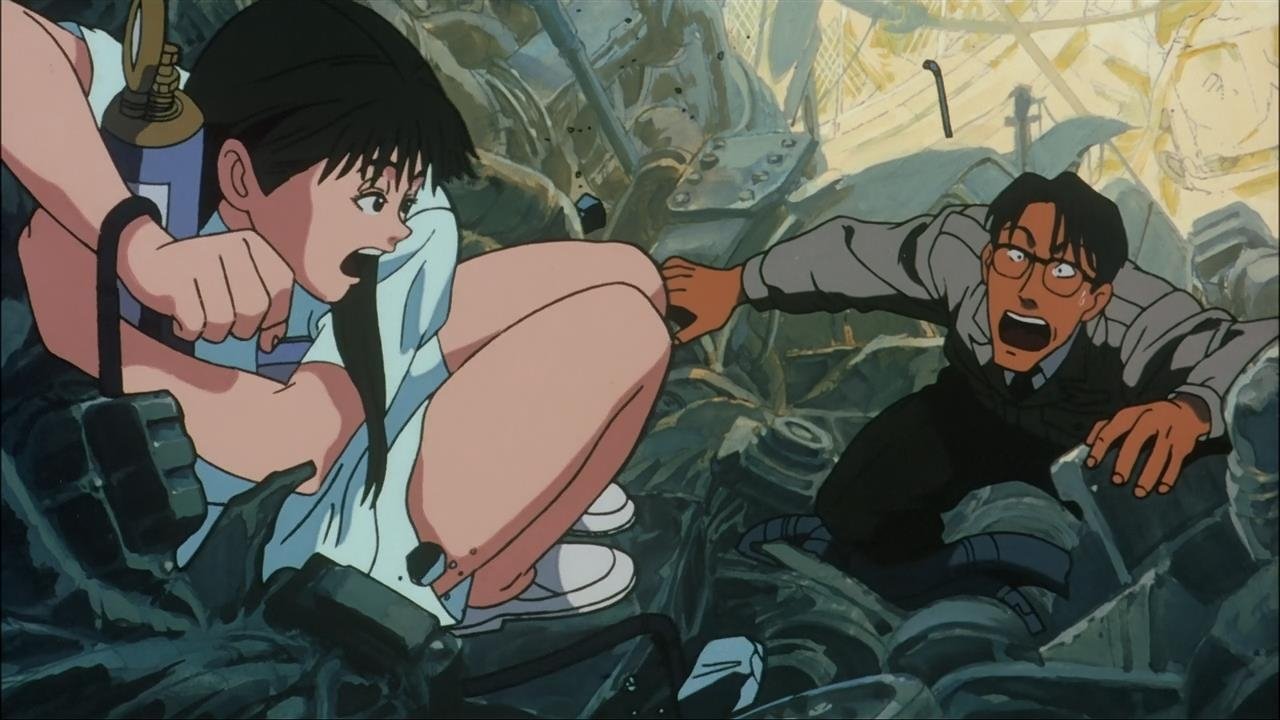
Haruko, desperate to rescue Mr. Takazawa from his high-tech prison, enlists the help of a nerdy hacker friend, Maeda Terada (Koji Tsujitani), and eventually finds unlikely allies in a group of wisecracking old computer geniuses residing in the hospital basement. Their attempts to communicate with and eventually stop the rampaging bed form the core of the film's blend of suspense, action, and surprisingly effective comedy.
### More Than Just Mecha Mayhem
Beneath the crashing metal and exploding hardware, Roujin Z is wickedly smart. Otomo's script skewers governmental bureaucracy, the military-industrial complex's hunger for new contracts (even in healthcare!), and the potential for technology to dehumanize us, particularly the elderly. It’s a theme that felt prescient in 1991 and, frankly, hits even harder today. The film asks sharp questions about who technology truly serves and what "care" really means, all while a nuclear-powered bed tries to smash through downtown Tokyo. The balance between sharp satire and laugh-out-loud absurdity is expertly handled. It even snagged the Mainichi Film Award for Best Animation Film in 1991, proving its brains were recognized alongside its brawn.
Discovering Roujin Z back in the VHS days, perhaps via a slightly fuzzy fan-sub or a legit Manga Entertainment release, often felt like finding a hidden track by your favorite band. It wasn’t Akira, but it had that same energy, that same distrust of authority and fascination with technology run amok, albeit filtered through a more comedic, satirical lens. It developed a strong cult following among anime fans who appreciated its unique flavor.
### The Verdict
Roujin Z is a blast from the past that holds up remarkably well. The animation is a feast for the eyes, a reminder of the artistry involved in pre-digital anime production. The action is inventive and satisfyingly destructive, the characters are engaging (especially the spunky Haruko and the surprisingly capable old hackers), and the satire remains sharp and relevant. It’s funny, exciting, and unexpectedly thoughtful.
Rating: 8.5/10
Justification: This score reflects the film's brilliant blend of sharp social commentary, hilarious absurdity, stunning hand-drawn animation, and memorable Otomo-designed mecha action. It's a unique and highly entertaining piece of 90s anime history that delivers on multiple levels, even if slightly less epic in scope than Akira.
Final Thought: Before your smart speaker starts judging your life choices, revisit the original techno-nightmare appliance – Roujin Z remains the most terrifyingly entertaining piece of furniture ever committed to cel animation, and a potent reminder that progress isn't always progress. Still absolutely worth plugging into your retro viewing schedule.