Okay, tapeheads, let’s rewind to 1991. Picture this: cruising the aisles of the local video store, fluorescent lights buzzing overhead, the scent of plastic clamshells and maybe slightly stale popcorn in the air. Your eyes land on a cover promising explosive action, martial arts, and maybe just a hint of that glorious early 90s cheese. That, my friends, is the siren call of Showdown in Little Tokyo. This film landed with a bit of a thud at the box office, barely scraping back $2.3 million on its estimated $8 million budget, but oh, did it find its people on VHS.
An Unlikely Pair, An Unrelenting Pace
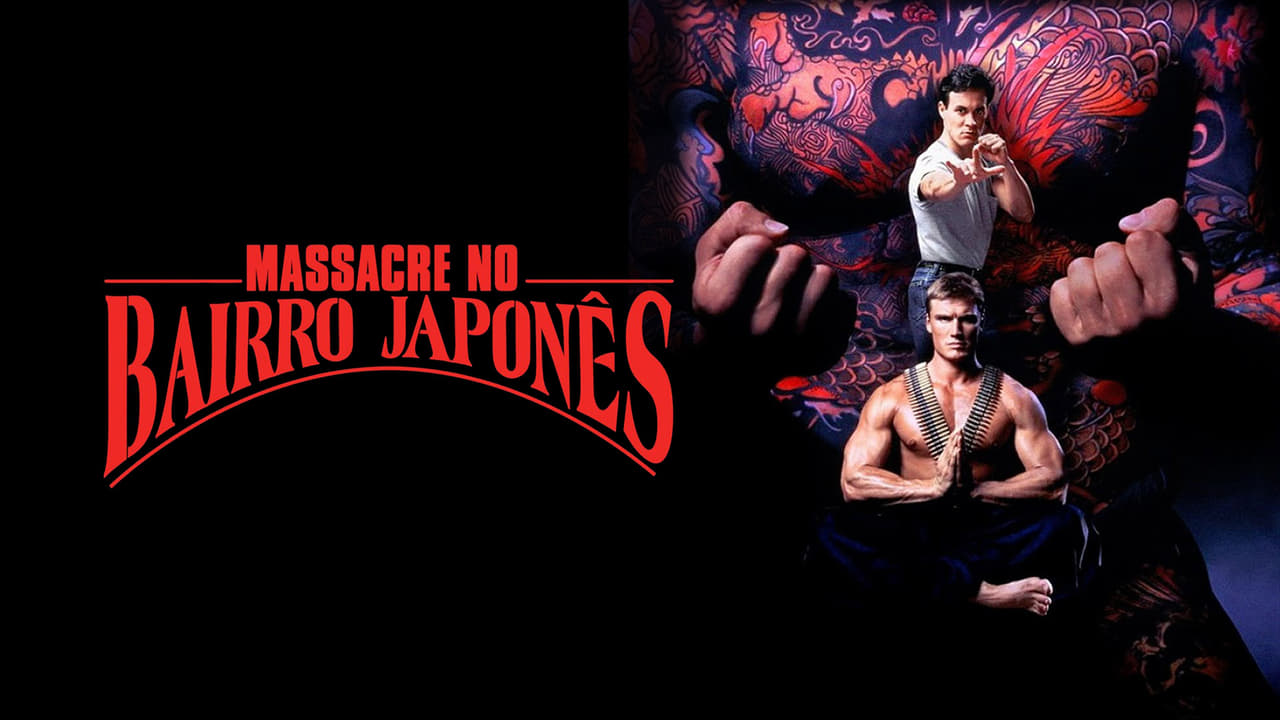
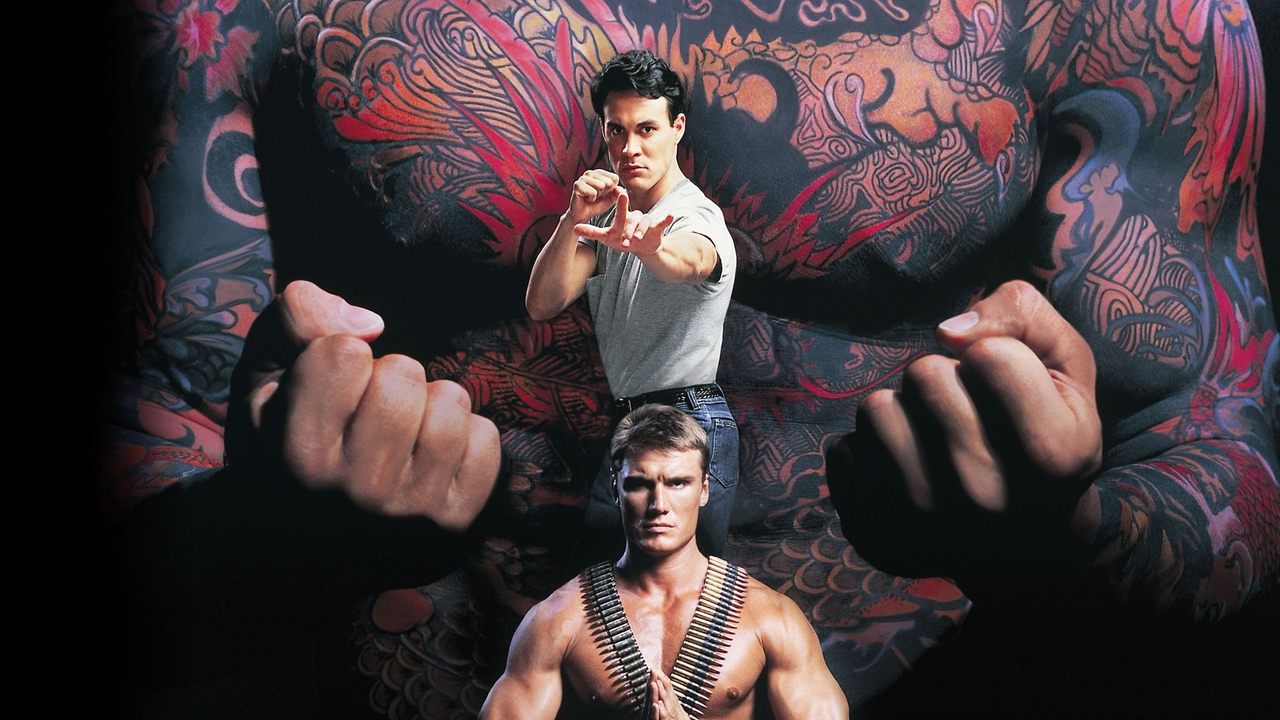
Right off the bat, Showdown in Little Tokyo throws you into the deep end of the buddy cop pool, pairing the towering Swede Dolph Lundgren as LAPD Sergeant Chris Kenner with the charismatic, tragically short-lived Brandon Lee as his new partner, Johnny Murata. Lundgren’s Kenner is the stoic, American cop… who bafflingly grew up in Japan, speaks fluent Japanese, and follows Bushido. It's a premise so perfectly early-90s action movie you just have to roll with it. Lee’s Murata, conversely, is the Japanese-American guy who embraces pizza, rock music, and cracking wise, offering a cultural counterpoint that fuels much of the film's dialogue (and occasional awkwardness).
The plot? Pure pulp. Kenner and Murata stumble onto a brutal new Yakuza operation led by the utterly terrifying Yoshida, played with chilling intensity by Cary-Hiroyuki Tagawa. Yoshida isn't just dealing drugs (a new designer meth called "Ice"); he's also bringing old-school, hyper-violent Yakuza traditions to LA, complete with ritualistic killings and a penchant for decapitation. Tagawa, who would later solidify his villainous icon status as Shang Tsung in Mortal Kombat (1995), is genuinely menacing here. He embodies that specific brand of over-the-top evil that defined so many great 80s and 90s action antagonists.
What immediately strikes you watching this now – likely on a format far clearer than the well-worn VHS tape I first saw it on – is the relentless pace. Clocking in at a lean 79 minutes, there's barely room to breathe. This brevity is rumoured to be the result of significant studio interference and cuts, trimming down character development and connective tissue. But honestly? For a Friday night action blast, it works. Director Mark L. Lester, who already proved his action chops with the Schwarzenegger classic Commando (1985), keeps things moving at breakneck speed, bouncing from one set piece to the next.
Fists, Fire, and Flying Bodies: The Glory of Practical Action
Let’s talk about the action, because that’s the real reason this tape got rented ragged. This film is a glorious testament to the era of practical effects and stunt work. Remember how real those bullet hits looked back then, often accompanied by little exploding blood packs? Showdown has that in spades. The fight choreography, especially showcasing Brandon Lee’s incredible martial arts skill, feels visceral and impactful. Lee moves with a grace and speed that clearly marked him as a star on the rise – a potential tragically cut short just two years later during the filming of The Crow (1994). His bathhouse fight scene, dispatching thugs while strategically using a towel, is a definite highlight.

Then there are the explosions and stunts. Real cars flipping, real fireballs erupting – none of that floaty CGI haze we often see today. There’s a weight and danger to it. Was that motorcycle jump sequence maybe a little rough around the edges compared to modern blockbusters? Sure, but the fact that a real stunt performer did that lent it an undeniable thrill. The climactic showdown at the Japanese victory parade is pure chaos, featuring sword fights, shootouts, and Lundgren memorably crashing through a drum. Speaking of Lundgren, while his acting might be, shall we say, stoic, his physical presence is undeniable, and he handles the action demands convincingly. There's a fun bit of trivia that Lundgren actually holds a 3rd dan black belt in Kyokushin karate, adding a layer of authenticity to his fight scenes.
That Infamous Scene and Cult Status
You can't really discuss Showdown in Little Tokyo without mentioning its most notorious sequence: the torture scene involving Yoshida and the captive singer Minako (played by Tia Carrere, who would hit bigger fame the following year in Wayne's World). It's brutal, even by 90s action standards, and reportedly faced cuts itself. It definitely pushes the envelope and contributes to the film's hard-edged, slightly sleazy B-movie vibe.
Despite its initial box office failure and mixed critical reception (critics weren't kind), the film became a staple of video store action sections and late-night cable. It developed a dedicated cult following precisely because of its flaws and its strengths: the over-the-top violence, the cheesy one-liners ("You have the biggest dick I've ever seen on a man." / "Maybe... but you're not my type."), the sheer energy of the action, and the undeniable screen presence of Brandon Lee. I vividly remember renting this tape multiple times, drawn back by the raw action and Lee’s charisma. It felt like discovering a hidden gem, something edgier than the mainstream blockbusters.
### Final Verdict
Showdown in Little Tokyo isn't high art. The script is clunky, Lundgren's character concept is ludicrous, and subtlety checked out long before the first head rolled. But damn, is it entertaining. It’s a distilled shot of early 90s action filmmaking – fast, loud, unapologetically violent, and packed with the kind of practical stunt work and explosive mayhem that felt incredibly real on our fuzzy CRT screens. Brandon Lee shines bright, hinting at the superstardom that awaited, while Cary-Hiroyuki Tagawa delivers an iconic villain performance.
Rating: 7/10
Justification: The rating reflects the film's undeniable entertainment value as a cult action classic, propelled by Brandon Lee's star power, Tagawa's villainy, and relentlessly paced, practical action sequences. Points are deducted for the thin plot, often awkward dialogue, and Lundgren's less-than-nuanced performance, but its sheer B-movie energy and nostalgic charm earn it a solid score for fans of the genre and era.
Final Thought: It's a glorious relic from a time when action movies felt like they could genuinely hurt you through the screen – rough, a bit dumb, but undeniably alive. Pop it in (or stream it, fine) when you need a pure, unfiltered blast from the action past.