Okay, picture this: It's the mid-90s. You wander into the video store, maybe Blockbuster, maybe some beloved local haunt with peeling posters. You're scanning the action aisle, past the usual suspects, and then you see it – a cover with Jackie Chan, mid-air, looking simultaneously panicked and awesome, maybe surrounded by chaos. You've heard about this guy, the legend from Hong Kong, but Rumble in the Bronx? This felt different. This felt like his arrival. Popping that tape into the VCR later that night wasn't just watching a movie; it felt like witnessing an invasion – the most acrobatic, charmingly destructive invasion imaginable.
Welcome to New York... By Way of Vancouver
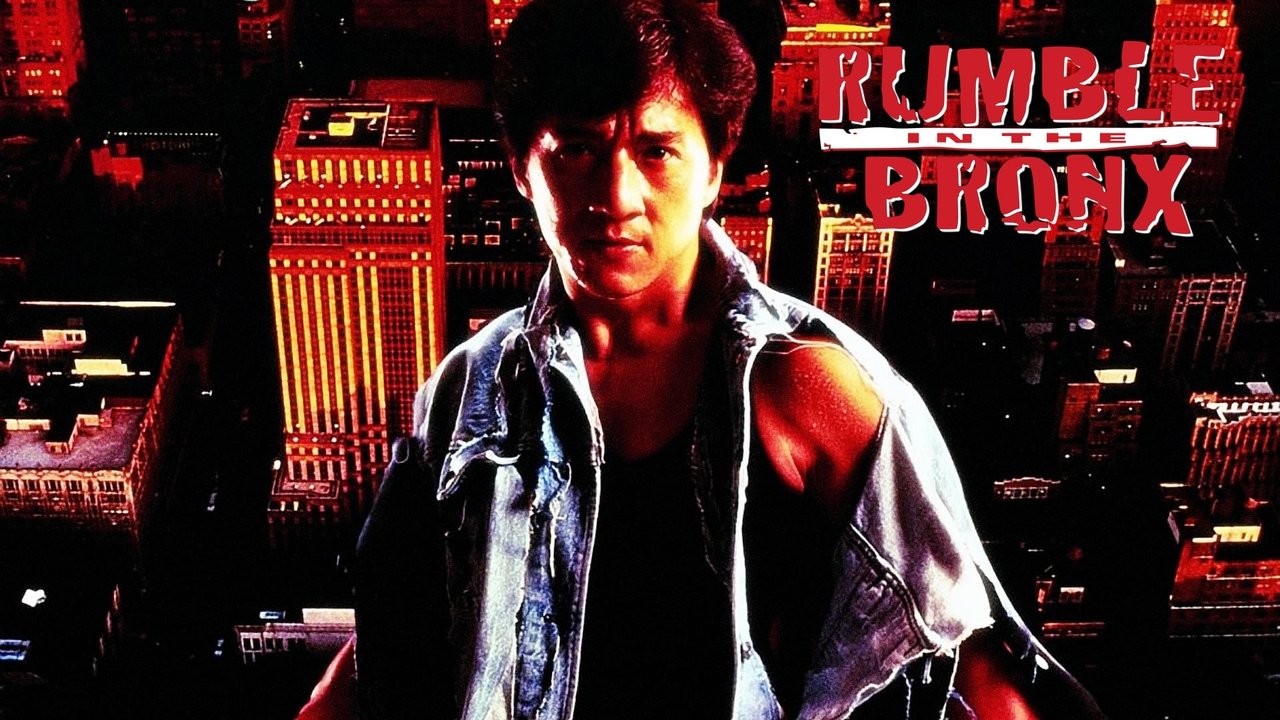
The premise is simple enough: Keung (Jackie Chan) comes from Hong Kong to New York for his uncle's wedding and to help out at the family grocery store, recently sold to the pragmatic Elaine (Anita Mui, a superstar in her own right back home, bringing effortless cool). Almost immediately, Keung's easygoing visit turns into a chaotic clash with a local biker gang and, eventually, a much more dangerous criminal outfit chasing stolen diamonds. He also crosses paths with Nancy (Françoise Yip), a dancer and unwilling participant in the gang's activities, adding a layer of protective instinct to Keung's motivations.
Now, let's address the elephant – or perhaps the snow-capped mountain – in the room. This "Bronx" looks suspiciously clean, spacious, and surrounded by majestic peaks totally unfamiliar to anyone who's actually been to the Bronx. That's because, in one of the most gloriously transparent location cheats of the 90s, Rumble in the Bronx was filmed almost entirely in and around Vancouver, Canada. Honestly? It just adds to the charm. Spotting Canadian landmarks became part of the viewing fun, a knowing wink between the film and the audience who were just thrilled to see Chan unleashed.
When Stunts Were Real (and Really Hurt)
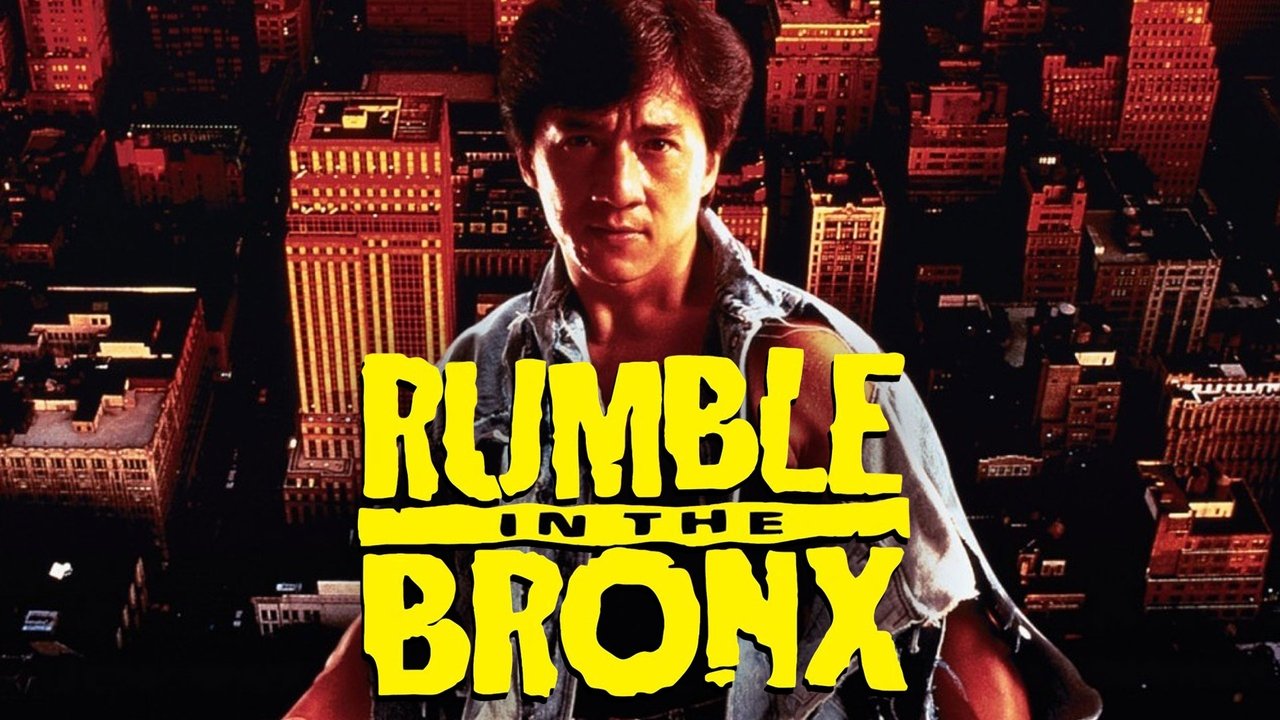
But the location is just scenery. What truly mattered, what made jaws drop and rewinds happen, was the action. Directed by Stanley Tong (who also guided Chan through the equally insane stunts of Police Story 3: Supercop), Rumble showcased Chan's unique blend of martial arts, slapstick comedy, and death-defying stunt work to a Western audience largely unfamiliar with his particular brand of genius. Forget slick CGI and invisible wires; this was the era of palpable danger.
Remember that insane fight in the gang's warehouse lair? Chan uses everything – refrigerators, shopping carts, pinball machines – not just as weapons, but as extensions of his own acrobatic grace. The choreography is intricate, but it feels raw, immediate. You feel the impacts. When Chan leaps across that impossibly wide alleyway from one fire escape to another… did anyone else hold their breath watching that on a fuzzy CRT? There was no green screen safety net; that was Chan, propelled by sheer guts and maybe a cleverly hidden trampoline.

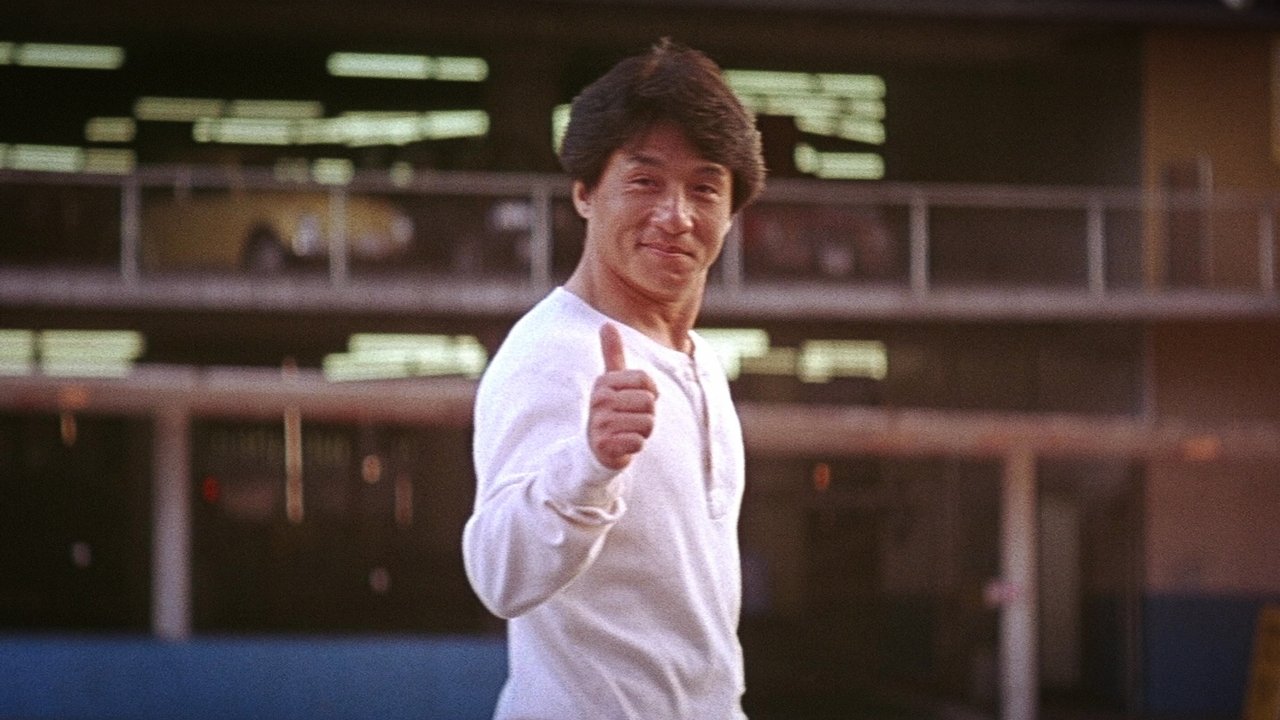
And the injuries? They weren't simulated. This film is legendary for the physical toll it took on its star. During that climactic chase involving a hovercraft (yes, a hovercraft rampaging through downtown "New York"), Jackie Chan famously broke his ankle landing a jump onto the vehicle. Did they stop filming? Nope. They slapped a specially painted cast-sock over his broken bones, disguised to look like his sneaker, and he kept going. That dedication, that willingness to put his body on the line for the shot, is baked into the film's DNA. It’s why the action still feels so visceral today, even compared to technically smoother modern sequences. It had weight, consequence, and the undeniable thrill of seeing a real person doing the impossible.
Charm Amidst the Chaos
It wasn't just the fighting, though. Chan's incredible physical comedy and sheer likeability shine through. He’s not a grimacing action hero; he’s often reluctant, scared, but ultimately driven by a sense of justice (and maybe a desire to protect that grocery store). The supporting cast does their job – Anita Mui provides a grounding presence, and Françoise Yip handles the damsel-in-distress-with-an-edge role effectively. The villains? Let's just say their fashion choices are peak mid-90s questionable, adding another layer of unintentional humour. And yes, the English dubbing is often… memorable. For many North American viewers, that slightly awkward dub became part of the film's quirky identity.
The film was a gamble by New Line Cinema, re-edited and scored for Western tastes, but it paid off spectacularly. Budgeted around $7.5 million, it pulled in over $32 million in the US alone, finally giving Jackie Chan the mainstream North American breakthrough he deserved. It wasn't high art, and critics were mixed, but audiences didn't care. They were captivated by the sheer kinetic energy and personality Chan brought to the screen.
VHS Heaven Rating: 8/10
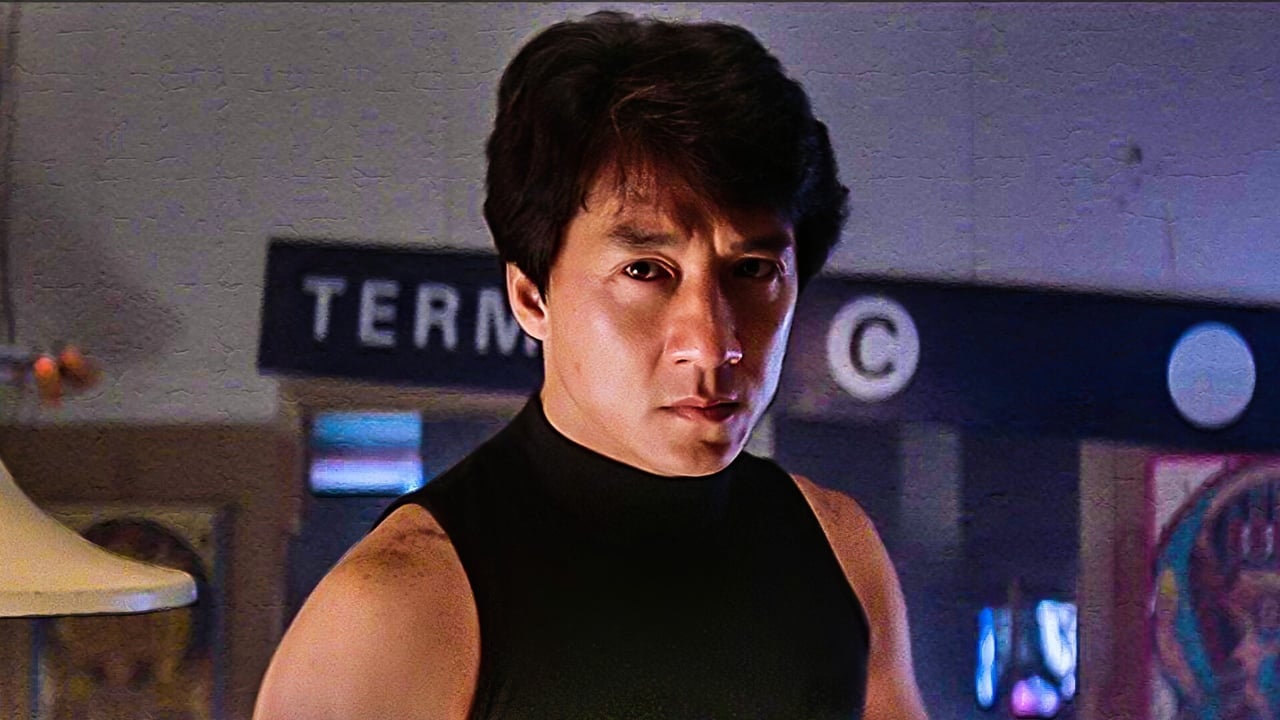
Rumble in the Bronx is pure, unadulterated 90s action comfort food. The plot is thin, the geography laughable, and the dialogue often clunky (especially dubbed). But none of that matters when Jackie Chan is turning a warehouse into his personal playground or leaping between buildings with breathtaking audacity. The rating reflects its monumental impact in bringing Chan to the West, the sheer brilliance and reality of its practical stunt work (broken bones included!), and its enduring, infectious energy. It might look dated, but the core thrill – the how did he DO that?! factor – remains timeless.
Final Thought: In an age of digital perfection, Rumble in the Bronx is a glorious, slightly battered VHS tape reminder of when action stars bled, broke bones, and bounced off refrigerators for our entertainment – and we loved every second of it.