It arrives like a divine punchline, a cosmic intervention aimed squarely at the unreconstructed male ego. Blake Edwards' 1991 film Switch presents a premise so direct, so pointedly allegorical, it almost feels like a dare: what if the ultimate misogynist woke up one day in the body of a woman? Not just any woman, but an undeniably attractive one, forced to navigate the very world he treated with such casual disdain. It's a concept ripe for both biting satire and broad comedy, and Edwards, ever the orchestrator of elegant chaos (Victor/Victoria, the Pink Panther series), dives in with fascinating, if sometimes uneven, results.
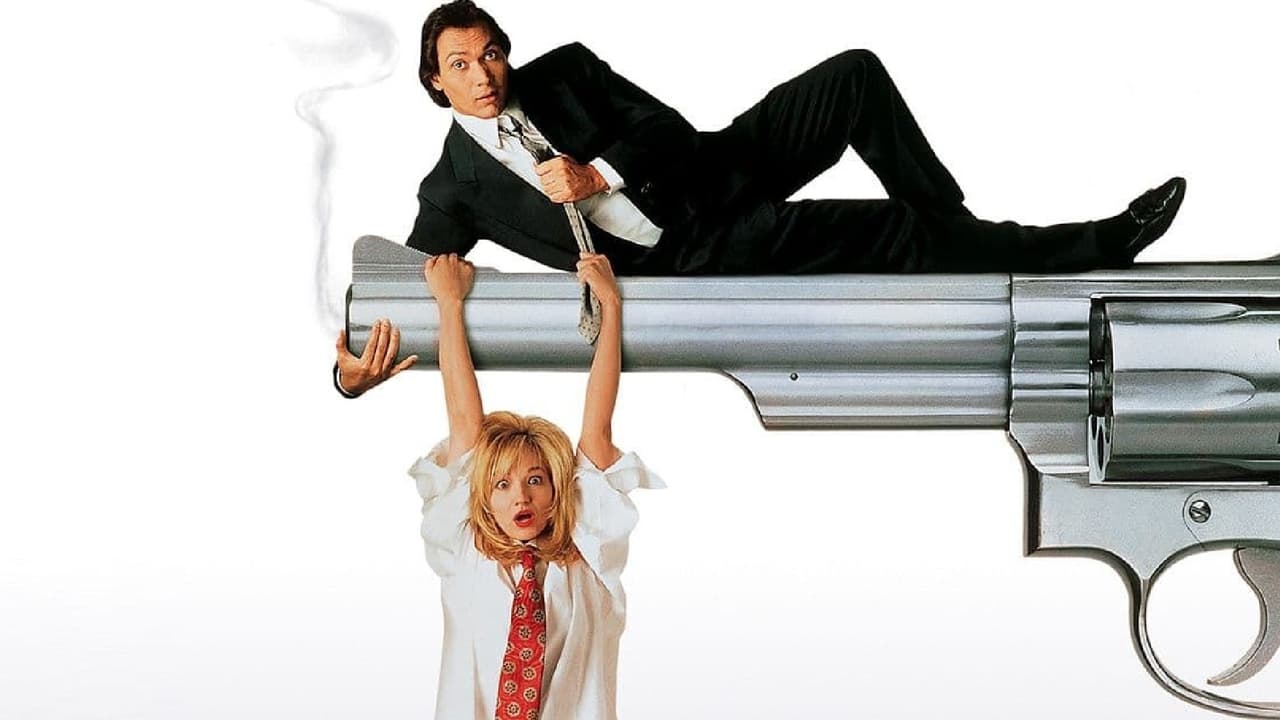
The film wastes no time establishing Steve Brooks (a perfectly smarmy, albeit brief, appearance by Perry King) as an advertising executive whose conquests are as numerous as his ethical failings. When three of his spurned lovers conspire to send him to a watery grave, his soul finds itself in Purgatory, facing a unique ultimatum delivered by unseen divine voices (one male, one female – a nice touch). To earn his wings, the newly embodied Amanda Brooks must find a single woman on Earth who genuinely liked the man he was. Fail, and it’s eternal damnation. Find a man who liked him? Also damnation, a pointed jab at Steve's ingrained homophobia. It’s a setup that immediately throws the character, and the audience, into the deep end of gender politics, 1991-style.
### Walking a Mile in Her Heels
The absolute linchpin of Switch is, without question, Ellen Barkin. Tasked with portraying not just a woman, but a deeply unpleasant man trapped within a woman's form, Barkin delivers a performance that’s both physically astute and surprisingly layered. She nails the subtle tells – the way Amanda initially walks with a masculine stride, the unconscious spread of her legs when sitting, the sheer bewildered rage at suddenly being subjected to catcalls and condescension. It’s often hilarious, yes, but Barkin finds the frustration beneath the gag. You see the gears turning as Steve/Amanda processes this new reality, the dawning horror mixed with a stubborn refusal to adapt. Remember her powerhouse turn in Sea of Love just a couple of years prior? Here, she channels a different kind of raw energy, translating swagger and entitlement into bewildered vulnerability. It’s a performance that elevates the sometimes-formulaic material considerably. Apparently, Edwards found Barkin through her then-husband Gabriel Byrne, and her commitment to the role, navigating both the comedy and the underlying discomfort, is palpable.

### Navigating the Minefield
Edwards uses the premise to explore the everyday indignities and double standards faced by women, particularly in the workplace. Amanda returns to Steve’s old advertising agency, attempting to reclaim his life while desperately searching for that one elusive female admirer. We see her struggle with makeup, fashion (those early 90s power suits!), and the simple act of moving through the world differently. The humor often stems from Amanda’s blunt, Steve-like reactions to situations now viewed through a female lens – her frustration with office gossip, her confusion at emotional nuance, her sheer disbelief at the practicalities of pantyhose. These moments provide chuckles, certainly recognizable to anyone who rented this from Blockbuster back in the day, perhaps alongside other high-concept comedies like Big or Vice Versa. Yet, Switch carries a sharper edge than many of its contemporaries, directly confronting sexism rather than just using the body-swap as a wacky plot device.
### Behind the Divine Intervention

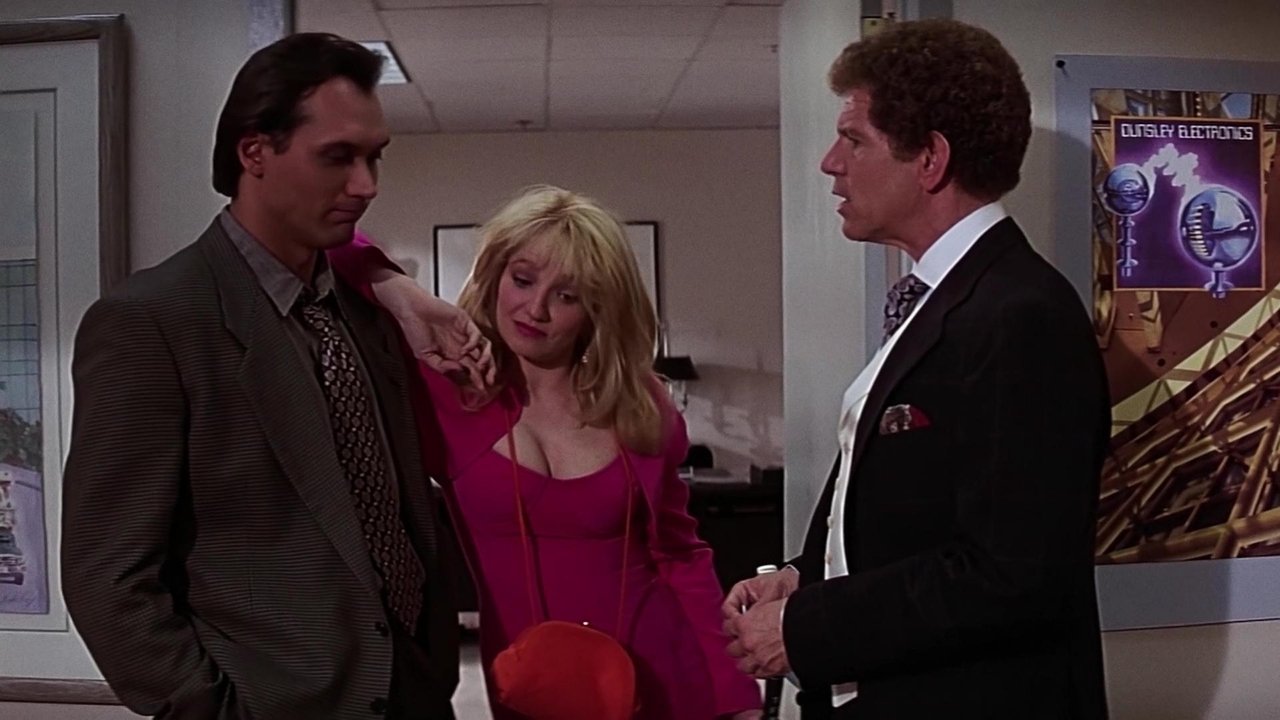
While a Blake Edwards creation, Switch owes a debt to George Axelrod's 1959 play Goodbye Charlie and its 1964 film adaptation, which featured a similar reincarnated-as-the-opposite-sex premise. Edwards, returning to directing after some health challenges, crafts the film with his signature blend of visual polish and moments of physical comedy, though perhaps without the consistent effervescence of his peak work. The production wasn't without its hurdles; reports circulated about on-set friction, and the film battled for an R rating due to language and nudity, eventually securing it. Financially, it wasn't a runaway success either, earning around $15.3 million domestically against a reported budget of roughly $14 million – respectable, but not the smash hit the premise might have suggested. The score by the legendary Henry Mancini, Edwards' longtime collaborator, adds a layer of smooth sophistication that sometimes contrasts intriguingly with the chaotic premise. It’s these little details – the echo of an older play, the ratings board tussle, the modest box office – that paint a fuller picture of Switch's journey to the screen and its place in the VHS landscape.
### More Than Just a Gag?
Where the film sometimes falters is in its tonal balance and the resolution of its central conceit. The supporting characters, like Steve’s loyal best friend Walter (Jimmy Smits, radiating warmth and confusion) and his former lover/best friend Margo (JoBeth Williams, navigating betrayal and burgeoning attraction), are well-played but occasionally feel underserved by the script's focus on Amanda's plight. The central quest – finding someone who liked Steve – becomes increasingly complicated, raising questions about redemption and whether true change is possible. Does Amanda truly evolve, or is she merely adapting to survive? The film offers glimpses of empathy developing, particularly in her interactions with Margo, but the core selfishness of Steve Brooks often remains stubbornly present. The ending, involving an unexpected pregnancy and a rather ambiguous heavenly verdict, felt tacked-on to some viewers back then and still sparks debate today. Does it provide satisfying closure, or does it sidestep the tougher questions the film raises about identity and accountability?
### The Verdict on Switch
Rewatching Switch today is a fascinating experience. It’s undeniably a product of its time, with some gender dynamics feeling dated, yet its core premise remains provocative. Ellen Barkin’s fearless performance is the main attraction, a masterclass in physical comedy and character embodiment that anchors the film. Blake Edwards brings his directorial flair, even if the script occasionally struggles to fully realize its satirical potential. It mixes genuine laughs with moments that make you think, and perhaps cringe slightly in retrospect. For those of us who remember pulling this tape off the rental shelf, it often sparked lively post-movie discussions about men, women, and whether a change of body could truly change a mind.
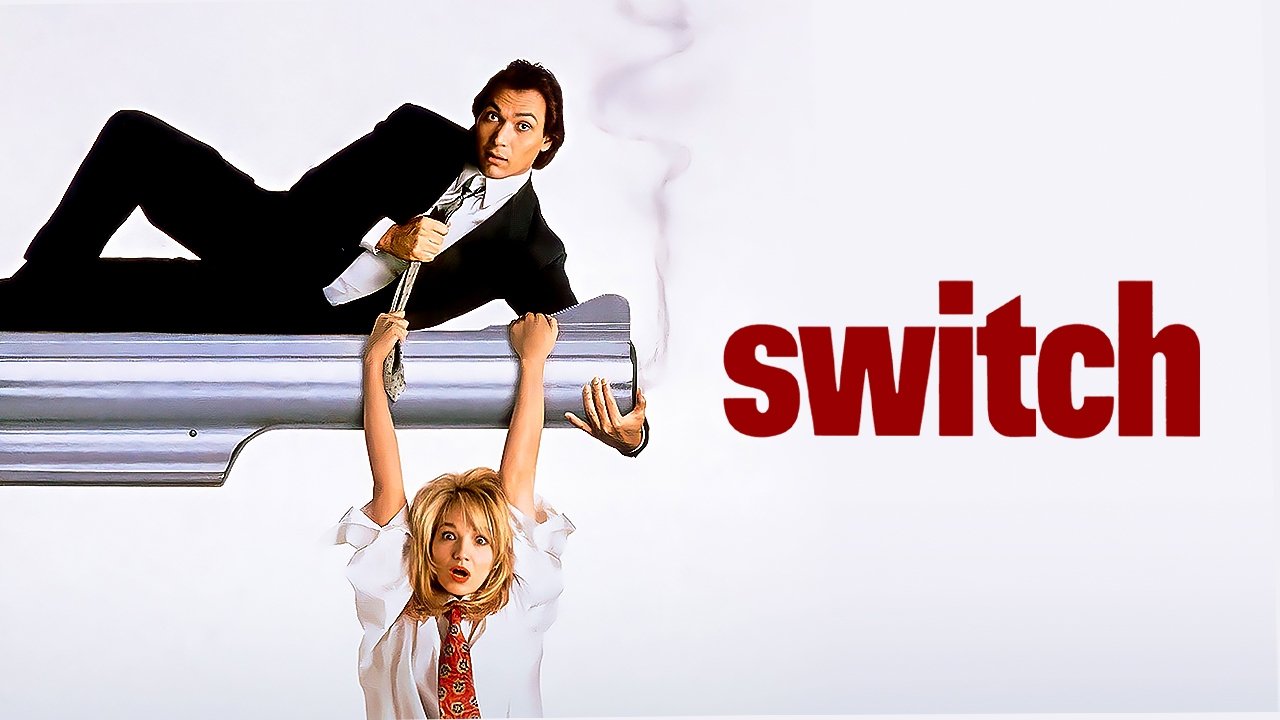
Rating: 6.5/10
The score reflects a film brimming with potential, powered by a brilliant central performance, but ultimately hampered by an uneven tone and a slightly unsatisfying resolution. It earns points for its audacious concept and Barkin's sheer commitment, making it a memorable, if flawed, entry in the gender-bending comedy subgenre.
Final Thought: What lingers most about Switch isn't just the comedy, but the uncomfortable question it poses: How much of our identity is tied to our physical form, and how much truly resides within? It's a question that feels just as relevant, and perhaps even more complex, today.