Alright, fellow tapeheads, let’s rewind to a time when South Korean cinema was bubbling just under the surface for many Western viewers, dropping gems onto discerning video store shelves if you knew where to look. Forget the polished blockbusters for a moment and dig into the dusty corners of the "World Cinema" section. That’s where you might have unearthed a truly bizarre and brilliant oddity: Kim Jee-woon’s 1998 debut feature, The Quiet Family (조용한 가족). If you stumbled upon this one, maybe on a slightly fuzzy nth-generation tape, you knew you’d found something special, something… different.
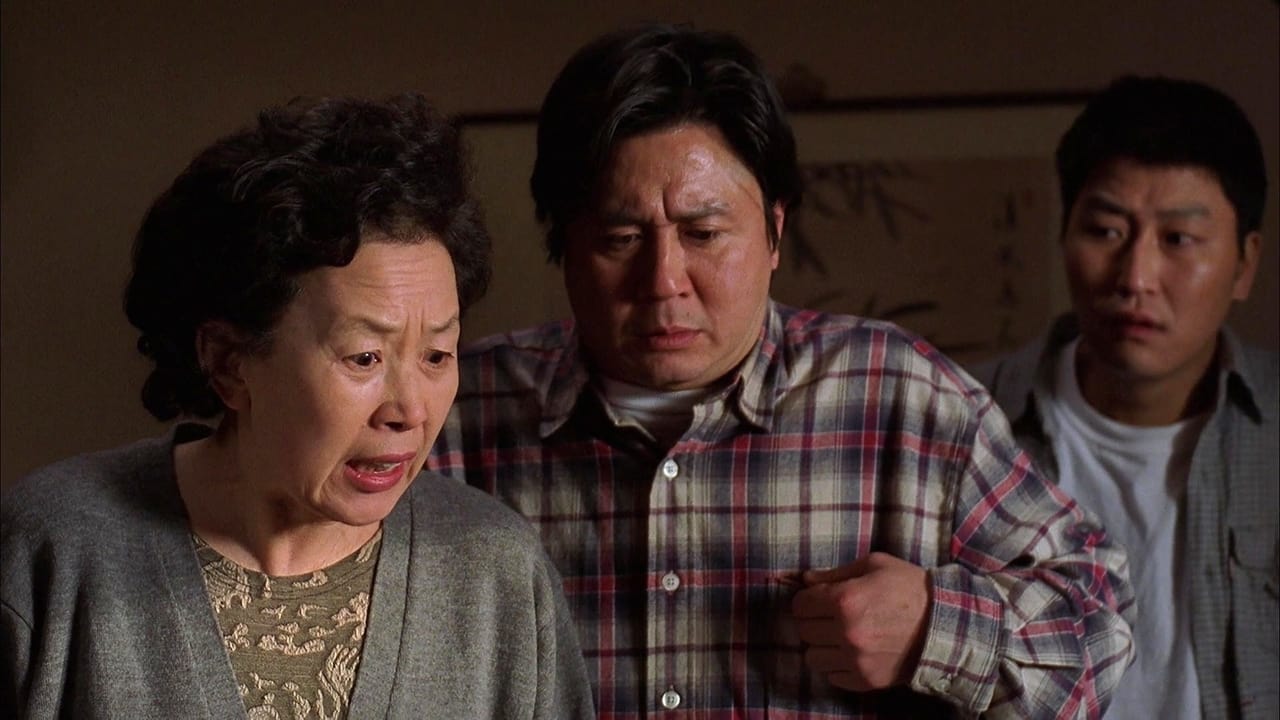
This isn't your typical high-octane thriller, but trust me, the tension ratchets up in its own wonderfully weird way. It feels less like a slick production and more like a strange, unsettling home movie captured by a family teetering on the edge. And maybe that’s exactly why it works so well.
### A Guesthouse Getaway Gone Wrong
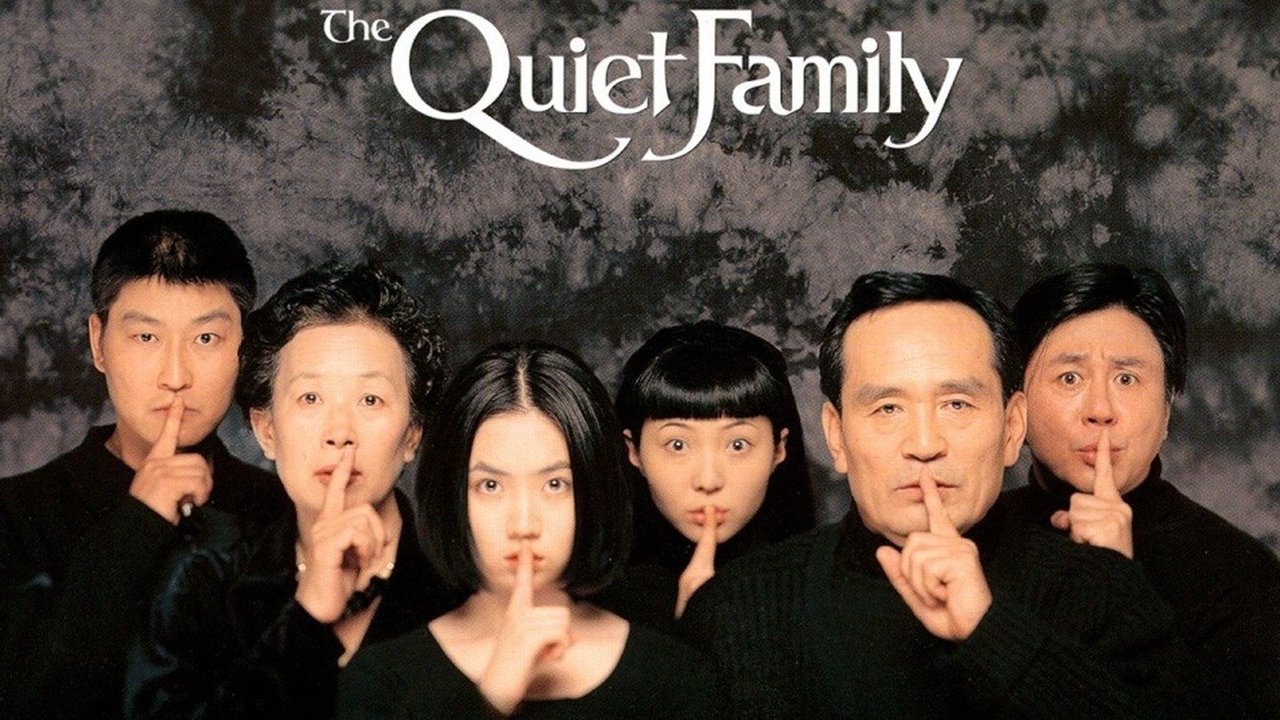
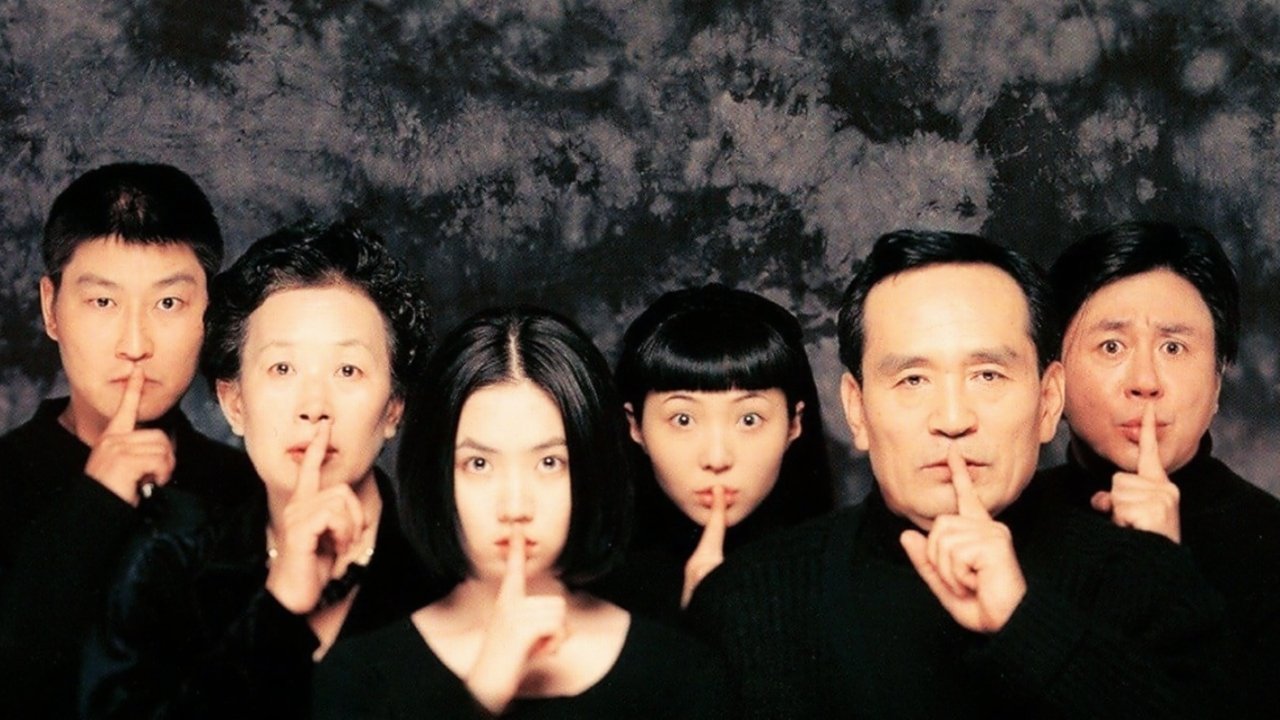
The setup is deceptively simple, almost like a quaint family drama. The Kang family – patriarch Tae-goo (Park In-hwan), matriarch Jeong Soon-rye (Na Moon-hee), hapless son Young-min (Song Kang-ho!), sharp daughter Mi-soo (Lee Yoon-sung), and younger daughter Mi-na (Go Ho-kyung) – sink their life savings into a remote mountain lodge, dreaming of peaceful prosperity. The only problem? Guests are scarce. When one finally checks in, he promptly checks out… permanently. Panicked and desperate to avoid bad publicity that would kill their fledgling business before it even starts, the family decides on a course of action that spirals hilariously, and grimly, out of control.
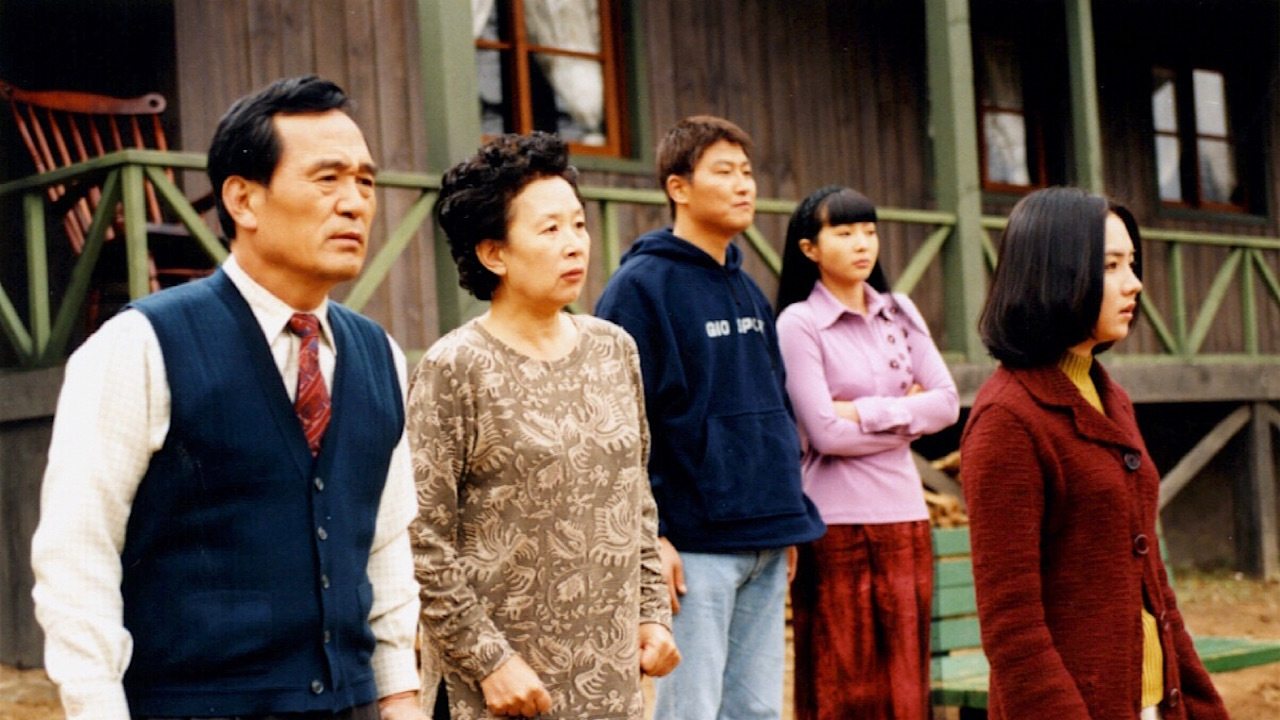
This is where The Quiet Family reveals its genius. It masterfully blends Ealing comedy-style farce with genuinely creepy atmosphere and moments of surprisingly dark violence. The comedy isn't slapstick; it’s situational, born from the increasing absurdity of their predicament. Every knock on the door sends fresh waves of panic through the family (and the viewer). Watching them try to maintain a veneer of normality while secretly burying bodies becomes a masterclass in escalating tension.
### Pre-Fame Powerhouses and Practical Creepiness
It’s fascinating to see a young Song Kang-ho, years before Memories of Murder (2003) or his Oscar-winning turn in Parasite (2019), already commanding the screen as the perpetually flustered and slightly dim-witted son. He’s a standout, but the entire ensemble cast is pitch-perfect. Park In-hwan and Na Moon-hee ground the film as the parents, their desperation fueling the increasingly macabre decisions. Their performances feel lived-in; you believe this is a family unit, warts and all, trying desperately to hold things together.
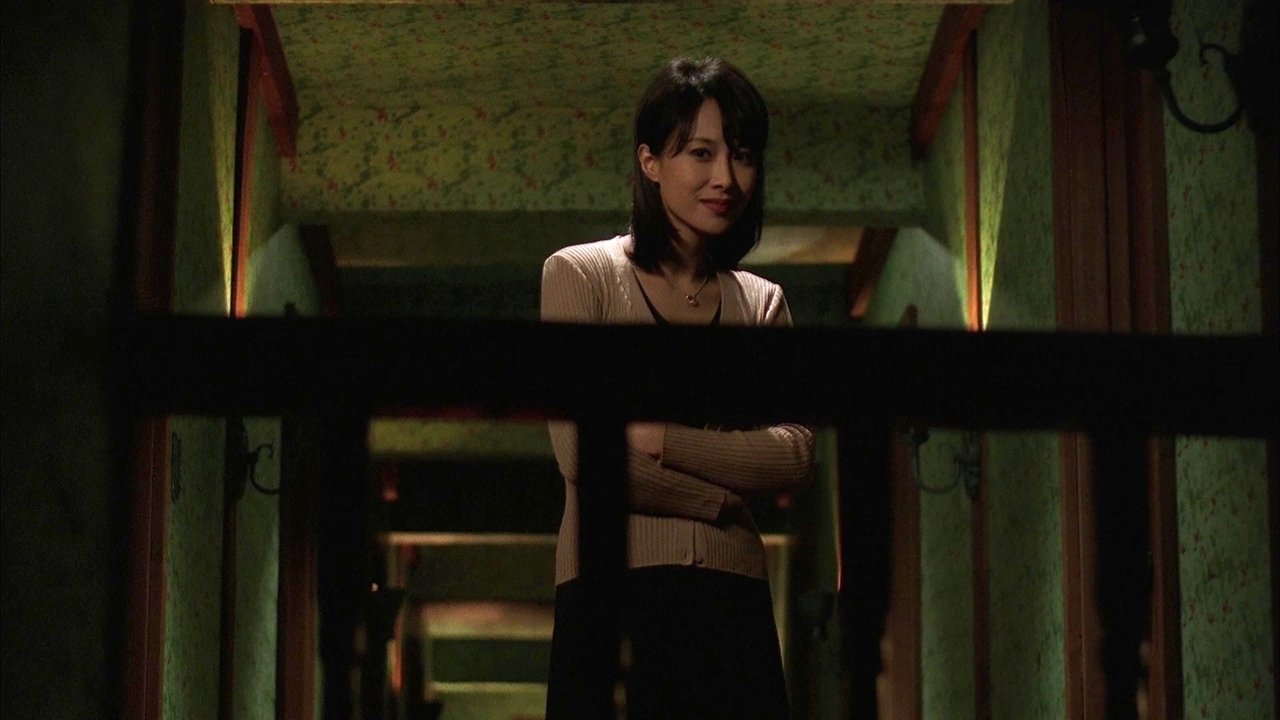
This was Kim Jee-woon’s first film, and you can already see the seeds of the stylish genre-hopping director who would later give us masterpieces like the visually stunning horror A Tale of Two Sisters (2003) and the relentless thriller I Saw the Devil (2010). Here, the style is less polished, more raw, fitting the story perfectly. There's no reliance on flashy CGI; the atmosphere comes from the isolated setting (that lodge practically becomes another character), the claustrophobic framing, and the increasingly unnerving interactions. Remember how effective simple, practical filmmaking could be? The creak of a floorboard, a shadowy figure glimpsed through a window – The Quiet Family uses these tools to build suspense far more effectively than many modern, overly polished thrillers.
### That Late-90s Indie Vibe
Watching The Quiet Family now feels like uncovering a time capsule. It has that distinct late-90s independent film energy – a little rough around the edges, maybe, but bursting with originality and a willingness to take risks. The plot gets increasingly convoluted, introducing more eccentric characters and improbable situations, but the core dark humor and the family's plight keep you hooked. It wasn't a massive hit initially, more of a cult favorite that gained traction over time, especially as Kim Jee-woon and Song Kang-ho rose to international prominence. Its influence is undeniable, even spawning a wilder, more musical Japanese remake, Takashi Miike's The Happiness of the Katakuris (2001), which is a whole other level of bizarre brilliance worth seeking out.
There’s a certain charm to the film’s slightly dated look now – the fashion, the technology (or lack thereof). It adds to the feeling of watching something authentic from its time, a snapshot of Korean cinema finding its unique voice on the world stage. It expertly skewers family dynamics and the pressures of economic survival, themes that feel perhaps even more relevant today.
### Final Verdict
The Quiet Family isn't about explosions or car chases, but the escalating chaos and the family's desperate attempts to maintain control create their own brand of nerve-wracking action. It's a perfectly calibrated blend of black comedy, suspense, and family drama that feels wholly unique.
Rating: 8.5/10
Why? For its brilliant ensemble cast (especially early Song Kang-ho), Kim Jee-woon's confident and darkly funny debut direction, its masterful tonal balance, and its status as a key film in the burgeoning Korean New Wave. It’s smart, funny, unsettling, and utterly memorable. The slightly unpolished feel only adds to its charm, making it feel like a genuine VHS-era discovery.
Final Thought: Forget slick Hollywood thrillers; sometimes the creepiest, funniest stuff lurked in a remote Korean lodge on a grainy tape you rented on a whim. This family’s business plan? Killer.