It often starts with a small crack, doesn't it? A hairline fracture in the smooth surface of a comfortable life, barely noticeable until the moment the whole thing shatters. That's the precipice where we find Michel Berthier at the beginning of Gérard Jugnot's 1991 film, Une époque formidable... (released in English-speaking markets sometimes as A Wonderful/Formidable Time). It’s a title steeped in irony, a film that arrived on VHS shelves offering a potent blend of laughter and heartache, and one that perhaps resonates even more sharply now than it did three decades ago.
The Downward Spiral
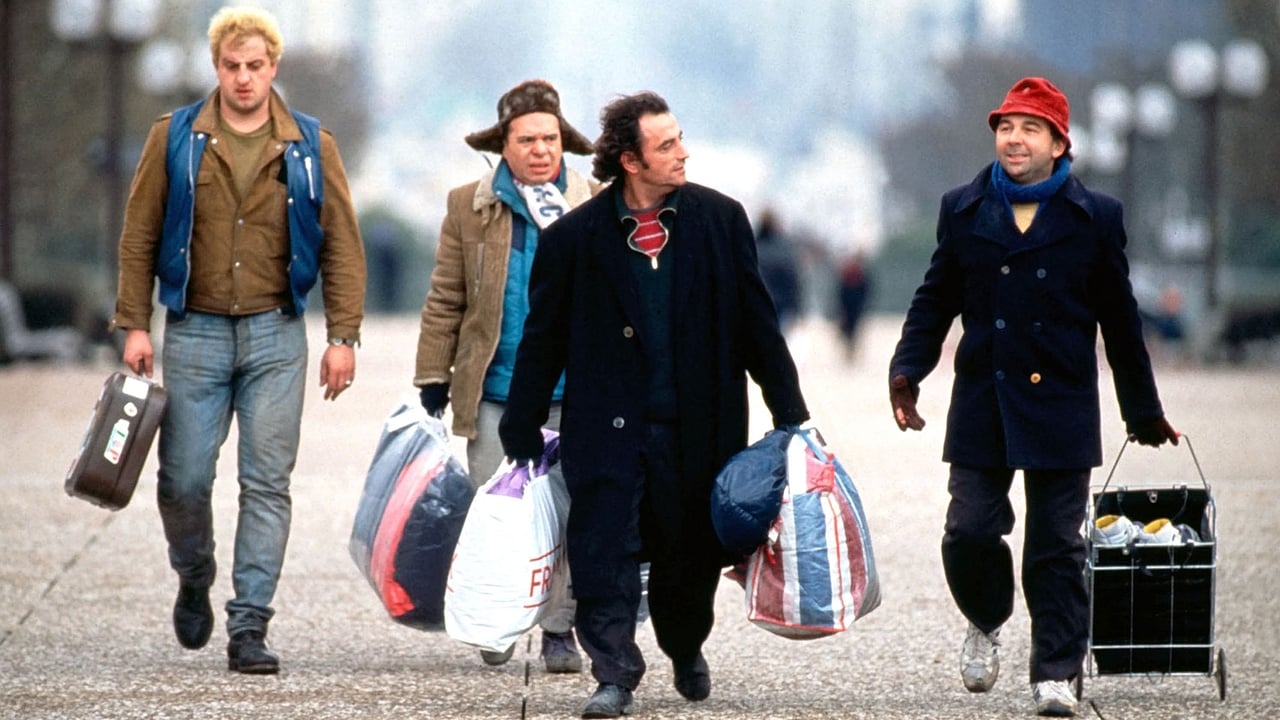
Michel (Gérard Jugnot himself, pulling double duty as director and star) seems to have it all: a good job as a mid-level executive, a loving wife, Juliette (Victoria Abril), and children. But in the blink of an eye, restructuring renders him redundant. What follows is a descent – initially comical in its relatable awkwardness, then increasingly desperate – into unemployment, spiraling debt, and ultimately, homelessness. Jugnot, known often for broader comedic roles (many might remember him from the Les Bronzés series or Les Choristes later on), charts this fall with a vulnerability that grounds the film. We see the denial, the facade maintained for his wife, the clumsy attempts to navigate a system that seems designed to crush rather than help. It’s a narrative trajectory that feels disturbingly plausible, a reminder of how thin the ice beneath our feet can sometimes be.
Life on the Streets, Parisian Style
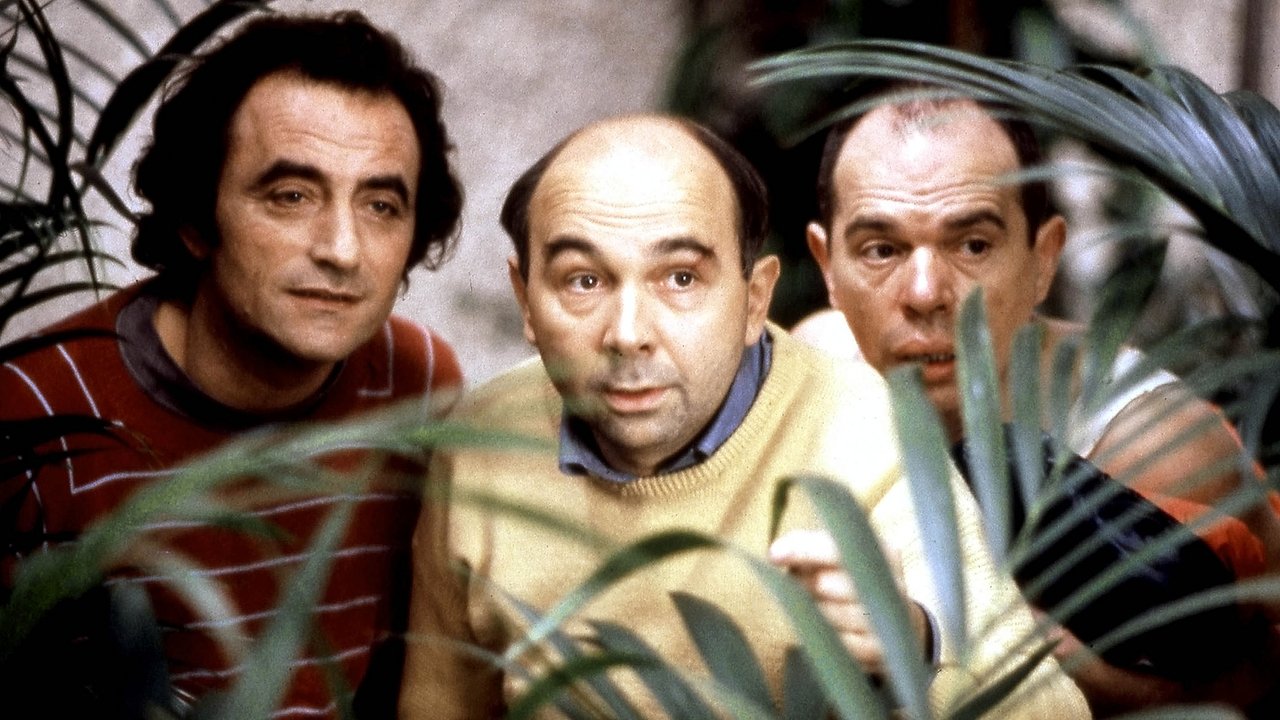
The film truly finds its heart, however, when Michel crosses the threshold into the world of Paris's homeless population. It’s here he meets Toubib (the Doctor), played with magnificent, world-weary charisma by Richard Bohringer. Bohringer, fresh off acclaim for films like Diva (1981) and The Cook, the Thief, His Wife & Her Lover (1989), absolutely owns this role. Toubib is the cynical sage, the reluctant guide, the man who has seen it all and somehow retains a core of defiant humanity. Their interactions, along with those of the wider community of colourful characters surviving on the margins, form the core of the film's unique tone. It's a delicate tightrope walk Jugnot attempts as director – finding humour in the absurdity and resilience of these lives without ever mocking their plight. Remember finding those slightly offbeat European comedies on the rental store shelves? This one carried a weight beneath the surface laughs.
Interestingly, Une époque formidable... was a significant box office success in France upon its release in 1991, striking a chord with audiences perhaps grappling with economic anxieties of their own as the decade began. Jugnot reportedly drew inspiration from observing the growing number of homeless individuals in Paris, wanting to tell a story that was both entertaining and socially conscious. Filming on location adds a layer of gritty authenticity, placing these often fantastical scenarios against the backdrop of real Parisian streets and metro stations, a contrast that highlights the characters' invisibility within the bustling city.
Balancing Acts
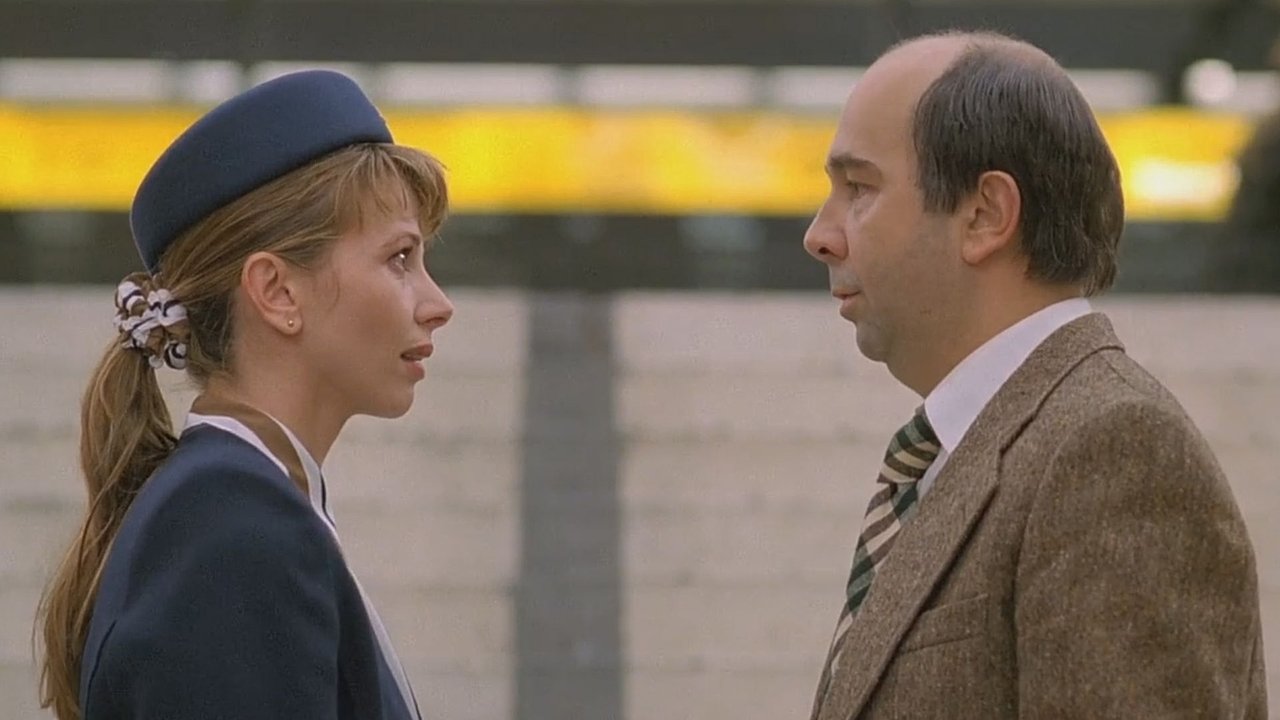
The film isn't without its tonal wobbles. Some of the comedic set pieces lean towards the farcical, moments that might feel slightly jarring against the stark reality of the central premise. Yet, Jugnot the actor consistently brings us back to Michel's emotional core. His performance captures the bewilderment, the shame, and the slow erosion of his former self, but also the gradual, surprising discovery of camaraderie and a different kind of strength among his new companions. Victoria Abril, though her character exists somewhat outside the main thrust of the street-level narrative, provides a crucial emotional anchor as the bewildered but ultimately supportive wife. Her scenes with Jugnot carry a genuine tenderness that prevents the film from becoming solely about Michel's downward journey.
What truly elevates Une époque formidable... beyond a simple social commentary or situational comedy is its profound empathy. It asks us to look beyond the statistics and stereotypes, to see the individuals caught in the gears of circumstance. How much of our identity is tied to our profession, our status? What remains when those are stripped away? These aren't easy questions, and Jugnot doesn't offer simple answers. Instead, he presents a mosaic of human experience – flawed, funny, tragic, and resilient. It’s a film that uses laughter not to diminish the seriousness of the situation, but perhaps as a coping mechanism, a shared language in the face of adversity.
The Verdict
Une époque formidable... might not have been a title that screamed off the VHS box for international audiences unfamiliar with French cinema, but discovering it felt like uncovering a gem. It’s a film that blends comedy and social drama with a surprising degree of success, largely thanks to the heartfelt performances, particularly from Jugnot and the magnetic Bohringer. While the tonal shifts can occasionally be abrupt, the underlying humanity and the film's willingness to confront uncomfortable truths about societal indifference give it a lasting impact. It captures a specific time and place but speaks to anxieties that feel remarkably current. It’s a testament to the power of empathetic storytelling, wrapped in a package that’s both entertaining and thought-provoking.
Rating: 8/10
Justification: The film masterfully balances humour and pathos, driven by outstanding lead performances (especially Bohringer) and Jugnot's sensitive direction. It tackles serious social issues with empathy and avoids easy sentimentality, offering a poignant and surprisingly funny look at human resilience on the fringes. Minor tonal inconsistencies prevent a higher score, but its emotional honesty and memorable characters make it a standout French film from the era.
Final Thought: Beyond the laughs and the tears, Une époque formidable... leaves you pondering the fragility of comfort and the enduring strength found in unexpected connections – a truly "formidable" reflection, indeed.