There's a certain kind of warmth that radiates from Neil Simon's best work, a blend of sharp observation, undeniable humor, and a deep wellspring of empathy for the everyday struggles of ordinary people. Watching Brighton Beach Memoirs (1986) again after all these years feels less like simply viewing a film and more like being invited into the crowded, noisy, yet fiercely loving Jerome household during a particularly trying autumn in 1937. It’s a film that unfolds not with grand cinematic gestures, but with the intimate rhythm of overheard conversations, slammed doors, and whispered dreams through thin apartment walls.
Listening In on Eugene's World
Adapted by Simon himself from his acclaimed autobiographical play, and directed by frequent Simon collaborator Gene Saks (who also helmed film versions of Barefoot in the Park and The Odd Couple), the film retains a potent theatrical energy. We experience the Jerome family – parents Kate and Jack, sons Eugene and Stanley, plus Kate’s widowed sister Blanche and her daughters Laurie and Nora – almost entirely within the confines of their Brighton Beach home. This isn't a limitation; it's the film's strength. The cramped quarters amplify the tensions – financial worries stemming from the Great Depression, health concerns, the simmering frustrations of adolescence – making the emotional landscape feel as densely populated as the house itself.
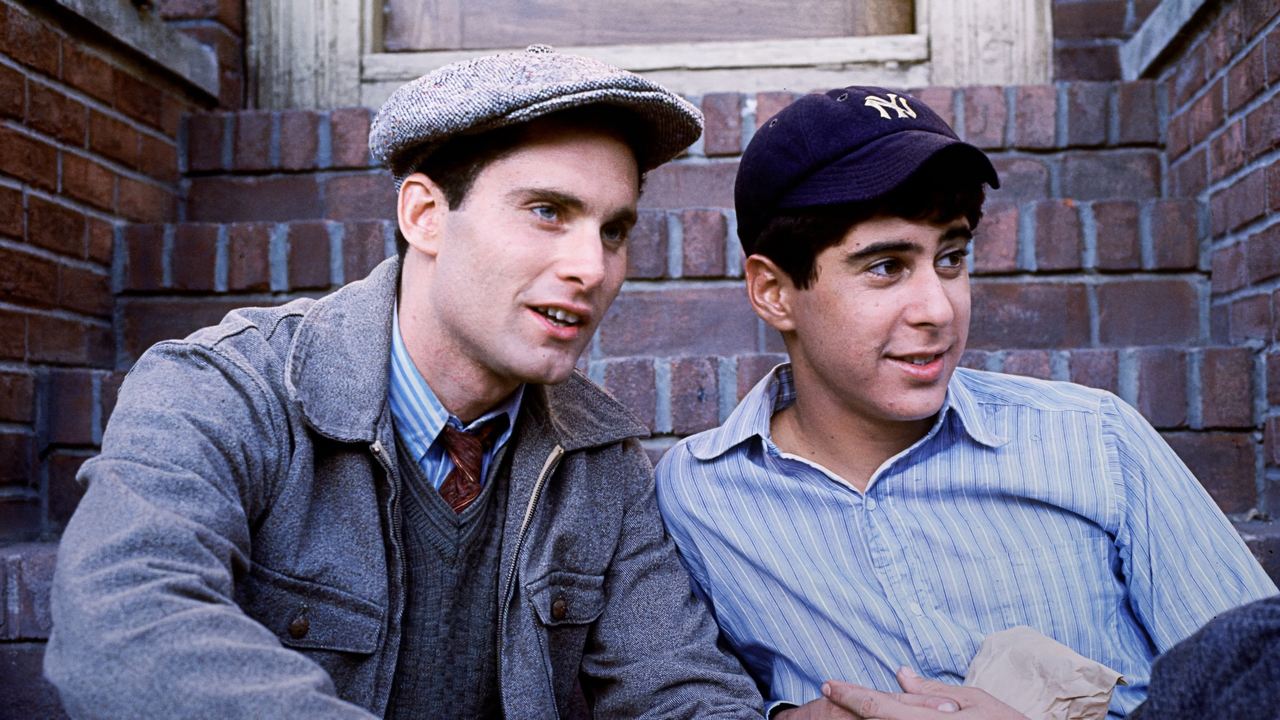
Our guide through this domestic maze is fifteen-and-a-half-year-old Eugene Morris Jerome, played with infectious energy and perfect timing by Jonathan Silverman. It's a star-making turn, capturing Eugene's simultaneous awkwardness and burgeoning awareness. He’s obsessed with girls (particularly his beautiful older cousin, Nora), baseball (specifically the Yankees), and, most importantly, becoming a writer. His narration, pulled directly from his 'memoirs', provides the film's structure and much of its humor. Silverman, who had actually taken over the role from Matthew Broderick on Broadway before landing the film, embodies Eugene's hormonal confusion and intellectual curiosity beautifully. He makes Eugene feel less like a character and more like someone you actually knew in high school – observant, often inappropriate, but fundamentally decent.
A Family Portrait Under Pressure
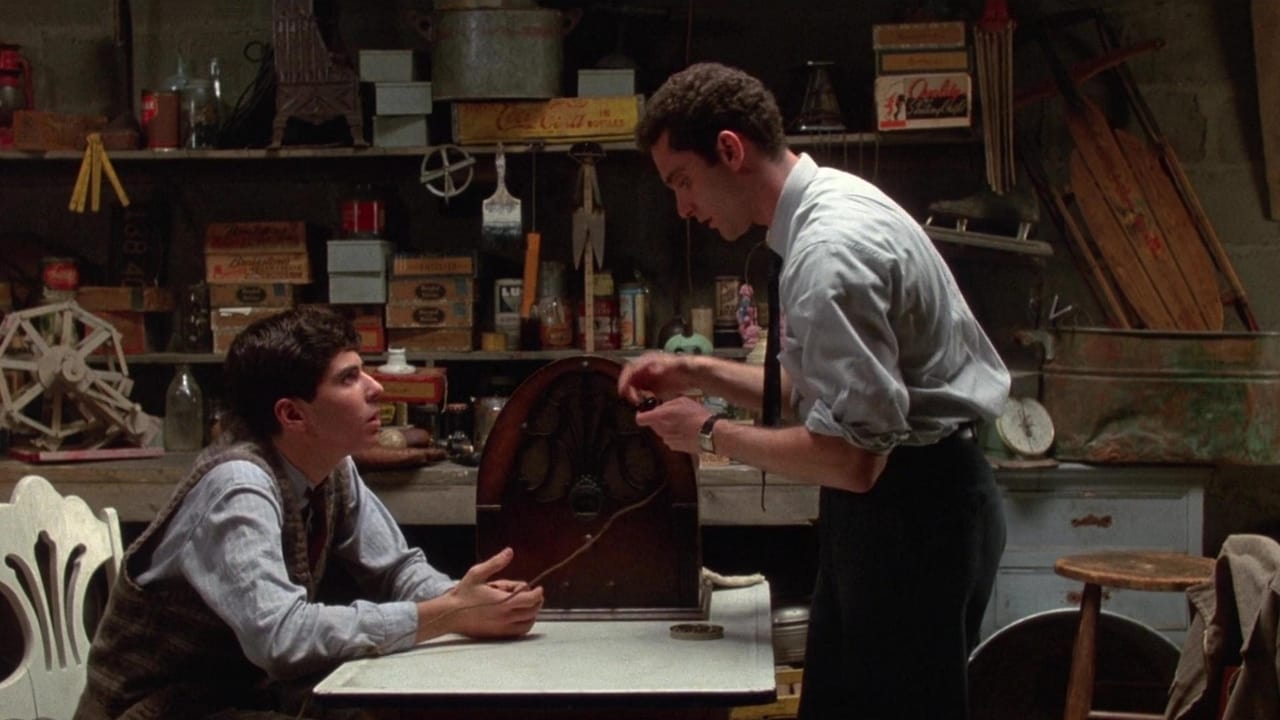
While Eugene is our narrator, the heart of the film lies in the ensemble. Blythe Danner as Kate Jerome is simply magnificent. She’s the bedrock of the family, perpetually worried, fiercely protective, and capable of deploying guilt like a strategic weapon, yet her love and resilience shine through every weary line reading. Danner finds the deep affection beneath Kate’s anxieties, making her far more than a stereotypical Jewish mother. Opposite her, Bob Dishy as Jack, the patriarch working two jobs to keep the family afloat, exudes a quiet dignity and profound exhaustion. His moments of gentle wisdom, often delivered between coughs or sighs, carry immense weight.
The conflicts are relatable and deeply human. Stanley (Brian Drillinger) faces a moral dilemma at work, Nora (Lisa Waltz) yearns for a chance to dance on Broadway despite her mother Blanche's (Judith Ivey) fears, and Blanche herself wrestles with the possibility of finding love again. These aren't earth-shattering plot twists, but rather the accumulation of small, significant life moments that test loyalties and reveal character. What does family owe to each other when resources are scarce and dreams seem impossibly distant? The film doesn't offer easy answers, but explores these questions with honesty.

From Stage to Screen
Gene Saks' direction is unobtrusive, primarily focused on serving Simon's dialogue and showcasing the actors. He understands that the power lies in the interactions, the overlapping arguments, the shared meals, the moments of unexpected tenderness. The production design effectively captures the slightly worn, lived-in feel of a lower-middle-class home in the late 30s. It feels authentic, grounded. While it might lack some of the visual dynamism we expect from cinema, its strength is its faithfulness to the source material's emotional core. It’s a reminder that sometimes, the most compelling stories are the ones played out in kitchens and living rooms.
Interestingly, while the play was a massive hit, the film adaptation received a more muted reception upon release and didn't achieve the same level of popular success as some of Simon's earlier film adaptations. Perhaps its gentle pacing and focus on domestic drama felt slightly out of step with the louder, brasher comedies popular in the mid-80s. Yet, viewed now through the warm glow of nostalgia, it feels like a treasure – a poignant snapshot of a specific time and place, exploring universal themes of family, aspiration, and growing up. I remember renting this one, probably nestled between a flashier action flick and a goofy teen comedy on the video store shelf, and being surprised by how much it resonated, how real the Jeromes felt.
Rating and Final Thoughts
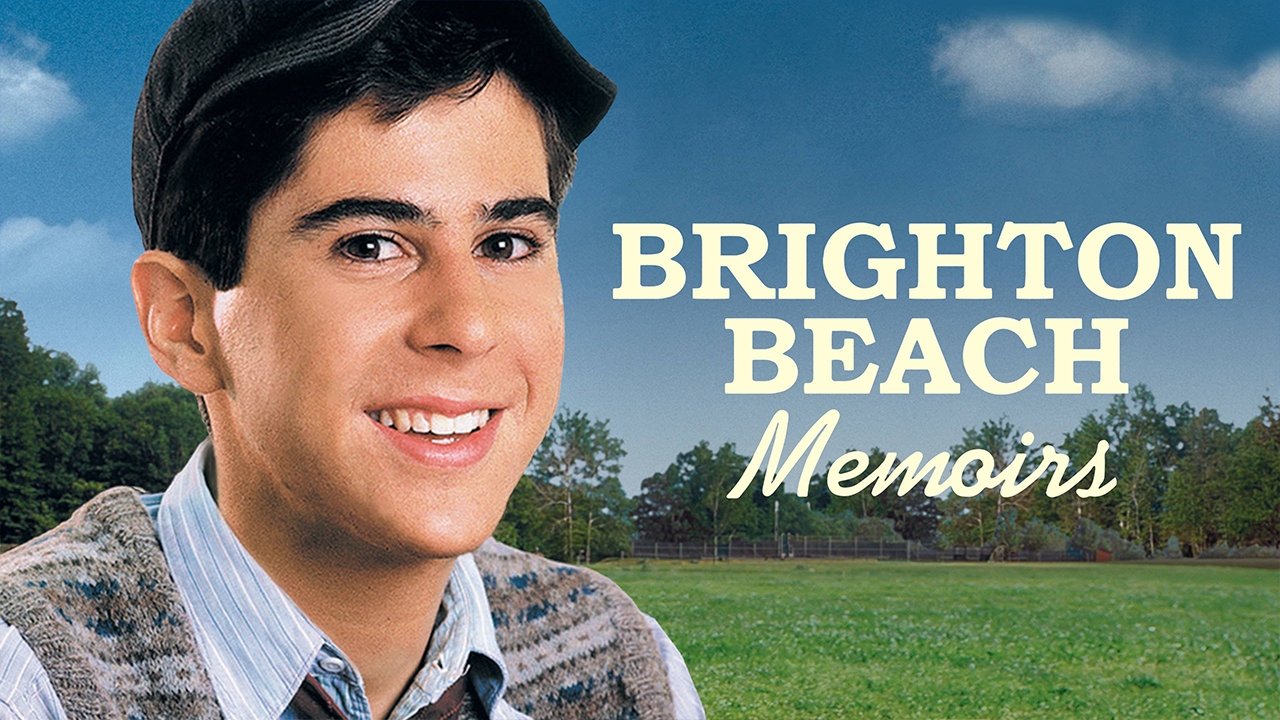
Brighton Beach Memoirs is a warm, funny, and deeply felt coming-of-age story anchored by terrific performances and Neil Simon's signature blend of humor and pathos. It might not be visually spectacular, but its emotional honesty is potent. It’s a film that reminds us of the complex, frustrating, and ultimately enduring bonds of family.
Rating: 8/10
It earns this rating for its superb ensemble cast, particularly Danner and Silverman, its authentic portrayal of family dynamics under pressure, and its faithful, heartfelt adaptation of Simon's wonderful play. While perhaps not a cinematic powerhouse, it excels as a character study brimming with warmth and wit. It's like finding a cherished family photo album on dusty VHS tape – the memories it evokes are vivid, poignant, and undeniably real. What lingers most is the echo of laughter and arguments bouncing off those Brighton Beach walls, a testament to a family weathering hard times together.